Looking Back on American Ballet Caravan’s Intrepid 1941 South American Tour

In June 1941, after nearly two weeks at sea en route to Rio de Janeiro, George Balanchine and the dancers of the American Ballet Caravan barely had time to adjust their legs to solid ground before heading to the city’s lavish opera house. Balanchine waited for the 35 dancers onstage, ready to confront their mountain of repertoire. Their opening night in Rio, just days away, would kickstart a five-month South American tour to Brazil, Argentina, Uruguay, Chile, Peru, Colombia, and Venezuela. Now, 85 years later, this historic tour still seems immense in scale and ambition, and, for the troupe of young artists, was as much an opportunity for adventure as it was to dance.
Large and small cities welcomed the “American Ballet,” newly formed by Lincoln Kirstein with Balanchine’s support. (The company was a precursor to New York City Ballet, along with two other iterations.) Funded, in part, by coordinator of inter-American affairs Nelson A. Rockefeller, the tour was meant to demonstrate America’s prowess in the elite (and European) realm of ballet. With its stars, who included Marie-Jeanne, Lew Christensen and his wife, Gisella Caccialanza, and William Dollar, the company performed a repertoire of existing ballets and premieres—including two important Balanchine creations.
A Mountain of Repertoire
Before they docked in Rio, the dancers aboard the S.S. Argentina “lived near the swimming pool to soak up as much summer as could be snatched, before braving the wintry South,” Dollar wrote in his unpublished manuscript Old Granny Spreads Good Will, now at the New York Public Library for the Performing Arts.
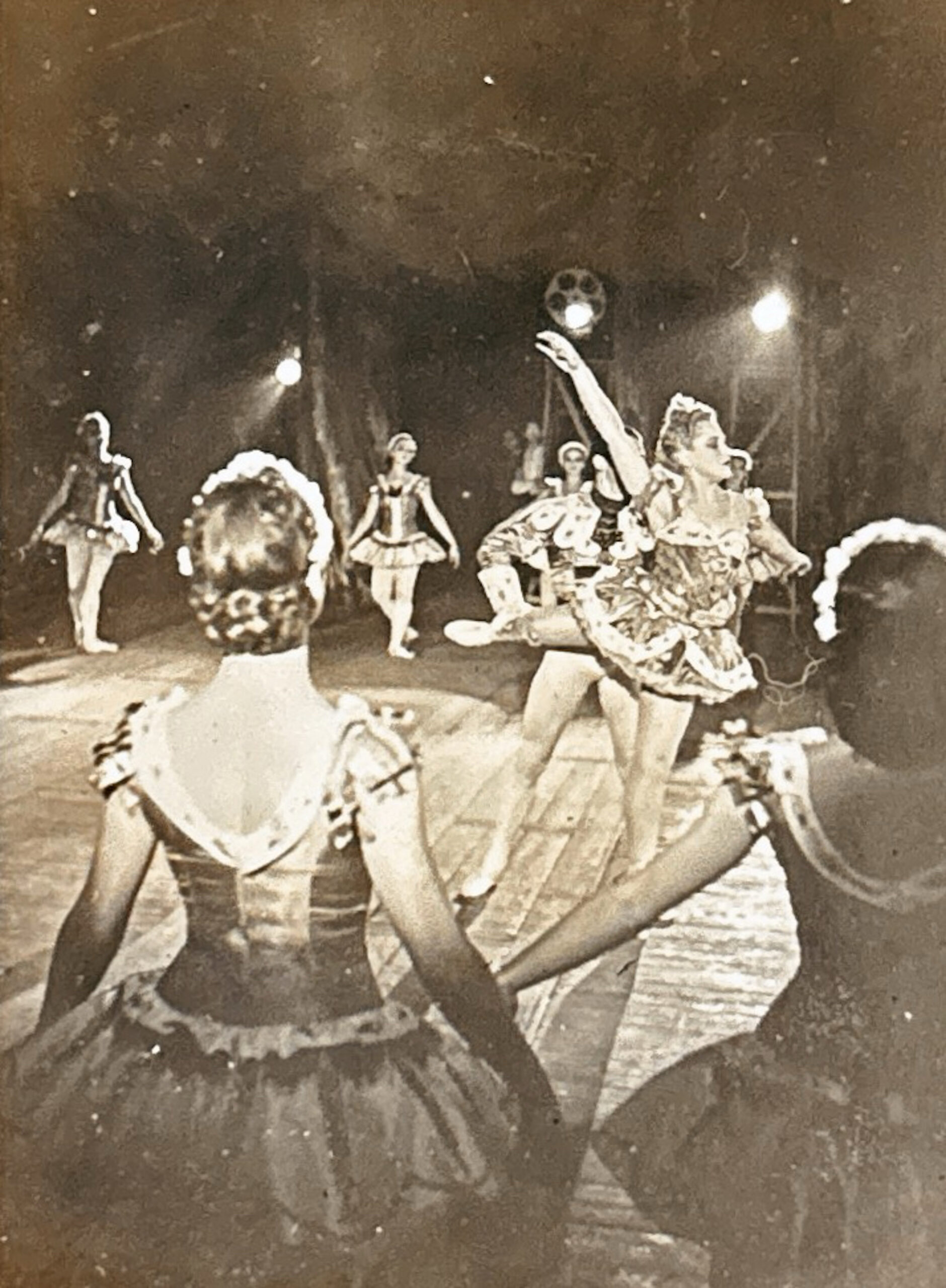
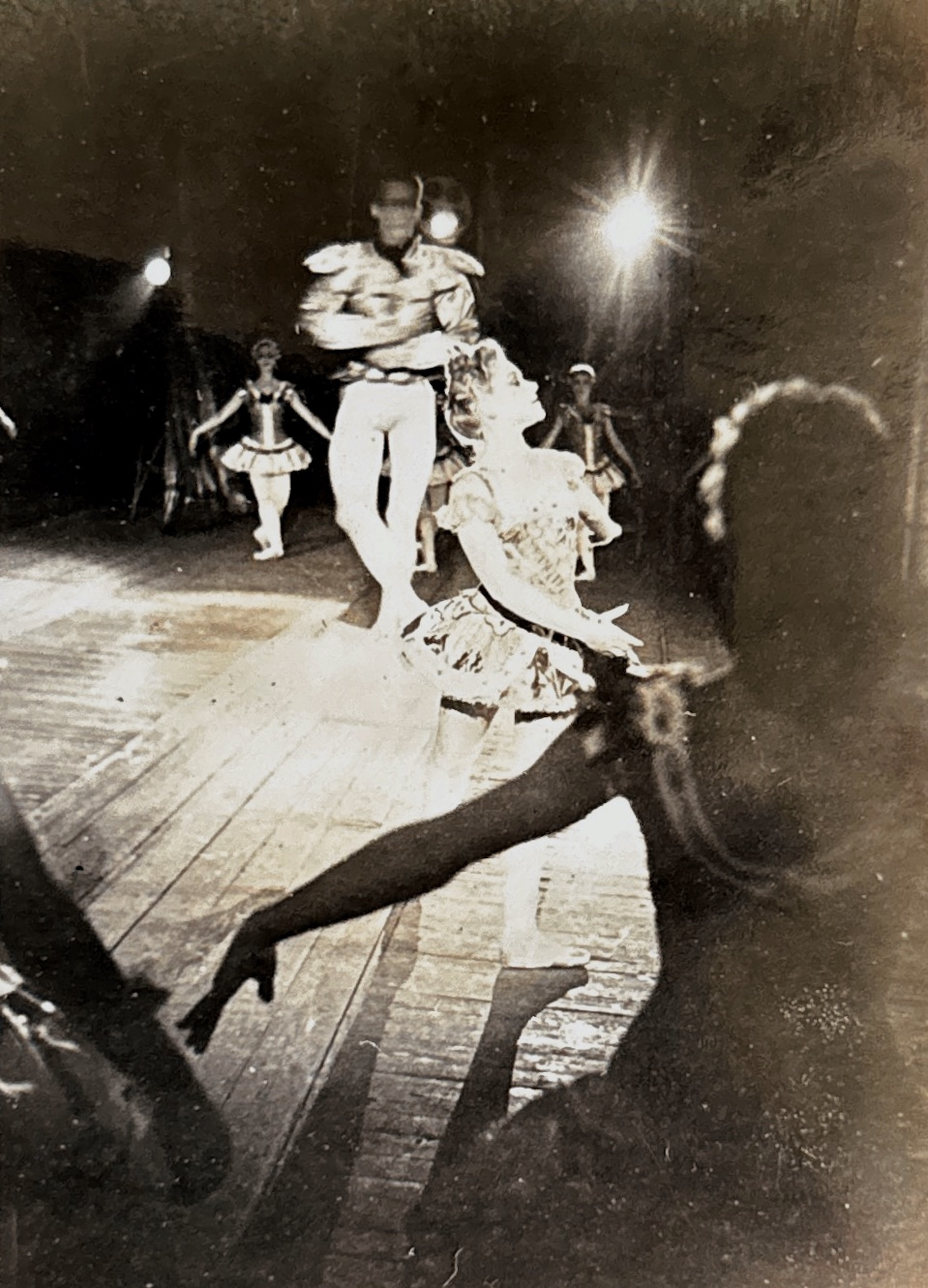
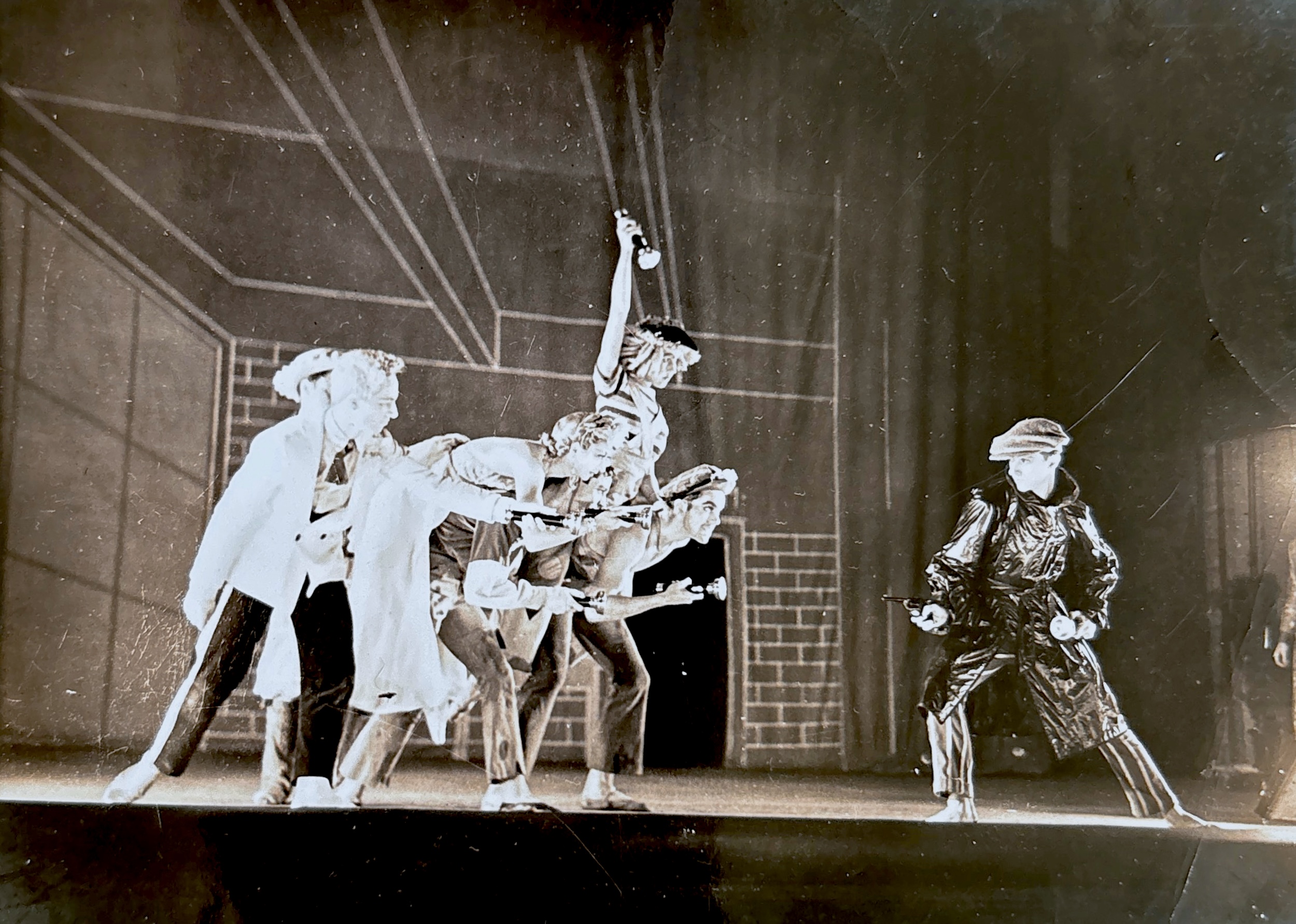
So, having had only a daily half-hour barre for two weeks at sea, the company found themselves standing onstage before Balanchine, who, Dollar observed, had left his sunny disposition on the ship. With six world premieres to prepare and only two months of rehearsals before the tour, the dancers faced a staggering amount of work. The opening program on June 25 would be Serenade, Balanchine’s opulent new Ballet Imperial (later renamed Tschaikovsky Piano Concerto No. 2), and Christensen’s 1938 Filling Station. Hours of grueling rehearsals left their muscles in shock and their minds dizzy.
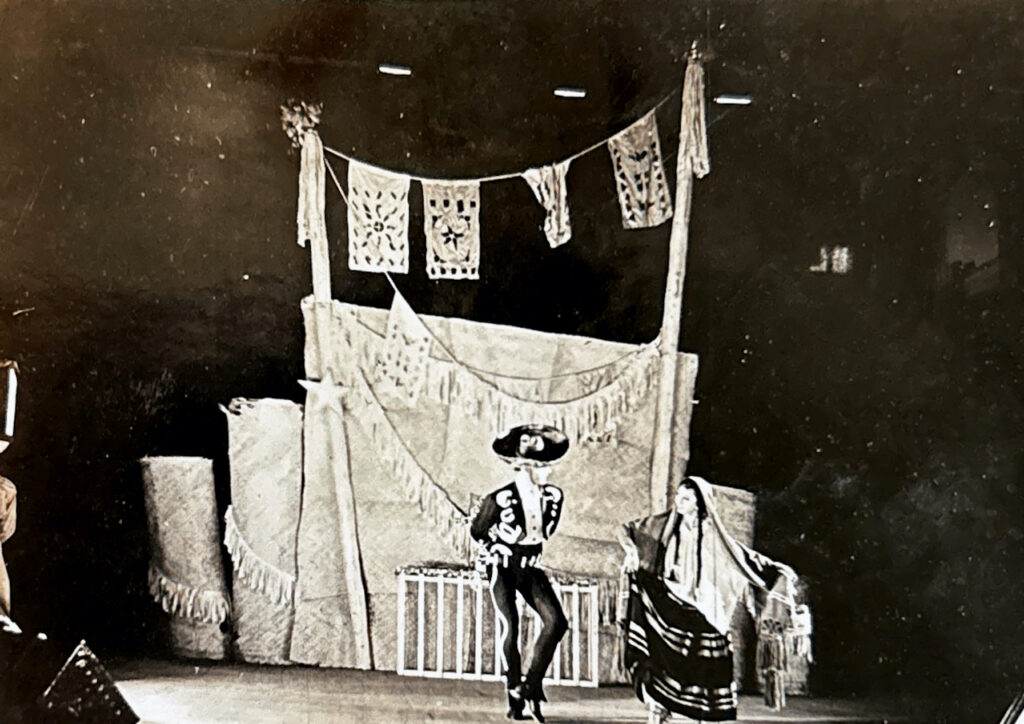
Just two days later, on June 27, the company premiered Balanchine’s Concerto Barocco; his now lost Divertimento, which he had quickly choreographed as a fun program closer; and Christensen’s Pastorela, commissioned by Rockefeller for the tour. Then, by July 1, according to programs from Rio, Antony Tudor’s new work Time Table was finally ready for stages in South America.
“We have been rehearsing morning, noon, and performing in the evening,” the soloist Lorna London wrote in a letter to her parents. “We have never worked as hard as this before. We have new ballets to do and none of the old ones are even ready. This morning we are doing Time Table. What a mess, no one remembers any of it. Poor Mr. Tudor, if he could only see it now.”
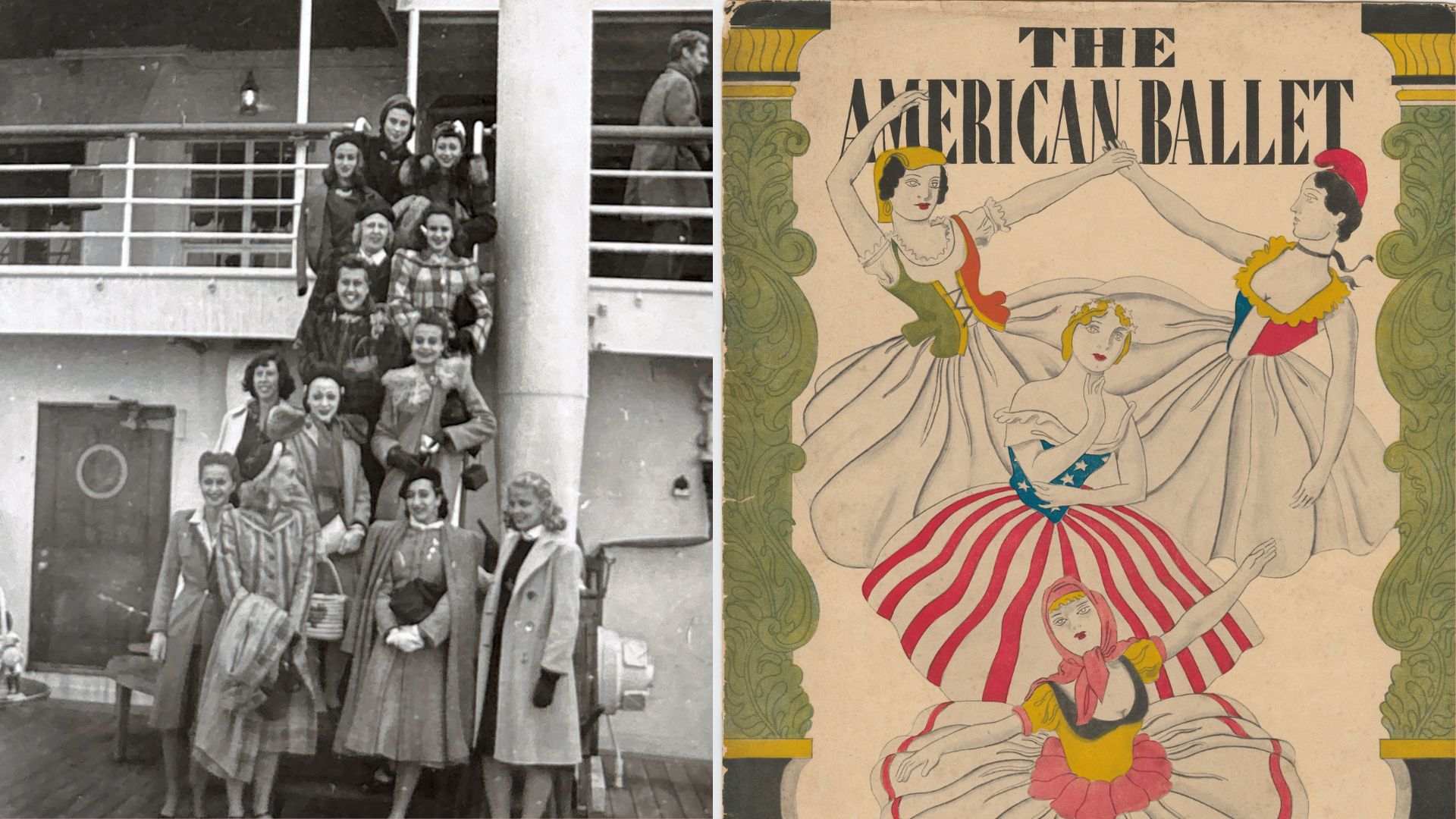
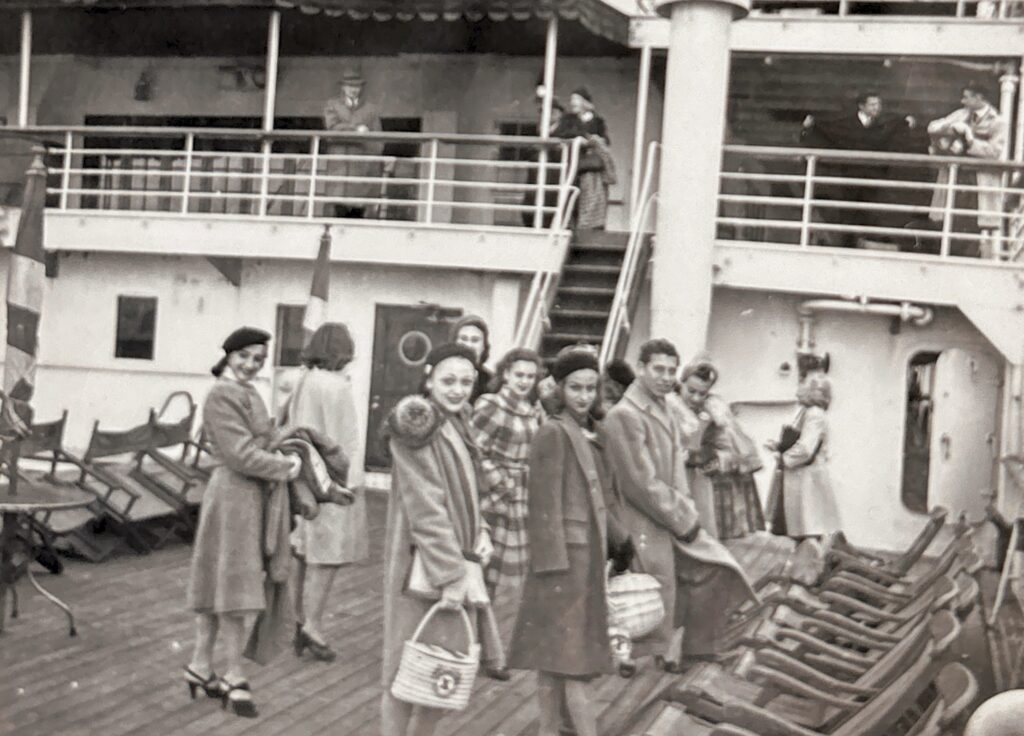
But as they moved through South America, most audiences received American Ballet Caravan with roaring applause. Still, Kirstein, who was also on the trip, was constantly concerned with reviews; continuation of the tour depended on it. Most of the newspapers, especially local critics, soothed his worries. The Buenos Aires Herald reported in July, “The American Ballet is something so vital and exciting and entertaining that it’s practically a must.” As they made their way to Montevideo, one newspaper printed a photo of the female dancers, all beaming smiles in their fashionable winter coats, with the headline, “Las Hermosas Chicas del ‘American Ballet’ ” (The Beautiful Girls of the “American Ballet”).
Balanchine’s works were especially a hit. Audiences gave Apollo standing ovations, and Errante, which he had first choreographed in 1933, was also a huge success. On July 1 in Rio, it was even added to the program “due to popular demand.”
A New Masterpiece
Nancy Reynolds, the director of research at the George Balanchine Foundation, detailed the ballets performed on the 1941 tour in the book Repertory in Review: 40 Years of the New York City Ballet (1977). “Balanchine was quite well received in some places that already had a strong dance culture or a good company,” she tells Pointe. Even to crowds less devoted to ballet, his classical works seemed to delight.
Whatever prominence Balanchine had with audiences before the tour was elevated even further with his new works, like Concerto Barocco. In June, 85 years to the day of its premiere, New York City Ballet performed Barocco at The Music Center in Los Angeles, a happy coincidence, but a testament to its vitality. “Part of Barocco’s power undoubtedly comes from Balanchine’s deep care and understanding of the score as well as his mastery and commitment for physicalizing the music and bringing it to life through his choreography,” says NYCB associate artistic director Wendy Whelan. “It’s the perfect combination of technical challenge, camaraderie, exhilaration, and disciplined freedom.”
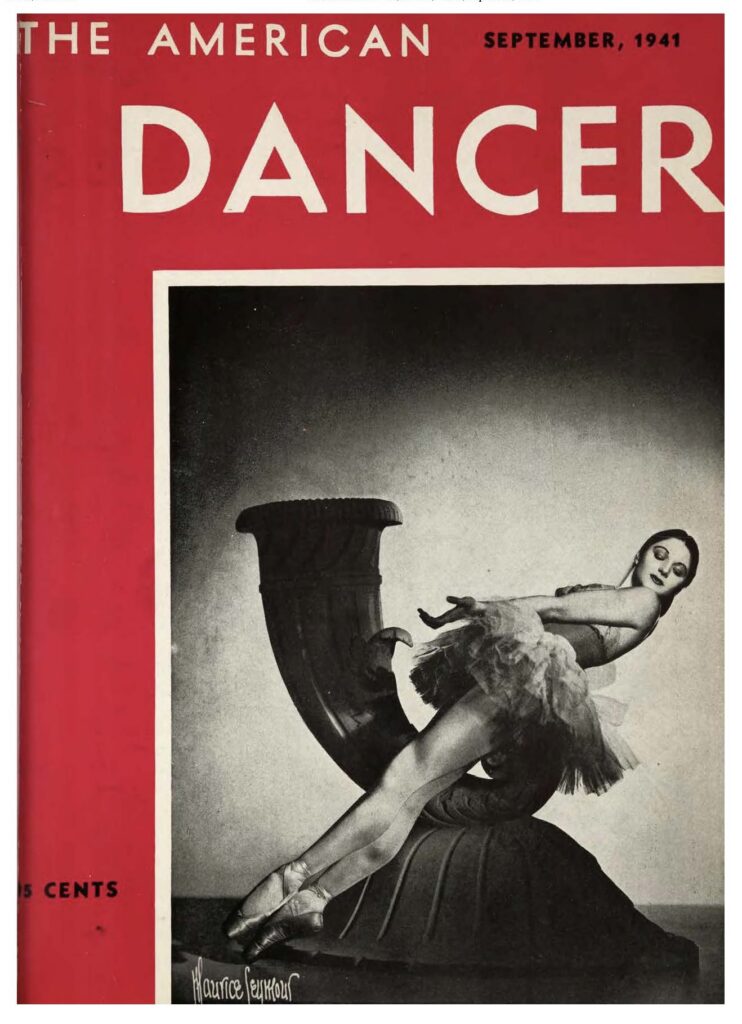
Even in 1941, the dancers knew Barocco was something marvelous. “I had to dance for 18 minutes straight, to every beat,” recalled Marie-Jeanne in Robert Tracy’s book, Balanchine’s Ballerinas: Conversations with the Muses (1983). “It was the most demanding role he ever did for me.”
Roughing It
What tested them onstage, including a rising list of injuries and illnesses, was amplified by the challenges of life on tour. They traveled in everything from freighters filled with cows and chickens to chartered sunset flights through the snow-covered Andes; and even a convoy of cars from Cucuta, Colombia, to Caracas, Venezuela, through winding dirt roads and tropical thunderstorms. As they made stops along the way, they blew their already meager salaries on local shops and restaurants.
By the end of summer, Kirstein went back to the U.S. to attend to business. In mid-September, both London and Dollar note, Balanchine flew home to New York City, leaving Christensen in charge of rehearsals. His departure stung, and the dancers began losing morale. The final blow came when stage manager Doug Coudy left in October—he’d had enough, and had negotiated a contract with the Metropolitan Opera’s ballet company. Severe fatigue and anxiety to return home embedded itself among the dancers.
Lost Ballets, New Classics
But South American audiences still filled seats, and the company found ways to highlight the repertoire in innovative ways. On the National Radio Station in Bogotá on October 15, 1941, dancers Gisella Caccialanza and Fred Danieli shared their reflections on ballets from Balanchine’s Serenade to The Bat (called El Murciélago throughout the tour), a revived 1936 work that was never performed again.
Caccialanza’s recollections, recorded in the radio show transcript at the Museum of Performance + Design, detailed how this now lost ballet unfolded. It began with the Poet, danced by Christensen, stepping out from the curtains “perhaps searching for a spirit like himself,” Caccialanza said, in Spanish. “Suddenly he finds five girls in the woods, with a shadowy figure, who is the Bat.” The enigmatic Bat was composed of two dancers, each with a billowy wing, who scattered every time the poet approached. There were several waltzes, a pas de trois, then variations including a can-can and a Hungarian dance. “Finally the curtain falls on a tableau,” she said, “with the Poet, two girls, and the Bat.”
The conversation went on to the success of Barocco, and the choreography’s beautiful complement to the music, even according to “authorities like Stravinsky.” Caccialanza and Danieli went on to discuss the “modernist influences” on Serenade and American ballet in general. “In Serenade we find a ballet of souls, and not of human beings,” Danieli said.
Winding Down
The tour continued into November, though, according to London, the company shipped Time Table’s sets and costumes back a month earlier and cut some numbers in Juke Box, a ballet by Dollar, to accommodate altitude fatigue. The dancers themselves were given little indication of when they would be sent home (there was talk of the company also adding Cuba and Mexico to the itinerary), and World War II was a growing presence, especially for the young men in the company. As they made their way through Colombia, they finally received word that the tour would not be extended and their last stop would be Venezuela. Now with the end in sight, the dancers let visions of home carry them through their final performances—though throughout, there was a deep gratitude among the intrepid company.
“We are all going to arrive home stony broke,” London wrote. “But we feel even if we don’t come home with money, just look at what we have seen and done.”
SOURCES
Museum of Performance + Design:
Christensen (Lew) and Caccialanza (Gisella) Papers, 1903–88;
https://cinco-prd.s3.amazonaws.com/media/pdf/Caccialanza-Christensen_Finding_Aid.pdf
NYPL for the Performing Arts:
- “Yvonne Patterson and William Dollar papers”: “Series IV: Alphabetical Files” (typed manuscript “Old Granny Spreads Good Will”); https://archives.nypl.org/dan/18469
- “American Ballet Caravan” [clippings]; https://www.nypl.org/research/research-catalog/bib/b12294310
- Douglas Coudy scrapbook; https://www.nypl.org/research/research-catalog/bib/b14479174
- “The American Ballet in South America” (S); https://www.nypl.org/research/research-catalog/bib/b12178294
Theatro Municipal do Rio De Janeiro (Archive):
- Programs for nine performances. Available online here: http://www.museusdoestado.rj.gov.br/sisgam/
All quotes/information from Lorna London:
Personal letters written to her parents in 1941. Private collection.
Books:
Balanchine’s Ballerinas: Conversations with the Muses (1983), Robert Tracy.
Repertory in Review: 40 Years of the New York City Ballet (1977), Nancy Reynolds.
The Worlds of Lincoln Kirstein (2007), Martin Duberman.