Catching Up With Cincinnati Ballet Artistic Director Cervilio Miguel Amador

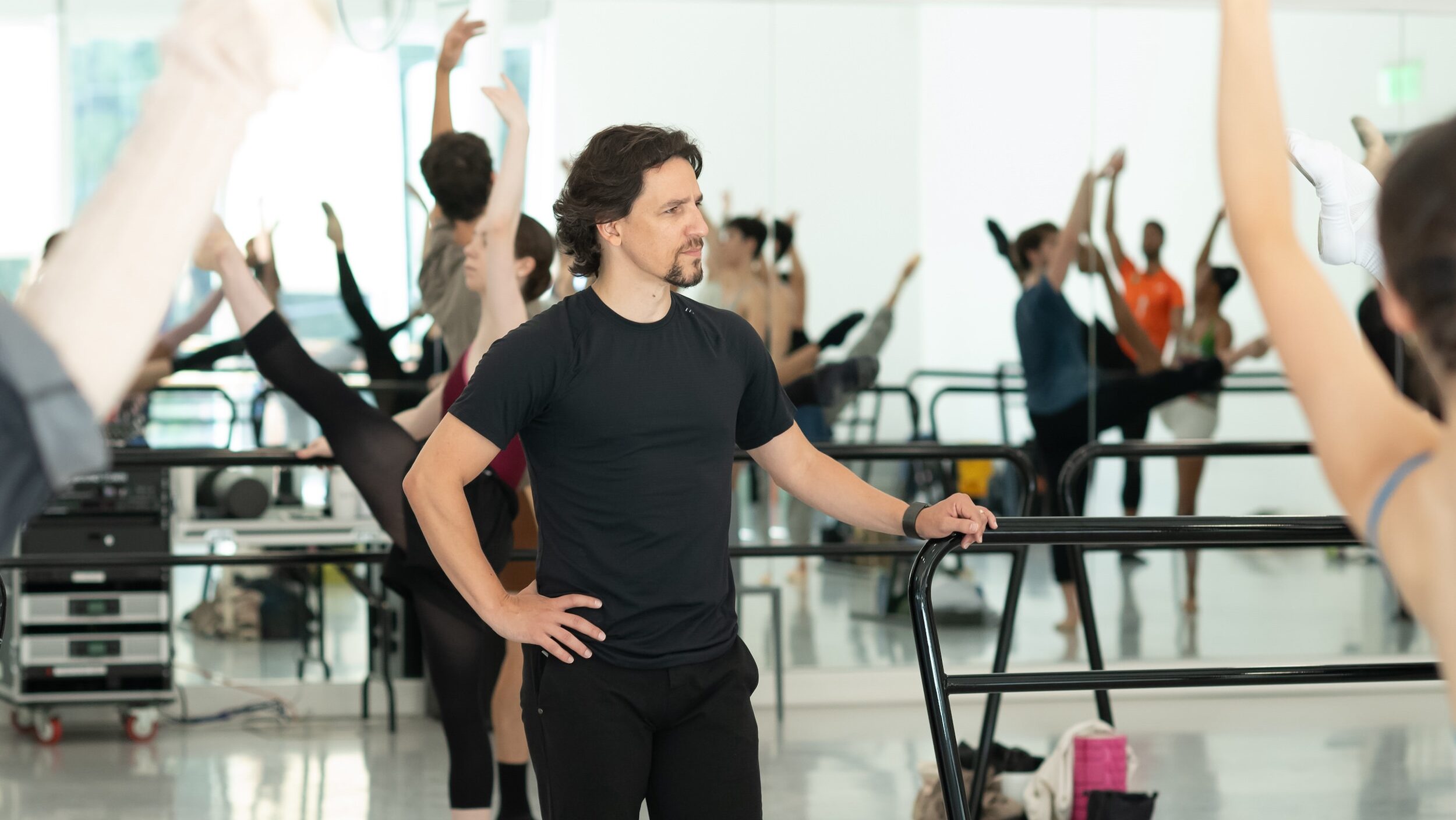
Few new artistic directors are as entrenched in the company they lead and the community it serves as Cervilio Miguel Amador. The 43-year-old has spent the last 22 years at Cincinnati Ballet, first as a dancer, then as rehearsal director, and now as artistic director. He knows the people, the city, and its tastes.
A native of Cuba, Amador received his education and training at the Vocational Ballet School in Camagüey and the National Ballet School of Cuba in Havana. Prior to going to Ohio, he danced with the National Ballet of Cuba, rising to corifeo (demi-soloist). He joined Cincinnati Ballet under former artistic director Victoria Morgan as a soloist in 2004 and was promoted to principal in 2006, a rank he held for 16 years. When Cincinnati Ballet’s previous leader, Jodie Gates, departed in 2023, Amador was named interim artistic director of the 63-year-old company, and appointed to the position permanently in 2024.
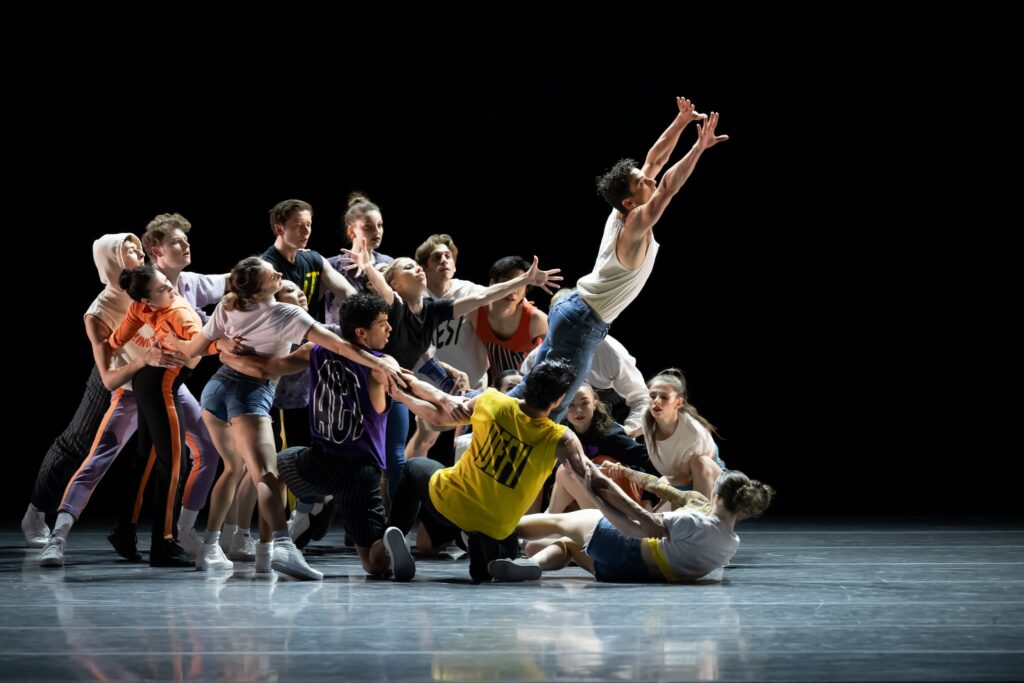
This season is marked by eight world premieres, including last month’s Kaplan New Works Series featuring works by Melody Walsh, Anne Jung, Robert Bondara, and Mthuthuzeli November. Pointe caught up with Amador to learn about his current vision for Cincinnati Ballet and his approach to leading.
Had you had previous directing experience before you were tasked with leading the Cincinnati Ballet in 2023?
I first experienced what it was like to be an artistic director as a dancer. I founded Moving Arts, a summer dance company, with dancer friend Anthony Krutzkamp [now artistic director of Louisville Ballet]. I was in Cincinnati and he was in Kansas City Ballet, so we combined forces for five years to give our dancers the opportunity to perform in each city [during the summer]. This is my first position leading a year-round ballet company.
What has it been like?
It’s been great. I have learned a lot. No one really prepares you to become an artistic director. There is no school for it. The learning begins when you sit in the director’s chair and ask yourself “Now what?” The first thing I did was formulate my vision for the company, where I wanted to take it, and how I would deliver in those areas. I also had to learn the administrative side: how to work with the organization’s different departments and everyone else who contributes to Cincinnati Ballet’s success.
How has your artistic vision changed since becoming artistic director?
It’s always evolving. I try to be in tune with what is happening in my community and the dance world. I believe it’s not just what we do, but how we do it. Right now, I want to move the company forward by opening the door to a wider and bolder range of ideas and choreographic styles, while remaining true to Cincinnati Ballet’s classical foundation.
What kinds of ideas?
I want us to be pioneers. I think about programs that will not only develop our dancers artistically but also reflect where we are as humans in the world. I want to bring ballets to the stage that will serve as an antidote to, or inspire a deeper discussion of, what we are currently feeling as a society.
How would you describe the company’s identity?
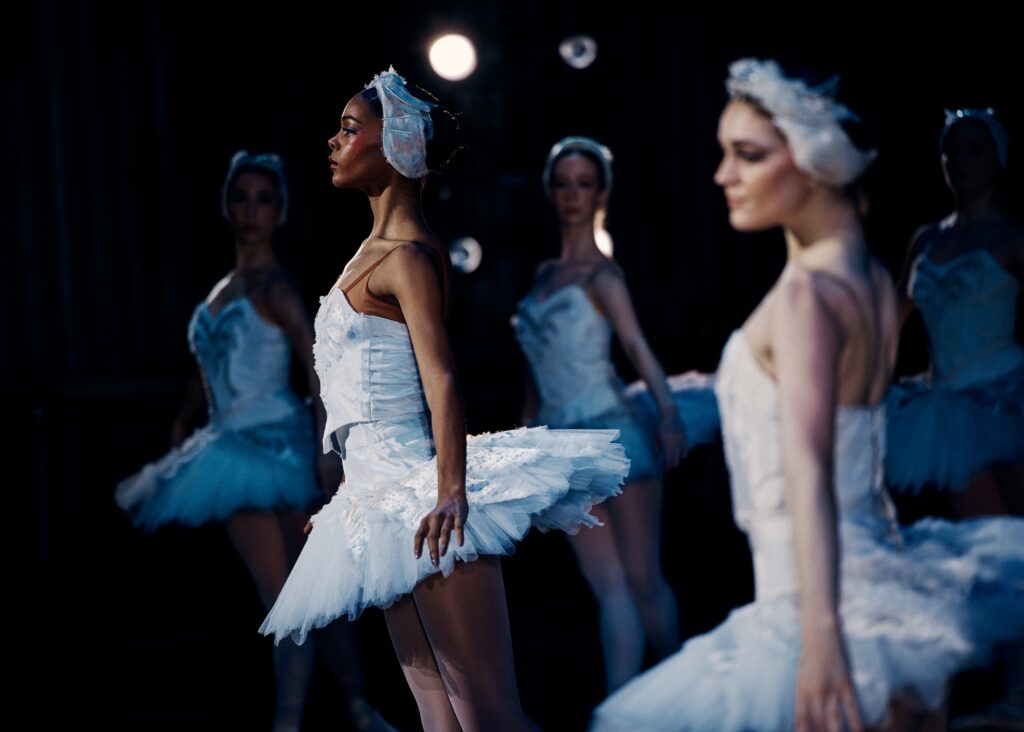
A classically trained company with dancer versatility. What I want audiences to see, and what brings me joy, is that the company can shine in Swan Lake as well as in contemporary pieces like those of Alexander Ekman and Ohad Naharin.
What are your goals for Cincinnati Ballet?
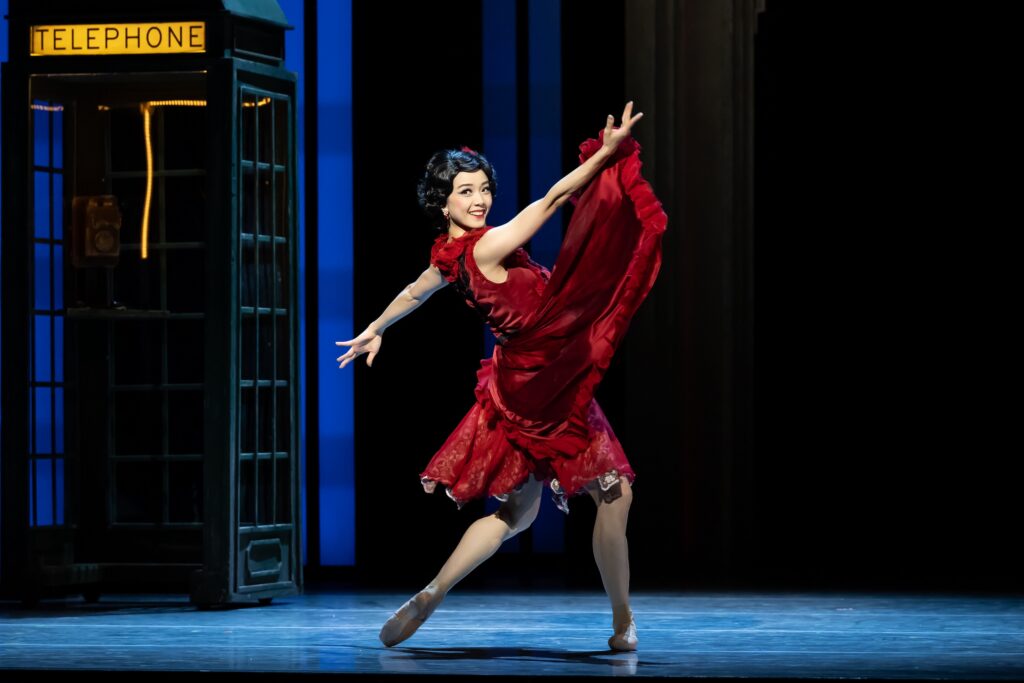
An ongoing goal is to find creative ways to get what I want for the company through compromise and collaboration. One example came this past season, when we presented the North American premiere of choreographer Septime Webre’s The Great Gatsby. We couldn’t afford to produce it ourselves, so we partnered with Atlanta Ballet and Kansas City Ballet to split the costs.
How would you describe your leadership style?
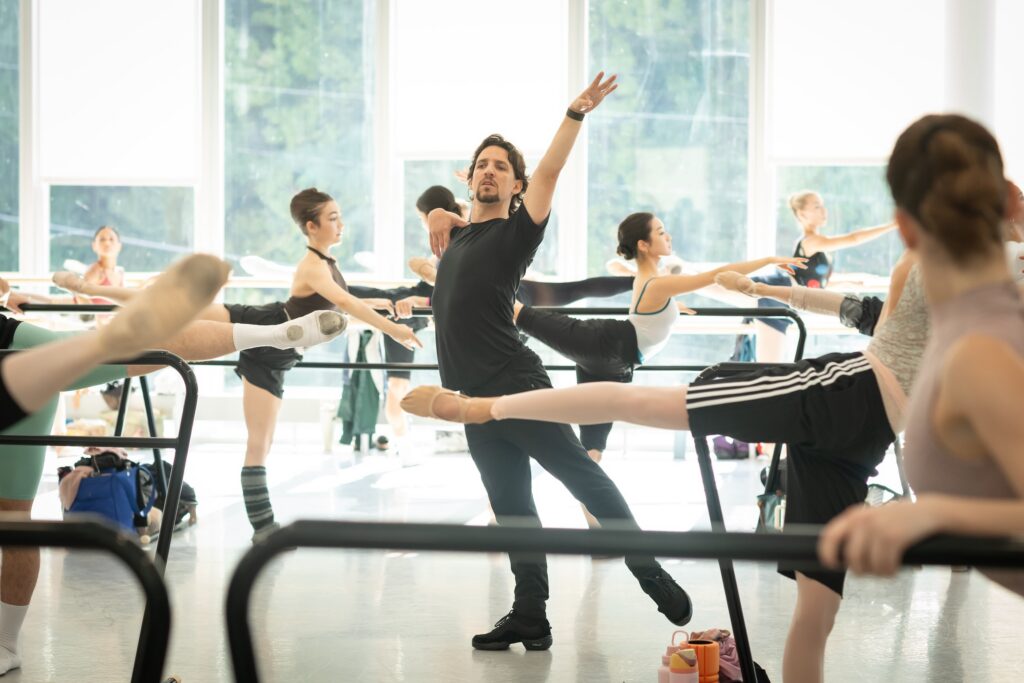
I don’t like micromanagement. The more you understand your team and empower them with guidance, the healthier things can be. I also try to be proactive and less reactive to avoid potential difficulties. My management of the dancers has layers, including a communication through-line where feedback is transmitted through the choreographers and stagers. When I am in the studio, I manage the dancers directly.
As a company member, would you have appreciated you as a director?
I hope so. What I can say is that I try to remind myself what it felt like to be a dancer, both the good and the bad, and learn from that.
What do you look for when hiring dancers?
A strong classical foundation. Then I look to see if they speak to me artistically—can I see them transforming into lots of very different characters? I look for coordination and musicality. Also, I factor in the company’s needs. Do I need a principal dancer, soloist, or corps member?
What else is on tap for the 2026–27 season?
For November’s LIVE! program, we’re collaborating with the local band Over the Rhine and The Cincinnati Symphony Orchestra, with new works by choreographers Young Soon Hue, Kenneth Tindall, and Cincinnati Ballet Otto M. Budig Academy director David Morse. In December, we perform Victoria Morgan’s The Nutcracker; and, in February, we present Edwaard Liang’s Romeo and Juliet. We close the season in April with Director’s Vision: Two Voices, showcasing choreographic contrasts: Balanchine’s Square Dance and a new one-act narrative ballet by Mthuthuzeli November.
Cincinnati Ballet at a Glance
Number of company dancers: 29
Contract length: 35 weeks
Starting salary: In the $900/week range
Performances per year: Upwards of 50
Budget: $13.3 million
Website: cballet.org
Auditions: Cincinnati Ballet and its second company, CB2, hold invitation-only auditions January through March. Applicants must first submit their materials (bio/resumé, video reel, etc.) through the company’s online portal and indicate which in-person audition (held in Cincinnati, New York City, San Francisco, or Houston) they would like to attend if selected. Amador’s advice: “Don’t be afraid to show yourself; let us see you and connect with us. Your technique got you an invitation; we want to see your personality, musicality, and your taste when it comes to your dancing.”