Dutch National Ballet’s Next Phase: A Conversation With Ted Brandsen and Ernst Meisner

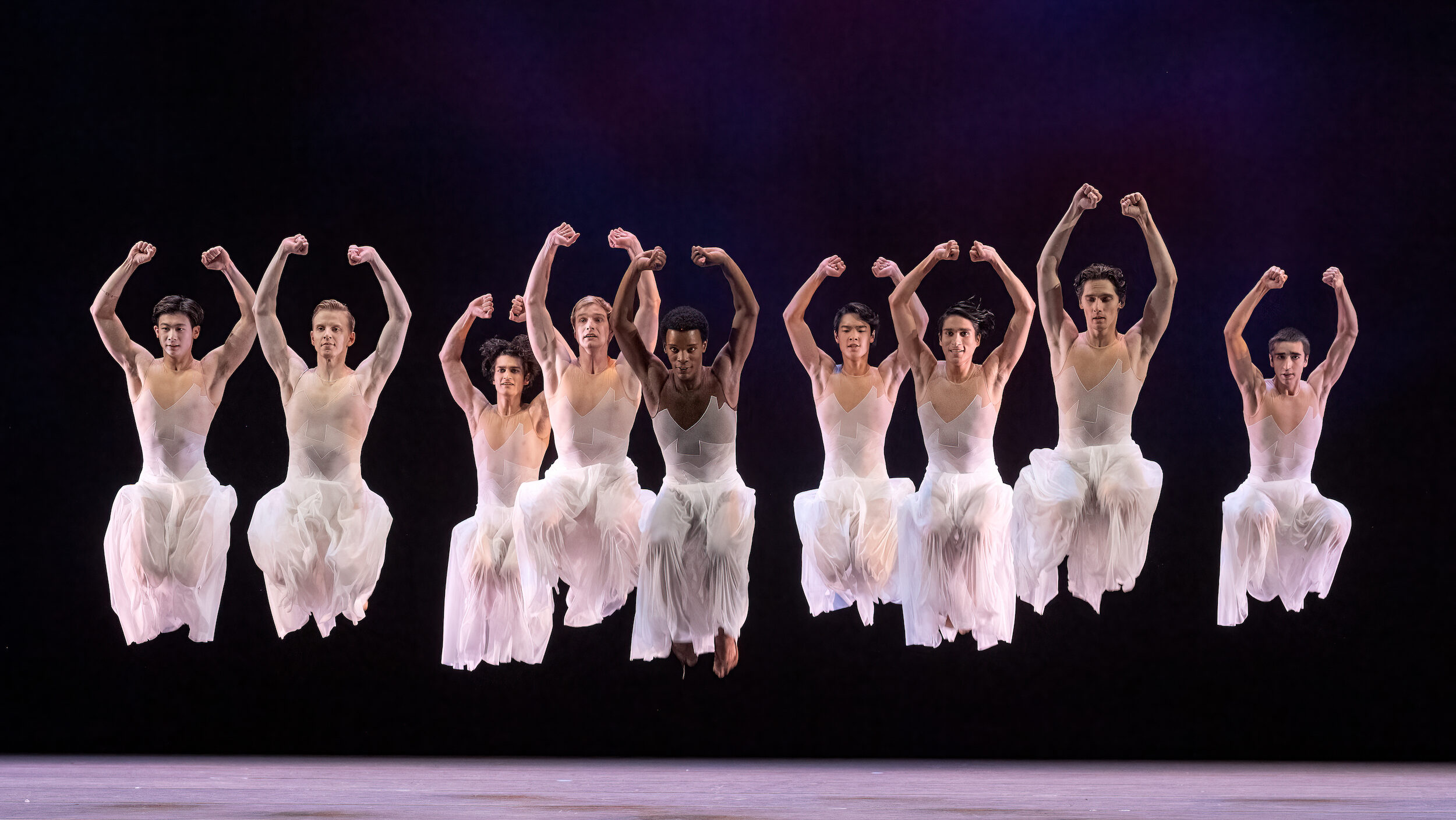
This is an exciting era for Dutch National Ballet. Led by longtime artistic director Ted Brandsen, the company tours to New York City this month—the first time in 40 years—bringing its star dancers and showcasing the company’s growth during his tenure. The performances, November 20–22 at New York City Center, will feature two programs with works by Brandsen, Hans van Manen, Alexei Ratmansky, Wubkje Kuindersma, Jerome Robbins, Mthuthuzeli November, and Jiří Kylián.
The tour serves as a testament to Brandsen’s leadership as he prepares to step down next summer after more than two decades. His exit is in keeping with Dutch government policy, which ends contracts of subsidized organizations’ employees at age 67. “I am very fortunate to have been able to be in this position for a long time and do this work I absolutely love,” he says. “It’s time to give this privilege over to someone else.”
That someone is Ernst Meisner, DNB’sassociate director of talent development and the artistic director of its junior company. The organization’s board of directors chose Meisner last December after an international selection procedure.
“I was quite happy with the decision,” says Brandsen. “From the start, I told the board that you already had the right person here who is smart, knows the company, and has a great vision for it. Ernst is going to bring new things, but also ensure a certain amount of continuity.”
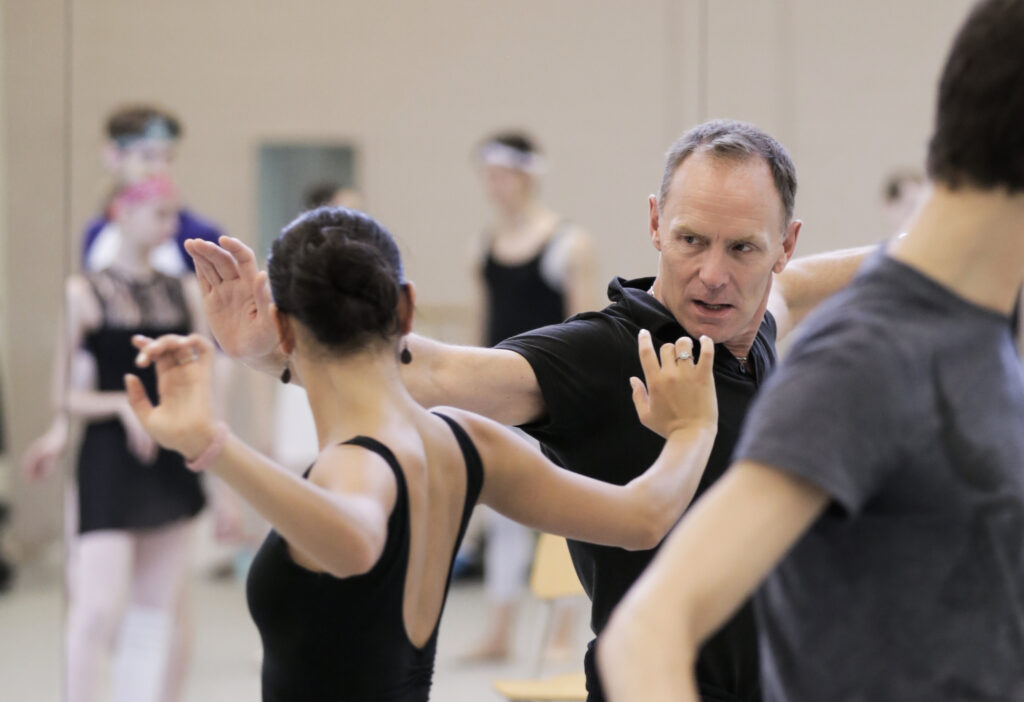
Meisner, like Brandsen, was born in the Netherlands and danced with Dutch National Ballet after 10 years with The Royal Ballet. He says he will continue building on his predecessor’s legacy. Brandsen, who became artistic director in 2003 after leading West Australian Ballet for four years, helped turn DNB into an international powerhouse. He stabilized the company’s finances and both nurtured and attracted major dance talent, including former Bolshoi stars Olga Smirnova and Jacopo Tissi. Brandsen brought on associate artists David Dawson and Alexei Ratmansky to join senior company choreographer Hans van Manen; additionally, he produced several major productions, including Mata Hari (2016), a reinterpreted Raymonda (2022), and Helen Pickett’s Lady Macbeth (2025).
Meisner says his vision is firmly rooted in what he calls DNB’s three pillars: big classical ballets, the work of great 20th- and 21st-century choreographers, and commissioning new choreographers and creations. “We are constantly examining our world and identifying the stories we want to tell and need to tell,” says Meisner. He has been working with Brandsen to plan DNB’s 2026–27 season, the first under his leadership. He says that audiences will begin to see his mark on the company’s programming with works by three choreographers new to DNB, whose names he has yet to announce.
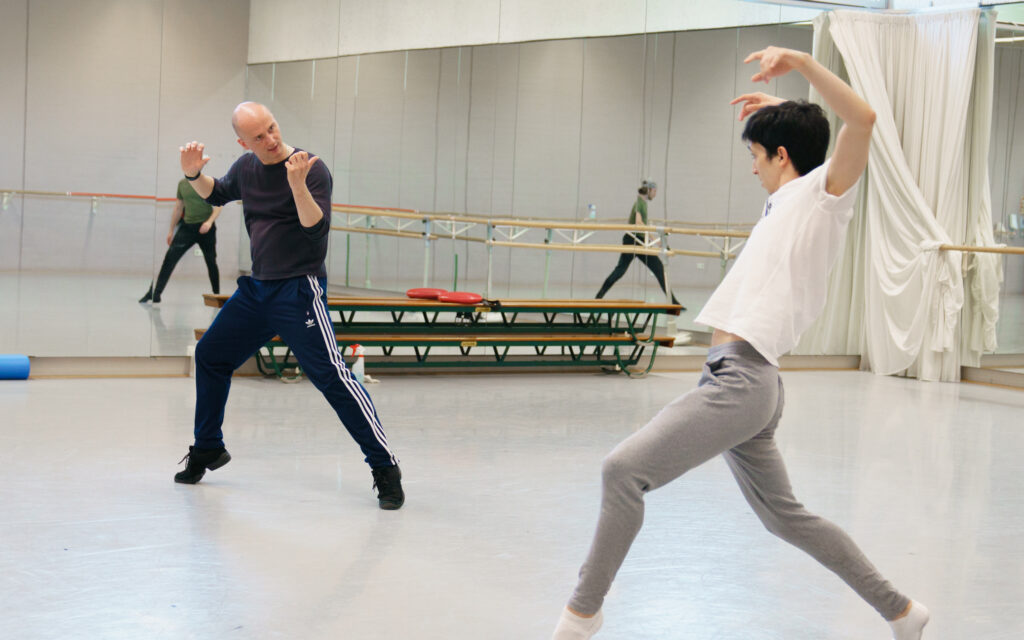
“The identity of this company is in its choreographers, including van Manen, Dawson, and now Ratmansky,” says Meisner. “I will be looking at what beautiful new voices we can add to that palette.” Meisner says he will stick with the no-frills approach the company takes to dance, as seen in van Manen’s ballets. “It’s the body that speaks and the body that tells the story,” says Meisner.
He’ll scout new dancers with these various choreographers in mind. “I am not interested in a single look for our dancers, because I don’t think that exists. I am interested in really good dancers who want and need to dance. I believe one of the strengths of the company is that we are a melting pot.”
Brandsen says that one of the biggest challenges facing any new director is gaining the trust of audiences. “You need to establish with them that you are going to present quality programming, things they want to see, and things they didn’t know they wanted to see,” he says. “Bring them surprises, new things, and a new vision of what dance can be. This will take some time.”

As for what he will do next, Brandsen says: “I have a couple of projects in mind, but I really look forward to having more time for other things in life. I will also be moving away. I live very close to the theater now, and I don’t want to be the old boss hanging around.” He hasn’t ruled out running another company, either. “If I am being asked to do so, and I can help out somewhere, I would certainly consider it,” he says.
Meisner says what he gets most excited about is “when the curtain goes up and the dancers dance their hearts out, making a connection with the audience,” says Meisner. “Through that connection, we all understand one another and, for a moment, feel better in a way that helps us grow.”