How WINN Dance, a New Company for Performers Over 40, Is Changing the Conversation Around Aging

“Age is a big deal in dance,” Nora Kimball tells Pointe on a call from her home in Frankfurt, Germany. The US-born dancer, now 69, has enjoyed an illustrious and varied career with companies ranging from American Ballet Theatre to Nederlands Dans Theater and William Forsythe’s Ballet Frankfurt. “Musicians and fine artists can play and paint until they die, and actors can age onstage. But the body is the instrument of dance. There is no other violin to polish, no other paintbrush or color except that. The maintenance of the body is essential to the capacity of performance.”
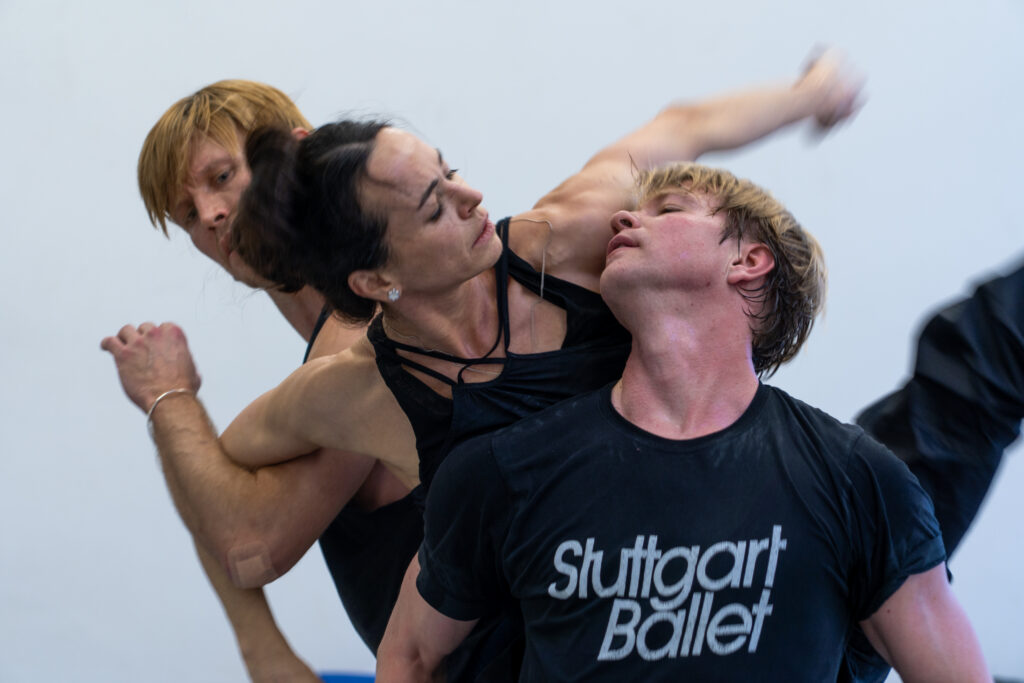
Despite this reality, Kimball has never officially retired and continues to dance in a variety of projects. Her latest engagement is with WINN Dance, a new Stuttgart-based company for dancers ages 40 and over. An acronym for “when, if not now,” WINN will premiere its first two-part program at the Venice Dance Biennale on July 31 and August 1 before embarking on an international tour.
Age as Artistic Advantage
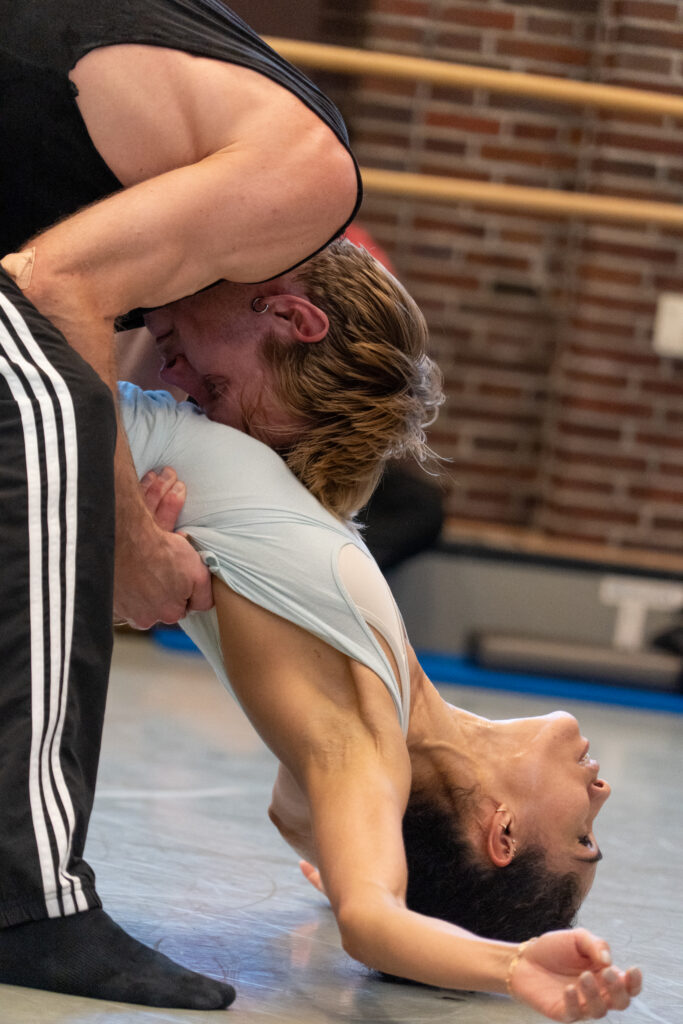
Kimball is part of a star-studded ensemble including former Mariinsky principal Diana Vishneva, Staatsballett Berlin guest principal Polina Semionova, and Dutch National Ballet star Igone de Jongh. While forming WINN, co-founders and directors Marijn Rademaker, a former Stuttgart Ballet and Dutch National Ballet principal, and Slava Tutukin, a dancer-turned-cultural-strategist, reached out to select artists about joining. “Each and every one of them said yes immediately,” says Rademaker. “We’re also getting emails from a lot of older dancers that would like to join.”
Inspired by Rademaker’s memories of watching NDT III—Nederlands Dans Theater’s company for dancers over 40, which closed in 2006 after 15 years—as well as his turbulent experiences with injury, burnout, and retirement, Rademaker and Tutukin initially discussed creating a one-off production featuring mature dancers. Yet they soon decided that developing a longer-term project would offer a greater opportunity to take their message “further into the dance world,” says Tutukin, and “to show that dance isn’t only about youth. It’s about finding beauty at every stage of physical ability.”
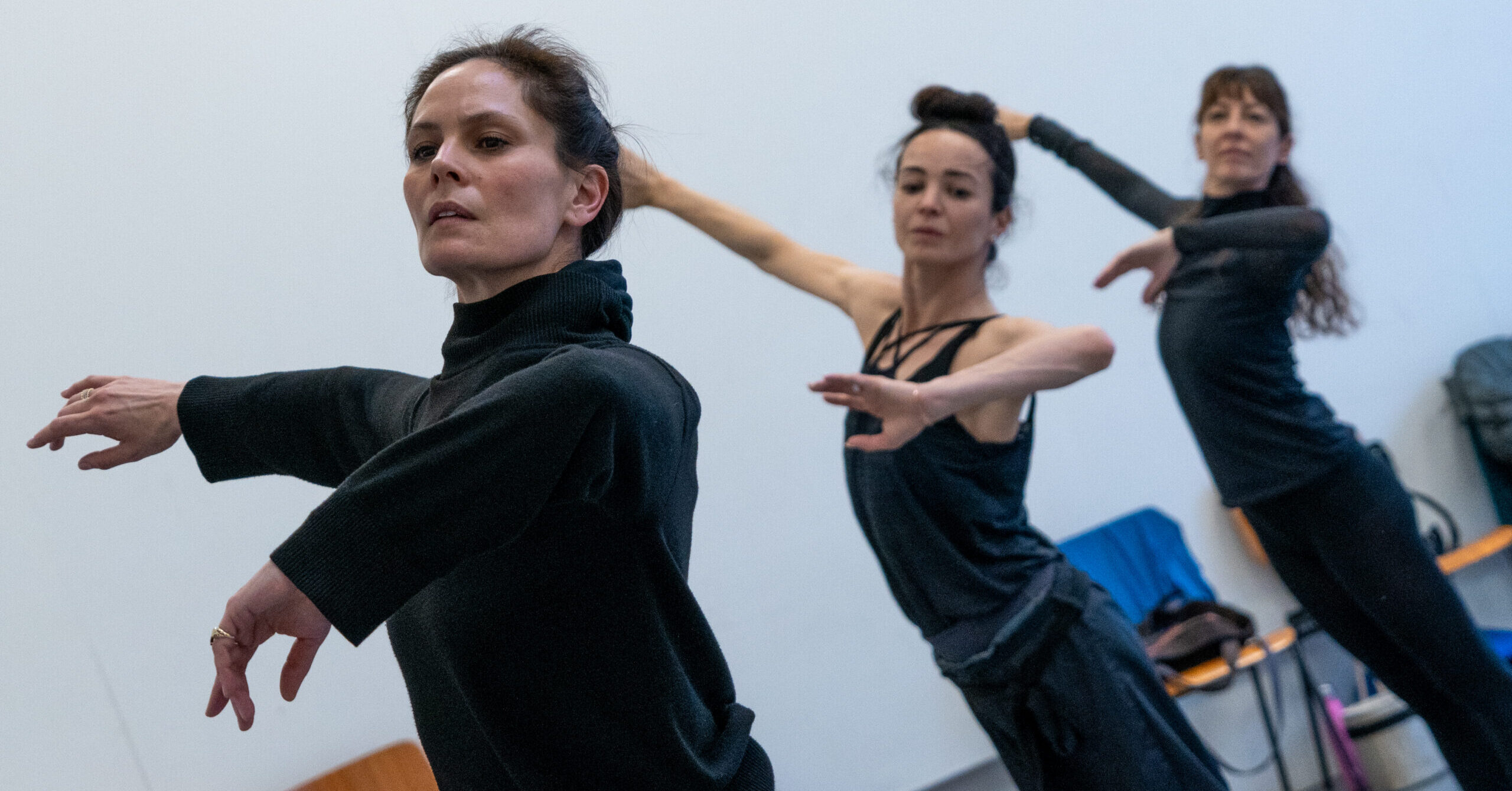
Kimball acknowledges that maintaining a dancer’s body becomes more challenging with age. “Coordination, muscle activity, concentration…when you’re a younger dancer, you have all that power in your body,” she says. “The older you get, you delegate what you really need at the moment.” But working with WINN has also demonstrated how age heightens other abilities. “We have a lot of roles behind us,” says Kimball of her fellow WINN dancers. “In that way, we can offer more; the palette is bigger.” She describes the group’s ability to work together “harmoniously,” and their freedom from ego-driven concerns. “We don’t have to prove anything,” says Rademaker, “and that’s such fertile ground to create on.”
Lifelong Learning
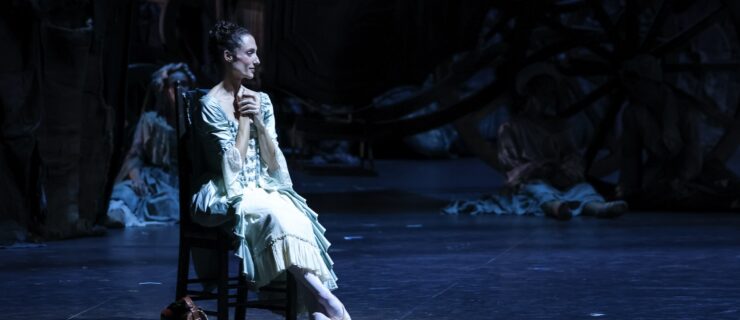
The choreographers invited to till that fertile ground for WINN’s debut programme include siblings Imre and Marne van Opstal, Omar Román de Jesús, and Rainer Behr. They will all contribute sections to WINN’s first work, titled Death in Venice, based on the 1912 novel by Thomas Mann. Meanwhile, legendary former Hamburg Ballet director John Neumeier, himself 87, has created a second work, titled Bridge of Sighs. Costumes for both pieces have been designed by the German fashion brand BOSS.
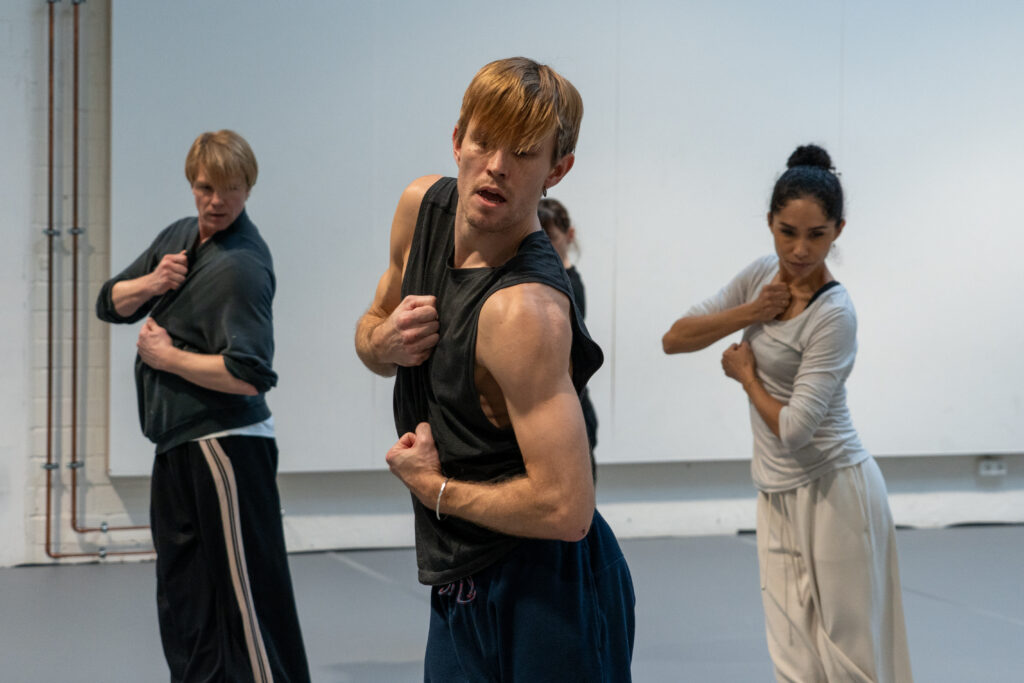
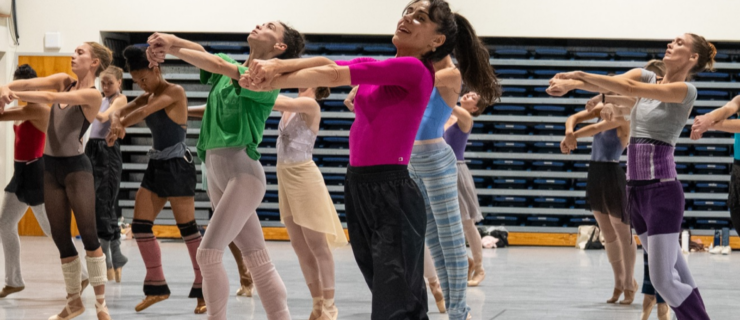
Age diversity among the choreographers was important to Tutukin and Rademaker, who were interested in seeing how established and emerging choreographers would engage with the ensemble. Each brought a different approach: The van Opstals were strongly influenced by their careers with NDT and Batsheva, for example, while Behr brought a Tanztheater sensibility from working with Pina Bausch. This stylistic range enabled the ensemble to continue to explore new dance languages later into their careers.
“It’s about this longing, this process of constantly searching,” says Tutukin. “It’s about finding yourself within your new body, experiences, knowledge, and abilities.” For many older dancers, this process of discovery—not just the performance itself—is largely what makes being part of WINN so compelling. “It’s not like I have to be onstage,” says Kimball, “but the choreographic process of being a muse again is very thrilling.”
Looking to the Future
Rademaker and Tutukin’s ambitions for WINN extend beyond performances and touring. They are currently developing an education program comprising workshops and talks designed to encourage adults to engage with dance later in life. They also hope to foster cross-generational exchange between WINN dancers and younger professionals to share insights into building “healthy, sustainable, and happy careers,” says Tutukin.
Asked whether they hope WINN’s activities might influence established ballet companies, Rademaker and Tutukin enthusiastically imagine residencies and creating a repertoire for older dancers to run alongside other ballet companies’ main-stage programming. “Junior companies are everywhere now,” says Rademaker. “That’s great. But let’s also have the other side of the coin.”