Paris Opéra Ballet Étoile Hugo Marchand Curates an Evening at New York City Center

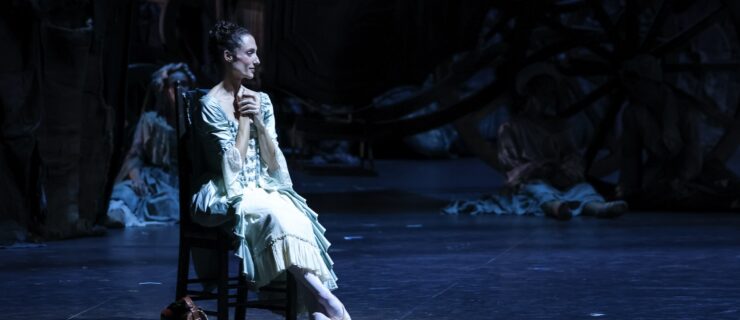
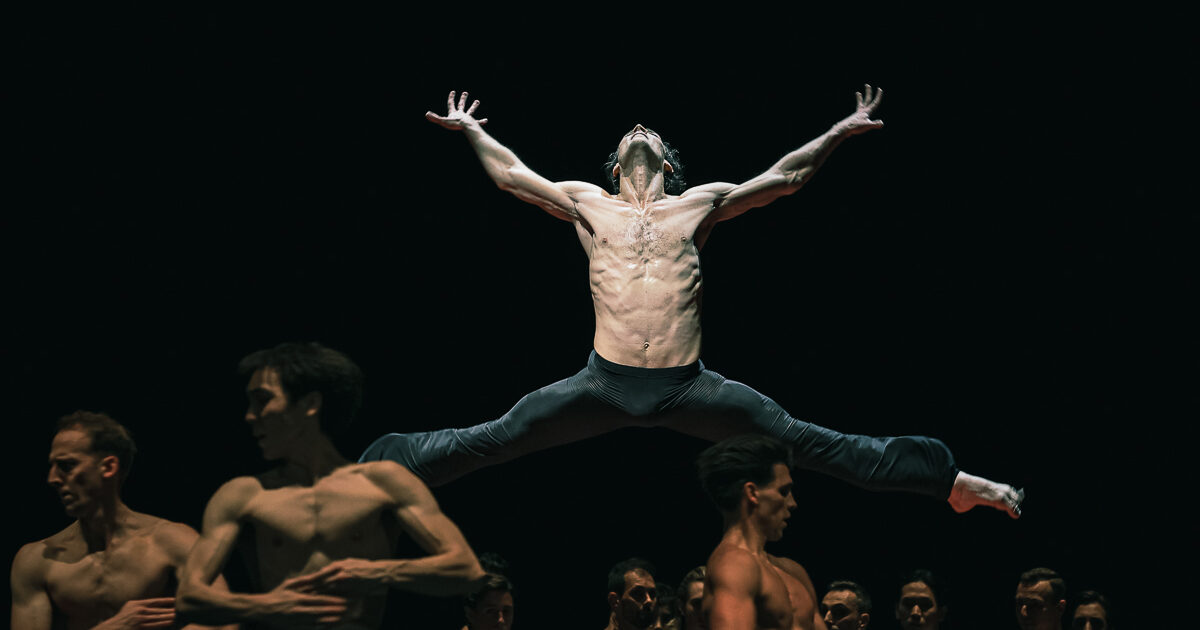
At the Paris Opéra Ballet, Hugo Marchand cuts an unmistakable silhouette: tall, dramatic, and driven by a seriousness that has defined his career since he became an étoile in 2017. Drawn to darker characters, the 32-year-old has made a specialty of complex roles like Mayerling’s Prince Rudolf and Maurice Béjart’s exposed Boléro. Now, American audiences will have a chance to witness his brooding intensity this summer: Boléro is part of a special mixed bill he has curated for New York City Center, opening on July 23.
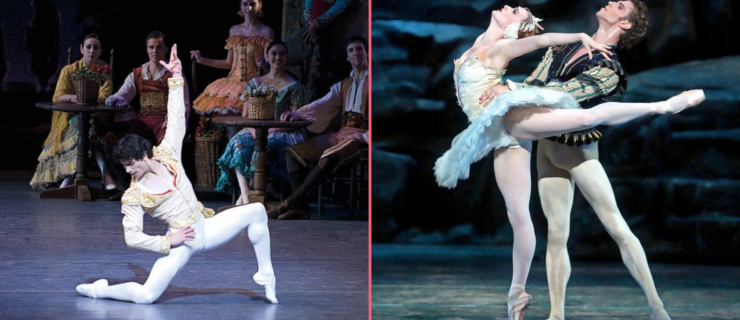
The Switzerland-based Béjart Ballet Lausanne will join him onstage for the occasion, along with fellow POB principals in pas de deux by Balanchine, Angelin Preljocaj, and Carolyn Carlson. A Superstars of Paris gala program follows at Los Angeles’ Music Center from July 31, starring a select group of Marchand’s closest colleagues—including Dorothée Gilbert and Germain Louvet, who will also perform at NYCC, and Hannah O’Neill.
Pointe spoke with Marchand to learn more.
How did this U.S. tour come about?
It all happened thanks to City Center. I met Stanford Makishi, the artistic director for dance, a few years ago when I performed at Fall for Dance. He is very sincere, generous, and open-minded, and we immediately clicked. This season, he asked me to come three times as part of the Artists at the Center program: for Fall for Dance again; for a Studio 5 rehearsal session of Manon, coached by Alessandra Ferri; and for this special evening.
How did you build the City Center program?
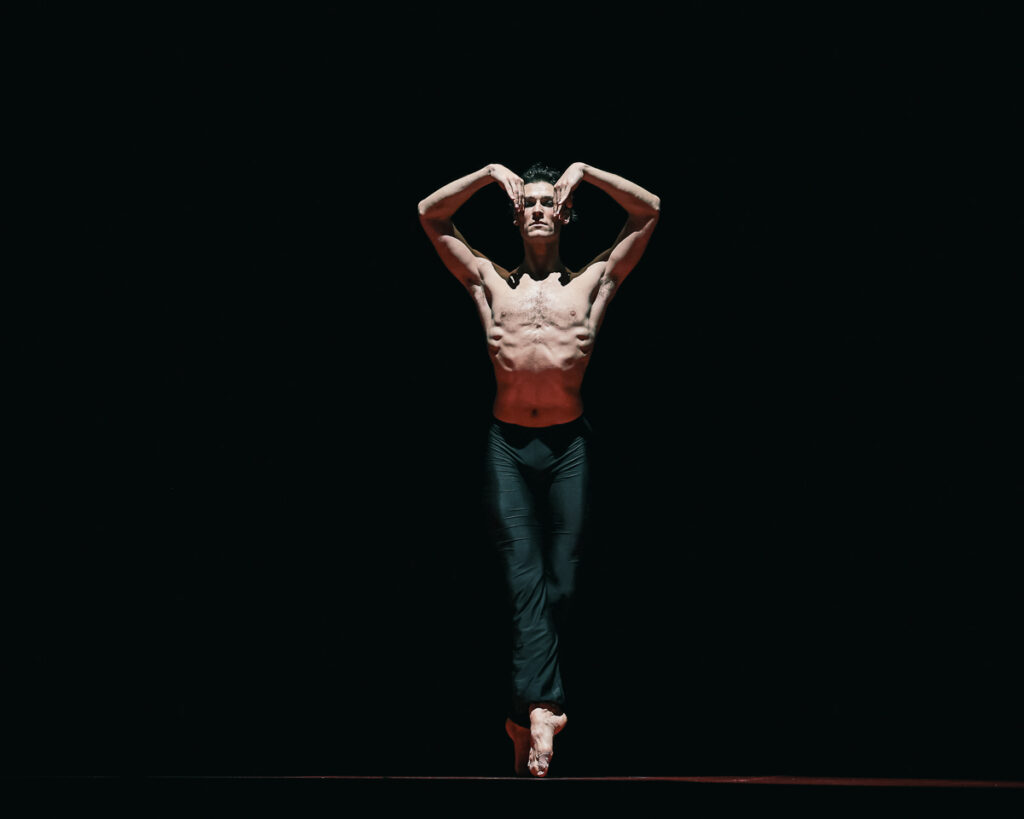
I wanted to celebrate love. It may sound a bit corny, but in a world that is becoming increasingly divided, this program is entirely about reconciliation. We’ll open with Sonatine, a tribute to the ties Balanchine built between France and the U.S. I’m also bringing a piece by Carolyn Carlson, an American choreographer who spent her entire career in France. I also wanted to pay homage to Maurice Béjart, who was fascinated by other cultures and saw dance as a universal language.
The company he founded, Béjart Ballet Lausanne, will join you at City Center for Boléro, and will also perform The Firebird. Was it your idea?
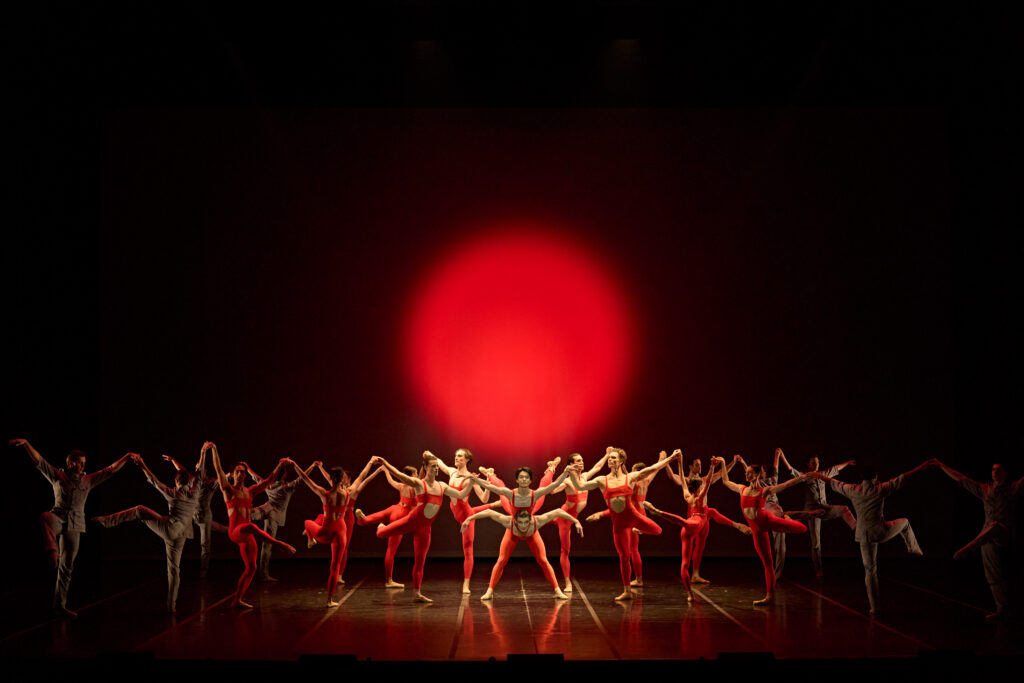
Yes. I thought it would be incredible to bring Boléro back to New York, because it hasn’t been seen there in some time and it’s such an emblematic French work. It’s costly to bring 20 or so Béjart dancers over to do it, but Stanford made it happen. Then we added The Firebird. Béjart’s version has always moved me, and it has a lot of political resonance.
How has your interpretation of Boléro evolved since your debut, in 2023?
It’s a more complex work than it looks. The choreography is at once simple and very precise, and there have been so many interpretations of it. I try to both respect the steps and allow space for my own instincts. To me, Boléro is a ritual, a space where you go into a trance and connect with the dancers around the table. It’s less about competition than about moving toward a kind of sacrifice, as in Rite of Spring.
You will also perform the final pas de deux from Angelin Preljocaj’s Le Parc with Dorothée Gilbert, one of your long-time stage partners, who is set to retire in October. What is it like to dance with her in the lead-up?
I’ve already started to grieve her departure. We’re like an old couple: We know what the other likes and doesn’t like, and we completely trust each other. Dancing Le Parc together on this tour is a gift we’re giving to ourselves—it is the ultimate kiss, the climax.
You recently had to cancel a performance of La Bayadère due to injury. How are you feeling physically?
I’m managing my body, like every dancer past the age of 25. I’ve had a lot of work recently in Paris, with big productions that are hard on the principals, like La Bayadère and Lady of the Camellias. I had to dig deep, and I hope I will make it through everything this summer without hurting myself more.
You’ll celebrate 10 years as an étoile in 2027. How do you look back on this decade?
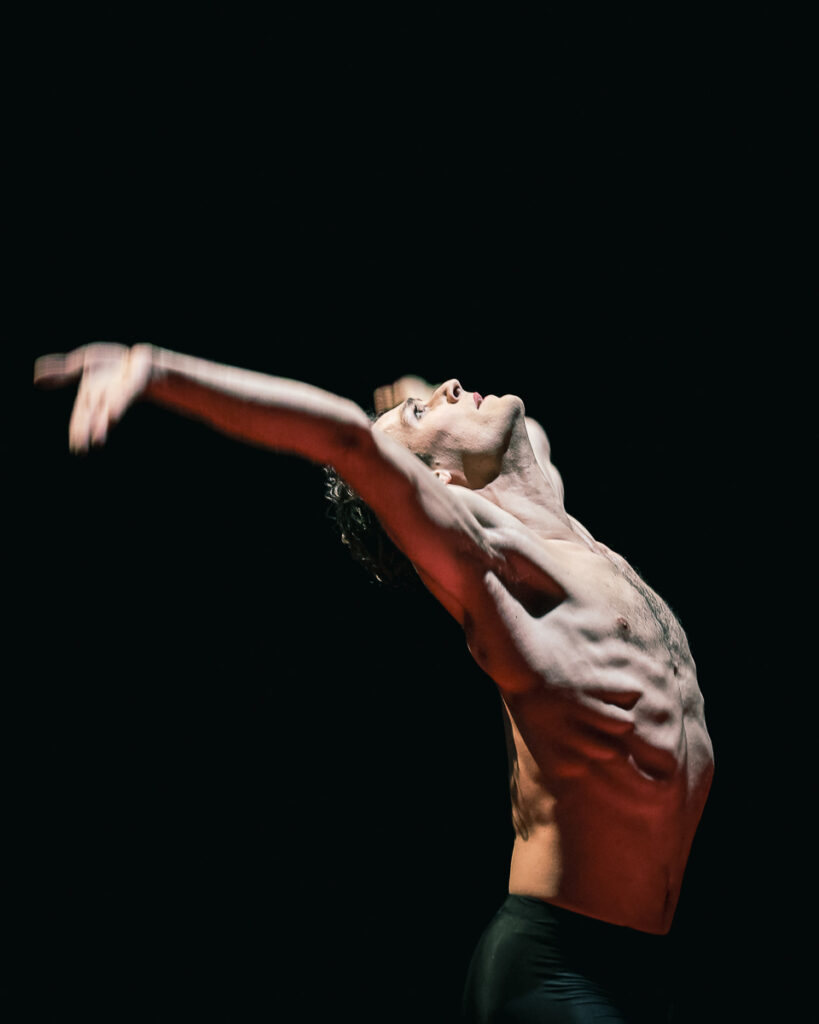
My takeaway is that the Opéra is an incredibly powerful institution that keeps going because people join and people leave. We are only passing through, and we will be forgotten as quickly as we arrived. So I’m working now on developing personal projects on the outside. I love the Opéra and I serve it as best I can. But I think that if that’s all you do, when it’s time to go, you are left with nothing.
In 2022, you launched an association, Hugo Marchand Pour La Danse, that offers gala performances at heritage venues around France for the price of €13 (around $15). What was your motivation?
I had a strong desire to give back to French audiences, who support the Opéra through the taxes they pay. I am a child of the French Republic: I learned to dance for free at a conservatory in Nantes, then at the Paris Opéra Ballet School. My parents only paid for boarding, train tickets, and meals. When we started these performances, €13 was the price of a movie ticket. I want to keep making dance accessible—to use it as a way to bring people together.