When It Comes to Pointe Shoes This Nutcracker Season, Have a Plan

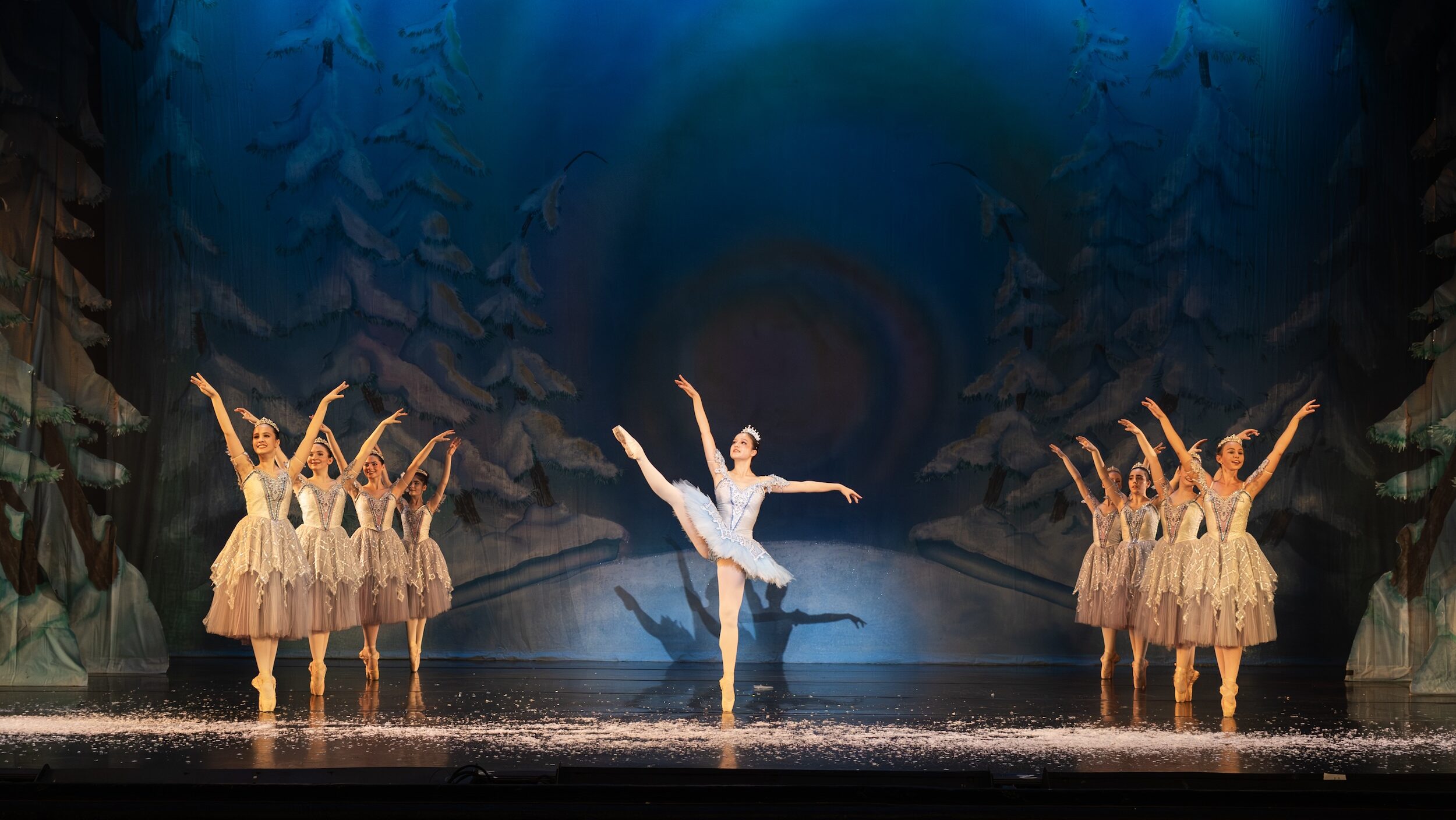
Nutcracker season brings not only magic but long rehearsals, back-to-back performances, and hours dancing on pointe. With pointe shoes being in greater demand this time of year, along with longer wait times and unpredictable supply-chain disruptions, smart planning can help you stay on top of Nutcracker needs. Here are some tips from the experts.
The Magic Number
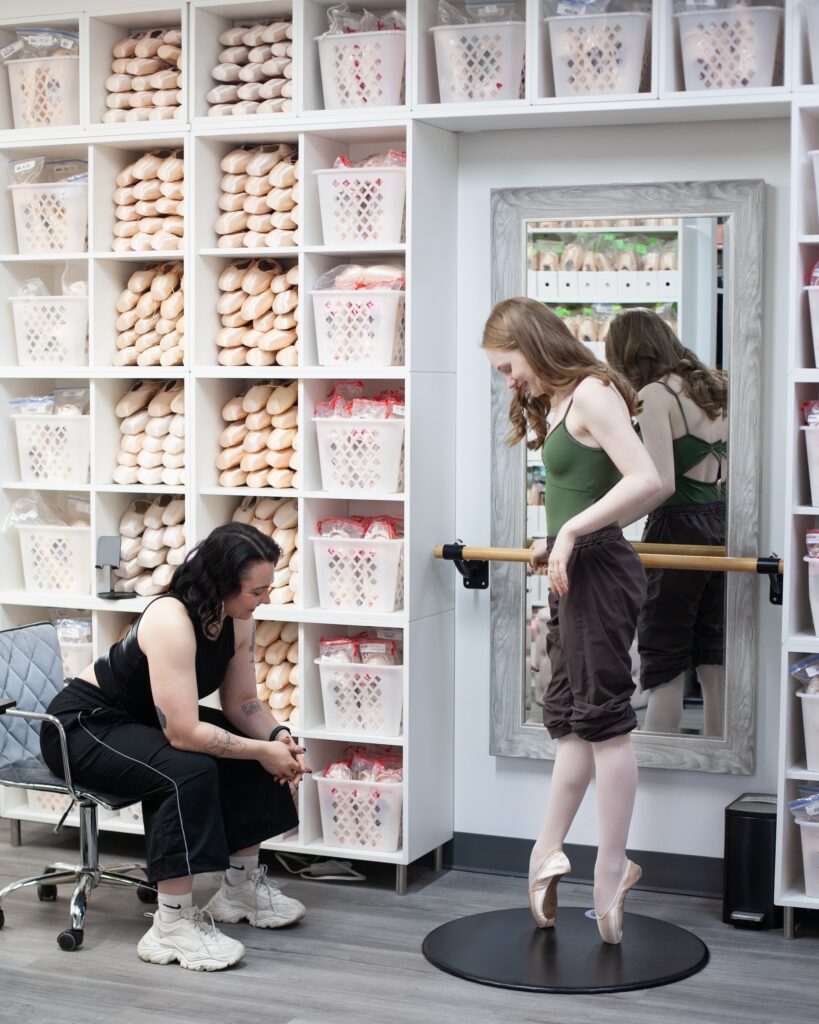
First, determine how many pairs of shoes you’ll need to get through performances—and keep in mind, that number may differ from what your classmates need. Lauren Frere, co-owner of Backstage Dancewear in Webster, Texas, recommends tracking how long one pair lasts you. Then look at your Nutcracker schedule and count how many hours of pointework you’ll likely do to estimate how many pairs you’ll need, “plus another pair if there’s an emergency.”
Think about the demands of each role you’re dancing, too, says Samantha Weissbach, owner of Dancewear Center in Renton, Washington. “If you’re doing a pas de deux and want something that really supports you when you’re spending all your time [on pointe], then maybe something harder. If you’re in the snow scene and want to move quickly and lightly, maybe something a little softer.”
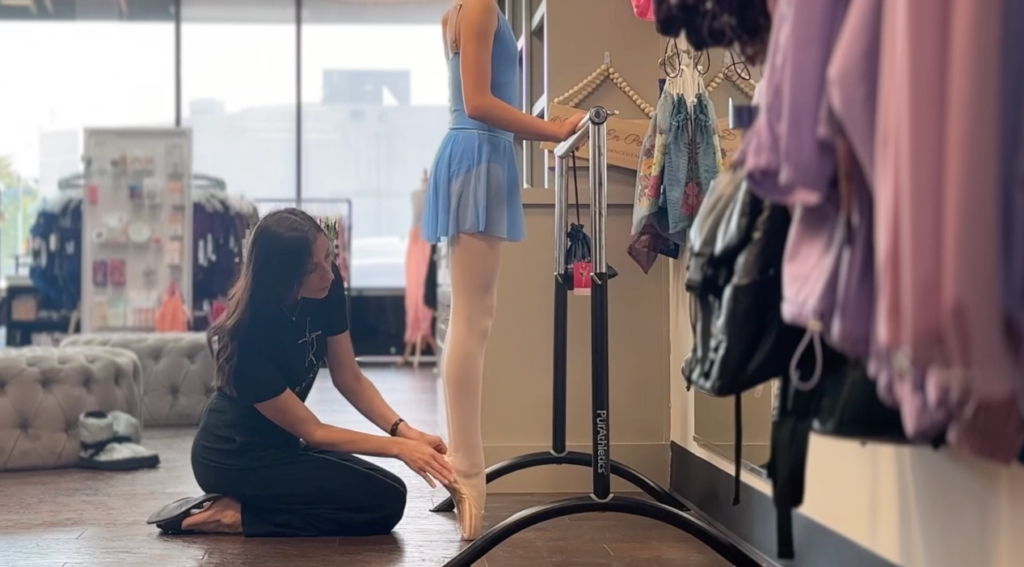
When ordering shoes, delivery times will depend on your brand and model, says Ashleigh Doede, artistic director of Pasadena Dance Theatre, which puts on an annual Nutcracker. “Some are in higher demand than others,” she says. Doede suggests ordering no later than October, but if you’re running later than that, contact your retailer as soon as possible to see what options are available. Given the popularity of certain styles, you may have to buy from multiple stores to get what you need.
Make Them Last
Breaking in your shoes is crucial to getting them performance-ready. “It’s important to find a shoe that requires as little manipulation as possible,” says Weissbach, since making aggressive alterations can shorten its life span. Frere suggests letting your shoes break in naturally by wearing them in pointe class or doing exercises at the barre on your own time. Then, set them aside for performances, says Doede. “If you’re breaking in a pair and think, Wow, these feel amazing!, I would save them. Don’t touch them.”
Sweat, heat, and hard stage floors can all contribute to pointe shoe breakdown. Drying them out can help extend their life, Weissbach says. Take your shoes out of your dance bag (remove any toe pads) and air them out in a cool, dry place away from sunlight. Frere recommends rotating shoes so each pair has enough time to fully dry.
Strategically applying pointe shoe glue can also help a pair last longer. Frere notes that glue is proactive, not reactive. “If you’ve already lost the support of your shoe, there’s not a lot that glue and shellac is going to do for you.” Doede suggests waiting until your shoes have started molding to your feet before applying. Be patient and mindful when getting your shoes performance-ready, she adds. “There’s a lot of prep work, but it’s worth it in the end.”
Have a Fallback Pair
Develop a backup plan in case your shoes don’t arrive on time or you go through them faster than expected. “Since serious supply chain disruptions began in 2020, it’s important to have options,” Weissbach says, referring to delays that, among several other reasons, began during the pandemic and have continued due to the conflict between Russia and Ukraine. Working closely with a retailer who advocates for you can make navigating those obstacles easier. “The more we know a dancer’s needs, the easier it is for us to pivot with them very quickly and make a plan.”
Doede suggests being strategic with backup shoes, especially if they are an entirely new style or a pair you’ve worn previously. “Use them for something that’s not quite as demanding in terms of the pointework you are doing.”
While it’s easy to get caught up in the hubbub of Nutcracker season, don’t let your shoes become an afterthought. “We should treat our shoes like a part of the performance,” says Frere. “They are tools. They are the only way that we can do what we need to do.”