5 Common Performance Pitfalls for Young Dancers to Avoid

Pre-professional dancers spend years honing their technique, but mastering the steps is only half the battle. “Dance is a performing art,” says Evelyn Cisneros Legate, director of the Frederick Quinney Lawson Ballet West Academy in Utah. “Learning how to present yourself onstage is a huge part of our craft.” When most of your training time is spent in the studio, adjusting to the stage can be a challenge. Here are five common errors young performers make—plus tips on how to improve.
No. 1: Dropping Character
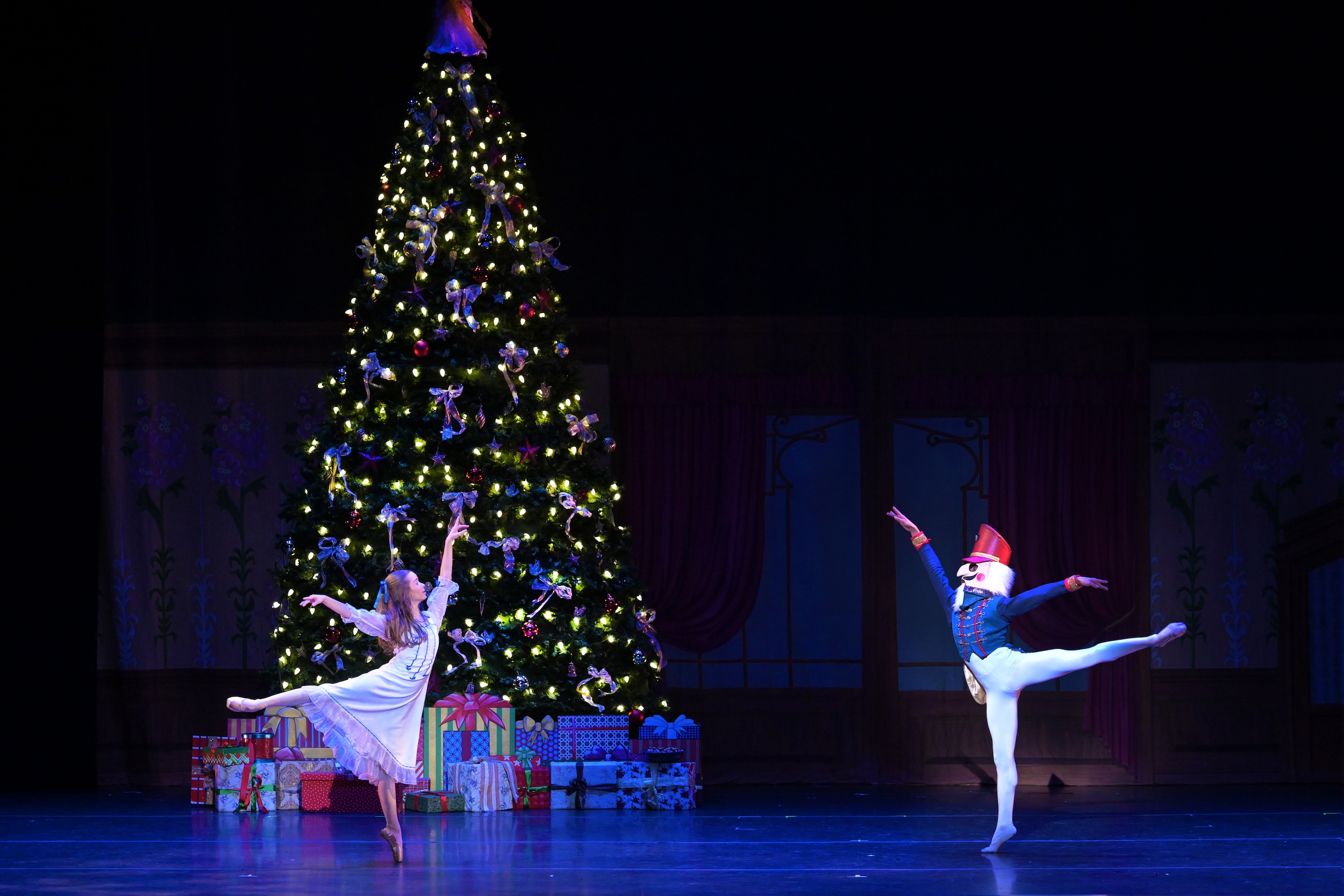
“You have to think about what your face is doing onstage,” Cisneros Legate says. In a story ballet, you’re playing a character. In a nonnarrative piece, you may be trying to evoke a certain mood. “Work on the placement of the head and the focus of the eyes in class,” she advises, “and spend extra time coaching character and expression in rehearsals.” With enough practice, those artistic details will be ingrained in your performance by the time you hit the stage.
But how much practice is “enough”? Peter LeBreton Merz, artistic director of Eglevsky Ballet in Bethpage, New York, recommends making run-throughs part of your routine—for instance, quickly running your variation after each technique class. “When the choreography becomes automatic,” he says, “we can focus on things like épaulement and posture. What is the body saying in each moment?” Even dancers who communicate well with their faces may inadvertently drop character when they turn away from the audience. “Film yourself,” Merz recommends, “to see what the audience sees when your back is turned.”
No. 2: Struggling With Spacing
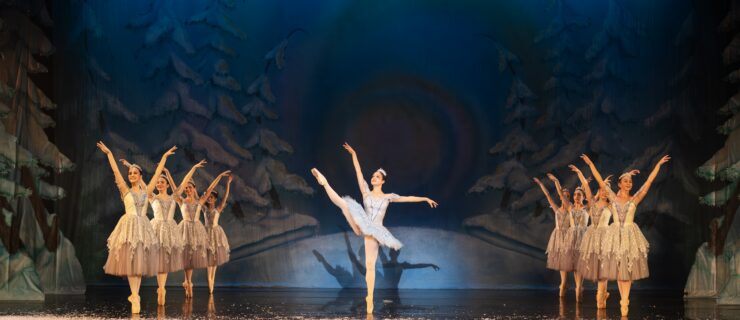
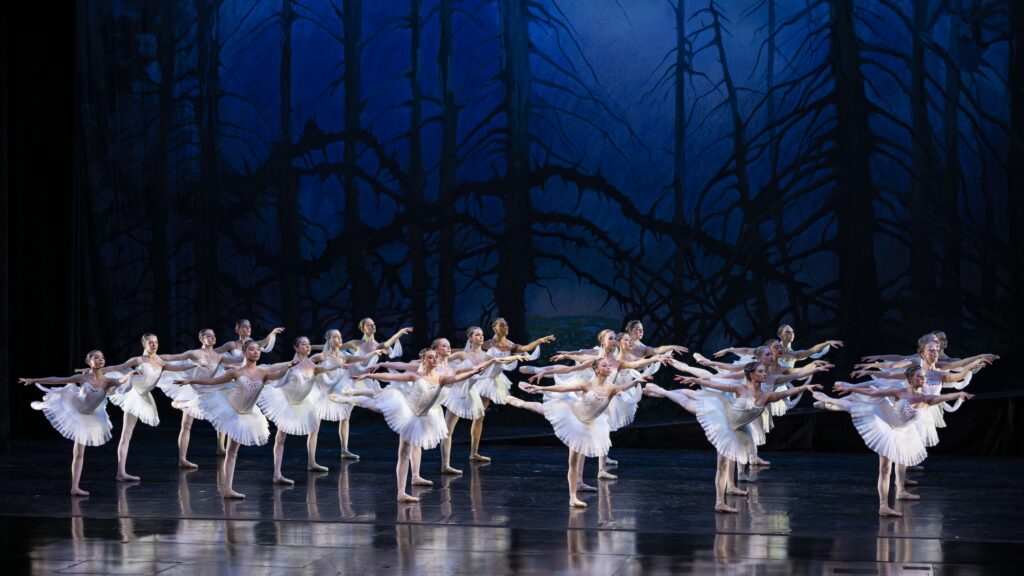
Most dance studios are much smaller than a full stage. “One of the hardest things is to get dancers to move bigger,” Merz says. “But there is so much freedom when you realize that you don’t have to hold back on that final saut de chat!”
Prepare for the stage by dancing as big as you can in rehearsals. This might mean practicing certain sections of a piece separately—for instance, starting a manège all the way in the corner of the studio, so you don’t run out of room. Additionally, be aware that, onstage, you may have to take more steps or lengthen your strides to hit a mark that was closer in the studio. Work with your choreographer or coach to determine how best to travel from point A to point B.
Scale of the space aside, theatrical elements like bright lights can affect you more than you expect. “That big, black void at the front of the stage tends to push dancers backward,” Cisneros Legate says. This instinct to pull away from the darkness of the auditorium can knock you off balance and alter your placement within a choreographic formation. Remind yourself to reach out toward the audience, not retreat from it.

No. 3: Disregarding Entrances and Exits
“Map out your entrances and exits, so you know which wing you’re using each time,” Merz says. If the wings are particularly deep, you may also need to adjust your timing. “You might have to start running onstage sooner,” Cisneros Legate says, “in order to hit your cue.” Finally, confirm how far into the wings the audience can see, so you’re not visible when you shouldn’t be. A good rule of thumb: consider yourself “onstage until you’re all the way past the lights,” Merz says.
Beyond pure logistics, polished entrances and exits show the audience that you’re taking pride in your presentation. “Think of it as how you introduce yourself and how you say goodbye,” Merz says. “This is the frame you put around your performance.”
No. 4: Not Expecting the Unexpected
What if the strap holding up your tutu snaps? What if your pointe shoe slips off your heel? What if you get an itch mid-variation? “The choices you make in the moment, under stress, say a lot about your potential as an artist,” Cisneros Legate says. She adds that not every onstage surprise is a bad one. “If the choreography calls for three pirouettes, but you’re so on your leg that you do more, how do you seamlessly get back on the music?” she asks.
Here’s the thing: You’ve probably already faced these sticky situations in class and rehearsal. “In the studio, when someone’s shoe comes off or their hair falls in their face, I’ll ask, ‘What would you do if this happened onstage?’ ” Merz says. “If it’s an easy fix, maybe you fix it. Otherwise, live in the moment and learn what you need to do to get through it.”
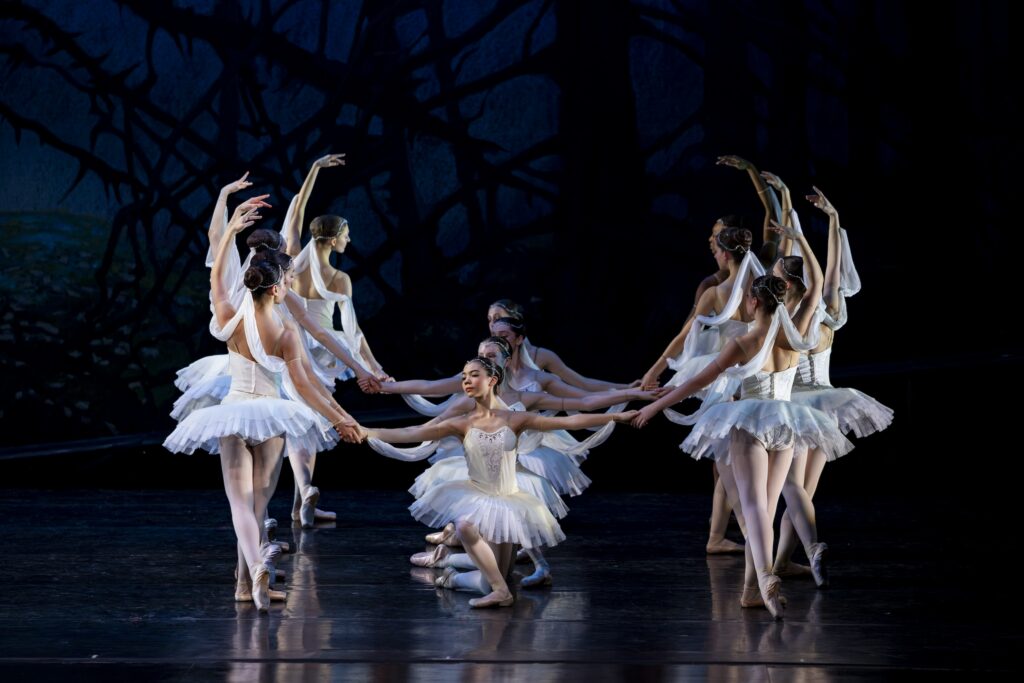
Above all else, don’t quit. One of Cisneros Legate’s biggest pet peeves is dancers who give up—and stopping mid-combination in class can build a bad habit that can be hard to break. Instead, practice the art of commitment. “Seeing things through is a skill in ballet and in the real world,” Cisneros Legate says. “If you make it work, the audience may never know something went wrong.”
No. 5: Overthinking It
“Dancers can put so much pressure on every moment onstage,” Merz says. “If you’re too anxious about the steps, you might miss out on the joy of performance.” While of course you want to dance your best, Merz encourages dancers to focus not on perfection but on connection. “Art is about building bridges,” he says. “It’s more important to move people than to wow them with virtuosity. Our job as performers is to communicate.”