Tommie Lin Kesten, Pittsburgh Ballet Theatre’s Hometown Ballerina

In rehearsals, Tommie Lin Kesten is in it. Even when she’s not dancing, the principal dancer’s eyes are trained on her fellow Pittsburgh Ballet Theatre artists. She asks questions, solves problems, and clocks minutiae. And from the get-go, she’s weaving her character into the steps, whether it’s Sugarplum Fairy or Dracula’s Lucy.
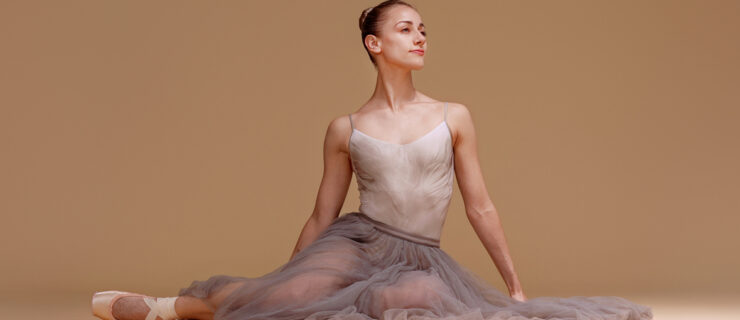
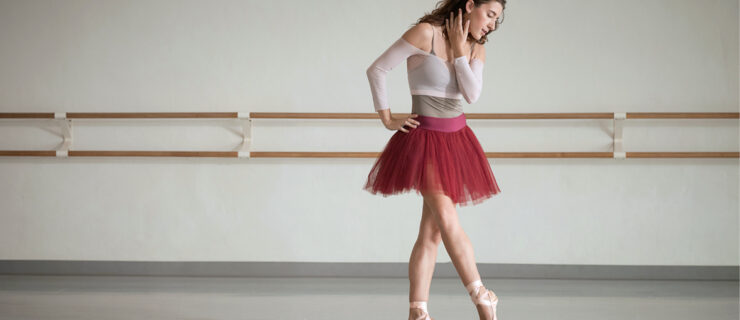
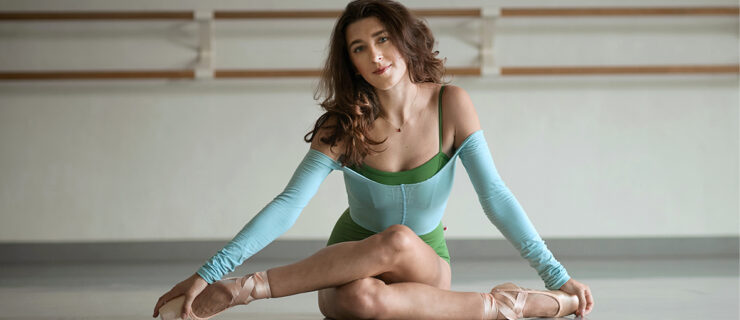
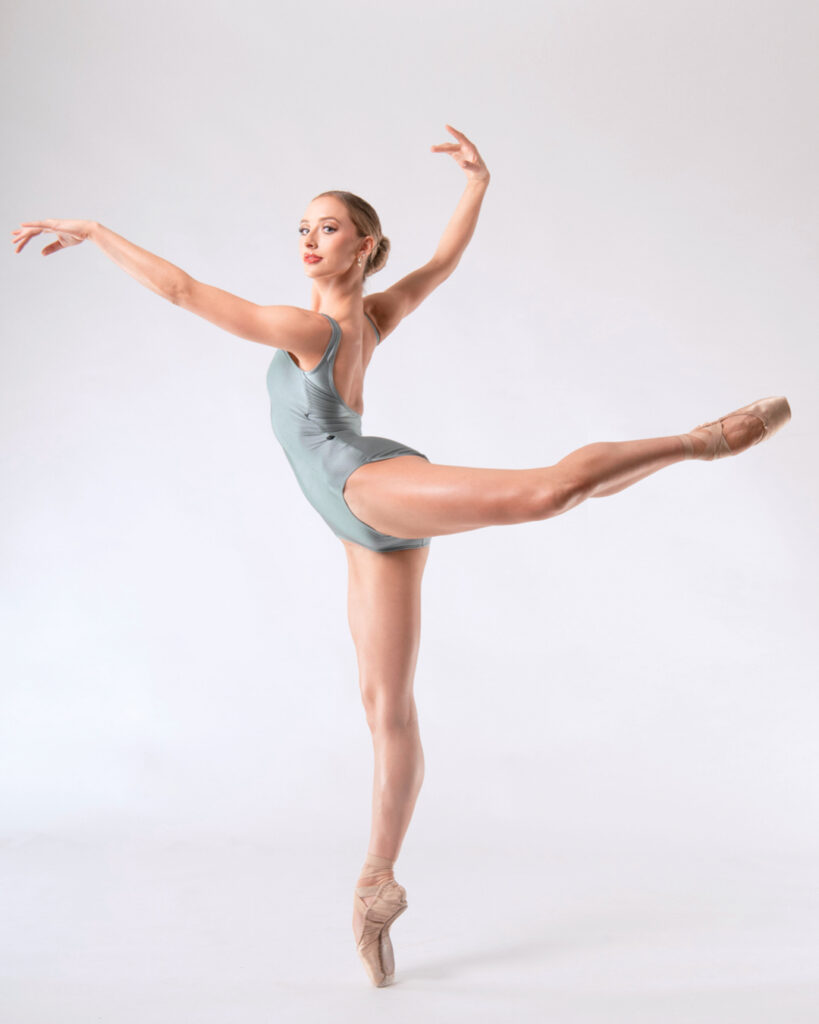
Watching Kesten, it’s easy to be impressed by her natural turns, long lines, and sustained balances. She makes George Balanchine’s notoriously difficult Theme and Variations look easy, and she’s been known to skip a suitor in The Sleeping Beauty’s Rose Adagio attitude balance. In the words of PBT principal Colin McCaslin, Kesten’s frequent partner, “Every day is exciting. You never know what she’s going to pull out!” But it’s Kesten’s total immersion in her craft that really defines her dancing.
“She’s always thinking,” says PBT artistic director Adam McKinney. “There’s so much depth there of artistic experience, of life experience. That comes through immediately.”
At just 25, Kesten already has a healthy portion of PBT’s principal repertoire under her belt. And as much as she prioritizes keeping herself physically strong (“Being able to trust your strength is a big part of making things look easy,” she says), inner toughness has become a hallmark of her process. Most of all, she strives to uncover the relatable, human element in every role.
Local Roots
Born in Pittsburgh, Kesten started dancing as a toddler, receiving the bulk of her childhood training at Studio 19 Dance Complex, a competition school. Ballet was her least favorite genre—she’d hide in the bathroom and refuse to put tights on. But at 11, Steven Piper, artistic director of Ballet Academy of Pittsburgh, came to her studio to substitute-teach her class. Something clicked and she later transferred to BAP to hone in on ballet, where she received Balanchine-style training from Piper, Lindy Mandradjieff, and Damien M. Coro. Three years later, she competed in Youth America Grand Prix’s Pittsburgh regional competition and won the grand prix. “That was pivotal,” she says. “I’d believed in myself as a dancer from day one, but that helped me believe in myself as a ballerina.”
At a later YAGP in 2015, Kesten, then 15, was invited to Miami to audition for Miami City Ballet School’s summer intensive. She went shortly afterwards and was accepted to both its summer and year-round program. “It all happened so fast, but it truly changed the course of my training,” she recalls.
The Darkest Days
Three months before she was scheduled to move to Miami, tragedy struck. Kesten’s 17-year-old brother, Ty, was leading a national motocross race when he passed away in an accident. “My brother and I were best friends,” she says. Reeling, and conflicted, Kesten made the difficult decision to go forward with the move, with her parents’ encouragement. “Those were some of the darkest days,” says Kesten. “I’d moved away from my family and friends after this horrible thing. It’s almost like hitting rock bottom, and then somehow the floor gives out.” But knowing that Ty would have wanted her to follow her dreams, she continued, finding solace in the studio.
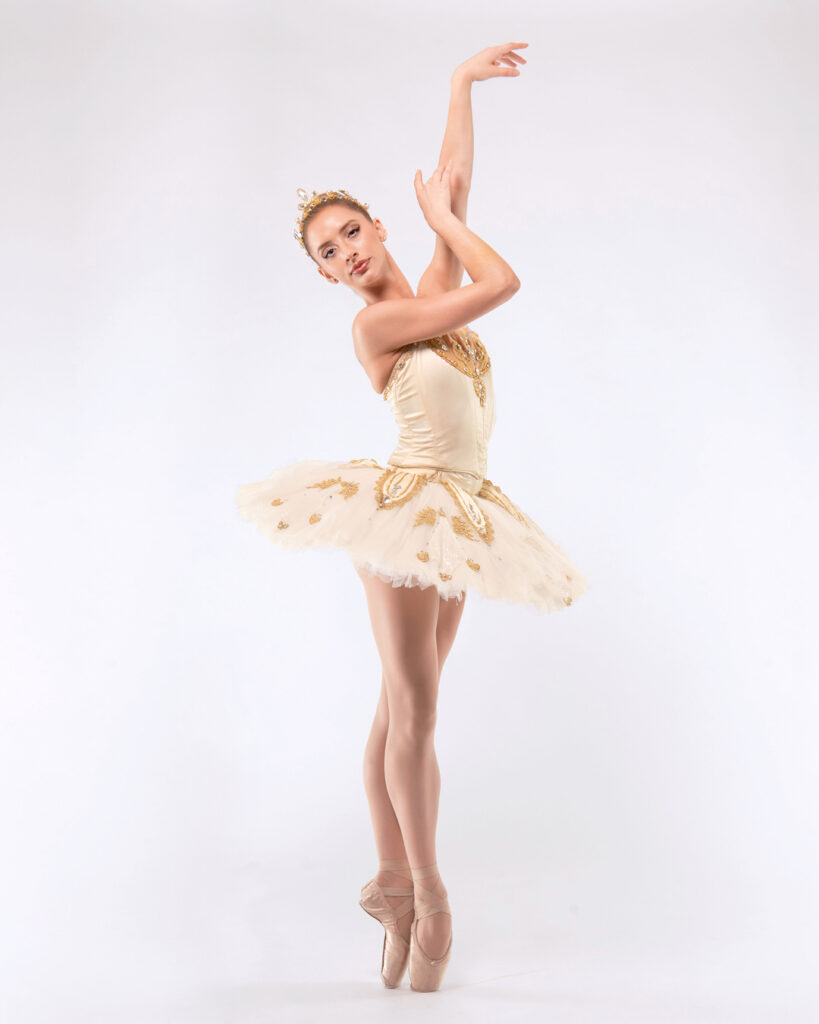
“It was really the dancing itself that carried me through,” she says of processing her grief. “It got me out of bed every day to go into the studio and do what I love. That’s an honor and a privilege—you don’t know what day is going to be your last.” She now channels that experience, imbuing as much of her own lived emotion into the roles she dances.
Kesten gained a taste for professional life at MCBS while performing with the main company in larger ballets. But at the end of the school year, she felt pulled to return home, close to family. “I’m so glad I trusted that feeling,” she reflects.
A Swift Trajectory
At 16, Kesten auditioned for PBT. Then-artistic director Terrence S. Orr was ready to offer her a contract, but she was too young, so she danced in PBT’s Graduate Program for a year first. Once she joined the corps at age 18, Orr didn’t hesitate to cast her in roles like Nutcracker’s Marie, the Tall Girl in Balanchine’s “Rubies,” and The Sleeping Beauty’s Princess Florine. He promoted her to soloist in March 2020. “I was only 19,” Kesten recalls. “I feel like that was his way of investing in me.”
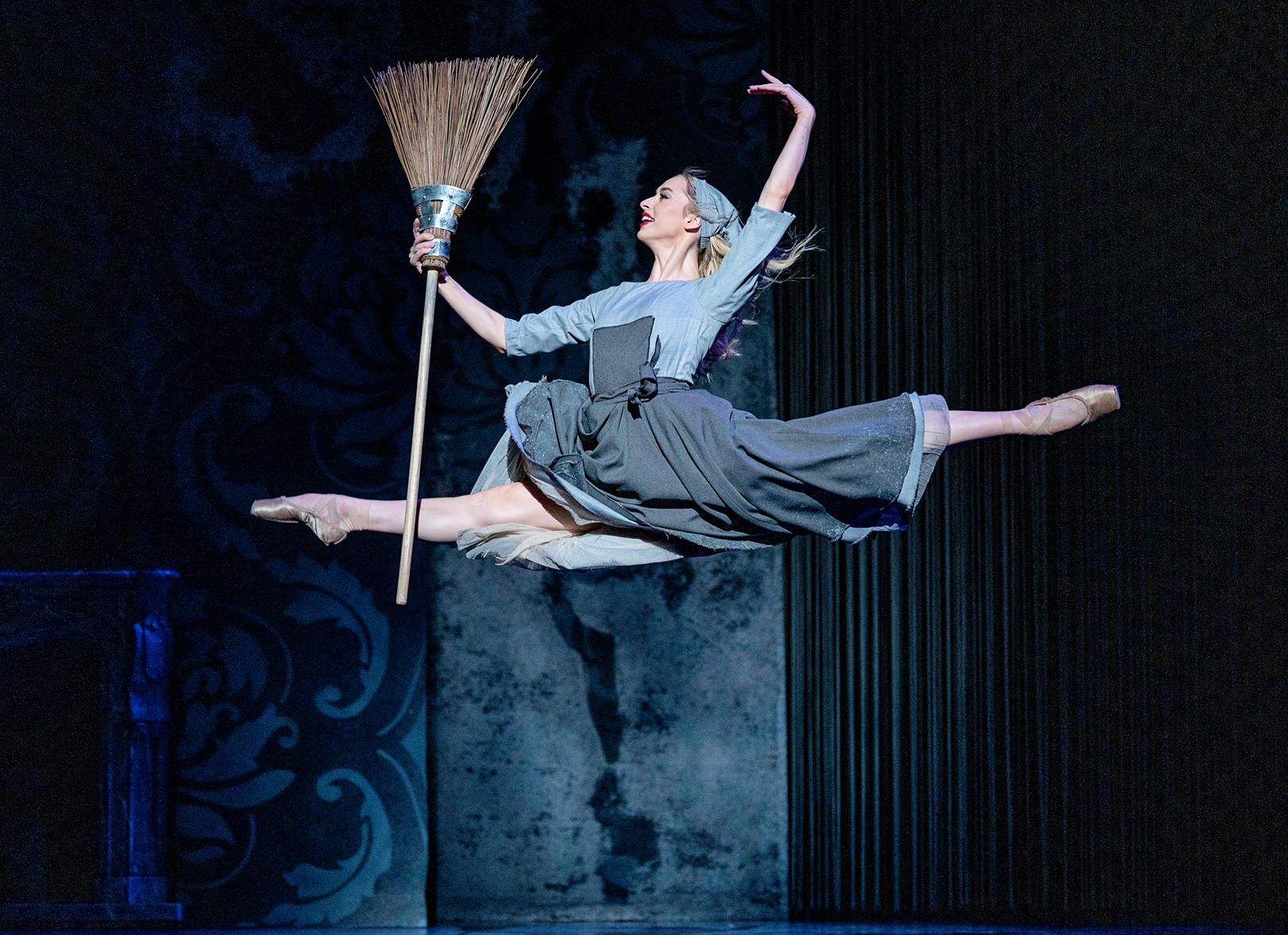
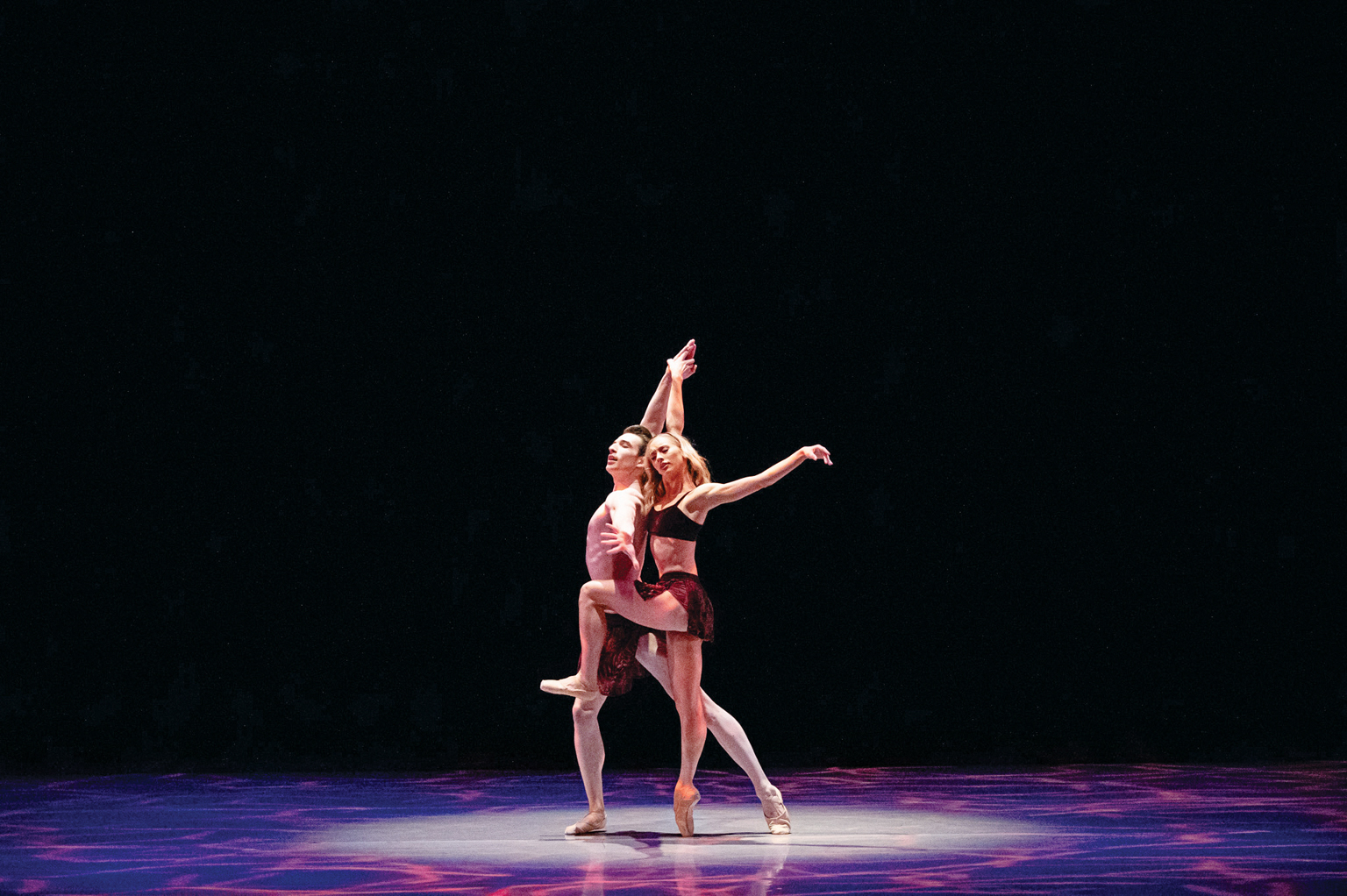
The promotion pushed her to mature as an artist and leader. She continued to grow under Susan Jaffe, who succeeded Orr in July 2020 and led the company through the pandemic. “Susan really pushed me,” says Kesten, who appreciated Jaffe’s one-on-one coaching.
In 2023, two months after McKinney took the helm at PBT, he promoted Kesten to principal onstage after her Aurora debut in The Sleeping Beauty. “I felt the air suck out of the theater with gasps when he announced my name,” she recalls. “It was the coolest experience to share that with my hometown.” At 22, Kesten exceeded her own expectations. But McKinney had known she was ready after witnessing her deliberate in-studio process. “It’s that sense of continued improvement, and she brings people along with her in that,” he says.

McCaslin agrees. “She’s very giving,” he says. “She really dives into whatever she’s doing.”
As such a young principal, Kesten had to come to terms with reaching the top so quickly. “I was raised to always push the needle,” she recalls. Without the next title to strive for, Kesten learned to dig even deeper into her sense of self-motivation. “If you’re already a principal,” she says, “you have to keep being worthy of that. Every day, you have to show up for yourself.”
Pushing for More—and Letting Go
Recently, Kesten has been working on refining and softening her port de bras, enriching her storytelling, and finding work–life balance. A powerhouse technician by nature, she is focusing more on nuance: “Not every step needs your full strength.”
She is trying to be more forgiving in rehearsals, too. Last year while rehearsing Wendy for Trey McIntyre’s Peter Pan, Kesten experienced a pivotal moment. After an hour of rehearsal, répétiteur Dawn Scannelli pulled Kesten aside and told her to relax. “She said, ‘You’re expecting to be performance-perfect as I’m literally teaching you the steps,’ ” recalls Kesten, who hadn’t considered how perfectionism could have been holding her back. That conversation changed her entire artistic approach—something McKinney has noticed. “She’s continuing to peel away the things that no longer make sense for her,” he says. “It’s really beautiful to see.”

Kesten has also been diving further into embodying her roles. Once she learns the choreography, she constructs a narrative to help her “live” in her character. “The internal dialogue is so funny in my head. I truly am just talking to myself the whole time,” she says. In the dressing room, she gets ready in character, no matter the role or genre.
Hometown Ballerina
For McKinney, seeing these artistic qualities already in a 25-year-old principal is thrilling, and he looks forward to continuing to challenge her with more classical full-length roles. Kesten especially hopes to tackle Giselle, Kitri, and Odile.
She also relishes performing in her native city of Pittsburgh. “There’s something about being in my hometown that’s so special,” Kesten says. “I get to dance for all my friends and family.” She adds: “I like to invite the audience into the story with me as much as I can. That’s why when people see me on the street, I’ll stop and talk to them. I want them to know I’m just me, too.”
Kesten volunteers for outreach initiatives and teaches at PBT’s summer intensive and Ballet Academy of Pittsburgh. McKinney describes how, last year, Kesten prepared signed booklets for all 200-plus student Nutcracker performers. “She’s a role model and a mentor,” he says. “She said to me when I promoted her, ‘I want to be the principal artist who gives back.’ ”

Outside of dance, Kesten dotes on her Frenchies, Pork and Beans, and loves spending time with her parents, who live a few streets away. At home, she cold-plunges every night to manage inflammation and prioritizes eating well-balanced meals, weight-lifting, and taking time to rest. (Aside from some labral tears in her left hip, which she has managed with platelet-rich-plasma injections and physical therapy, Kesten has not had any major injuries.) “You have to fuel yourself to dance,” she says. “And recovery is just as important as strengthening.”
One day, Kesten hopes to run her own business, and she says that ballet will always be in her life. But no matter what she does, she wants to live to her fullest: “An arrow can only be propelled forward if it’s pulled back—it’s important not to lose the joy of living.”