What Dancers Can Expect When Moving to a Smaller City

After living and dancing outside of Boston for the first 18 years of her life, Saint Louis Ballet company member Olivia Cornelius moved to Seattle for the Pacific Northwest Ballet School’s professional division. “I love Boston and its city environment, and Seattle was another large city with the same fast-paced feeling,” she says. A year later, Cornelius moved to Missouri to accept a position with Saint Louis Ballet. St. Louis’ population is about a third the size of Seattle’s, and is also landlocked, unlike Cornelius’ previous homes. “It took time for me to navigate the culture, the people,” she says. “Even the way the city is built was so different.”
Moving to a large metropolitan area for ballet training is a rite of passage for many dancers, but ballet companies exist in cities of all sizes—and small cities have a lot to offer, like a lower cost of living, close-knit communities, and equally great performance opportunities. What can dancers expect when moving to a smaller city or town for a company contract?
Company Life
Randolph Fernandez remembers visiting a friend who danced with Oklahoma City Ballet. “I was happy for him, but I was like, ‘I would never move to Oklahoma City to dance.’ ” he says. Despite having a population of about 712,000 people, the spread-out nature of the city makes it feel less populated. The next year, when Fernandez was leaving Philadelphia Ballet, he decided to give the city and company a second look. “I knew OKCB had just acquired a new building,” says Fernandez, now a company soloist. “I was in awe of the space and thought, Wow, this is better than the studios in big cities like Boston or Philadelphia or Miami. They’re really investing in the space, so as a dancer, it made me feel like they’re also going to invest in me.”
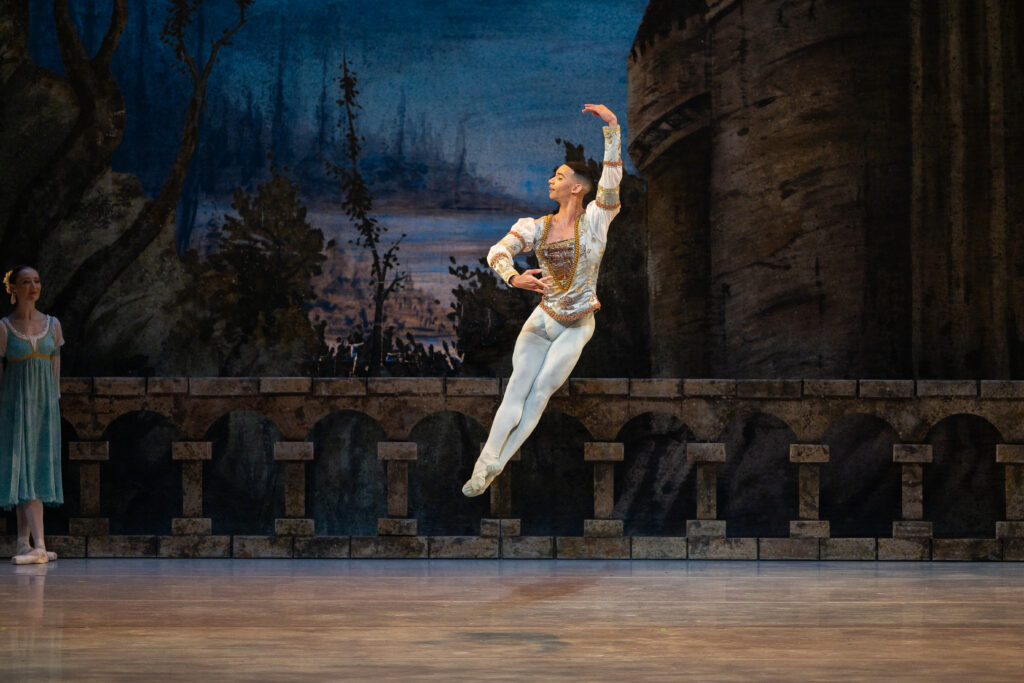
Major cities may be known for their performing arts and cultural institutions, but smaller cities and towns can also have thriving arts scenes and engaged audiences. “The people of St. Louis really love the arts, and they want to come and see the local productions and showings,” Cornelius says. “The arts community here really rallies and comes together.”
Don’t discount small cities for big-name choreography, either. Aurora Grace Chernis and Natalie Taylor joined Grand Rapids Ballet this season as a trainee and an apprentice, respectively. Grand Rapids, located in western Michigan, has a population of about 200,000 people. Prior to that, Chernis and Taylor had both grown up in the Bay Area and moved to Florida to dance with Orlando Ballet’s second company. Chernis and Taylor were drawn to Grand Rapids Ballet after artistic director James Sofranko set his version of Romeo and Juliet on Orlando Ballet.

Despite not having been part of the company for long, they are both excited to be rehearsing new works, like the premiere of Penny Saunders’ Sherlock. “We’re also rehearsing Swan Lake, which is one of my dream ballets,” Taylor says. “As well as Justin Peck’s In the Countenance of Kings. We’re only the third company who has gotten to perform it.”
Similarly, Fernandez cites OKCB’s rep as one reason he’s stayed with the company for so long. “The level of repertoire that we do here is just as good as the top 10 ballet companies in big cities, the facilities are beautiful, and the people of Oklahoma in general are just so nice that now I’ve been here for nine seasons,” he says.
Outside the Studio
Smaller cities may have fewer resources than larger metropolitan areas, like reliable or robust public transportation systems. Dancers might find themselves needing to buy a car or get a driver’s license for the first time. That was the case for Fernandez, who left Boston at age 15 to train at Central Pennsylvania Youth Ballet and started his professional career at Philadelphia Ballet. He got around by bicycle and public transit until joining OKCB. “I didn’t get my license until I was 25,” he says. “Everything is spread out in Oklahoma. The joke here is that everything’s a 15-minute drive away. It doesn’t matter how far or how close, everything’s a 15-minute drive.”
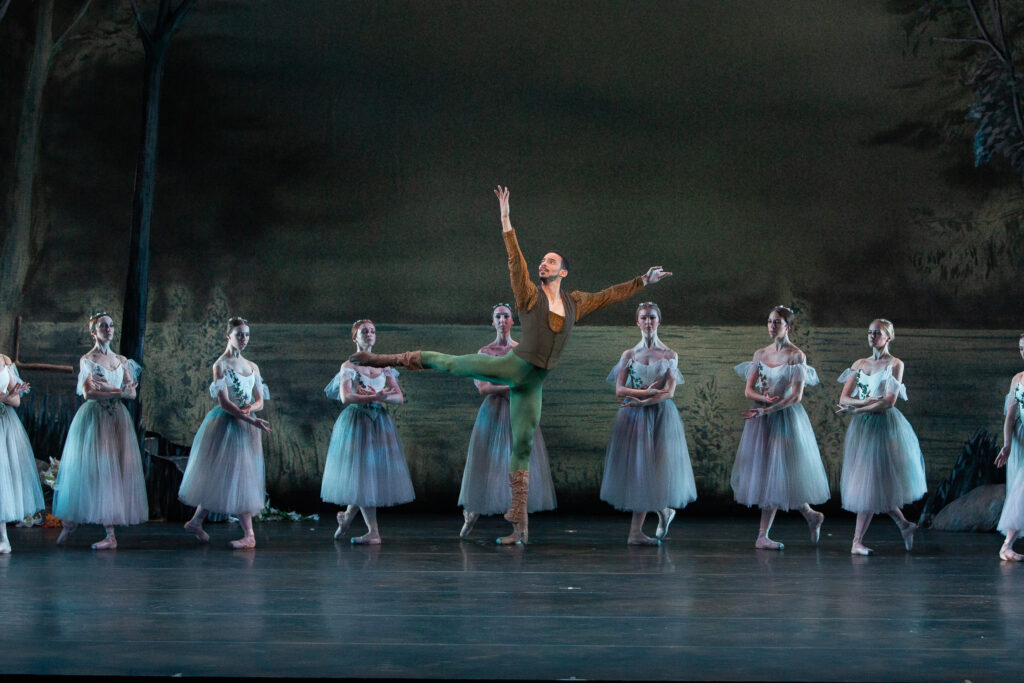
On the other hand, some smaller cities may not require as much driving. Chernis and Taylor are enjoying the walkability of their new home. “It’s super-cutesy,” Chernis says. “Here we can walk to the gym and to the ballet studio. There’s a ton of restaurants and a coffee shop just down the street.”
In small cities, a lower cost of living can change a dancer’s life. Fernandez can support himself entirely on his dancer’s salary, but chooses to supplement his income with a second job to fund his interests, like travel and studying to become a certified sommelier. “I’m able to take a deep breath, because things don’t cost as much as they would in a big city,” he says.
That said, some up-and-coming areas like Grand Rapids can experience a spike in housing costs due to increased demand. “There’s a bit of a housing crisis because everyone is moving here,” says Chernis, who is paying roughly the same in rent as she did in Orlando.

Smaller cities often carry the community vibe of a small town. Cornelius was initially surprised by how welcoming people are in St. Louis. “In Boston, everyone’s on their own path, going where they’re going. Here, people stop on the street and have a conversation, which is so different and was weird for me at first. But I started really liking it. It’s much more friendly and nice.”
How to Acclimate
It takes time, effort, and patience to adjust to a new city, regardless of size. Cornelius got to know St. Louis by playing tourist. “My roommate and I took it upon ourselves to try new restaurants and go to the museums. There’s a great zoo here,” she says. “As you do things, you get to talk to people about the more niche things that you wouldn’t find on your own. Talk with your new co-workers and take their recommendations.”

Fernandez encourages people to always accept an invitation from a local. “You can learn so much from people who’ve lived here their whole lives,” he says. “You go to one event, meet five people that invite you to five events, and then it snowballs from there.” Fernandez and Cornelius also both made friends outside of the studio through their second jobs—Fernandez is a bartender and wedding photographer, and Cornelius works for a wellness center.
Cornelius advises dancers to withhold judgment about a new place until they get to see it for themselves. “There’s so much that the city has to offer, and when I was researching what St. Louis was like before I came here, I wasn’t finding it,” she says. “Now I’ve grown to love this place. It’s very charming.”