Akram Khan Rewrites the Narrative for Lady Macbeth at Royal Danish Ballet

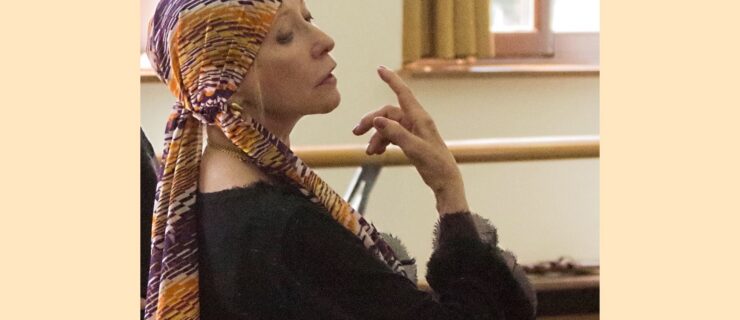
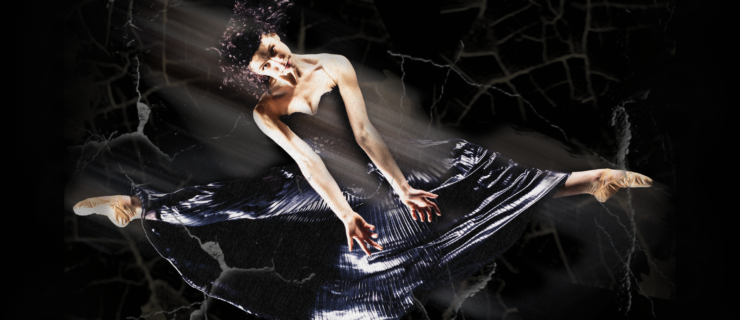
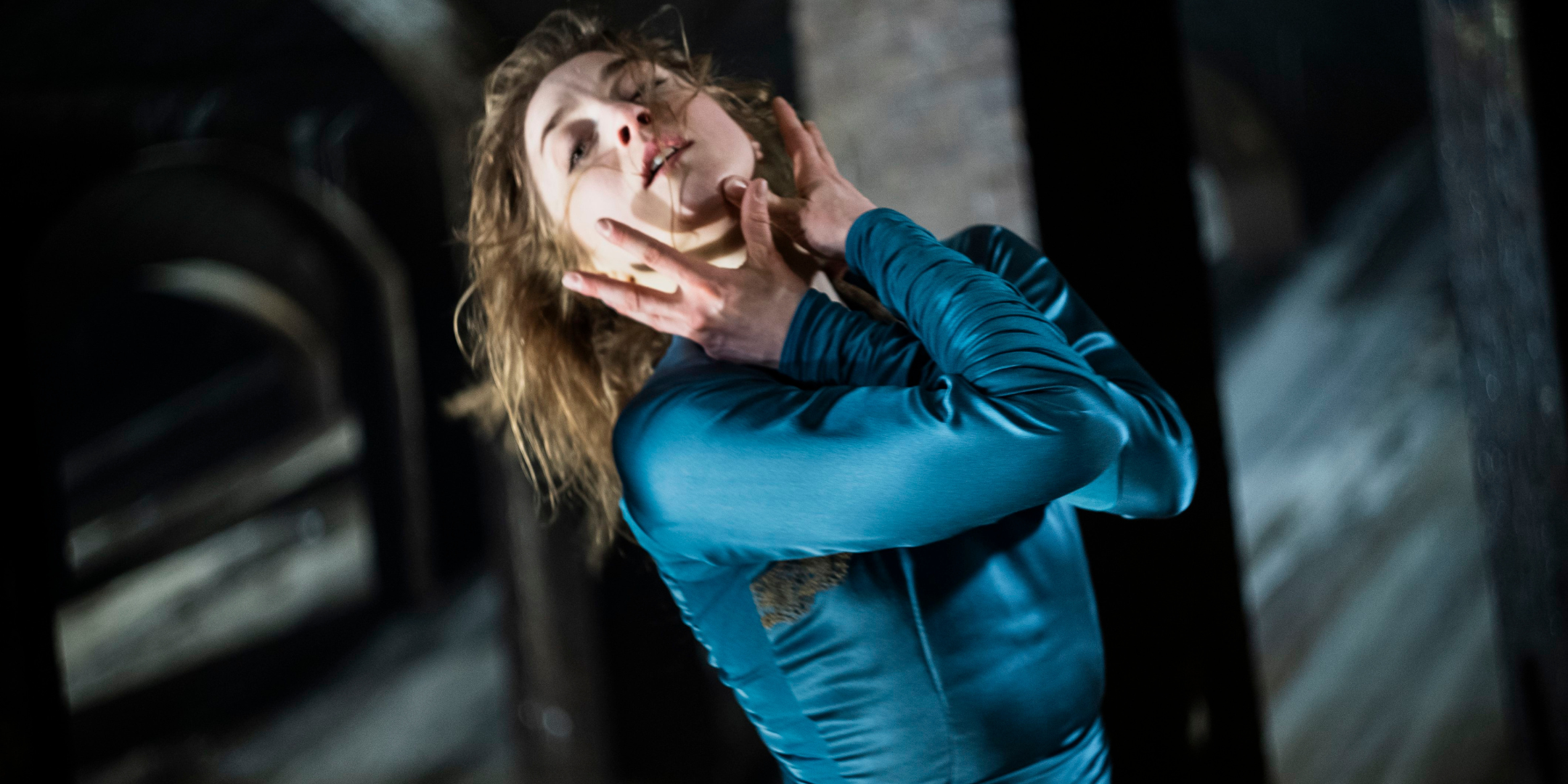
According to choreographer Akram Khan, the most important thing for audiences to understand about his new ballet Lady Macbeth is that “it’s really not Macbeth. It’s its own story as a response to Shakespeare’s Macbeth.” Premiering at Royal Danish Ballet on April 24, the evening-length centers the perspective of Lady Macbeth, who in the Shakespeare play conspires with her husband to murder Scotland’s monarch, King Duncan, and seize his throne. While Khan is not the first choreographer to take inspiration from the notoriously power-hungry character (Helen Pickett premiered her own Lady Macbeth for Dutch National Ballet last year), his approach is decidedly singular, reshaping the narrative to draw parallels to contemporary phenomena like climate-change denial, toxic masculinity, and political scapegoating.
“The key for me was the witches,” says Khan. For the ballet, he and his wife threw themselves into researching King James I, the British monarch during Shakespeare’s career, and learned about the witch hunts, tortures, and killings that he instigated during his reign. “We started to see a pattern: If you don’t surrender to patriarchy, you must be a witch,” he says. “And I went, ‘This is the story we need to tell.’ ”

In Lady Macbeth’s libretto, which Khan created in collaboration with dramaturg Sunila Galappatti, the titular character and her nobleman husband are deeply in love but cannot conceive a child. Lady Macbeth seeks help from the seers, as Khan has renamed Shakespeare’s witches, whom King Duncan has marked for extermination. Lady Macbeth witnesses the slaughter of the seers and manages to escape with Lady Macduff, who is hiding her dual identity as the lead seer. Lady Macduff then delivers a prophecy: Change can happen if Macbeth becomes king. The opportunity to prevent further carnage inspires Lady Macbeth and her husband to assassinate King Duncan so that Macbeth can take the throne. But what happens when the Macbeths have their first real taste of power?
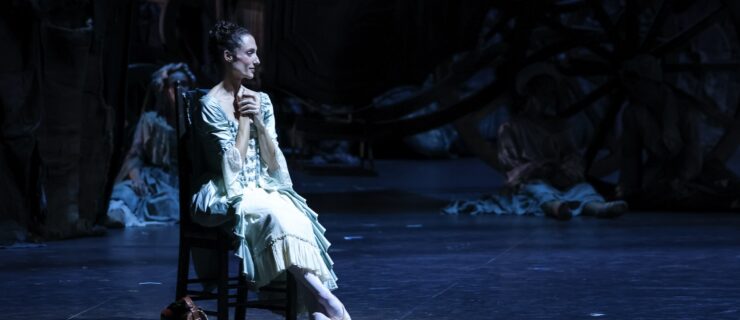
“She’s fighting for a better world,” says Royal Danish Ballet principal Astrid Elbo, who is the first-cast Lady Macbeth. “She keeps believing that if they get the power, they can save the women in the future. I don’t think she wants the power—she just wants to help—but she gets it. And what does that do to you?”
That perspective is markedly different from popular, one-sided interpretations of Lady Macbeth as power-hungry and manipulative, which Khan intended to address from the beginning. “ ‘Lady Macbeth is the bad one’—of course! It’s written by a man!” he says. “It’s easy to call someone bad. Why are they bad?”
Elbo prepared through lots of research. She believes that Lady Macbeth’s role in the original text is “under-told.” The key to the ballet’s heroine, she and Khan discovered, is empathy—which is also the seers’ superpower. “Empathy happens when you truly listen,” Khan says. “The seers are listeners to nature: They can see the future, in a sense, but what they’re doing is really listening.”
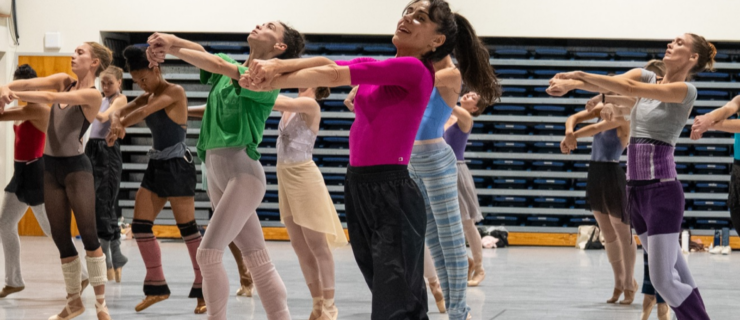
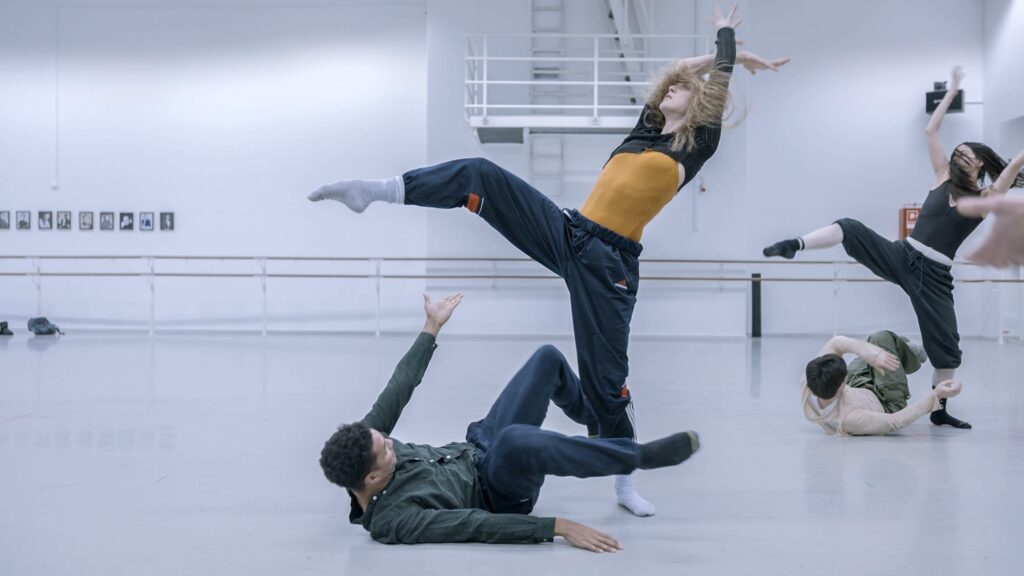
Listening is also key to Khan’s process. Elbo is one of eight dancers who have been rehearsing exclusively with Khan since January, withdrawing from three months of the company’s performances to be wholly immersed. “In a process like this, you have to bleed,” says Khan. “You have to give everything to the character. When you’re drowning in the unknown, if you can find the pleasure in it long enough, you’ll learn how to swim.” He collaborated with that group to develop the piece’s movement language, aiming for each character to have a distinct identity before the rest of the company joined rehearsals. Elbo says that the movement vocabulary for this work skews more balletic than Khan’s Vertical Road, which she had previously performed.
Collaborators from Khan’s Giselle are working their magic again, too. Composer Vincenzo Lamagna’s score takes inspiration from Scottish music from Macbeth’s original setting rather than veering towards present day or futurism—key, Khan says, “because what I’m trying to say is the politics of that time and now hasn’t changed.” Tim Yip’s scenic design is planned to include a gargantuan tree that will descend to the stage at a nearly imperceptible rate. It’s a visual reference to a key prophecy in the play that Macbeth’s downfall would arrive when Birnam Wood comes to Dunsinane, but it also ties back to the theme of climate-change denialism.
“I think for ballet to survive,” Elbo says, “we need to challenge the stereotypes and the tropes in it. I love digging into a character. That, for me, is the heart of dancing.” Khan echoes that sentiment as he looks ahead to opening night: “I can’t control how successful something will be,” he says. “My success is if these dancers have experienced something that will change them from within.”