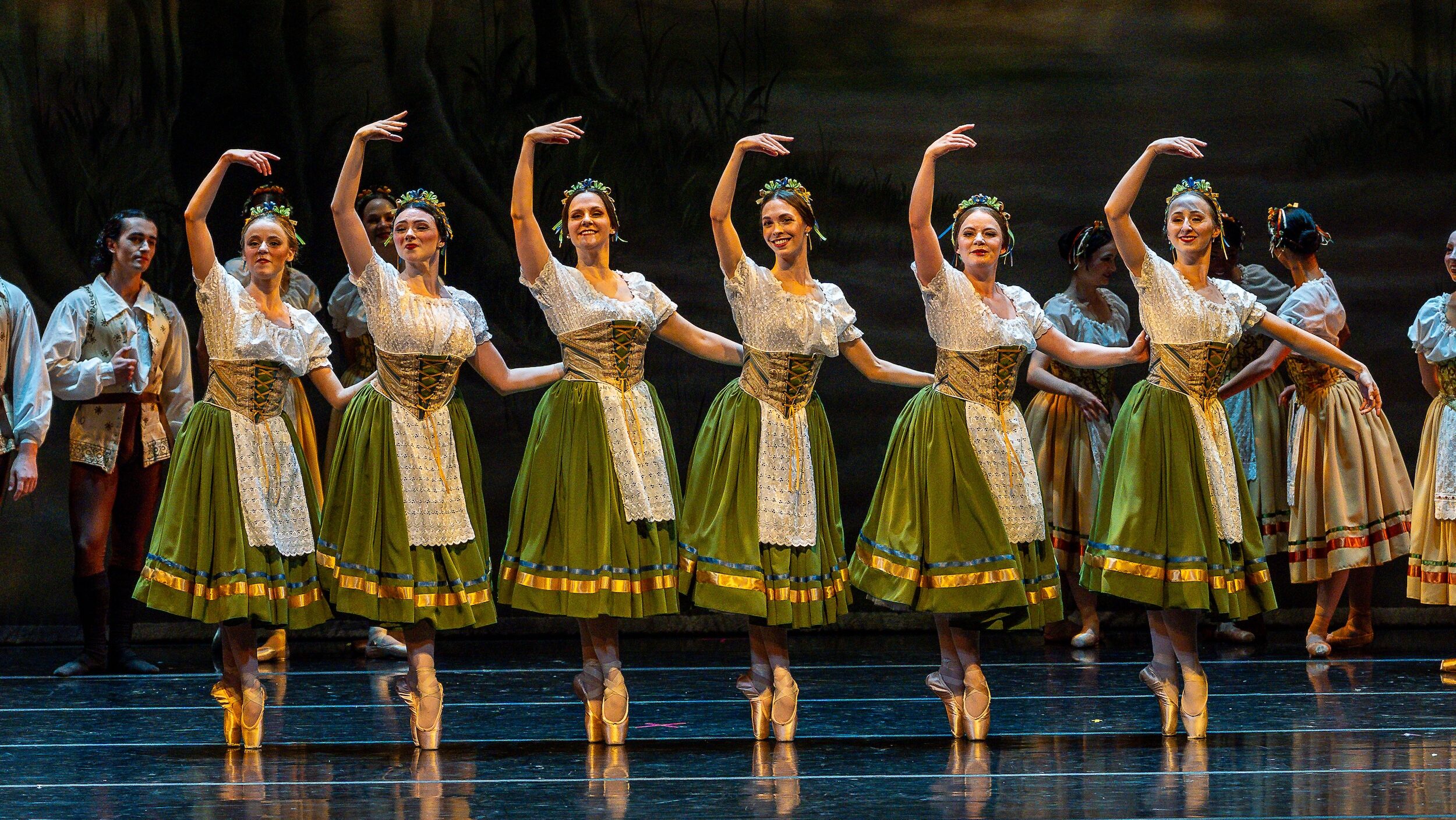
Brandon Ragland Solidifies His Vision at Dayton Ballet

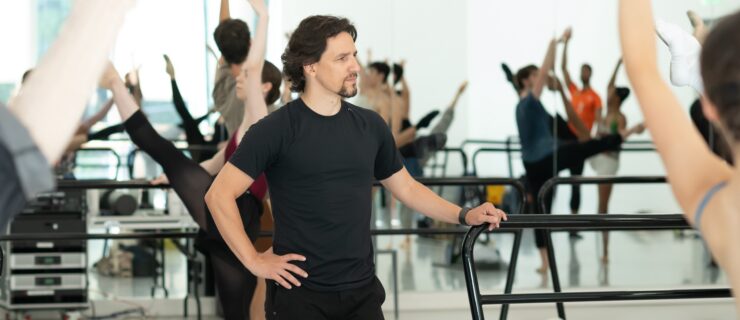
Dayton Ballet, one of the oldest ballet companies in the U.S., is about to enter its 89th season. Shepherding the company since 2023 has been 41-year-old Brandon Ragland, in his first company leadership role. His vision for a diverse 21st-century ballet troupe has begun to take shape, with a mix of dancers and choreographers that are representative of today’s multifaceted and multicultural society.
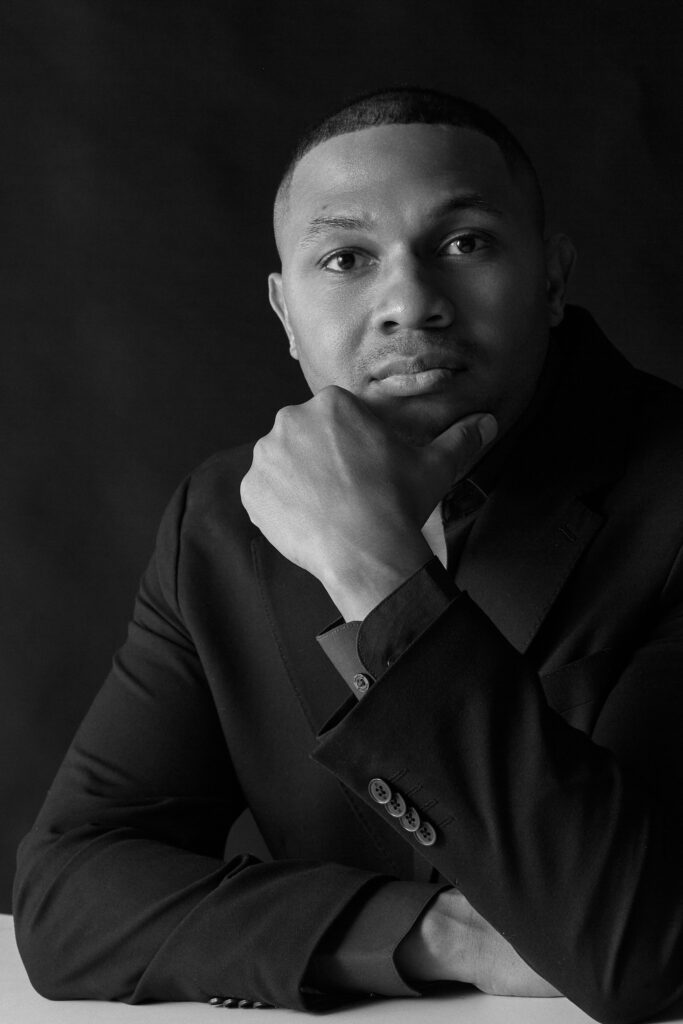
A native of Birmingham, Alabama, Ragland earned a BS in dance (arts administration) from Butler University and then danced professionally with Alabama Ballet and Louisville Ballet. As a choreographer, he has created works for Dayton Ballet, Louisville Ballet, Alabama Ballet, Ballet Arkansas, and others.
Bolstered by the success of last season’s Rhythm of the City program—a unique collaboration between Dayton Ballet and Dayton Contemporary Dance Company that celebrated the city’s funk music legacy—Ragland enters his fourth season excited for what the company will present to Dayton audiences, and for the possibilities that lie ahead.
Pointe caught up with Ragland at the 2026 OhioDance Festival to talk about his first three years, his goals and expectations, and the upcoming 2026–27 performance season.
Being a first-time artistic director, was there a big learning curve?
Going straight from being a dancer to a leadership role like this, there was a huge learning curve. As dancers, our biggest focus is ourselves and our growth as artists. As an artistic director, my focus became much broader. How did I want the company’s artistic vision to evolve, and how could I help the company and its dancers to grow? Finding a way to balance my administrative, artistic, and community duties has also taken some getting used to.
How do you feel things have gone?
When I look back on the three previous seasons, I can see my vision for the company starting to come to life. I am seeing how the dancers and the repertory have grown on this journey. Now I am looking at what the next three to five years will look like.
The company and school are part of the Dayton Performing Arts Alliance. What support does that umbrella organization and the other members provide you?
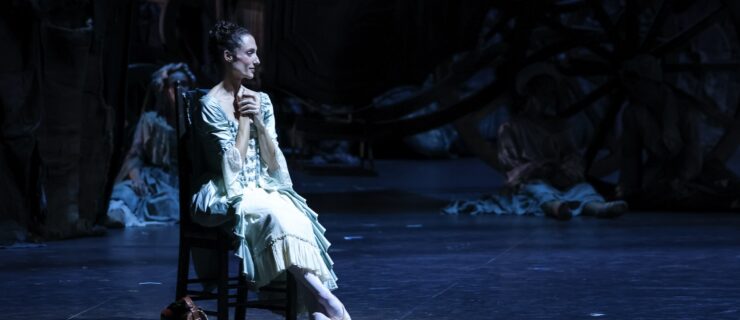
We provide each other with support in several ways, the largest being through collaboration. This past season our dancers performed in Dayton Opera’s Carmen. Not only did that give our dancers extra weeks of employment, but they also worked with a flamenco choreographer, learning a style of dance we don’t normally do. Having the Dayton Philharmonic as part of DPAA means we can offer live music for our Nutcracker and other story ballets, which would be a real financial challenge if we were a separate entity. In addition, DPAA’s administrative, financial, and marketing staff, along with the board of directors, aid and oversee us all.
What is your annual operating budget?
DPAA’s budget is around $8 million. Depending upon each season’s programming, our share of that can fluctuate. Collaboration among the member organizations is the best way to maximize those funds and provide patrons of each art form with a season that excites them, keeps them coming back, and attracts new subscribers.
DPAA’s stated mission is to make art accessible to everyone. How has Dayton Ballet worked to fulfill that mission?
One of our more successful efforts is our $5-ticket program. For all our productions, excluding The Nutcracker, we have an allotment of $5 tickets to reduce the barrier to seeing a ballet performance.
What do you see as the company’s identity?
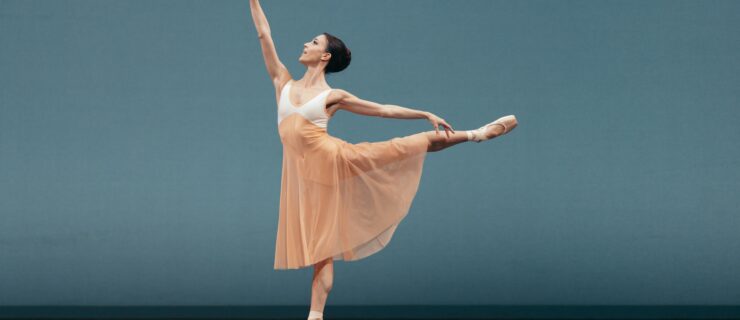
We have a fresh, collaborative energy and are a place where choreographers can come and take risks. My goal for the company is to honor the classics while remaining innovative with new works, collaborations, and approaches. Recently, my approach to story ballets has shifted from reimagining existing ballets to what new narrative ballets we can do. Whether that’s creating new stories or using existing ones audiences are familiar with but that haven’t [been], or rarely have been, turned into ballets.
One of your stated goals in growing the company was to provide more opportunities for choreographers of color and female choreographers, as well as updating classic story ballets to make them current for today’s audiences. How has that progressed?
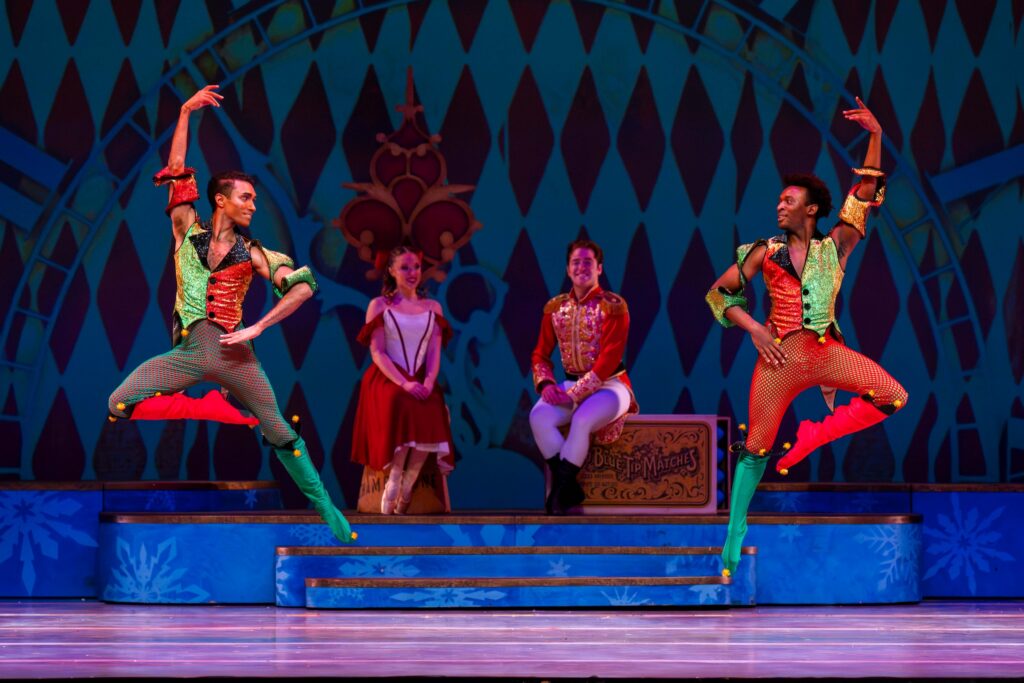
In the past few seasons, our repertory programs, including our Pointes of View series that caters to diverse audiences, featured female choreographers, female choreographers of color, and queer choreographers, including Andrea Schermoly, Qarrianne Blayr, and Alia Kache. Also, two years ago, I choreographed a new Nutcracker. In addition to incorporating Dayton-specific elements, such as a nod to the Wright Brothers, I set the ballet’s second act in the Land of Time rather than the Land of Sweets to avoid the problematic country-themed divertissements.
In 2024, you introduced a new Studio Company. Is that your version of a second company?
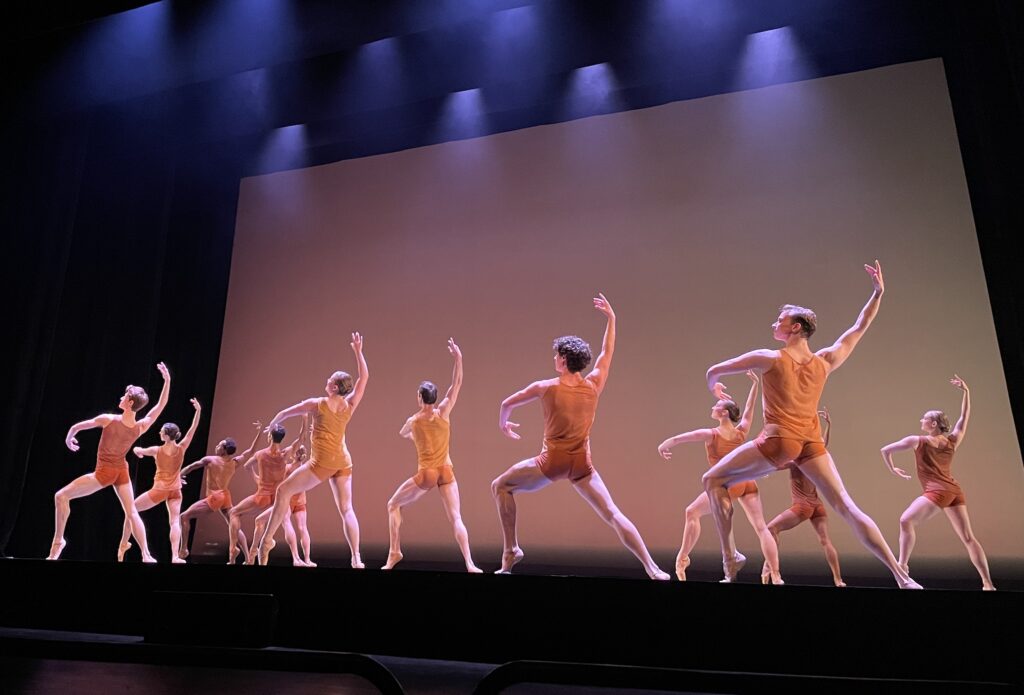
Yes, the 10-member Studio Company is a two-year, tuition-free pre-professional trainee program for dancers aged 18–23 who are interested in pursuing a career in ballet. They perform corps de ballet roles with the main company and are central to our community-engagement efforts. They are the first people I look to when hiring new dancers into the main company.
What do you look for in a dancer when hiring?
Adaptability, musicality, and attention to detail. It is very important that a dancer be self-driven, self-motivated, and able to pick up and retain choreography quickly for several different works simultaneously.
What’s on for the 2026–27 season?
We open with West Side Story in September, a collaboration with Dayton Opera and Dayton Philharmonic. Our dancers get to do a bit of singing, which is new for them. In October, we are performing Alun Jones’ A Midsummer Night’s Dream, along with my neoclassical ballet, Force Flux, which I created for Louisville Ballet in 2019. We will present my Nutcracker in December, and in February, our annual repertory program, Pointes of View, will feature Joshua Peugh’s Slump, a new work by former Dayton Contemporary Dance Company dancer Elizabeth Ramsey, and revivals of two of my past works. We close the season in April with Beethoven’s fifth and Copland’s Appalachian Spring, a collaboration with the Dayton Philharmonic Orchestra: I will be choreographing a new ballet to Beethoven’s fifth symphony, and the program will also feature Andrea Schermoly’s choreography for Aaron Copland’s Appalachian Spring, which she created on Louisville Ballet this past April.
Dayton Ballet at a Glance
Number of company dancers: 20
Contract length: 29 weeks
Starting salary: $500/week
Performances per year: Upwards of 20
Website: daytonperformingarts.org
Auditions: Dayton Ballet and the Dayton Ballet Studio Company use a mix of in-person auditions and ongoing online submissions through the digital platform Dance Apply. Check daytonperformingarts.org for audition notices and application criteria. Selected online applicants will be invited to attend a company class. Artistic director Brandon Ragland’s advice is to submit a video that shows your technical proficiency and unique movement quality. For in-person auditions, he assesses whether dancers adapt to the style presented to them, pick up combinations quickly, and remain engaged in the process even when not dancing.