Life as a Summer Intensive RA

When severe flooding hit Texas last Fourth of July, making it unsafe for Ballet Austin summer intensive students to leave their dorms for several days, resident assistant Whitney Hester had to adjust quickly. With all outdoor activities canceled, Hester and her fellow RAs swiftly organized things to do inside to keep the students entertained and, most importantly, out of danger.
Summer intensives are full of memorable moments, and RAs often help facilitate those experiences while keeping students safe. Hester, a corps de ballet dancer with Ballet Tucson, says fond memories of her own summer program experiences fueled her decision to become an RA, a role she’s stepping into again this year. “I loved the opportunity to give back and help create the same supportive environment that I had,” she says.
Being an RA can be a great summer job for young working dancers, college students, or former dancers, but it comes with significant responsibilities. Pointe spoke with Hester and two others who’ve taken on the role to learn how they helped make summer intensives supportive, safe, and fun.
Why Become an RA?
For young working dancers, becoming an RA allows them to earn money while continuing to train. Depending on the program, RAs are usually able to take class with the students or attend the school’s open classes. This was one reason Atlanta Ballet dancer Rachel Olivia Zinman joined the school’s summer intensive staff for two years, while she was still in the second company. “It was a very good opportunity for me to work on my dancing with Atlanta Ballet’s artistic staff, and also have a job,” Zinman says.

But even for those who don’t want to dance professionally, or who are former dancers, the position can be a great way to stay connected to dance. For Evita Re, who previously served as an RA at the Alonzo King LINES Ballet Summer Program and returns again this year, it allows her to contribute to the dance community in a different way. “I felt like I reached a point in my life where I wasn’t so much interested in always being a dancer, but I was very interested in helping on the other side,” Re says.
But while taking class for free or chaperoning fun field-trips are great perks of the job, Re notes that RA responsibilities come first. “I think you shouldn’t go in thinking, Oh, this is my intensive. I don’t think it’s fair for the kids if you [have] other intentions. Ultimately, you’re there for support.”
Life on the Clock
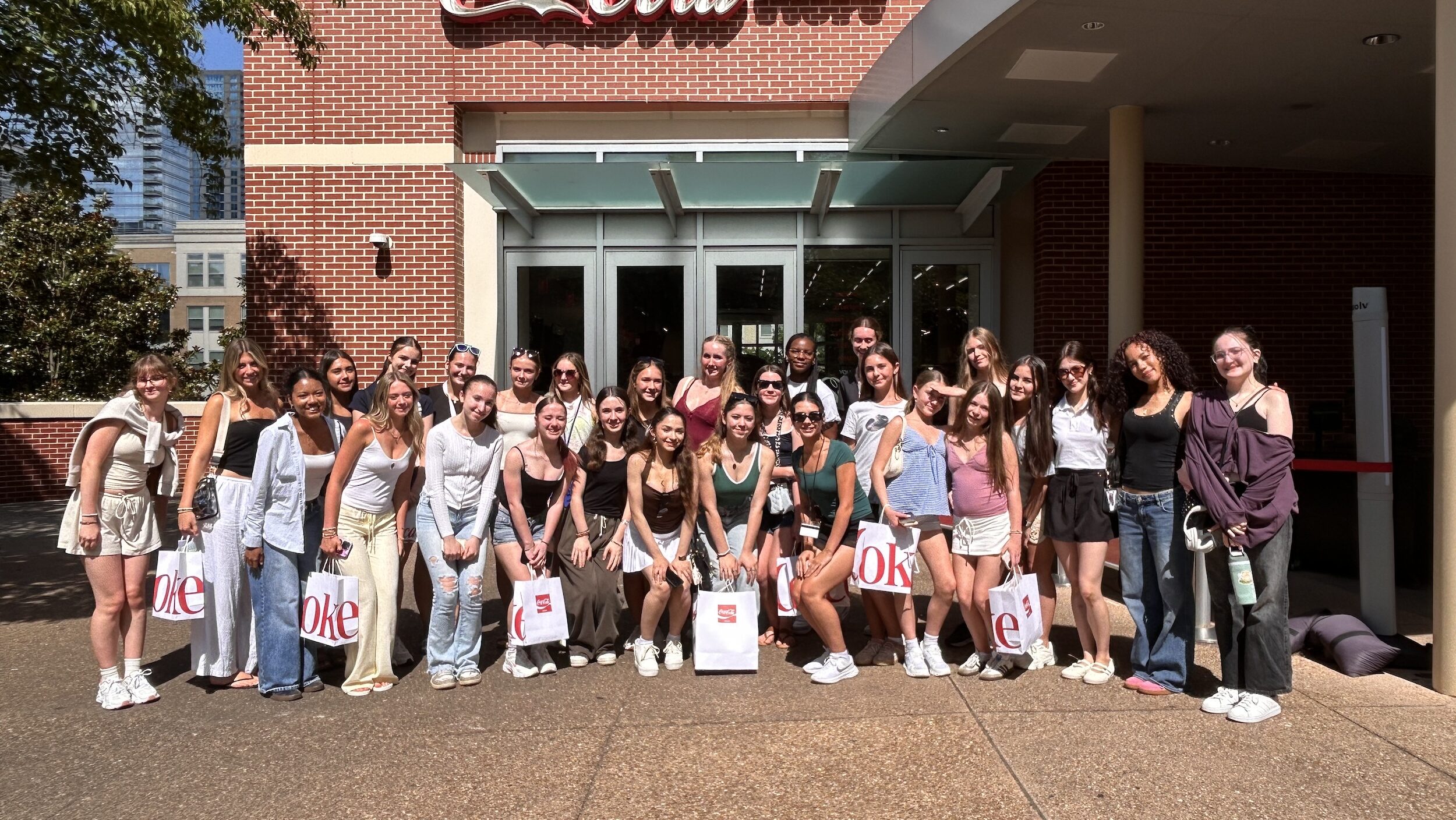
Duties might differ from program to program, but RAs are usually responsible for accompanying students to and from the studios, supervising them at the dorms, helping with meals, and chaperoning them during excursions. They might also organize and host activities in the dorms, like game nights. More stressful responsibilities might include addressing students who break house rules or who have minor medical emergencies, or corresponding with parents. (The program’s senior staff usually handles serious issues.) “Since RAs spend so much time with the dancers, it’s essential to give them our best every day,” Hester says.
Working with so many young dancers—some of whom may be away from home for the first time—in an intense program means emotions can often run high. “I’ve had so many conversations with students about how they are feeling and are they good enough,” says Re. “Sometimes there’s crying or a panic attack, and you have to be there to listen and calm them down.”
It pays to be patient and sociable, says Zinman, as well as a good mediator since young dancers “get a little cliquey.” Making sure students feel emotionally safe while keeping them physically safe helps them have a more positive experience.
The hours are long, of course, and RAs are often living on campus alongside the students. “Is your mind always on the clock? Absolutely,” says Re. “Are you physically always doing the task? Probably not.” Zinman notes that she usually had downtime in the evenings, which gave both her and the students a break.
In such a close-knit, intense environment, Hester and Re agree that knowing how to delegate responsibilities among fellow co-workers and set boundaries is key to avoiding burnout. “The job is a marathon, not a sprint,” Hester says.
Build Leadership and Networking Skills
An RA position comes with benefits beyond taking class and enjoying fun weekend excursions. “I think it’s a great learning experience and gives you practice dealing with different challenges in the real world,” Zinman notes.

Hester says the job is a meaningful way to build relationships with the company’s staff and administration. “I’ve seen RAs who live locally be invited back to assist with other events and performances throughout the year,” she says. “It can be a great step in becoming more involved with the organization.”
Re encourages those who might be interested in teaching dance or working in the arts to consider becoming an RA. “I think you learn so much about leadership, because you’re serving the kids, which will just humble you completely,” she says. “RAs are really the backbone of summer intensive, because they help students perform in a healthy way.”