David Hallberg Brings The Australian Ballet—and His Bold Vision—to the U.S.

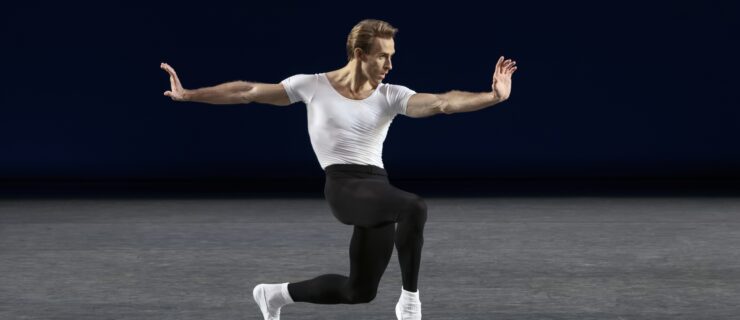
The pandemic kept David Hallberg from having retirement performances at American Ballet Theatre and the Bolshoi Ballet in 2021. But by then he was already on the other side of the world, starting his next adventure as the newly minted artistic director of The Australian Ballet. Hallberg, a former principal with ABT and the Bolshoi and former guest principal with The Royal Ballet, already had a warm and established relationship with the Melbourne-based company as a resident guest artist. He has since grown into his directorship and developed an innovative artistic vision.
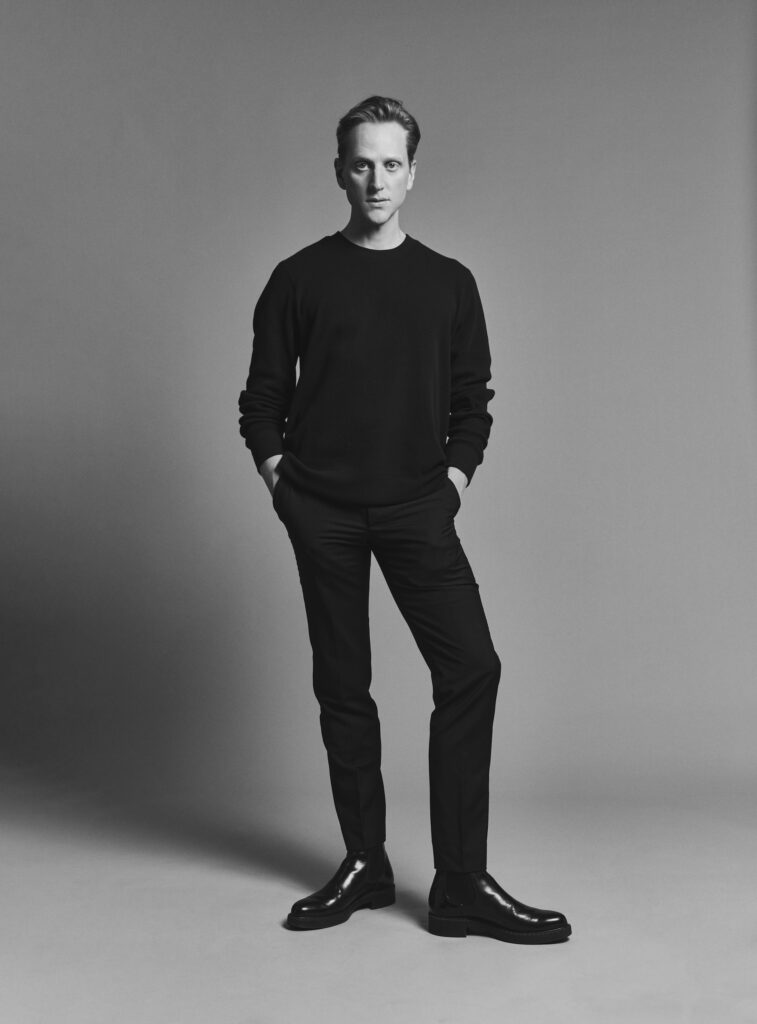
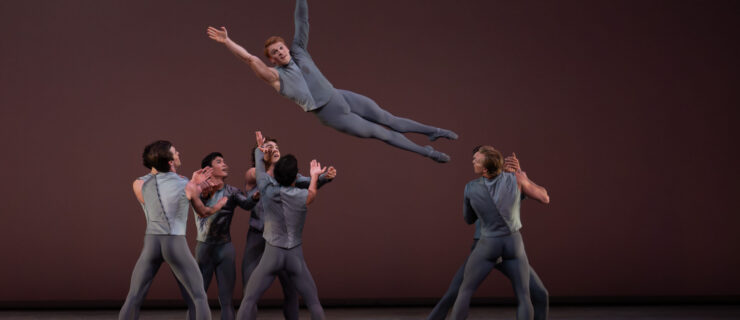
Now, Hallberg is bringing The Australian Ballet to the U.S., showcasing one of his most important commissions: Christopher Wheeldon’s 2024 Oscar. The full-length ballet, based on the life of Irish writer Oscar Wilde, first heads to Berkeley, California’s Zellerbach Hall (September 25–27). The company then travels to New York City Center, performing Stephanie Lake’s Seven Days at the Fall for Dance Festival (October 2–3) before a run of Oscar (October 8–11).
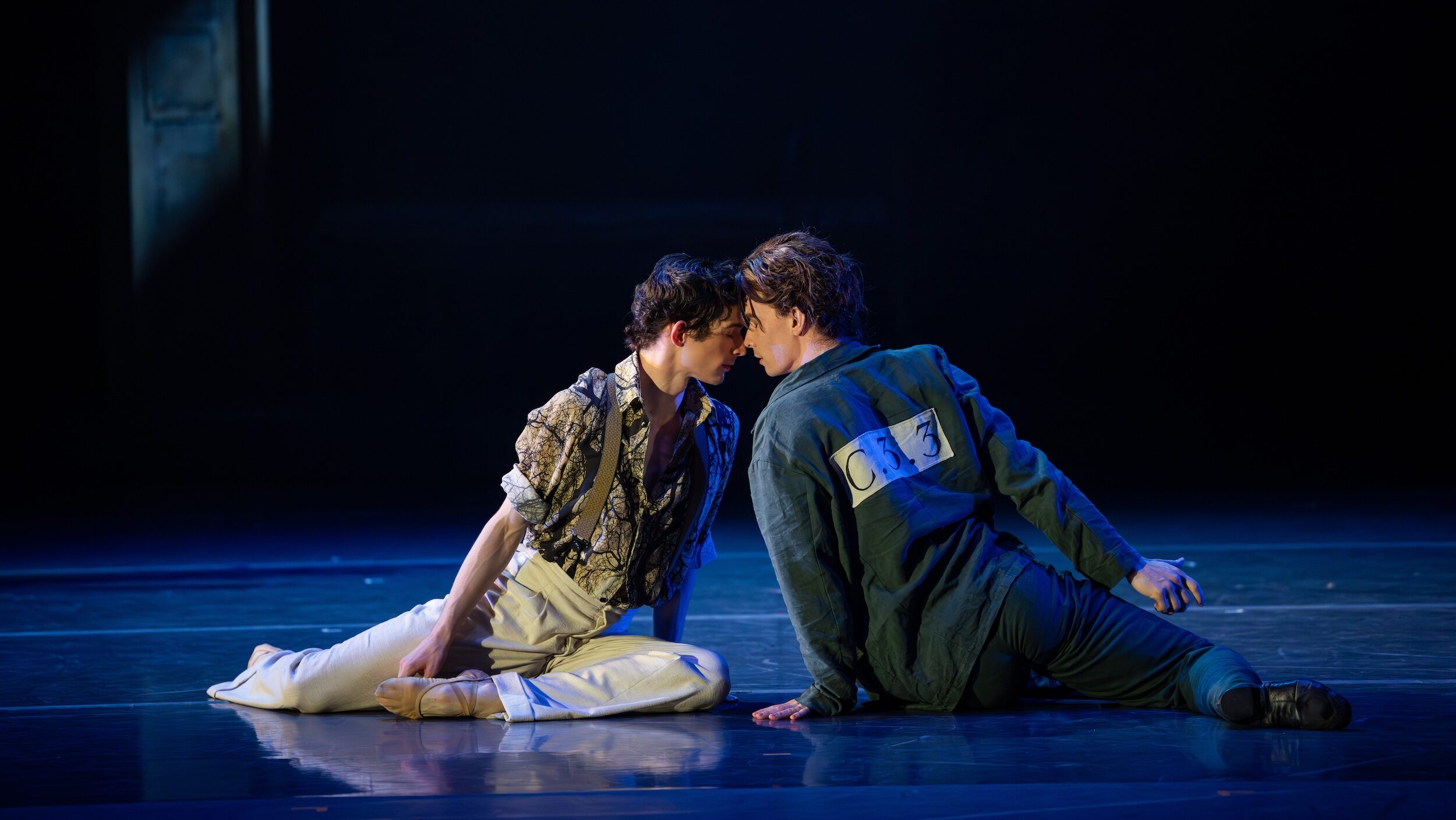
Integrating elements from two of Wilde’s famous works, The Nightingale and the Rose and Picture of Dorian Gray, Wheeldon’s ballet chronicles the author’s romantic relationships and persecution as a gay man in 19th-century London. “I want to tell stories that broaden the audience’s perspective of what’s possible in classical ballet,” Hallberg tells Pointe over Zoom. Joby Talbot’s original score will be played by a live orchestra in both Berkeley and New York City. “It’s important that we bring the entire original concept on tour.”
Below, Hallberg talks about his experience directing, why he’s bringing Oscar, and how he’s shaping the company.
After being away for several years as artistic director of The Australian Ballet, how important is this tour for you?
I have these two worlds: my 20-year dance career and then this one that I’ve lived for almost six years, with this company I’ve put my blood, sweat, and tears into. Bringing them together is surreal, but it’s also a moment I’m incredibly proud of. And while I never had a farewell in the U.S., I never wanted the farewell—I’m really at peace with how my performance career ended.
As you’ve gotten accustomed to being an artistic director, what has been the biggest learning curve?
On the one hand, I had this wealth of experience to give from my dance career. On the other, there was the administration side of the company. I came in a rookie, very green in managing. Over six years, I’ve learned—and I’m still learning—how to strategically manage and create a vision for The Australian Ballet. It was difficult to go from “me, me, me” to nothing about me. But it is so refreshing for it to not be about me anymore! I feel empowered that the artists here can thrive in their moment onstage. It feels different from when I was a dancer, more purposeful.
How has your artistic vision taken shape?
I think it’s matured. In the beginning it was really based on gut instinct, and we had some great triumphs as a result. I’m still following that instinct, but my vision now feels more holistic, between listening to what our audiences want and what I feel they need to experience, what the dancers want and need to experience, and what’s organizationally responsible.
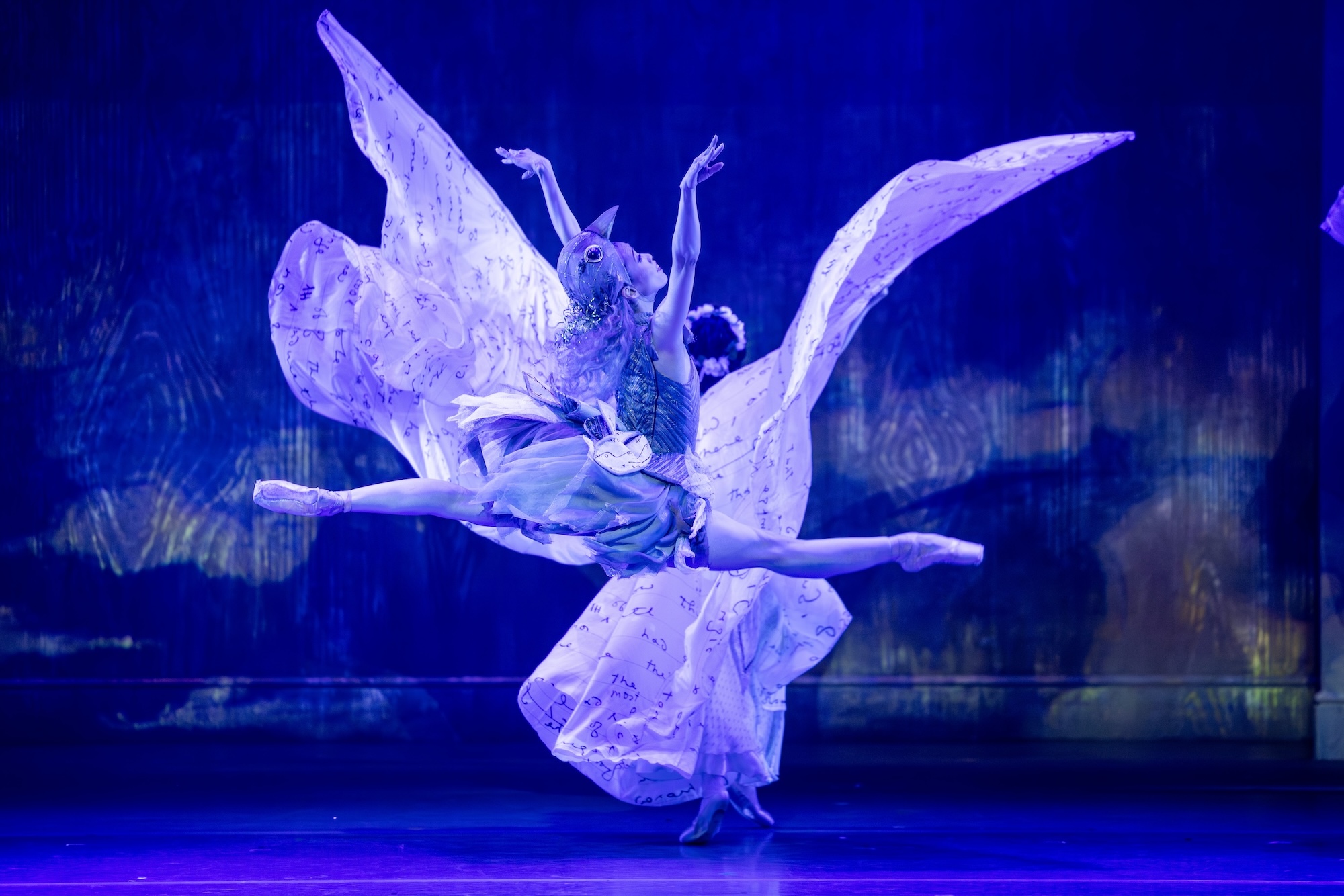
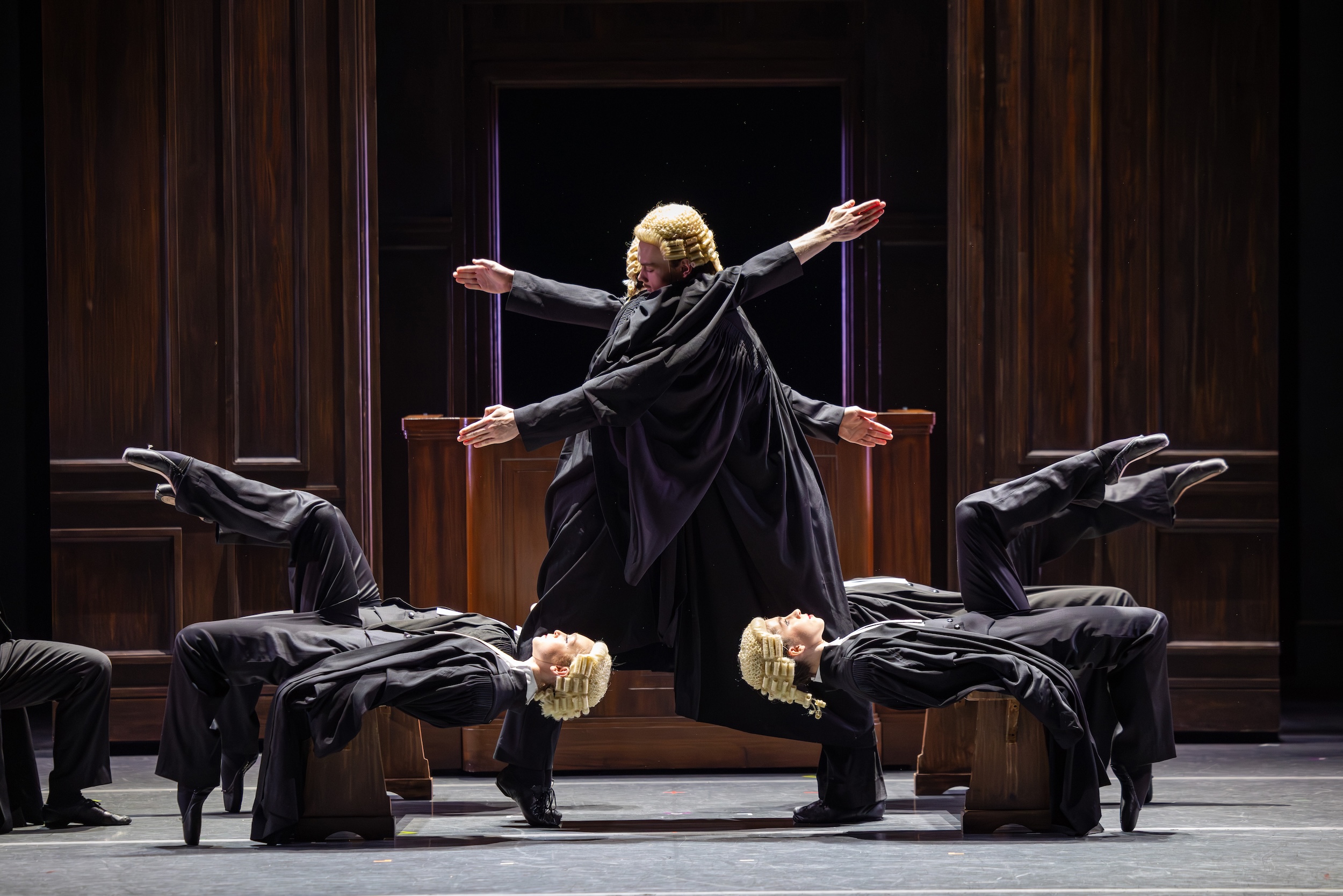
Oscar is a rare large-scale ballet centered on a gay relationship, and the first completely original full-length work commissioned by The Australian Ballet in 20 years. How did it come about?
Chris and I came together towards the end of the pandemic with the intention of creating a big narrative work. The question I asked is: What stories are we telling for today’s audiences? How are we evolving this art form? We agreed on works that represent a broader diversity of experience onstage. He had the idea of Oscar Wilde, and I wanted to tell bold, different stories, so it was marrying these two ideas.
Wilde’s fairy tales have been told time and again, so we had that through-line. But the difference is that Oscar spent the last part of his life being persecuted and doing hard labor for “gross indecency,” or homosexuality. We really tell that story, especially in Act II. We don’t shy away from it.
Why did you decide to bring Oscar to the U.S., as opposed to something familiar like Swan Lake?
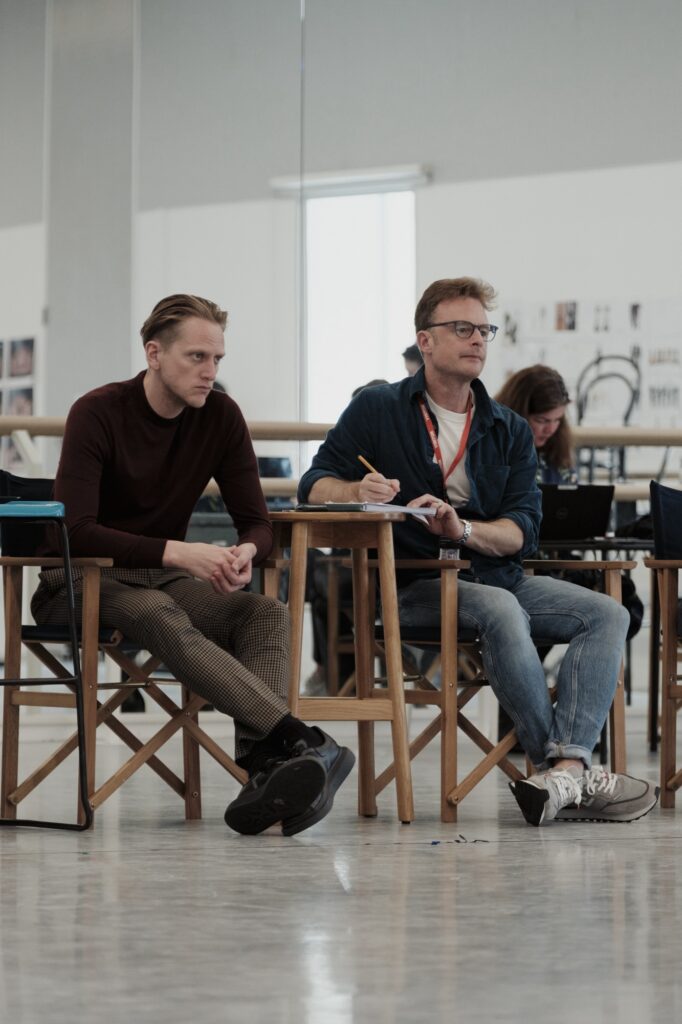
The thing about Oscar is that it’s ours. This is who The Australian Ballet is today. This is how we’re defining ourselves apart from other companies. We’re proud to tell that story.
You’re also bringing resident choreographer Stephanie Lake’s Seven Days to the Fall for Dance Festival. Can you describe her work?
Stephanie has been a part of the contemporary-dance scene in Melbourne for 20 years and has her own company. When I first arrived in Australia, I started immersing myself in the dance scene and would frequently see her work. I was looking for a resident choreographer and invited her on board. Seven Days is her most recent piece for us; it’s a take on [J.S. Bach’s] Goldberg Variations. It’s a very bespoke work on the seven artists performing it. It’s physical, it has humor, it doesn’t take itself too seriously. It’s very Australian.
How have you tried to artistically shape the company’s dancers?
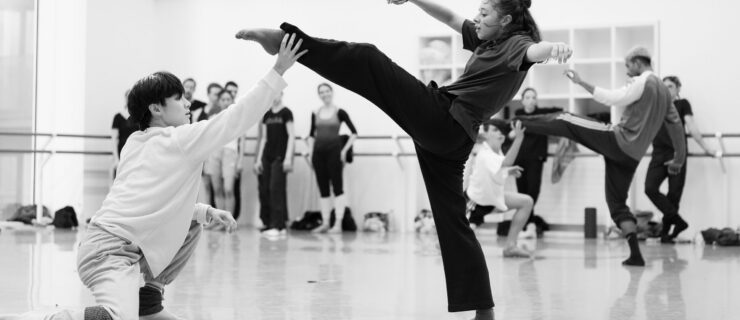
When I work with the dancers, I lean on the differing styles and coaching experiences I had at ABT, The Royal Ballet, and, most importantly, in Russia. But what I really want to give them is a sense of ownership in the way they express themselves as artists. I’m not solely talking about principal roles. It’s important to me that everyone onstage is equally valued and committed. Sometimes I don’t even watch the principals—I’m watching how somebody is sitting on a chair, how they enter with a wheelbarrow. That’s what makes the stage bubble. I want everybody to have a sense of pride in their work.
Has being so far away helped as you’ve established yourself as an artistic director?
The geographic distance has benefits, although I don’t feel a sense of isolation—Melbourne is consistently ranked one of the world’s top livable cities. As the biggest ballet company here, we’re not in an oversaturated market; we have autonomy to present the ballets that we want, and we’re not fighting for repertoire or premieres. And Australian audiences are very open to new experiences. On the other hand, I’m very far away from my family and friends. My people, the ones I’ve known for 20 years, are in New York City, in London. I’ve got friends here, and a great boyfriend. I’m an Australian citizen now. But I do feel far away at times.
This interview has been edited for length and clarity.