Edwaard Liang Shares His Vision for The Washington Ballet as the Company Celebrates Its 50th Season

Edwaard Liang made history in 2023 when he became the first person of color to be appointed artistic director of The Washington Ballet. But there wasn’t much time to revel in the moment. While simultaneously wrapping up his duties as artistic director at BalletMet, Liang began immersing himself in the community and culture at TWB—which has a unique role as the hometown dance company of the capital of the United States.
“DC is a very complex city. There’s no place like it,” Liang tells Pointe. “It’s like the United States version of Grand Central. It’s such an epicenter of power and politics.”
It’s been a tumultuous few years for arts organizations in the nation’s capital, especially now, with the main building of the Kennedy Center—a longtime regular venue for TWB—slated to remain closed for the next two years amidst legal disputes with the Trump administration. (Earlier this year, TWB relocated its production of Cinderella away from the Kennedy Center to the National Theatre, citing the need for a larger space.) In the years preceding Liang’s tenure, TWB also had its share of troubles combating rising debt and waning ticket sales. But as TWB prepares to celebrate its 50th anniversary this fall, Liang says: “The company is now poised to dream.”
Founded in 1976 by renowned teacher Mary Day (who trained the likes of American Ballet Theatre’s Kevin McKenzie and Dance Theatre of Harlem’s Virginia Johnson), TWB started out as a platform for showing off the young talent at The Washington School of Ballet, which Day co-founded in 1944. It has since grown into a world-renowned company whose artistic leadership has included Septime Webre and Julie Kent.
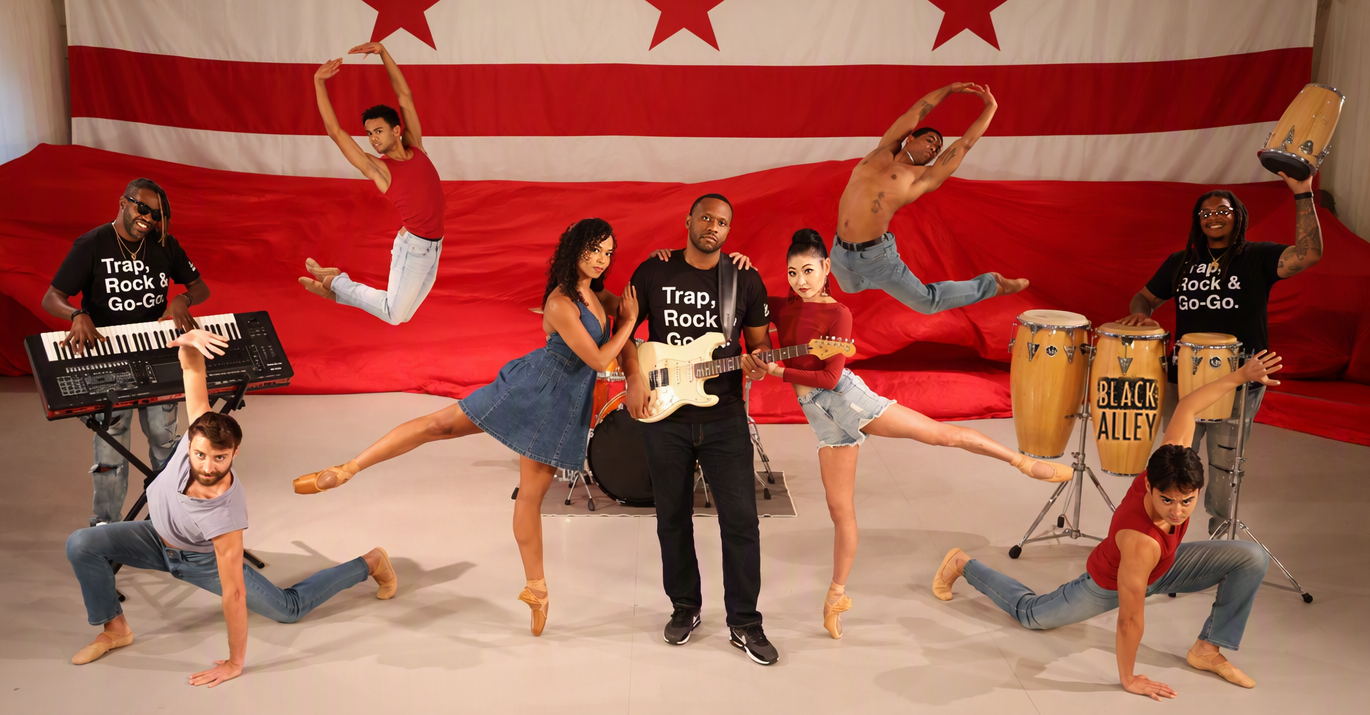
TWB’s Go-Go 50 program at the Warner Theatre, kicking off on October 30, is a mix of four works that speak to TWB identity forged by Day—including Configurations by Choo San Goh, TWB’s first resident choreographer and “an artist that really set TWB on the world stage,” Liang says. It also features a world premiere that reflects where Liang sees the company—and performance art—headed in the future. Earlier this month, Pointe spoke with Liang about his vision, and what the company is programming for its golden anniversary.
What’s it been like taking over the reins these last few years?
It has been a wild ride! There’s an incredible pressure to be able to do great work and to support the dancers. It’s a complex business, and when I first became artistic director, it was no secret within our industry that TWB was really suffering financially. So, as with any nonprofit, it’s been challenging, but really rewarding. I’m really proud at this moment, and so lucky.
What role do you see TWB serving as an arts institution in our nation’s capital?
Not only are we here to touch, move, and inspire our local community, we’re also able to touch world leaders. In 2018, I was lucky enough to create a ballet with Roberto Bolle for the World Economic Forum in Davos, Switzerland. Every year, they start the symposium with an event in the arts. The idea is that if world leaders started their week together with the arts and being inspired, then they will make inspired choices for the world—and I see that as the role of TWB here in DC.
What’s been the most challenging part of the job so far?
While most ballet companies have some sort of home base or home theater, we span multiple theaters. I think a lot of people over the past two years now understand that our home base is not the Kennedy Center, and that we’re not produced by the Kennedy Center, and that we’re an independent ballet company. But one of the biggest challenges that I’ve faced is understanding and being able to get theater dates, and being able to know what programs work for which theaters and our community.
Do you have any big plans or changes in store for the company?
We want to work with different choreographers that can really help take us in the direction that we want to go. My vision is being able to bring a real blend of classical to contemporary works so that more people can participate with TWB. The company-affiliated Washington School of Ballet is also really expanding fast, and I’m programming more TWB performances where more of the school can participate.
Why did you choose a go-go theme for the opening program?
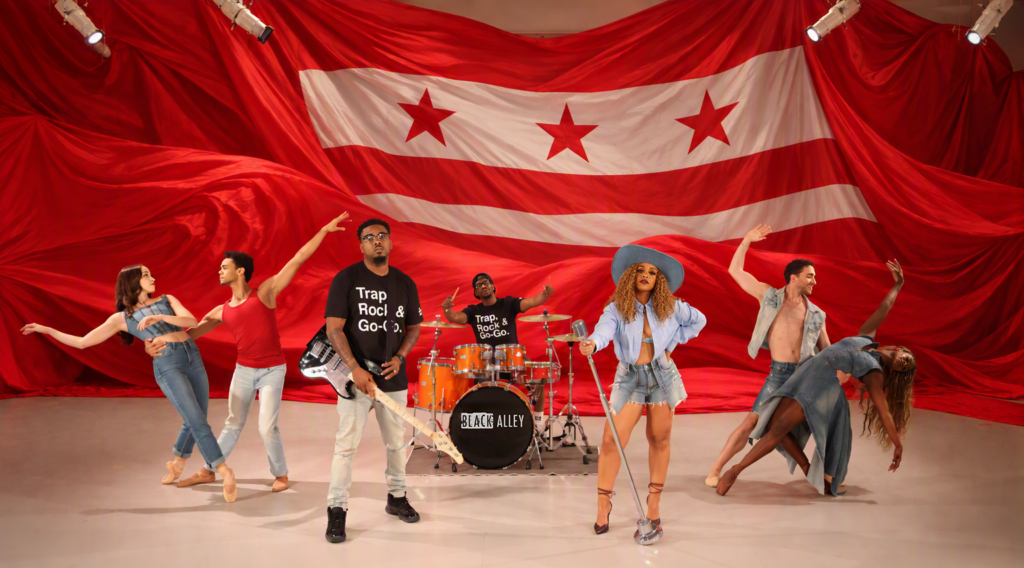
Go-go music is also celebrating its 50th anniversary this year, and was created here in DC. The opening includes the world premiere of Chanel DaSilva’s An Artist’s Prayer to live music by Black Alley, which is a local go-go band. They’ll perform onstage, and dancers will also go into the auditorium. Go-go music is very interactive, especially the call-outs. I want this to change the perspective on what an experience coming to see ballet or the arts can be like.
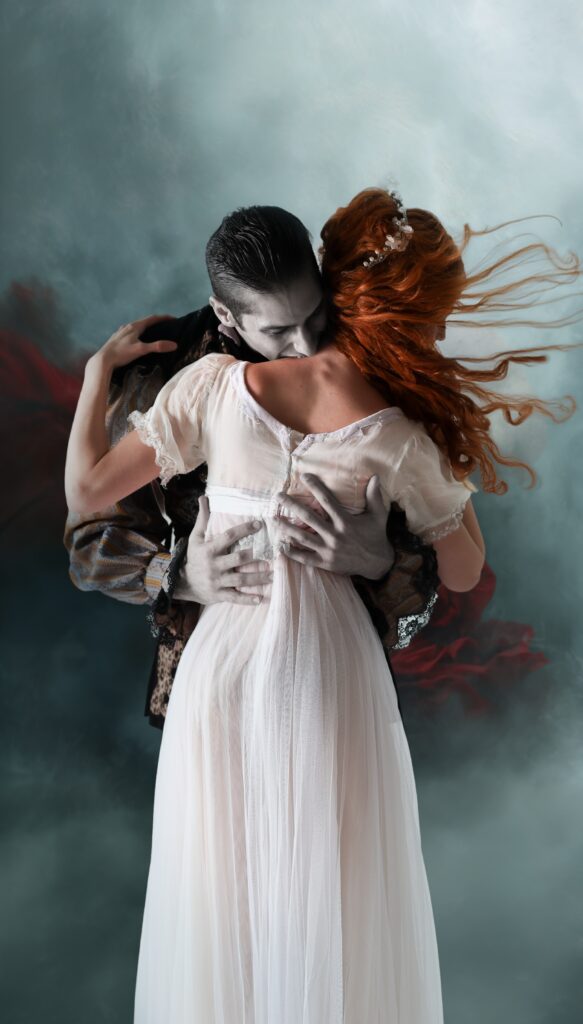
Dracula, which premieres February 2027, is the first ballet you’ve choreographed on TWB as the company’s artistic director. Why did you decide to create this ballet in particular?
Timing-wise—with the sets and costumes, and with the theater—everything just kind of came together. We really needed a full-length title that could capture the imagination and the premise of audiences trying out dance, so I just thought it would be perfect. The sets and costumes were originally done for Houston Ballet and Texas Ballet Theater, and I’ll be the first choreographer to create something new with them with the blessing of the companies’ former artistic director, Ben Stevenson, before he passed away.
Looking back at TWB over the last 50 years, how would you define the company’s legacy and mission?
That’s a hard one for any ballet company, but I think that it’s to continue to take up the mantle of creating great art in DC. Heavy is the crown that we wear to be the ballet company that resides in the nation’s capital. So we’re continuing to do the great work of the past and present, and hopefully continuing to pave the way for the future.
And looking ahead to the next 50 years, what’s your vision for the future of TWB?
I really believe that the next 50 years is going to be a very exciting time for TWB. I don’t know if this is too bold for me to say, but I really think in the next couple of years, and the next 50, is where TWB will find its golden era.
This interview has been edited for length and clarity.