Finding Artistry in Group Work Large and Small

The visceral connection of a pas de deux, the playful organization of a quartet, the bursting energy of a corps filling an entire stage: These are all undoubtedly different performance experiences for dancers. In these varied cases, what must dancers bring to the table? What changes in one’s artistry, and what remains the same?
For one, dancing in a corps generally calls for uniformity, while smaller groups allow for more individual artistic choices. Yet it goes deeper than that. Let’s look at how dancers can bring their best to works of smaller and larger orientations, and any ballet they may perform.

Dancing in Large Groups
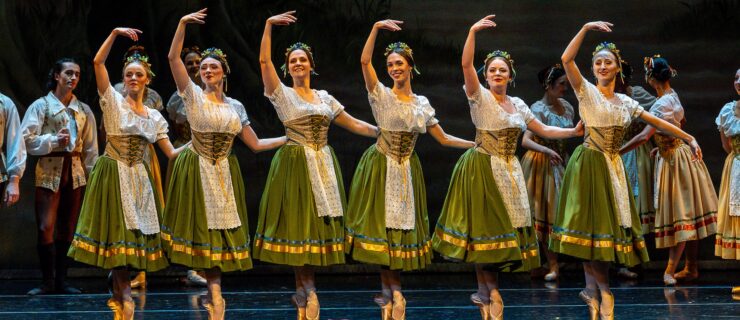
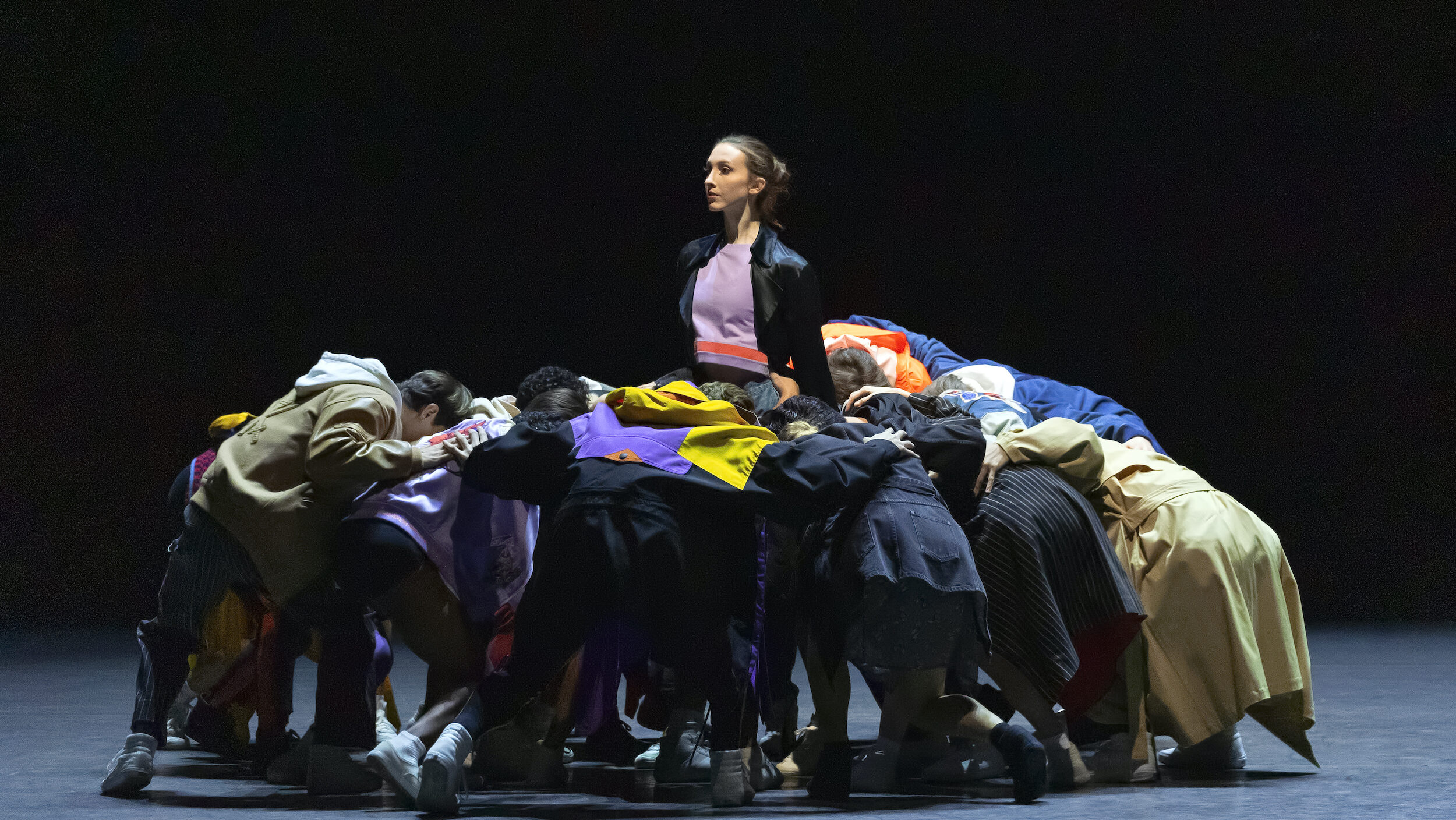
For Christine Rocas, a former dancer with and current rehearsal director for the Joffrey Ballet, dancing in the corps de ballet involves moving as a collective unit. There’s a little less risk-taking, Rocas notes—a sort of “hanging back”—of exploring the bounds of personal artistry.
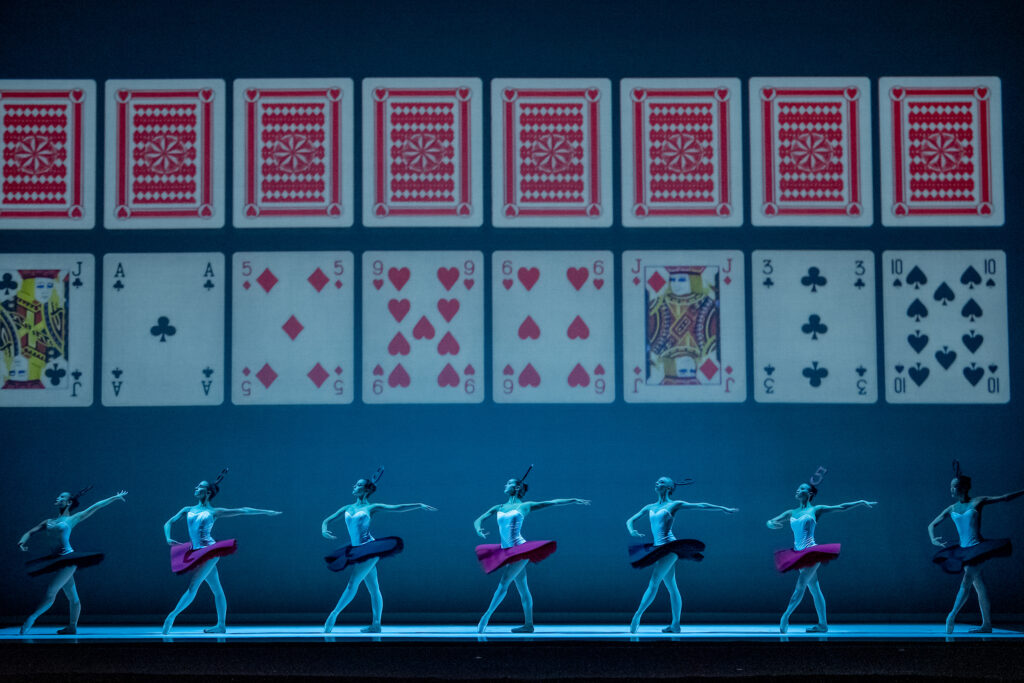
New York City Ballet corps member Christina Clark adds that corps work requires a heightened awareness of spacing and timing in relation to the other dancers onstage. “Your job is to feel everyone else’s energy, and then have your dancing blend with it in a way that’s cohesive and consistent,” she says. “Anticipate what the ensemble will do.” Clark has honed certain mental exercises to help with this, like creating a “bird’s-eye view” of the group in her mind, as if she were looking at it from the balcony.
Clark describes performing George Balanchine’s Union Jack, a ballet for 74 dancers. One section involves simple walking in formations, with a goal of everyone being in line. “That uniformity is crucial to the piece and its success,” she says.
Clark believes these types of experiences lead to artistic growth. “Corps work can call you to come up to everyone else’s bar and really pick things up by osmosis.”
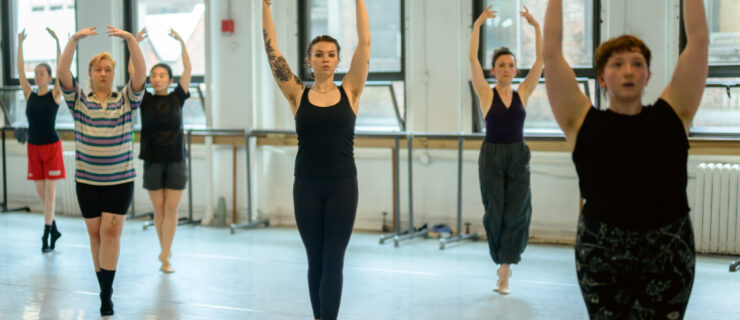
Lauren Jonas, artistic director of Diablo Ballet in Walnut Creek, California, says that the company’s recent expansion to nearly 20 dancers has allowed it to perform repertoire with larger corps sections, like Swan Lake. She notes that achieving cohesiveness requires a good deal of repetition, perfecting elements such as timing, shaping, and spacing. In rehearsals, that means learning spacing strategies (such as standing off the middle of the back of the preceding dancer in a diagonal line), using peripheral vision, and remaining highly attuned to the group. These abilities help hone a dancer’s overall artistry, even in smaller groups, she believes.

That said, it’s a misconception that dancing in the corps offers no room for individual artistry. “The strength of the corps is the belief of every individual dancer that they are their own story,” says Rocas. Without individuality, we sacrifice character development, aesthetic texture, and the inspiration that the art form offers—for both dancers and audience members.
The Nuances of Small-Group Work
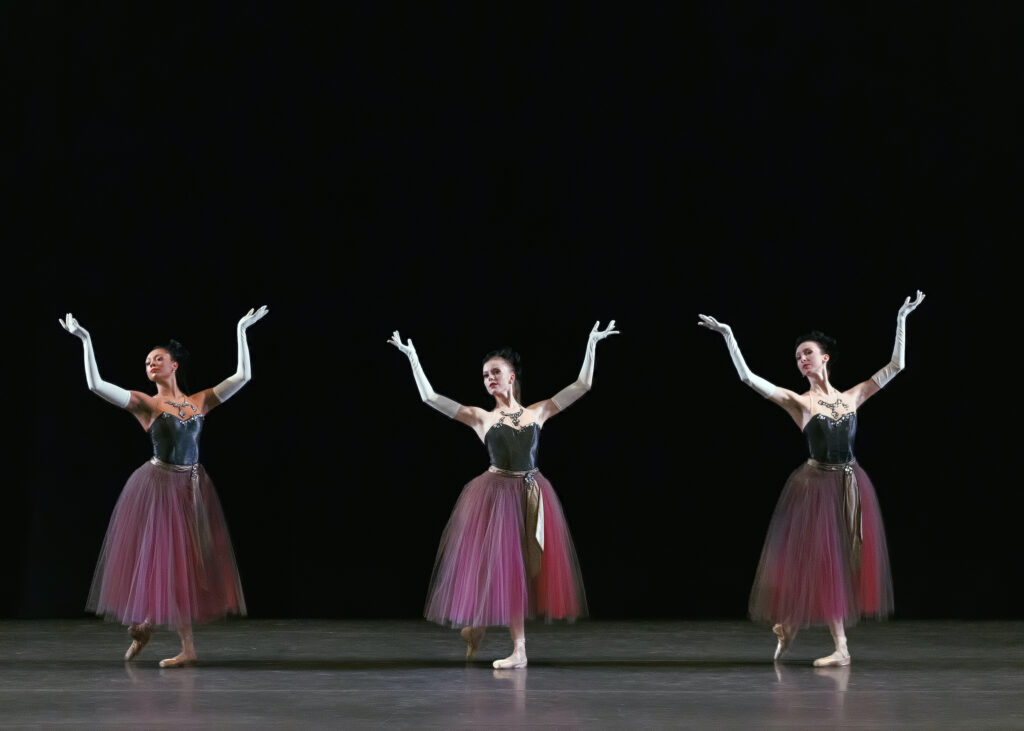
Smaller ensembles, like quartets, trios, and duets, still need an element of collectivity. Balanchine’s La Valse, for example, opens with a trio of women. Clark, who danced the role in May, says she and her colleagues spent a lot of time in the studio workshopping little details, even down to finger placement and the manipulation of their skirts. “The process was really special and rewarding, how our cohesion evolved and we crystallized the characters.”
Clark values corps work above all else, but also enjoys dancing in smaller groups and extended pas de deux. “That calls for close collaboration and a process of building trust. You have to learn to balance how you move as individuals and as a pair,” she explains.
One way to do that, Clark says, is through observing the musicality of those you’re dancing with, especially if they’re more experienced. Try to get a sense of their timing and feel it in your own body to deepen and improve your own musicality, she advises.
Additionally, find moments to make eye contact with each other and to create a sense of awareness through peripheral vision. “Looking at other dancers onstage or through the mirror in the studio helps build cohesion and a sense of community,” says Clark.
When performing duets or trios, dancers must watch each other while also interpreting the choreography, Jonas says. Matching a partner’s phrasing, energetically complementing movements so that they feel closely connected, and being intentional with facial expression are ways to achieve those goals. “Dancers can connect with each other on a deeper level than when there is a large number of people onstage,” says Jonas. The audience, for their part, can more clearly see dancers’ interpretive choices in small groups, she adds. “It’s like being brought into an intimate conversation, which can be so incredibly beautiful.”
Dancing in Sync
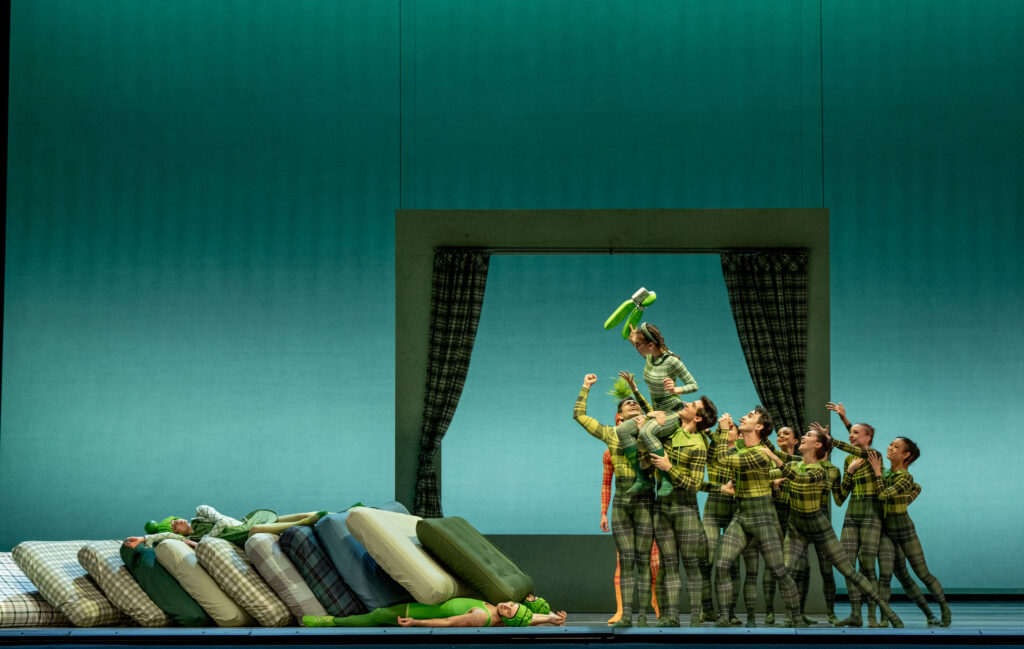
Regardless of what orientation you’re dancing in, says Rocas, listening is key: bringing awareness of, and receptivity to, the kinetic relationship with your dancing peers. “Listen to, and trust in, the cues that [they’re] giving you, whether they’re intentional or unintentional.”
Building a relationship with your ensemble mates can help, Clark continues. Talk with them about the piece: its mood, formations, and musicality/timing. “Some artists will be more forthcoming than others, but as much as possible, get on the same page with them about the work.”
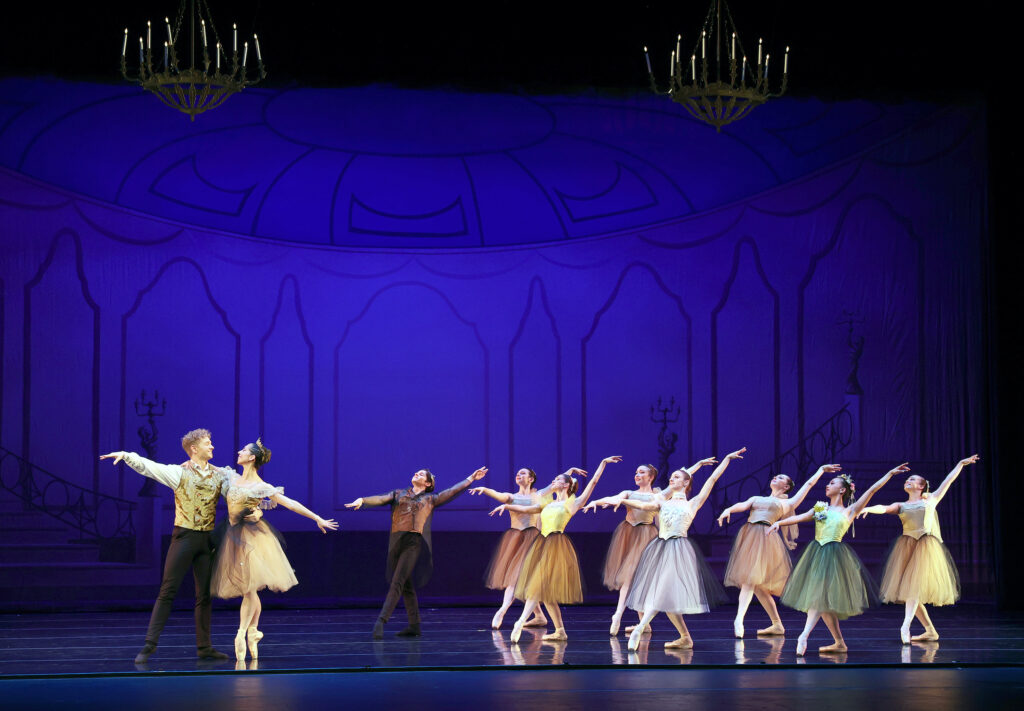
Consistency is also important, says Rocas; even if you’re tired or anxious, you still need to make your intentions clear to your colleagues. “Without that, you’re out of sync. It’s better to go to 75 percent and be readable to your partners than to dance at 100 percent and for the moving conversation to be off.” In contrast, when everyone is in sync, muscle memory can take over, spontaneity can emerge, and artistry can truly bloom.
Even if you’re not yet at that place, says Jonas, do your best to convey confidence, because then everyone will feel more confident. Energy is contagious in any ensemble.