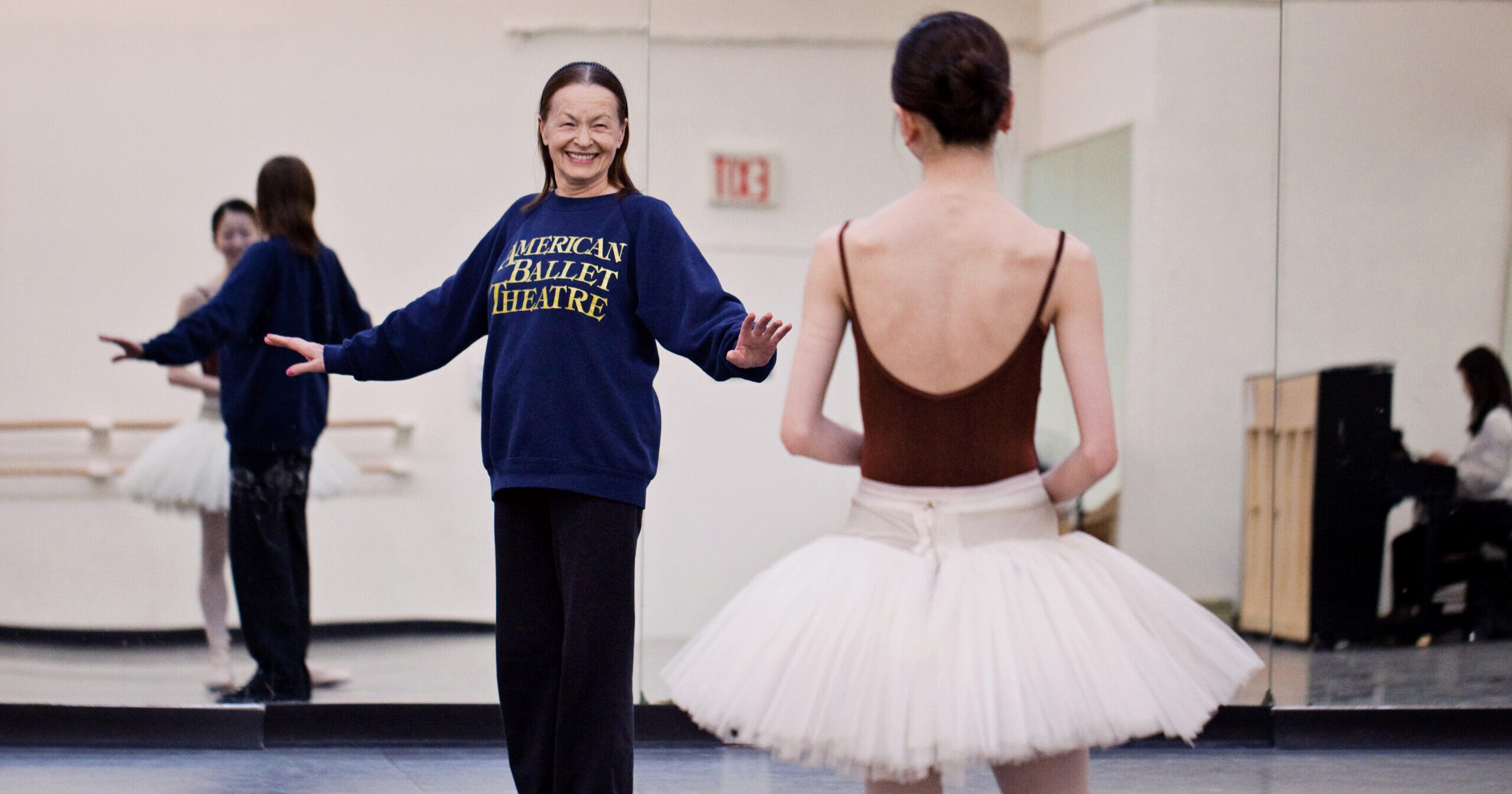
Celebrating a Legend: ABT Honors Irina Kolpakova on June 20

Certain words come up a lot in conversations about Irina Kolpakova: Passion. Wisdom. Treasure. Legend. And rightly so. The epitome of the 20th-century Russian ballerina, Kolpakova was a top student in the last graduating class of Agrippina Vaganova at the Leningrad Choreographic School and a star of the Kirov (now Mariinsky) Ballet from the 1950s through the 1970s. She thrilled audiences with her scintillating technique and dramatic range in Giselle, Sleeping Beauty, and Raymonda, and in roles created on her, like Shyrin in Yuri Grigorovich’s 1961 Legend of Love. Her partners included Rudolf Nureyev, Yuri Soloviev, and Mikhail Baryshnikov (she performed with him as a fellow guest artist during the Bolshoi Ballet’s 1974 Canada tour that led to his defection) as well as her husband, Vladilen Semenov. Russia bestowed its highest civilian honors on her artistry.
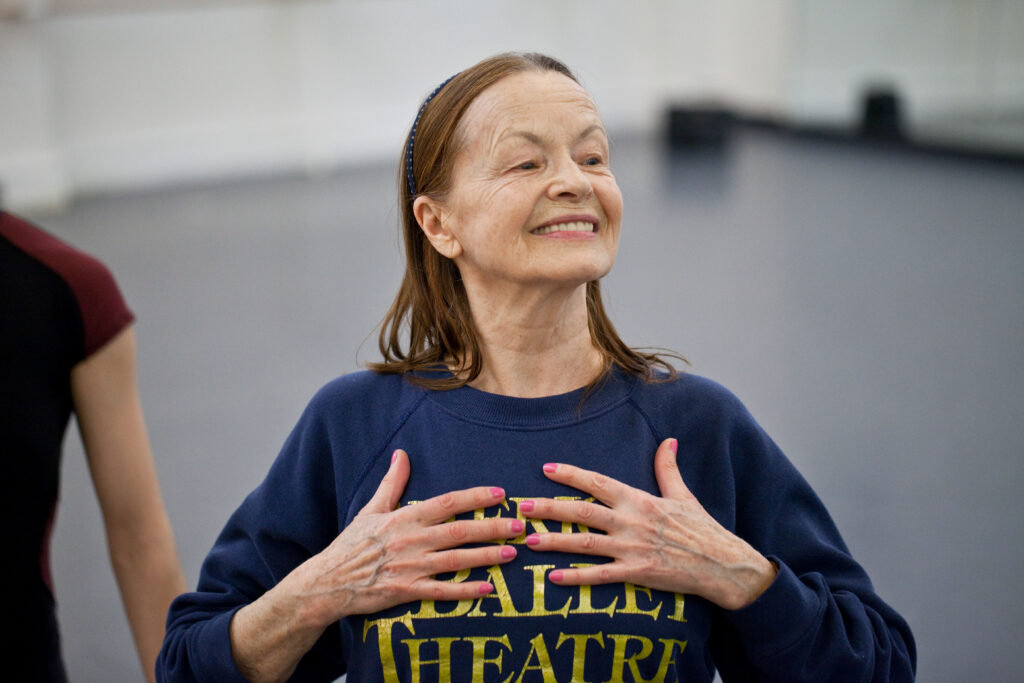
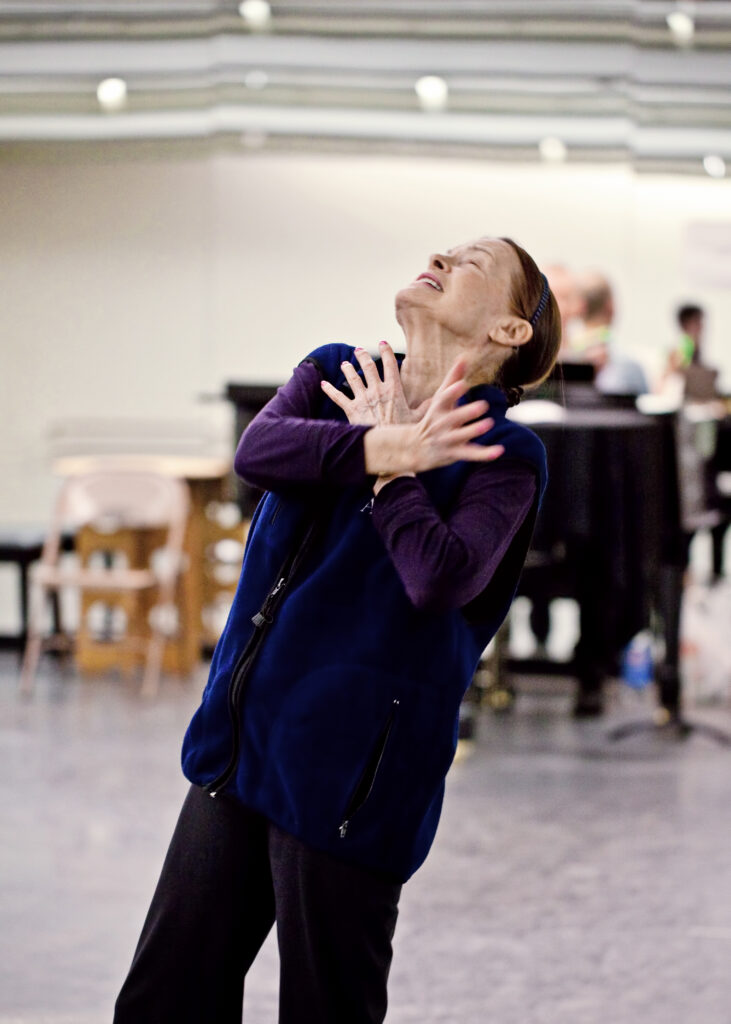
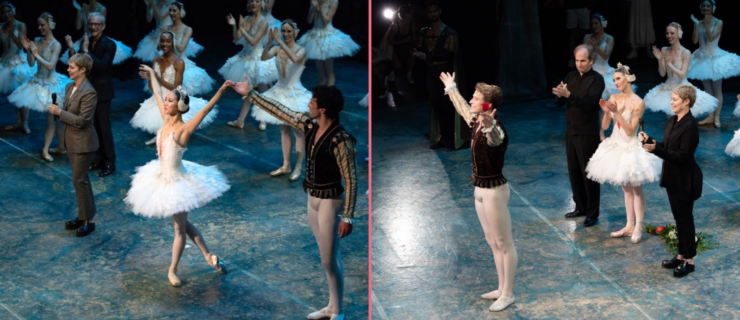
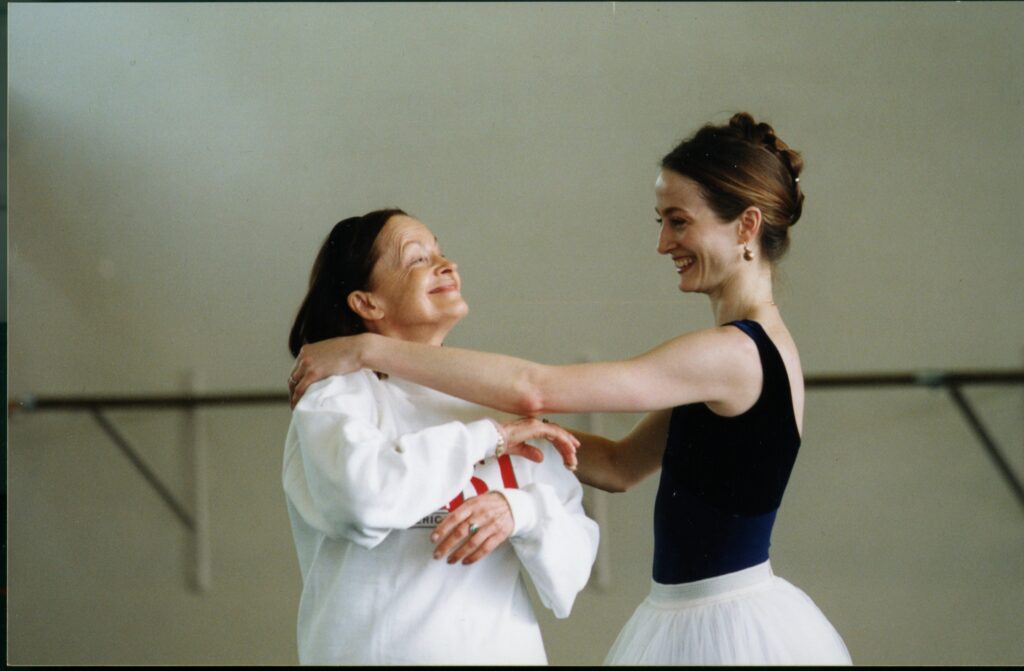
On June 20, she’ll be recognized by American Ballet Theatre, where for decades she has coached leading dancers from Misty Copeland to current artistic director Susan Jaffe. (Jaffe was the first ABT ballerina Kolpakova worked with in 1989, and since then they have become as close as family—they even share a May 22 birthday.) The champagne toast, which follows the evening performance of Swan Lake at New York City’s Metropolitan Opera House, will be a celebration, not a farewell. At 93, Kolpakova is as insightful, passionate, charming, and wise as ever, and she has no plans to retire. Pointe sat down with Kolpakova and Jaffe to get the story.
Irina, what do you value most about your training with Vaganova?
Irina Kolpakova: Best training in the world. Because Vaganova trained us to make connections—not only the legs work, or arms work, or body bends. All your body is working.
What do you tell the dancers about that now?
IK: I am not telling them about that. ABT dancers are so talented physically. They can do everything; it’s no big deal for them. Yet it’s very important to make the work easier.
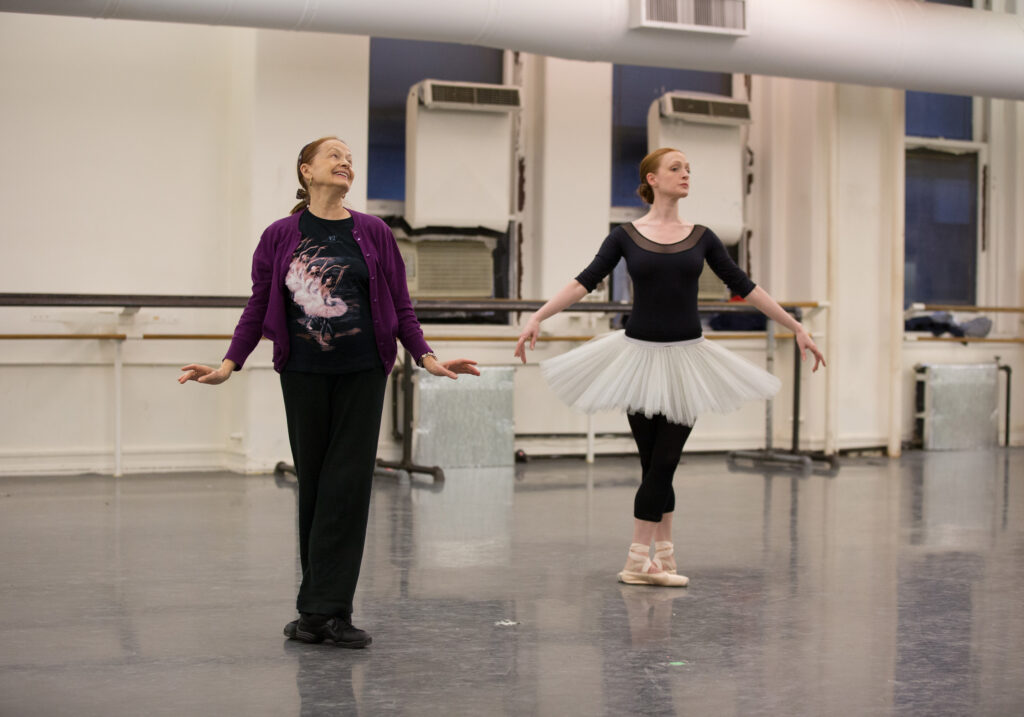
Susan Jaffe: When she watches a dancer, she sees what they need. Sometimes she shows the coordination, or how they have to reach even further, or gives them insight about the character. And the longer she has been here, the more the company has this higher level of classicism.
IK: Susan was the first who was not afraid, and wanted to work with me when I came [in 1989].
SJ: Everybody else was afraid. I recognized that there were things I was missing, and so I stood in front of her, in parallel, with my arms to my side, and I said, “Teach me like I don’t know anything.” I have to tell you how it came about—Misha [Baryshnikov] pulled me into a room, and he put a VHS [tape] in the machine. I saw this beautiful ballerina dancing Raymonda. It was so magnificent, I started tearing up. Misha said, “She was my mentor. Would you like to work with her?”
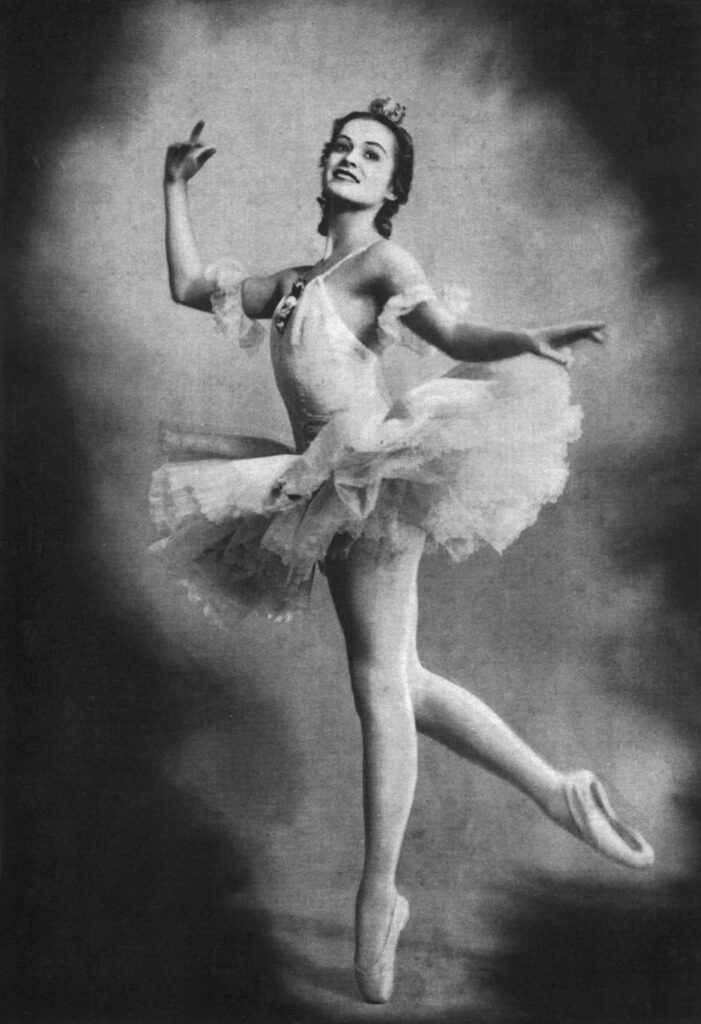
Photo courtesy Kolpakova.
The video of you in Raymonda is breathtaking.
IK: I don’t know. Anything I did onstage was because I had good teaching.
SJ: She says, “I don’t know,” but she rehearsed and rehearsed and rehearsed, just like everybody else. Onstage, it appears to be magic, but there’s so much work behind being free and being at that level.
Susan, how did her coaching change your dancing?
SJ: It changed everything. One day I said, “Oh my gosh, it’s so much easier.” And she said, “Syuuzan”—she called me Syuuzan—“I spent my whole life trying to figure out how to make things easier.” I became more musical, I became freer, I became more joyful.
IK: Absolutely right about easier. Sometimes after a hard act [in a ballet], you cannot move, you cannot breathe. You need to find an easier way—but the right way, right movement. Susan was a very good professional dancer before we met, but I just made it easier!
What makes the bond between the two of you so strong?
IK: Because we love each other.
SJ: We love each other.
IK: It’s very simple.
If you could say just one thing to the dancers you coach, what would it be?
IK: I say that they should be happy onstage and feel comfortable. Don’t think about how you need to do the step. Everything is supposed to be absolutely organic, what is comfortable for you. You sit like me now [Points to herself in the chair.]—they are supposed to feel the same onstage. But more physical! [Laughter.]
Do you plan to keep coaching?
IK: Yes. I am not young, I am old. When she became director, I told Susan, “If you want to have somebody else, it is absolutely normal. Only tell me first. I absolutely understand.”
SJ: And I said, “You can never leave me, ever, ever, ever.”
IK: When somebody asks me “Irina, how do you work?”—nobody understands how I can work. It’s very simple. I am happy here. I never feel stress in this building. I don’t know how to express it—it’s very special for me to be here. I’m lucky that I came here. And I love the dancers.
You love your life.
IK: Yes. Everybody’s supposed to love their life. It’s easier to live.