Why Kade Pyle Turned Off the Camera as the Dance World Debates Filming in Class

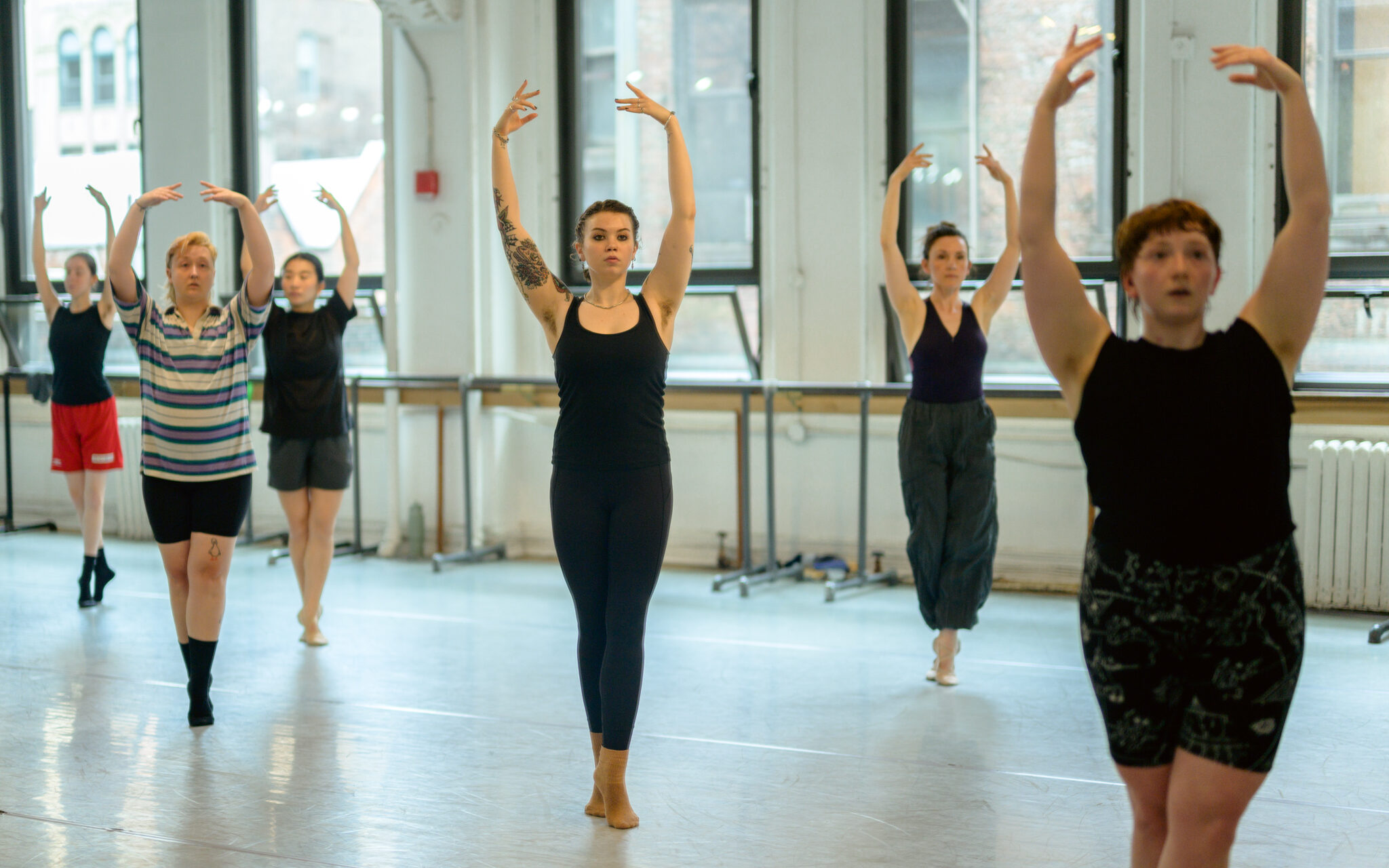
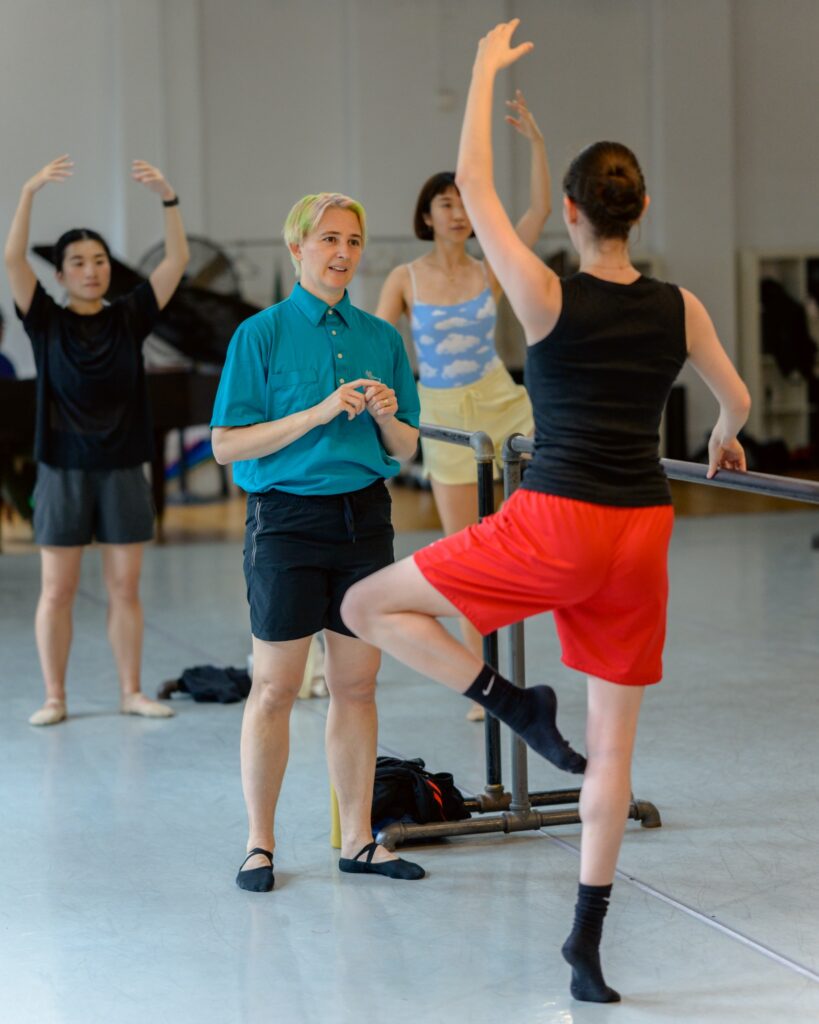
Kade Pyle has spent years welcoming dancers who don’t see themselves represented or feel like they belong in traditional ballet spaces. Pyle, founder of the New York City–based company Ballez, used to post videos of their inclusive open classes on Instagram like beacons calling people to—or back to—the art form.
“I wanted young people in the middle of the country or in isolated places to see queer, trans, nonbinary, and gender-nonconforming dancers that were amazing doing ballet, and to also see people that were learning,” says Pyle, who uses they/them pronouns. Pyle would intentionally film “the whole class going across the floor,” for example, “because I want to show that all of these ways that people are approaching this are really, to me, beautiful.”
But in April, Pyle announced on Instagram and Substack that they’d be “turning off the camera” for the foreseeable future. The videos once felt like a source of joy, hope, and inspiration that extended the sense of community in the room. “In the best of times, the class videos were people kind of proclaiming who they are and being proud,” Pyle says.
As the second Trump administration began issuing executive orders and taking actions targeting LGBTQ+ rights, including efforts to roll back federal DEI programs, end gender-affirming care, and block trans women from competing in women’s sports, Pyle noticed a dropoff in attendance.
Class, to Pyle, is “sacred.” At a time when “the sense of safety has been eroded,” they say, they wanted to keep creating spaces where people could feel safe, take risks, and get better. “In this moment, it has felt like turning off the cameras has been a way for that to happen.”
Pyle’s decision to stop recording is set against the backdrop of a larger debate in the dance world about if, and when, it’s appropriate to film in class, whether initiated by the studio, teacher, or individual students. At its core, the conversation is about privacy, consent, and competing desires: to capture footage for posterity, self-evaluation, self-promotion, and content creation, and to explore, learn, discover, and fail without an audience.
A Hot-Button Issue
Much of the chatter about filming in class is happening offline, but dance- and ballet-focused influencers like Bianca Scaglione, Caitlin Bond, and Katelyn Power have weighed in publicly, as well.
“It can completely change the atmosphere of the room,” says Power, a graduate student and recreational dancer who has nearly 500 thousand followers on her ballet-focused TikTok account. “Even if it’s not intentional, even if you think you don’t care, your actions will change slightly when you are aware of being watched” or filmed, she says, citing the observer effect. “This isn’t necessarily what you’re signing up for when you’re coming to class.”
Many studios, such as New York City’s Steps on Broadway, let students know in advance if class is being formally filmed. According to Leah Conte, Steps’ director of marketing and communications, the studio places a camera icon on the website and keeps a filming schedule at the front desk. By registering for those classes, she says, students are agreeing to be filmed.
But the issue of consent also arises when an individual dancer starts recording, sometimes surreptitiously. Some professional dancers and many content creators feel pressure to post on social media constantly to boost visibility, engagement, and job prospects, or bring in much-needed income. While they may be focused on capturing footage of themselves, others are caught on film around them.
As a content creator, Power says she understands the urge to share authentic moments as you take class and go about your day. She was nevertheless surprised when some commenters on her post about the topic put the onus on dancers in the background to step up and say they don’t want to be filmed. In her view, “consent should be something that’s given and not the baseline.”
The presence of a camera may not faze pros in peak shape or influencers accustomed to sharing their lives online. But open classes also draw recreational dancers. “People are already putting themselves in a vulnerable place if they’re starting ballet for the first time just by walking in the room,” Power says, without the added concern of “what’s going to happen to that image of themselves online.”
While Power sees value in watching footage of yourself to improve technique, she questions “if that tool is worth the discomfort that it could cause other dancers.” Plus, even a supposedly private video might not stay that way. “You never know in the moment what’s going to happen to a video once it’s been taken.”
Higher Stakes
In the case of Ballez, filming raises universal questions and the added considerations of already exposed and targeted populations.
For Emory Ferra Campbell, a Ballez class regular since about 2022, the videos were initially a draw. “I had literally never seen myself do ballet before,” she says. “I could self-correct in a way that was super-useful.” And after shattering her ankle during the pandemic, “I was really excited to be able to share my new capabilities,” she says, and “track my own progress.”
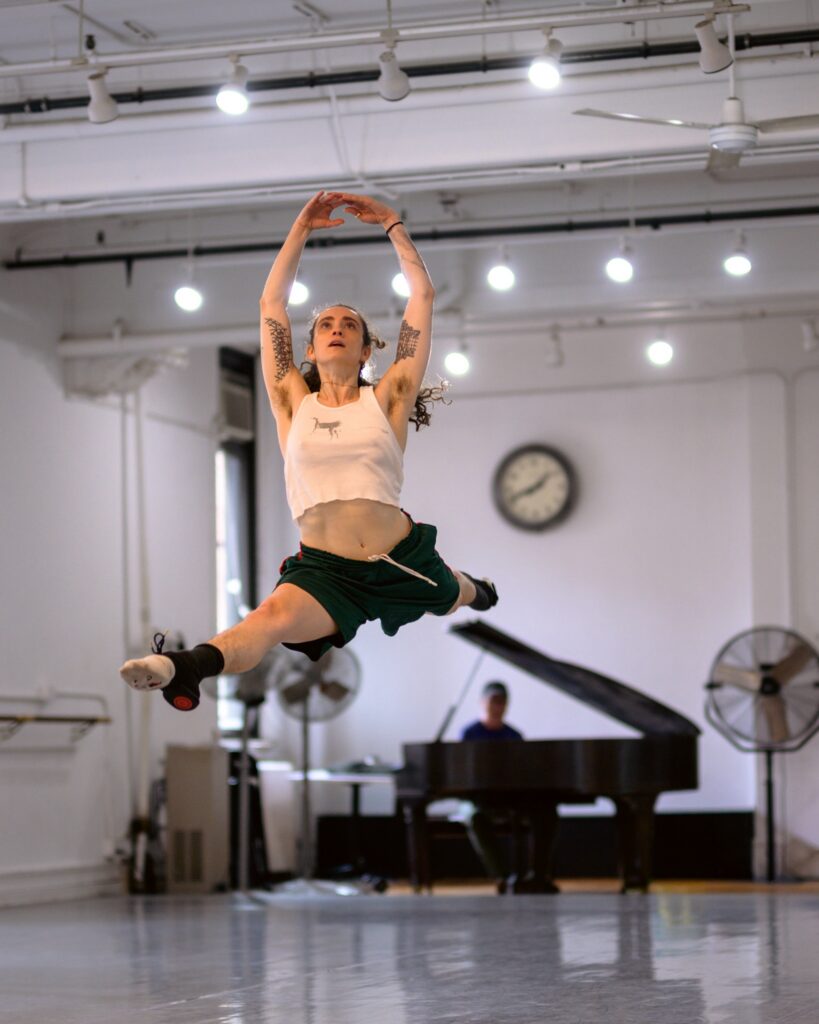
At the same time, as Campbell recovered from her injury, she discovered that “trying to dance in a body that’s maybe different than the one that I was trained in is really vulnerable and scary.” She also noticed that some friends resisted joining her in class because it was being filmed.
Campbell admits that the stakes got higher whenever Pyle pulled out the camera. “But that didn’t necessarily help my dancing, especially because in the way that they teach, they’re asking us to take some risks…which opens the door for us falling and stumbling and not being as clean and perfect as we might want to be.”
The pause in filming has eased that, Campbell says. “We can just be exploring the whole time.” As someone who loves being around other queer dancers and has become wary of some social media, she adds, “keeping things real and in person is the safest way to exist in this political landscape right now.”
Pyle has also noticed a change since putting the camera away back in April. “The dancing in the room is growing, the community in the room is growing, the people that feel invited and that feel safe to come has grown,” they say, though they acknowledge that Pride Month and casting for their new show may have contributed to increased attendance.
“I’m not done with this experiment,” they say. “I want to see what happens.” For now, it feels right, Pyle says, and “if that changes, then it’s going to change. I will turn the camera back on.”