From Venezuela to Virginia: Zoila Peña Shines at Richmond Ballet

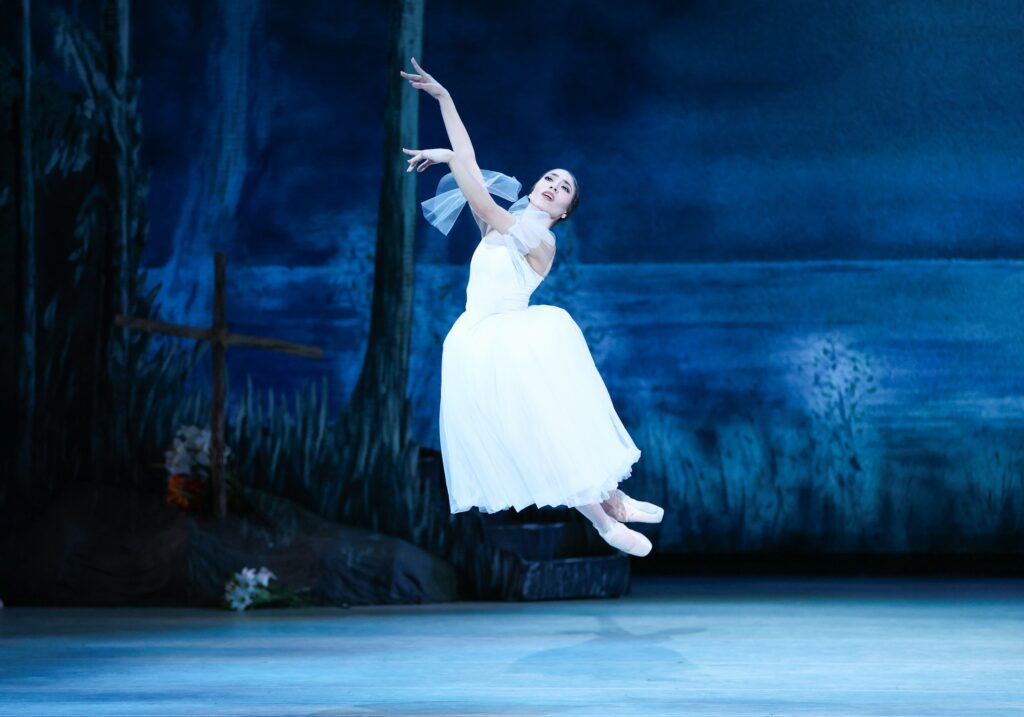
In her portrayal of Giselle last season, Richmond Ballet dancer Zoila Peña gave a master class in the imagery teachers use to inspire their students. She seemed to serve a delicate teacup on a perfectly turned-out heel; she carried her upper body as if wearing a glittering necklace, presented to the highest balcony in Act I’s every ballonné, hop on pointe, and mimed gesture.
By the time she donned Bathilde’s jeweled pendant later in the act, Peña had the audience entranced. Her love of dancing was evident: exuberant and sweetly gracious, but not without sacrifice, a truth mirrored in Peña’s life story. Originally from Venezuela, she started her career as a teenage first soloist at Ballet del Teatro Teresa Carreño (BTC), rising to principal before emigrating to the U.S. in 2024 in search of more economic security. She left behind her family and a homeland that has faced significant political strife and a devastating earthquake in the two short years since her departure.
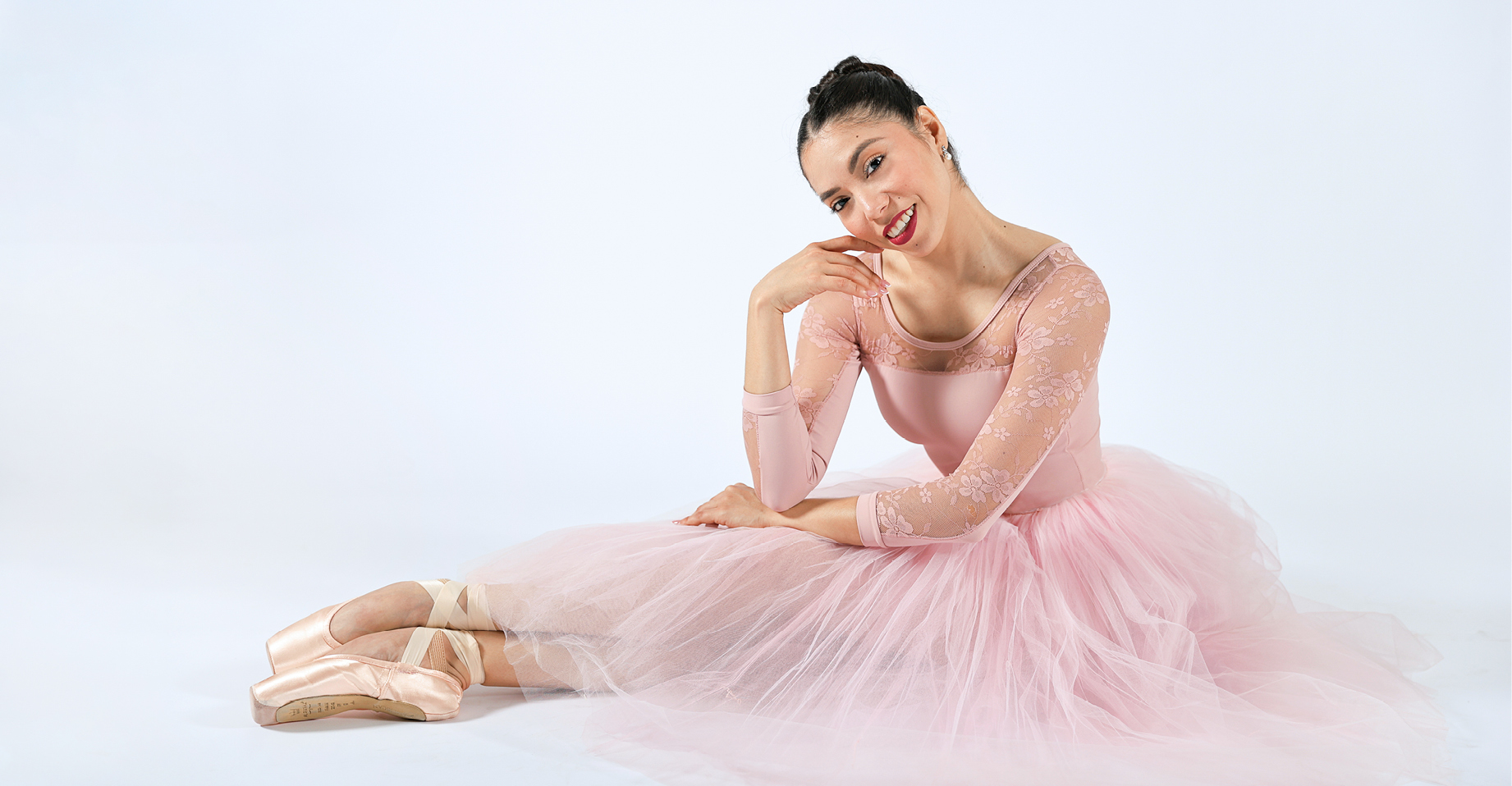
Now, at 26, she’s a rising star at Richmond Ballet. As evidenced in her Giselle portrayal, and by her ability to seize every chance in front of her, Peña’s love of ballet—nurtured by deeply supportive mentors—is wholehearted and bigger than herself.
A Small Rebellion
Peña was introduced to ballet at age 8 while watching her cousin take a summer class at Fundación Barijazz in Barinas, Venezuela. “When I was in that studio, it was like, ‘That is what I want,’ ” recalls Peña. When she asked if she could take up lessons, her mom wasn’t able to say yes. “It was just her; I never met my father,” Peña explains, “ and it was so difficult for her to pay.”
But Peña’s 11-year-old cousin had 50 bolivars and a rebellious idea. She asked her father, Peña’s uncle and godfather, for the remaining money to register Peña for classes that summer. She fibbed about Peña’s mother’s approval, lent her dancewear, and even completed the registration paperwork.
Peña laughs when she thinks of that first day, her unpracticed bun oblong “like a big carrot,” she says. While her aunt was displeased at the ruse, Peña’s mom was understanding. Still, she didn’t allow her to go back to class, knowing she couldn’t pay ongoing tuition.
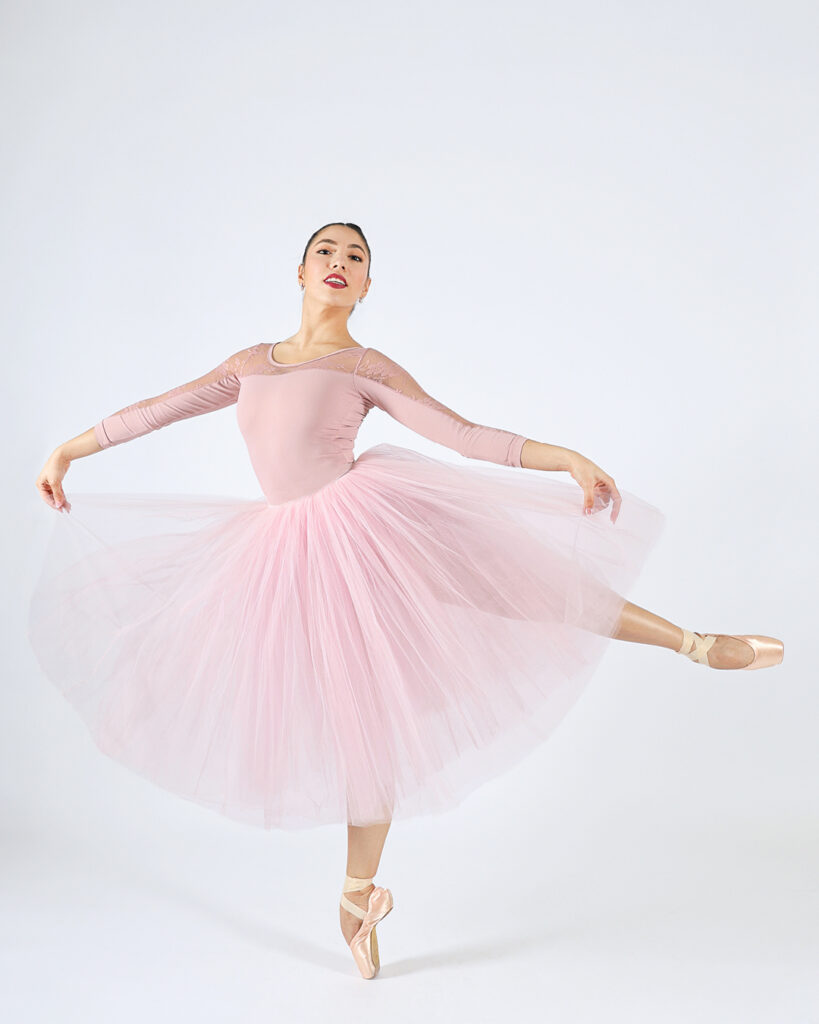
However, Peña had caught the eye of two teachers at the school, Levi Mocharrafich and Héctor Trejo, one of whom asked her cousin about the talented girl they saw in class that day. After a call with Peña’s mother, they not only offered her a tuition scholarship, they helped pay for her dancewear and other supplies.
Four years later, when Mocharrafich and Trejo opened Ballet Estudio Central outside of Valencia, Venezuela, they invited Peña and her mother to move in with them so that she could attend. They also took over all the costs associated with her training. “ I couldn’t have my biological father, but I won two beautiful angels in my life,” says Peña, “and my mom won two brothers.” In a joint email, translated from Spanish to English, Peña’s dads, as she calls them, said, “Zoila always maintained a resolute attitude toward ballet as a profession; that determination, combined with her immense talent, made her dream our own.”
Professional Life in Venezuela
It was a dream realized sooner than all four could have imagined. After training at Ballet Estudio Central for five years, Peña auditioned for Caracas-based Ballet del Teatro Teresa Carreño’s Nutcracker production. Rather than a student role or second company contract, the director offered the 17-year-old a first-soloist position.
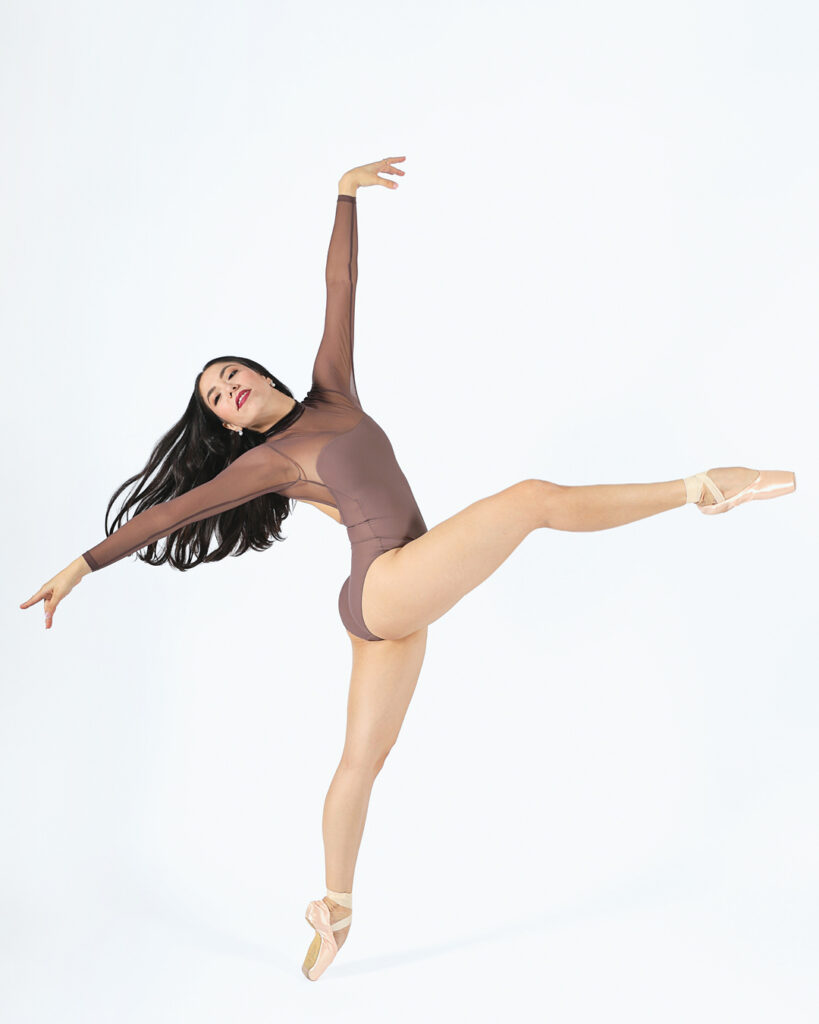
Peña says dance companies in Venezuela are more narrowly focused, stylistically, than those in the U.S. The closest thing she had to a different style growing up was some occasional Cuban flair to her otherwise Vaganova-style training—never jazz or contemporary. Other than a few neoclassical pieces by BTC’s late artistic director, Vicente Nebrada, Peña danced exclusively classical and romantic ballets like Paquita, Swan Lake, Coppélia, and Giselle.
She stayed on the fast track, becoming a principal with the company at age 21. Yet, despite her swift rise, professional life in Venezuela had its challenges. Peña says the theater they performed in was stunning, with a stage so large it was like dancing in a “galaxy.” But the country’s difficult economic conditions caused the facilities to become rundown, and BTC performances were often canceled. Peña had to take on three additional jobs teaching to make ends meet.
Though she speaks fondly of her time in the company and felt grateful to serve as an inspiration for future generations of Venezuelan dancers, she was ready for change.
A New Opportunity
Peña found another pair of supportive teachers exactly when she needed them. Iliana Lopez and Franklin Gamero, co-artistic directors of Gulfshore Ballet in Fort Myers, Florida, discovered her through other Venezuelan dancers they followed on social media. The pair, former Miami City Ballet principals who are also Venezuelan, reached out to Peña about sponsoring her to come to the U.S. They offered to coach her so that she could use Florida as a launchpad for auditioning. Peña jumped at the chance, arriving in Fort Myers in August 2024.
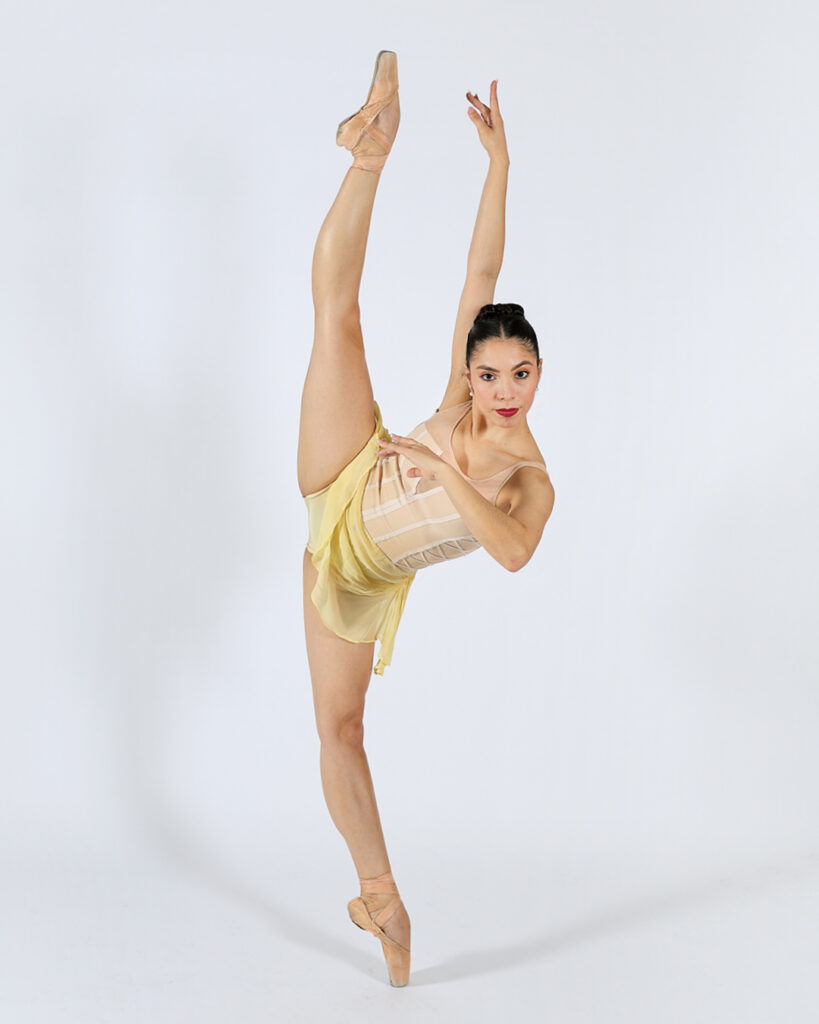
Lopez and Gamero started preparing Peña for that January’s 2025 Miami International Ballet Competition, where she could be seen by multiple directors at once (and where she’d end up winning first place in two categories). It just so happened that around that time, Richmond Ballet artistic director Ma Cong, who was looking for dancers, heard about Peña through his trainee program coordinator, a former colleague of Lopez and Gamero’s. She connected Ma with the couple, who sent him Peña’s materials. “ I just saw this beautiful développé écarté rond [de jambe] to attitude,” says Ma. “Her extension was unbelievable.”
He encouraged Peña to attend Richmond Ballet’s audition in Miami that winter, which she did. Knowing her background was almost exclusively classical, he taught her some of his own contemporary choreography. Ma was impressed when she quickly picked up the unfamiliar style. “Before I left for Miami, I actually had my contract draft ready,” Ma admits. He offered it to her on the spot.
Home, Here and Abroad
Peña’s U.S. work permit was approved in time for her to perform Sugar Plum Fairy, among other roles, in Richmond Ballet’s Nutcracker that December. Her Cavalier, Khaiyom Khojaev, says Peña is a kind, generous partner. “ If something doesn’t work, we always ask each other ‘Am I doing something wrong, or can I change something?’ It’s always so nice to communicate and easy to work with her,” he says. Khojaev himself emigrated from Tajikistan, and he and many of the other company members have gone out of their way to make Peña feel at home.

Indeed, being away from her loved ones has been difficult. Both her mom and one of her Venezuelan dads experienced illnesses that Peña wasn’t able to return home for. And during the devastating Venezuelan earthquake in June, the building next to her mother’s had to be evacuated. “ I was so scared,” Peña says. Luckily, her family remained safe, and her dads and mom are doing better, but she still hasn’t been able to return since leaving home.
She hopes her mother will be able to visit Richmond soon, but in the meantime, Peña’s fellow dancers, the artistic staff, and her new dog—“Gordo, like ‘Fatty’!”—help abate some of her homesickness. She has also learned not to shy away from those emotions onstage. “Sometimes you can grab private feelings to express in the ballet,” she says, recalling how rehearsing and performing Giselle often left her in tears. Peña is challenging herself stylistically, too: “My comfort zone is still classical ballet, but I love contemporary.” She performed her first contemporary piece in flat shoes this year, and she’s eager to work with new choreographers.
Ma, in his third season at the helm of Richmond Ballet, plans to continue challenging her. “She’s still learning how to control her force,” he explains. “It’s a learning process that reminds me of when I came to this country. A lot of dancers are so eager. You have this energy inside of you, you have the training, you have everything ready, but you just need more opportunities to push you further.” In addition to more contemporary rep, he plans to give her acting chops plenty of space to shine in big narrative roles.
Peña is ready for it all, she says. “ I’m excited to keep giving to Richmond Ballet my spirit and my love for dance.”