4 Reasons to Consider Going to a Winter Intensive

As the year winds down post-Nutcracker, most dancers (and much of the rest of the world) get a chunk of time off. Some relish the break. But others find themselves itching to get back into the studio.
Enter: winter intensives. Typically held in late December or early January, these programs have blown up in popularity over the past few years. “Dancers are always looking to find ways to keep exploring during their breaks,” says Medhi Walerski, artistic director of Ballet BC, which will put on its third winter intensive this year.
Unlike in summer, these intensives typically only last a few days at most. But they can offer some real perks in a short time. Here are a few good reasons you might want to check one out.
Strengthen New Skills
Since they’re short, most winter intensives don’t have any sort of final performance, like you often find at summer intensives. So instead of spending time in rehearsal, the days can be spent learning other skills.
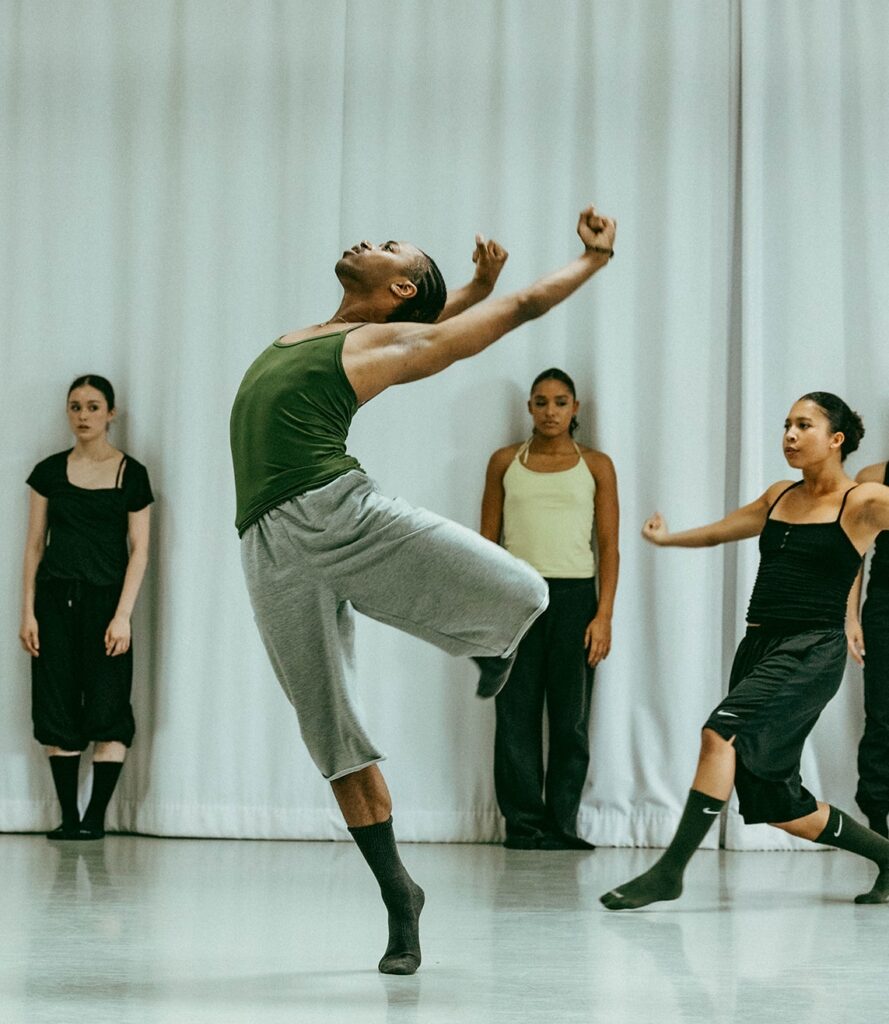
For instance, Walerski says his company’s four-day winter intensive this year is focused on teaching dancers to improvise and create their own solos—skills that he’s seen dancers struggling with at auditions. At Ballet Hispánico’s late-December intensive, dancers ages 12 to 23 will spend nearly two hours each day getting coached in a solo for auditions or competitions. At Nashville Ballet, the emphasis this year is on polishing grand pas de deux—from entrance to coda—to work on stamina and classical partnering skills.
Prep for Auditions and Competitions
As helpful as it can be to rest over the holidays, some dancers find it stressful to take time off right before audition and competition season. “You can start to lose the momentum of progression,” says Ani Boer Wesley, a principal teacher at Orlando Ballet School. “A winter intensive really helps you keep that finely tuned sensory feedback and muscle activation that you need to keep moving forward.”
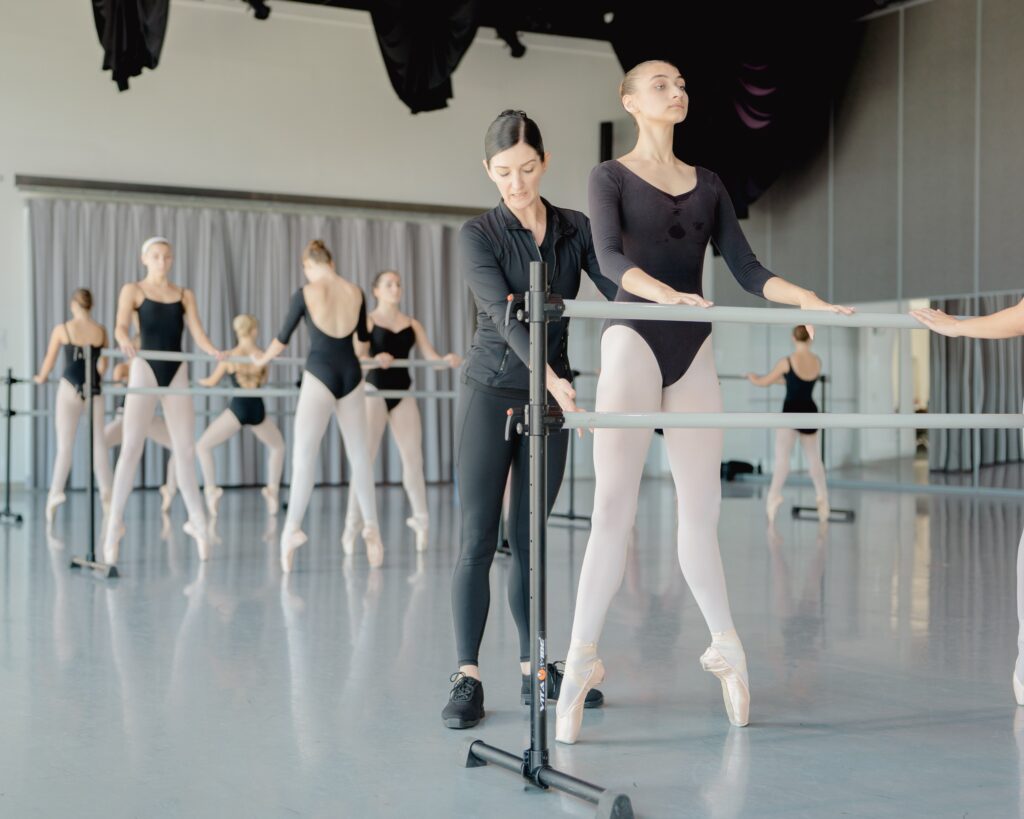
By spending several hours a day dancing, you can home in on anything that you want to refine for competitions and summer intensive or company auditions, whether that’s the precision of your petit allégro or just a more relaxed presence in front of the panel. For instance, Isabella Aletrakis, who attended Ballet Hispánico’s 2025 winter intensive, says the program boosted her confidence. “The technical focus alongside the mentorship from the faculty helped me feel sharp going into audition season,” she says.
Get a Quick Taste of a School or Company
Got your eye on a particular dance program or company? A winter intensive can be a way to spend a few days getting to know the culture from the inside out—without committing to several weeks of summer or an entire year of training (and the accompanying price of tuition).
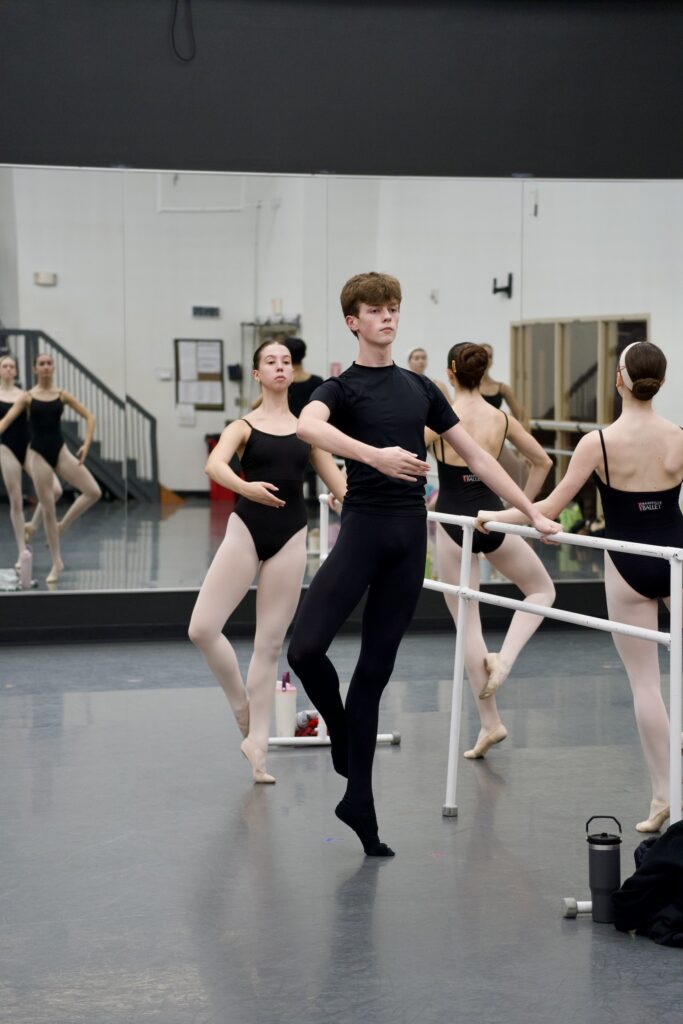
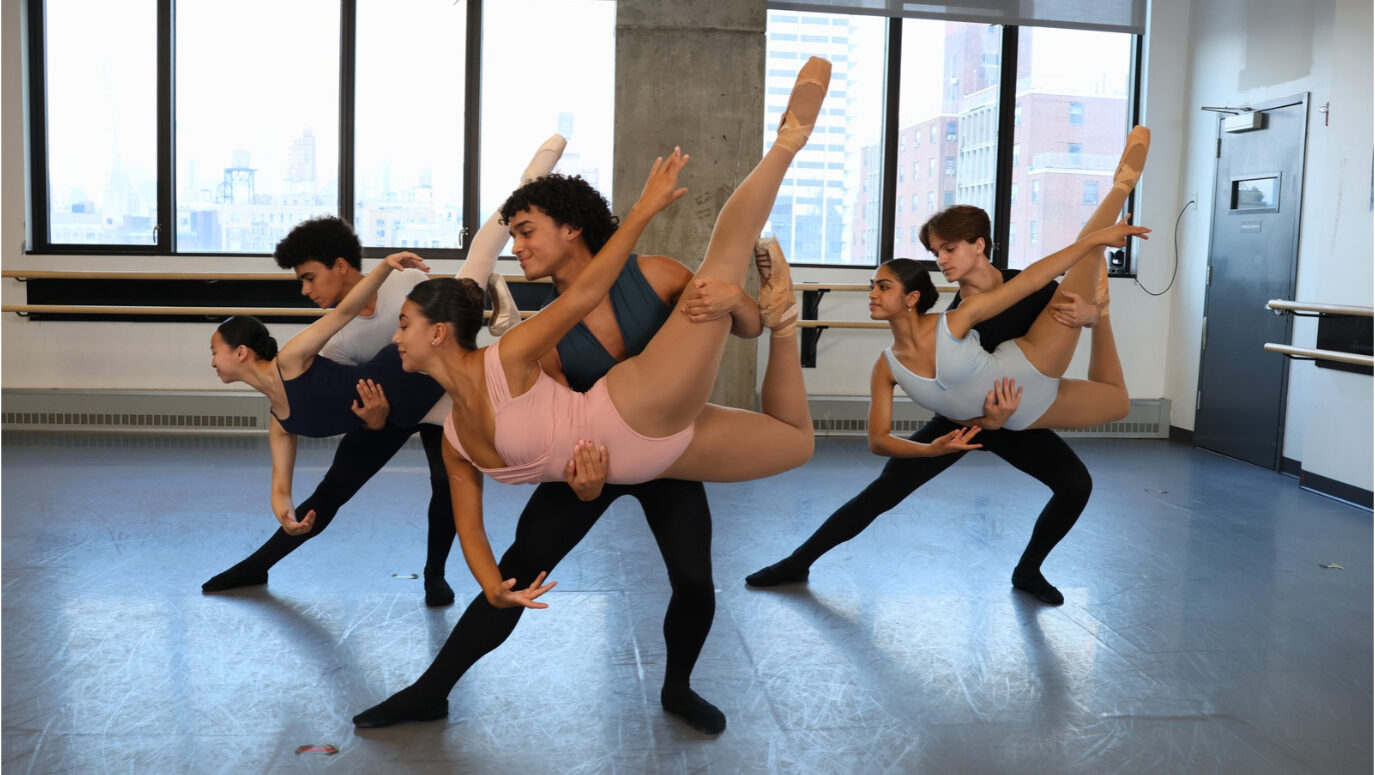
At both Ballet BC and BalletX, students take company class and learn company rep directly from current dancers in the organizations’ studios, getting an insider’s perspective of the troupe. On the other hand, Orlando Ballet School’s three-day holiday intensive is like a concentrated dose of the full-time program, with technique, contemporary, jazz, character, and conditioning classes.
Last year, dancer Gabe Salonga attended Nashville Ballet’s winter intensive at the recommendation of his teachers, to get a better sense of how the program operates. He ended up enjoying the experience so much that he asked to stay for the year, and he’s now a Professional Training Division student. “I am really glad that I started with the winter intensive—I was able to get a glimpse of how the program worked, and teachers and staff were able to see and work with me more than if I’d just gone to an audition or submitted a video,” he says.
Get More Individualized Attention
Summer intensives these days can be massive operations. Winter intensives, like BalletX’s, which is limited to just 28 dancers, often offer a more intimate experience.
Last season at Ballet BC, Walerski shares, “we had some people who did both the winter and the summer intensive, and they really enjoyed the winter because there was more space to ask questions and to bond.” He says company dancers talk about their experiences and other topics during scheduled lunchtime discussions, and participants are in smaller classes where they really get to know each other and the dancers who serve as faculty members. This means more one-on-one attention and more opportunities for casual—but potentially career-changing—interactions.