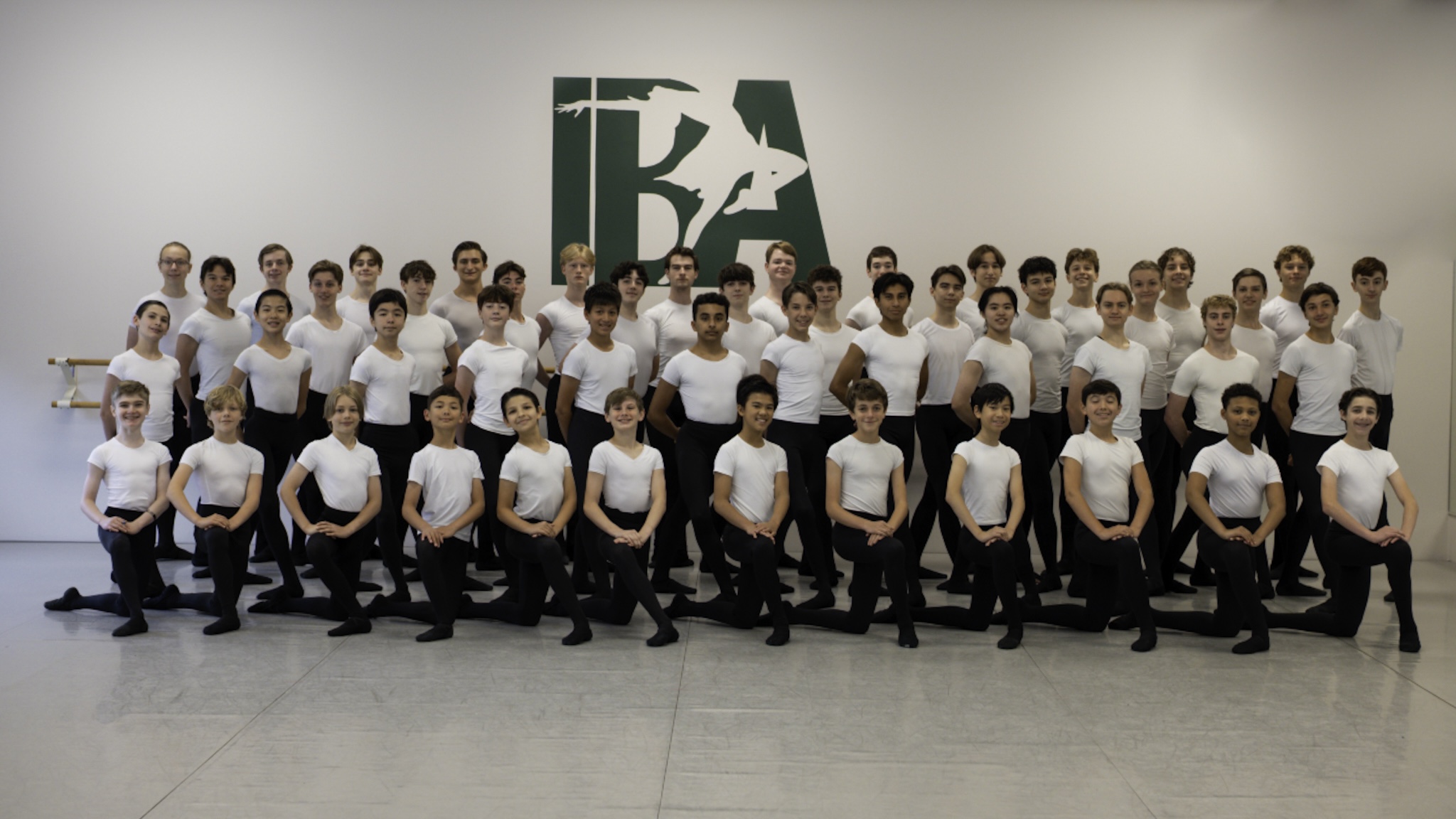
As Boys Ballet Summer Intensive Celebrates 10 Years, Co-Founder Patrick Frenette Wants Young Men to Know They Belong

Patrick Frenette knows firsthand what it means to find your place in ballet. The American Ballet Theatre soloist has been open about bullying he faced growing up due to the social stigma attached to being a boy in ballet. In 2016, he, his mother Kimber Frenette, and International Ballet Academy director Christina Fannéy co-founded Boys Ballet Summer Intensive in Cary, North Carolina, to give students of different skill levels a chance to connect and receive male-focused training. What started as a weekend session has since grown into a three-week intensive and partnering workshop, featuring faculty from major ballet academies.
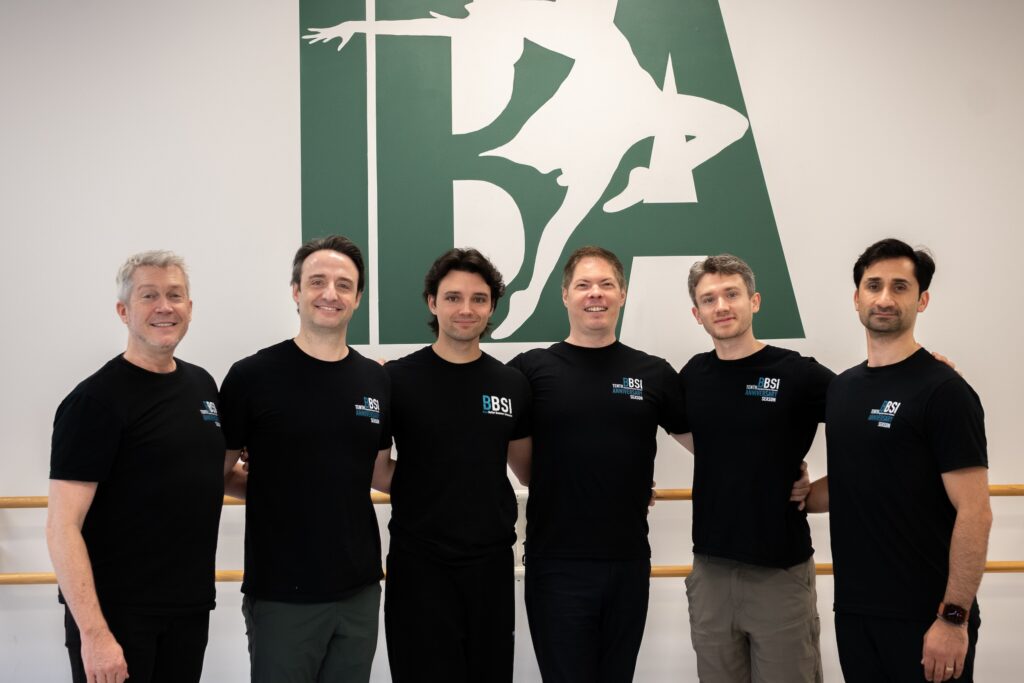
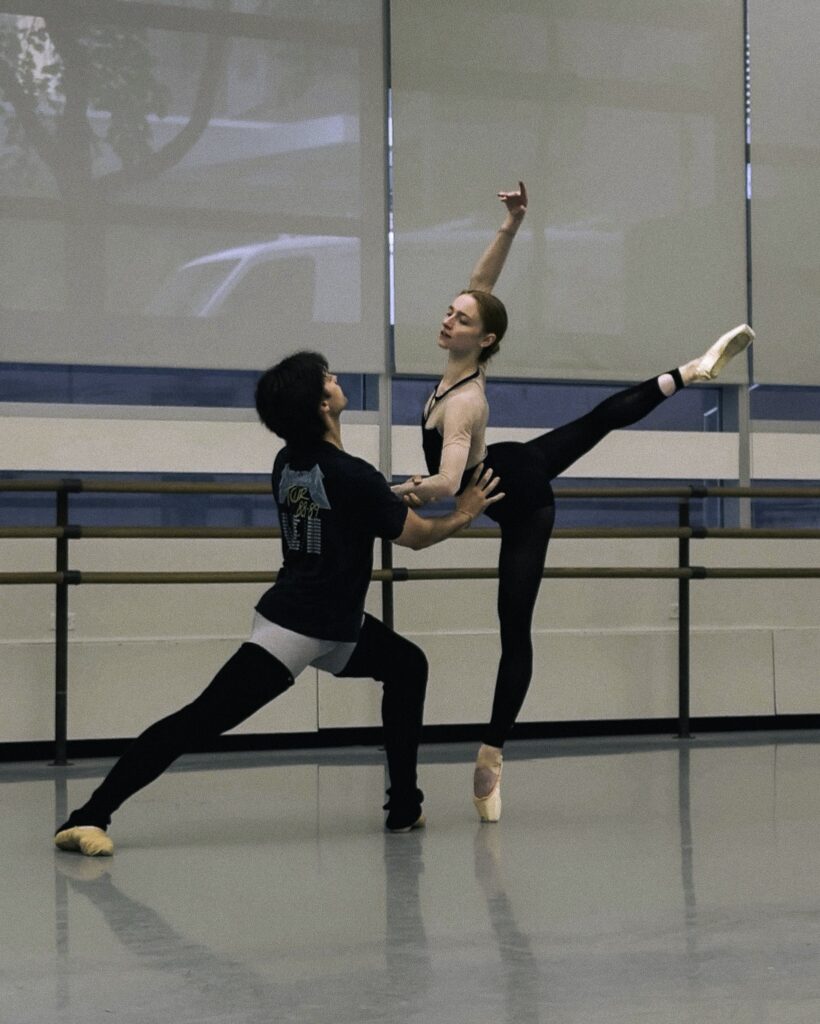
This summer, BBSI will celebrate its 10th anniversary with a gala on August 14 at the Fletcher Opera Theater in nearby Raleigh, bringing together current students, distinguished alumni, and professional guest artists. The program will feature excerpts from Alexei Ratmansky’s Seven Sonatas and Christopher Wheeldon’s This Bitter Earth, pièces d’occasion by ABT principal James Whiteside and Frenette, and additional choreography by ABT corps member Melvin Lawovi and Stuttgart Ballet’s Mitchell Millhollin.
Patrick and his sister Emma Lee Frenette, now BBSI artistic director, wanted to go big, remembering an anniversary gala they experienced as students at Vancouver’s Goh Ballet Academy that featured international guest stars. “It was immensely inspiring for us,” Patrick tells Pointe. “This will show our students the work that’s necessary to attain this level of excellence to make it to principal dancer.”
Below, Patrick talks about co-founding BBSI, whether he’s seen attitudes about boys in ballet change, and how to better support male dancers during their training.
Why did you co-found BBSI 10 years ago? What was the thought behind having an intensive that mainly focused on men’s training?
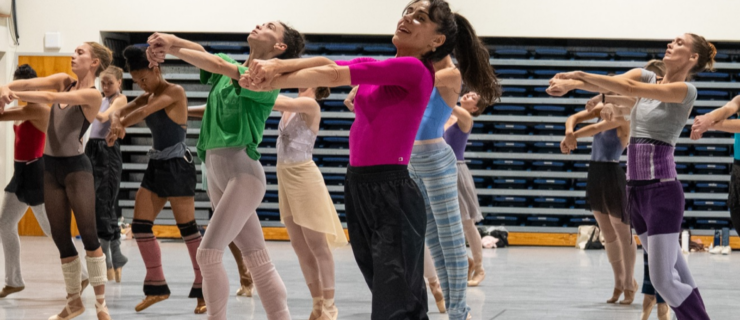
The mission behind BBSI is to provide the highest-quality dance training to gentlemen who find themselves rather isolated in the ballet community. If there is a studio with 20 young, talented female dancers, there might be one, maybe two young gentlemen who are questioning, “Do I belong? What is my position here? How far along can I pursue this?” BBSI started as a weekend workshop to welcome all male students who wanted to pursue ballet. The mission has always remained the same: bring together young men of diverse backgrounds and provide robust training. We have students who are maybe one or two years into their training, but also those from professional ballet academies.
People often talk about getting more boys into ballet, but less about keeping them there. What makes the biggest difference in whether a young male dancer stays with ballet, and how can the dance community better support them?
I think visual representation across a variety of outlets would be the most attainable solution. In regular society, there are still very outdated and harmful stereotypes that ballet is “only for girls.” It could help if the outside world could look at dancers not just as artists but as athletes. We train to be at the top of our game on a daily basis. If a mainstream brand like Adidas could tap a leading male principal dancer and do a comprehensive campaign, that would create so much change. I love it when musical artists and fashion industries hire actual dancers, but let’s take that one step further and involve everyone who represents ballet, including men.
Then there’s the dance-industry side of things. Go to a dance shop and there’s 15 different black camisole leotards. And tucked away in the corner, there’s one dismal dance belt, and one kind of ballet shoe. Or the [marketing] imagery for ballet companies, and for their merchandise, will be swans and tutus. Can we provide imagery, merchandise, and apparel that represents a larger male presence? Yes, there might be less of us, but that doesn’t mean that we’re not here. Being seen and represented will greatly improve the trajectory of boys who find themselves questioning their position in the ballet world.
You’ve been an outspoken advocate for boy dancers who face bullying, isolation, and stigma. Now that you are a soloist with ABT and a few years removed from your own student experience, have you seen anything change, or do many of the same challenges persist?
One of the greatest shifts is through the rise of social media. One thing it’s gotten right is the sense of community it builds for male dancers, because it reaches those young students in isolation. If I type in “Paris Opéra Ballet School” or the “Royal Ballet School,” I’ll see a class full of young men. That information is much more accessible, and it lets the guys see that just because they’re not in your ballet class, it does not mean that they’re not out there.
I was very fortunate to always find myself in a class full of other young aspiring male dancers. I didn’t have to experience what I see with these students who show up at BBSI. You can see the moment they register that they are now in a room of 30 to 40 other guys. It’s both exciting and enlightening.
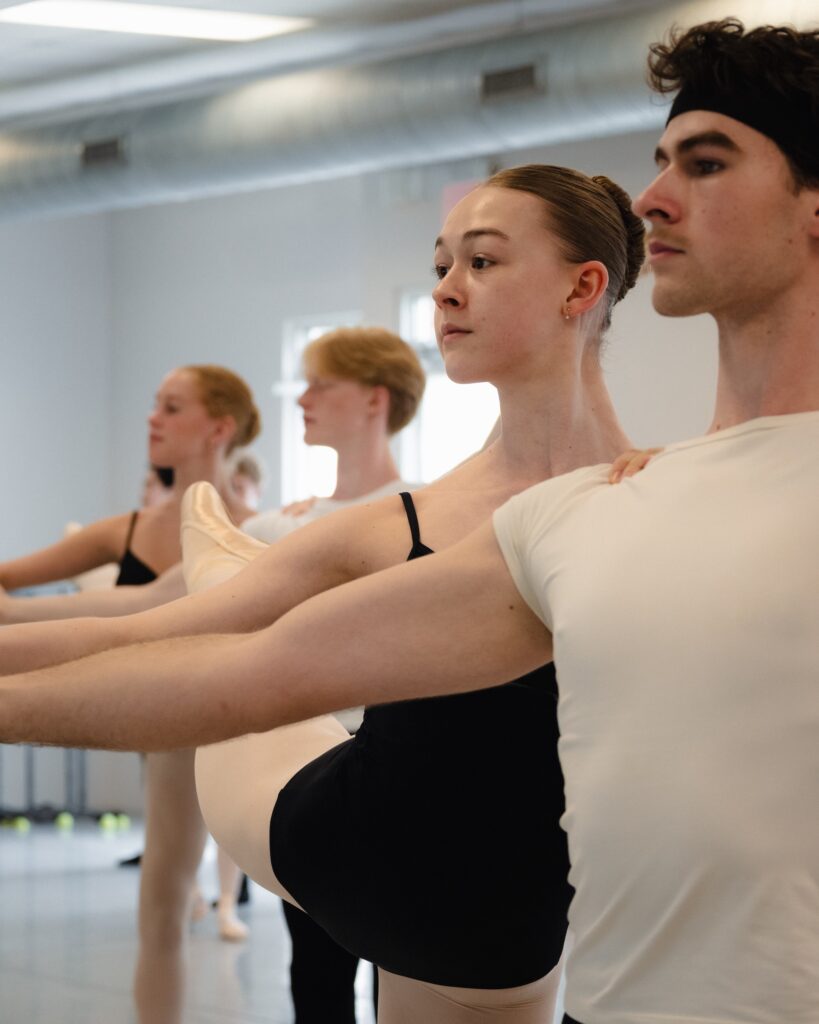
Boys in ballet can face bullying outside the studio, yet inside they’re in high demand and receive opportunities or attention that female students may not. What do you think about that dynamic?
You definitely see it in the smaller schools. Once they get to the studio, boys want to feel like they belong, especially if they are being bullied outside of it. And sometimes they get the run of the place because studios don’t want to over-discipline them, which would then cause them to leave and not pursue ballet. It’s not always the dancer’s fault when a school goes, “There’s an opportunity here, let’s make him the star of the show.” That’s not the best way to go about this. What’s important is that each student in the room, regardless of gender, is taught the same level of respect, etiquette, and consideration.
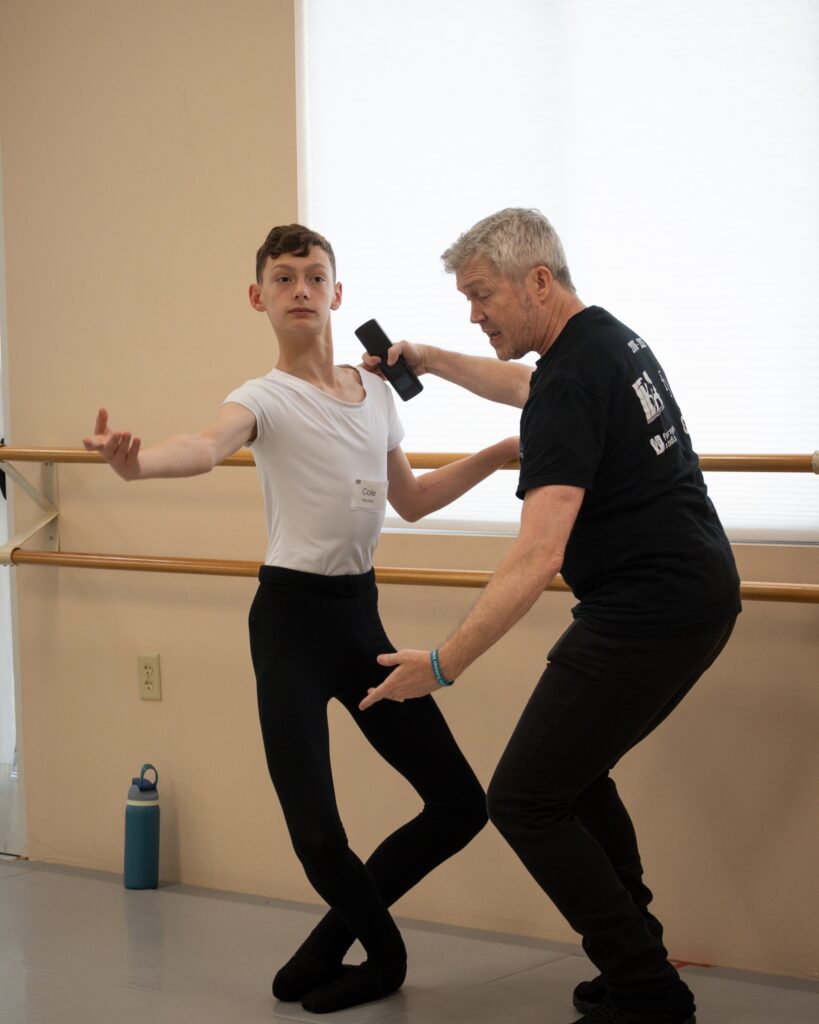
We try to do that at BBSI, imparting those lessons and the discipline, on the off chance they aren’t receiving them at their home studio. It’s about holding them accountable, while still motivating them to pursue ballet. It’s not the case that guys have it so much easier. That is not to devalue everything that a female dancer goes through, but to say that we have our own set of challenges that cannot be dismissed.
This interview has been edited for length and clarity.