Former Principal Ed Watson on Returning to The Royal Ballet and Opera Stage in A Single Man

While American writer Christopher Isherwood may be best known for Goodbye to Berlin, the 1939 novel that inspired Cabaret, this year it was his 1964 work A Single Man that inspired a new dance adaptation by British choreographer Jonathan Watkins. Set in early 1960s California, the story follows George, a gay, middle-aged professor grieving the sudden loss of his long-term partner, Jim, as he struggles to reconcile himself with his new reality.
Featuring songs by John Grant and composer Jasmin Kent Rodgman, costumes by Eleanor Bull and Holly Waddington (who designed Yorgos Lanthimos’ 2023 film Poor Things), and sets by Chiara Stephenson, Watkins’ adaptation stars former Royal Ballet principal Ed Watson in certain casts. (He shares the role with guest artist Jonathan Goddard.) Watson’s portrayal of George comes four years after he retired from the stage in 2021. “When I stopped being a principal at The Royal Ballet, I always said it’s not like I’m never going to dance again,” Watson tells Pointe. “The other rule I made for myself was that I didn’t want to do anything that I’d done before. So A Single Man was there, and it just felt like the right thing.”
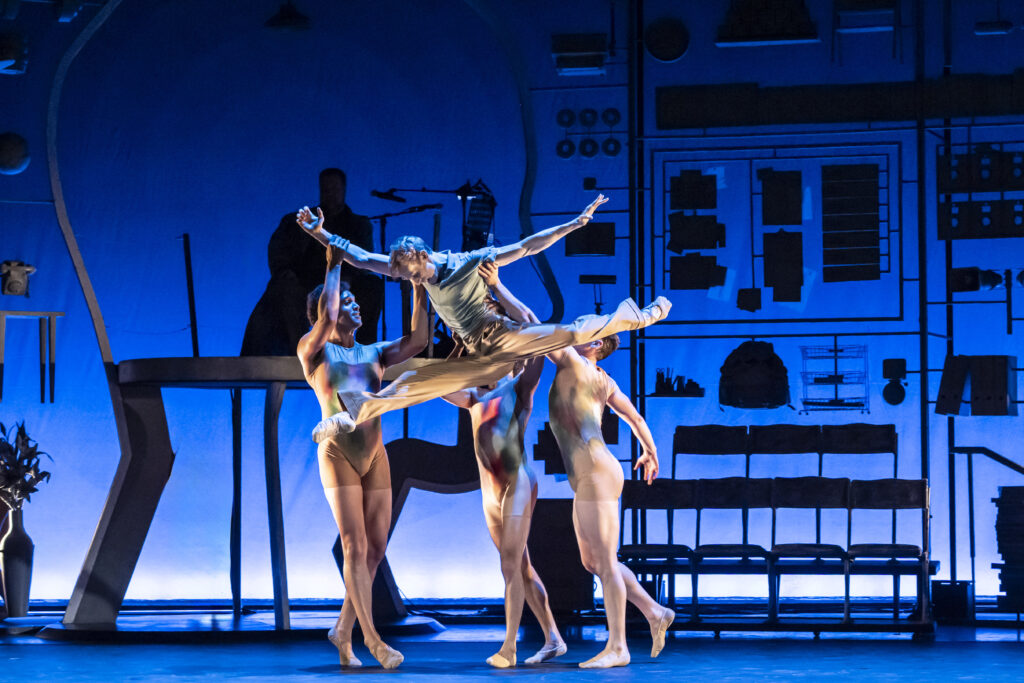
After premiering at Manchester International Festival in July, A Single Man heads to The Royal Opera House’s Linbury Theatre from September 8–20. Ahead of the run, Watson shares his thoughts on embodying grief, navigating midlife, and why he feels he has nothing to prove.
Had you read Isherwood’s novel before you started working on A Single Man?
Once the project got the green light, I watched the 2009 film starring Colin Firth and read the book. It’s been a really amazing piece of work to discover. There are themes of someone battling not just grief but their midlife; the idea of gay relationships not being recognized as serious; the importance of deep relationships and what the loss of one can do. I found it really moving and important, at this age, to have the opportunity to be part of telling that story.

You’re 49 years old—a similar age to your character, George. How does that inform your performance?
In dance, you sort of have this feeling that you’re older than you really are, because you have such a limited time to live your dance life. A Single Man explores that—looking at your body changing, what it used to be, and how it is now. You look at people who are young and remember that you used to have all of that.
As a more experienced performer, do you feel like you bring something else to the table, as compared to when you were starting out?
I don’t feel like I’ve got anything to prove. I’m slightly less wired and my life doesn’t depend on [performing] anymore. It’s like when you listen to an album and discover a bonus track. A Single Man is my bonus track. It’s a nice extra thing that I’m really excited to do.

The score has been described as giving voice to George’s internal monologue, while your role expresses his exterior reality. How do you balance these two aspects onstage?
In some ways, it allows my performance to be a little quieter. It would be overwhelming if we were all expressing huge feelings through the music, words, and movement. It was about letting each element do its own thing and finding the right balance—nothing overblown, nothing too quiet.
How would you describe the visual look of the ballet—the sets and costumes?
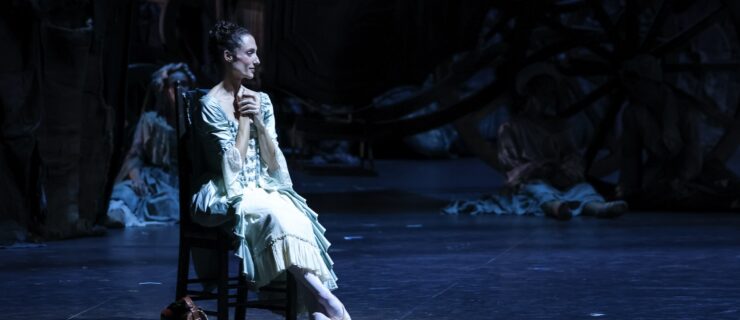
When someone dies and you clean out their house, you encounter all the objects that made them up as a person. Our set has this dusty feel to it that makes you realize that they’re just things. They’re not what you’re going to miss.
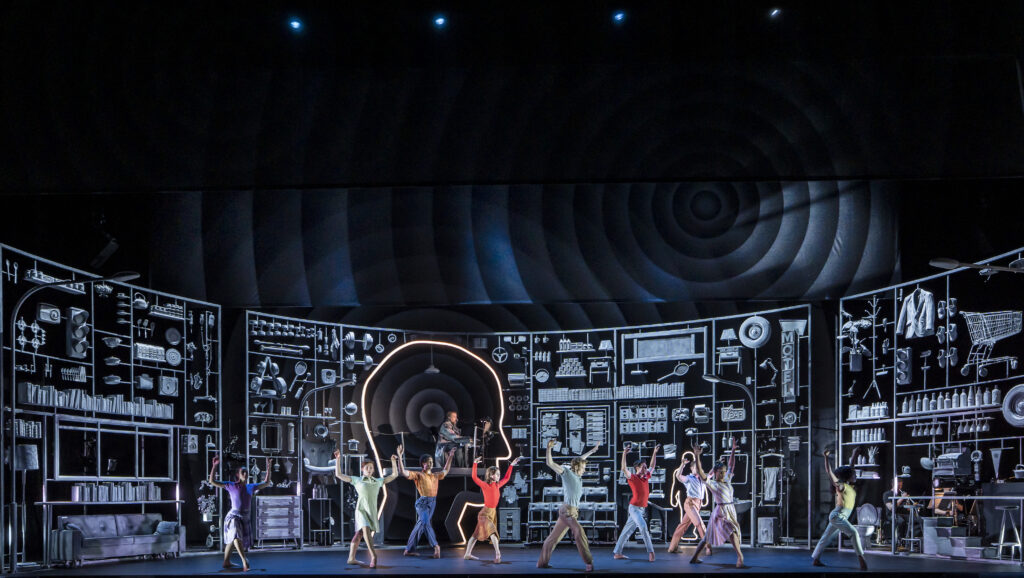
users can snap off to use. Photo by Johan Persson, courtesy The Royal Ballet.
How are you feeling as the production approaches its run at the Linbury?
I have a lot of really amazing memories in the Linbury—performing Arthur Pita’s The Metamorphosis and in early works by Wayne McGregor. I haven’t really thought about being nervous performing in my home theater. I’m a very different person and will be presenting myself as who I am now, not as a big returning principal. I’m looking forward to it in the same way that I always did.