Heel Blisters Are the Worst—Here’s How to Deal With Them

As much as Madison Elizabeth Egyud looks forward to the start of each season, there’s one thing she dreads: the inevitable heel blisters that pop up as her feet get used to pointe shoes again. “I’m known for these in our company,” says the American Repertory Ballet dancer, who estimates she’s dealt with more than 20 in her career.
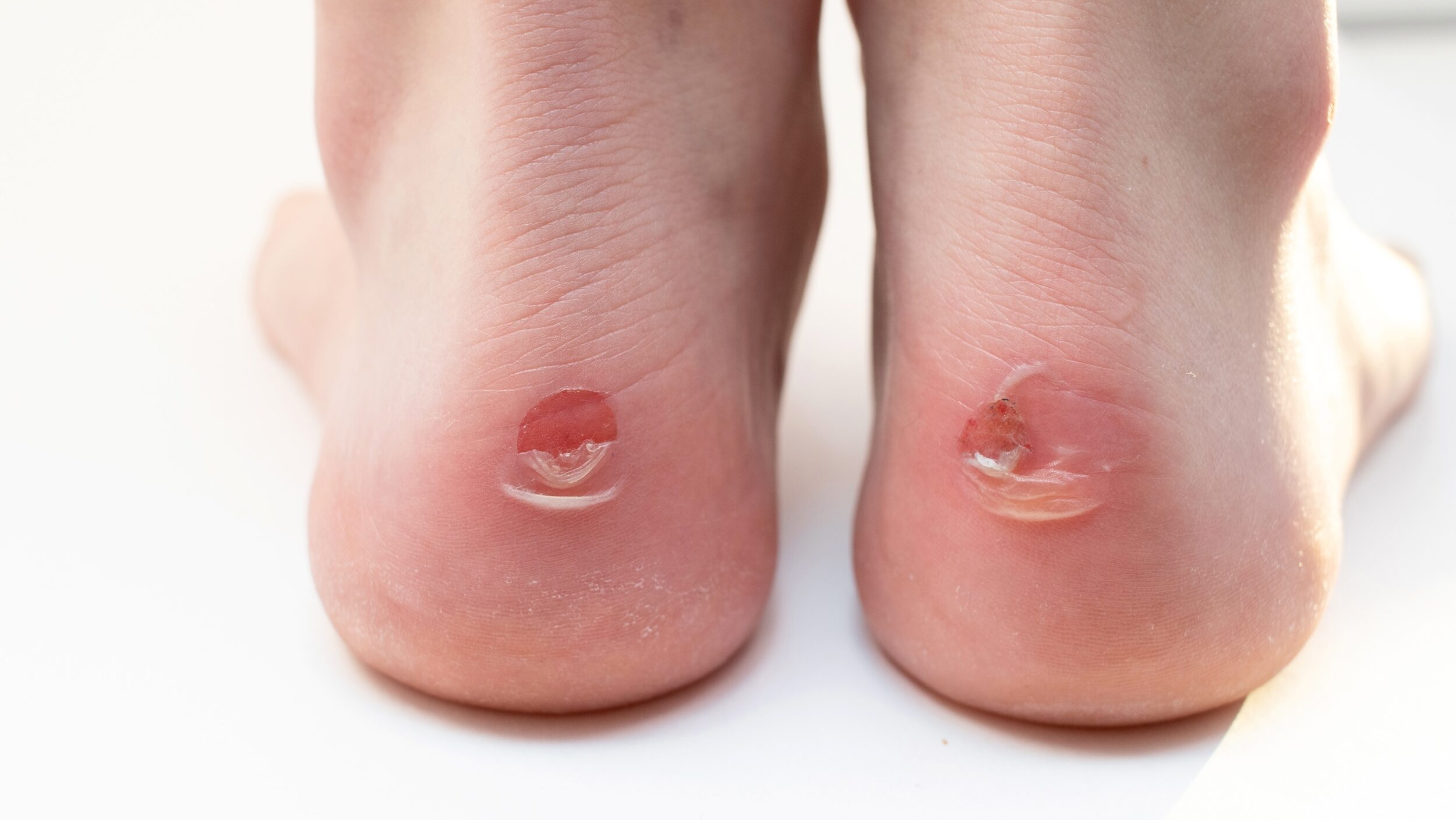
Blisters are never fun. But heel blisters are particularly annoying. Whether you’re in flat shoes or pointe shoes, the drawstring digs in right where it hurts. Even sneakers feel uncomfortable. Here are some strategies to help you manage the pain, heal a little faster, and keep heel blisters from coming back over and over again.
Why They Plague Dancers
Dancers have what she calls a perfect storm for blister creation: “You have very close-fitting pointe shoes, lots of repetitive movements, an environment that has a lot of moisture,” she says. Dancers with a bony prominence on their heel, or extra-narrow or -wide heels that make pointe shoe fitting tricky, are even more likely to develop blisters back there. One of the most common times for it to happen is at the start of the rehearsal season, when the skin is softer after the time off from pointe shoes.
Blisters happen when there’s enough pressure and movement to make the upper layer of skin slide away from the soft tissues underneath it, explains former dancer Meaghan Wood, DPM, a San Francisco–based podiatrist with Bay Area Foot Care.
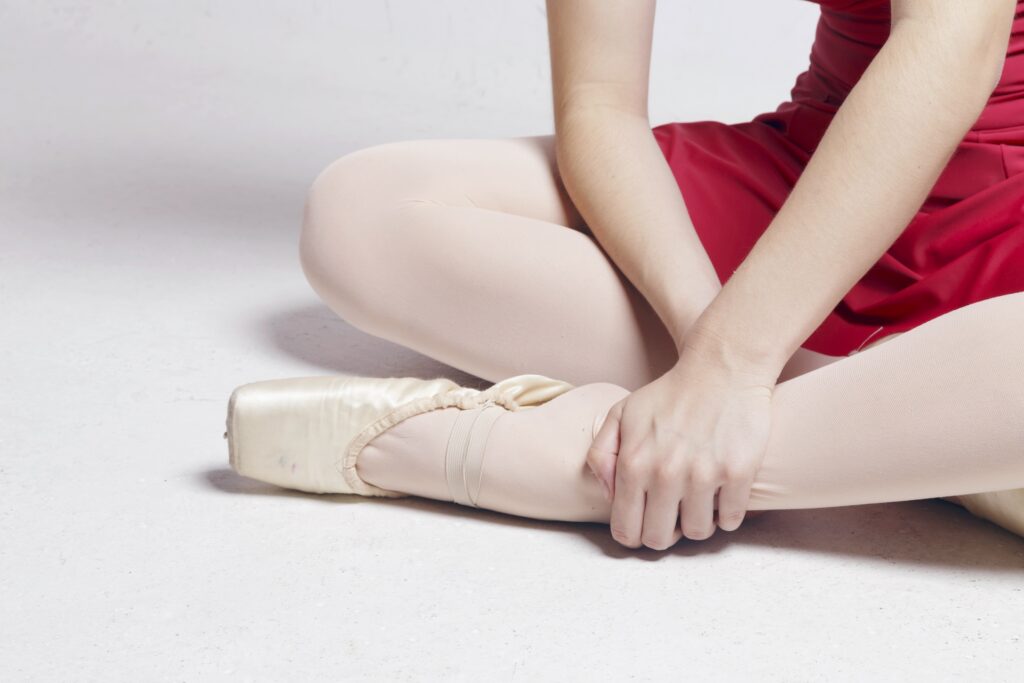
Treating Heel Blisters
If you catch a small blister early, Wood suggests cleaning it with an alcohol wipe and covering it with thin medical tape, like KT Health Blister Prevention Tape. At this point, the fluid inside will often simply soak back into the skin, Wood says.
She only recommends lancing a blister once it’s pretty large and painful. (If the blister fluid is yellow, green, or appears blood-filled, seek a medical evaluation instead.) Just poke it once with a single-use sterile needle—you can buy these over the counter—then gently compress it to drain the liquid. “Leave the roof intact, because that serves as a biologic dressing, then cover it with a little petroleum jelly and a Band-Aid,” Wood says. Moisture from the petroleum jelly will help speed up healing. She adds that you don’t need an antibiotic ointment unless there’s an infection.
If the blister pops while you’re dancing, clean it with soap and water, dab it with petroleum jelly, then apply a thin nonstick dressing like a hydrocolloid blister bandage.
To ease the pain when you dance, Wood recommends putting a doughnut-shaped pad around the wound to offload the pressure before putting on the tape. (If that’s too thick to comfortably fit in your pointe shoe, stick with blister-prevention tape, or try cutting a thin strip of moleskin into a donut shape.) You can also take over-the-counter pain killers like ibuprofen or, if the skin hasn’t opened up, numb the area with a little lidocaine ointment.
Pacific Northwest Ballet corps member Sofia Bidne recommends NexCare Absolute Waterproof Tape. “It’s a little bit grippy, so the shoe stays exactly where you put it,” she says. If the skin over the blister is thin enough that it might rip, she uses a blister bandage instead or puts the NexCare tape on top of a foam corn pad surrounding the wound.
After dancing, take off your shoes as soon as possible, then wash and dry your feet thoroughly. Pro tip: Egyud soaks her feet in warm water before taking off her tape, so the tape falls off more easily.
If you see signs of infection—pus, expanding redness, increasing pain, swelling—consult a medical professional. You might need antibiotics or another treatment method.
How to Keep Heel Blisters From Coming Back
Blisters are incredibly common in ballet, but that doesn’t mean they’re simply the price of dancing. Wood suggests doing some investigative work to figure out the cause, since you might start compensating from the pain, potentially leading to injury.
Find the right fit: Wood’s number-one tip is to check your pointe shoe fit. Remember: Feet grow and change over time, so if heel blisters suddenly become a problem, it might be time for a new size or a different maker. Also, make sure your drawstrings are tight enough, and sew your ribbons and elastics strategically to keep your shoes in place. (Bidne crisscrosses her elastics and has them touch at the back to pull the heel of the shoe up as much as possible.) Break in your shoes before rehearsal, too.
Tights tip: If you’re performing a ballet in tights, consider wearing tights when you break in your shoes. Similarly, break them in without tights if you are performing bare-legged. That minor difference in fit can cause just enough slippage to create a blister, Wood says.
Let your shoes dry: Air out your shoes completely after dancing. “Moisture is a big factor that can cause blister formation,” Wood says.
Keep a callus: While it’s okay to gently file down an overly thick or cracking callus, don’t scrub it away completely. “It’s providing a layer of protection,” Wood says. Bidne helps keep her calluses from drying out by putting Vaseline on them over the weekend.
Speak up: As soon as you feel a hot spot that signals a blister might be forming, ask to take off your shoes so you can take care of it. “There’s no glory in just toughing it out,” Wood says. Check to make sure there’s nothing in your shoe putting excess pressure on the area, then apply some tape.
Keep experimenting: Sometimes it takes a bit of trial and error to find your solution. “Be patient and figure out what works for you,” Egyud says. “It can be tedious and it can be painful. But with time comes more experience, more wisdom, when it comes to your feet and your shoes.”