Houston Thomas’ New Firebird Goes Corporate

As a choreographer, Houston Thomas doesn’t view his peers as his primary competition. “I’m competing with Netflix,” he says. “That’s what’s capturing eyes and keeping them.”
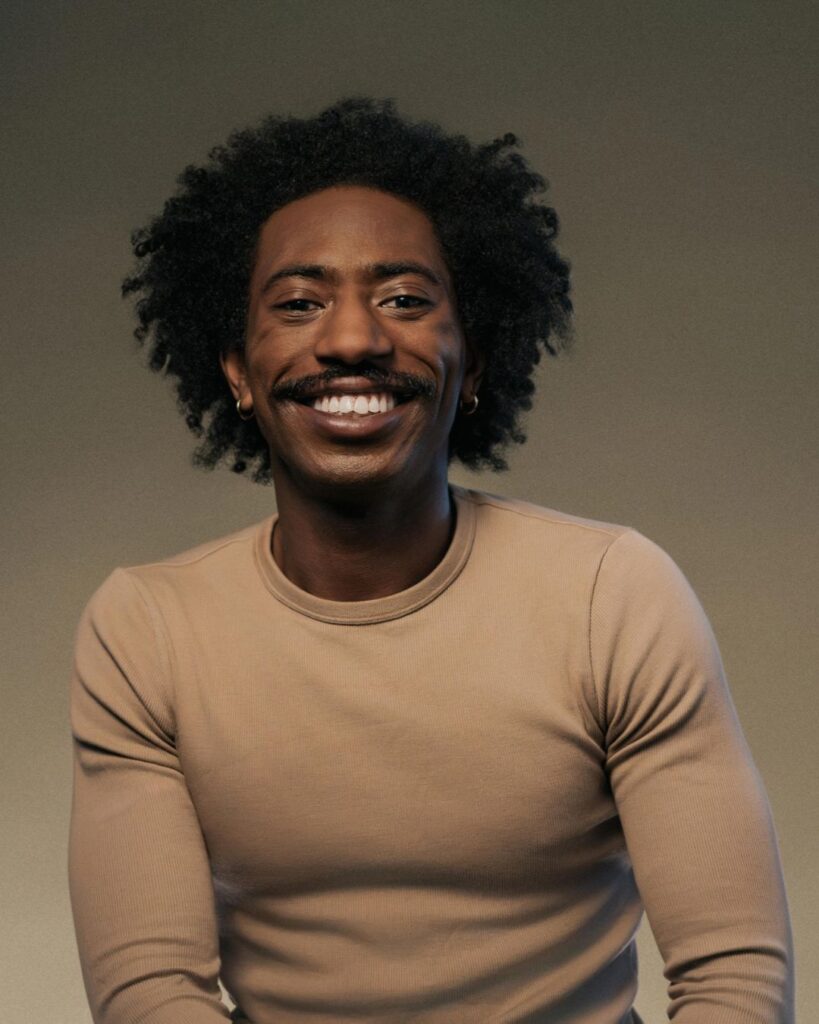
That’s why, for his upcoming world premiere at the Royal Winnipeg Ballet, Thomas is reimagining the classic Firebird story with a lens à la “Mad Men.” Running October 8–11 in RWB’s Stravinsky Stories program, alongside Alexei Ratmansky’s The Fairy’s Kiss, Firebird takes place in a corporate American office. At 50 minutes, it’s Thomas’ longest work to date—and his first narrative ballet. The program will also tour to Ottowa October 29–31, at the National Arts Centre.
The former Dresden Semperoper Ballett soloist, who pivoted to full-time choreography in 2023, admits he’s “not a huge fan” of re-creating classic productions and prefers original storylines. But when RWB artistic director Christopher Stowell contacted him about creating a new Firebird, inspiration struck. “I started thinking about my experience moving back to New York City [after leaving Dresden],” he says. “Jumping into a new career and trying to find my way, I’ve just been going, going, going.” He began to wonder about his work–life balance and the role of capitalism in the arts: “I thought, Am I disguising my passion for work and vice versa?” He decided to use Firebird to explore those musings.
In Thomas’ version, Ivan is a junior executive in an office owned by Kastchei, who instead of an evil sorcerer is a power-hungry CEO. One night, Ivan stays at the office late when he sees the Firebird, a rare species Kastchei keeps as an exotic pet. Unhappy in captivity, the Firebird wreaks havoc around the office. But when she and Ivan meet, they connect, and the Firebird gives him one of her feathers as a sign of trust. Meanwhile, Ivan has fallen in love with Kat, a secretary. Kastchei discovers them together and, enraged, sends Kat away and Ivan back to work. This inspires Ivan to rise up against his boss, calling on the Firebird for help.
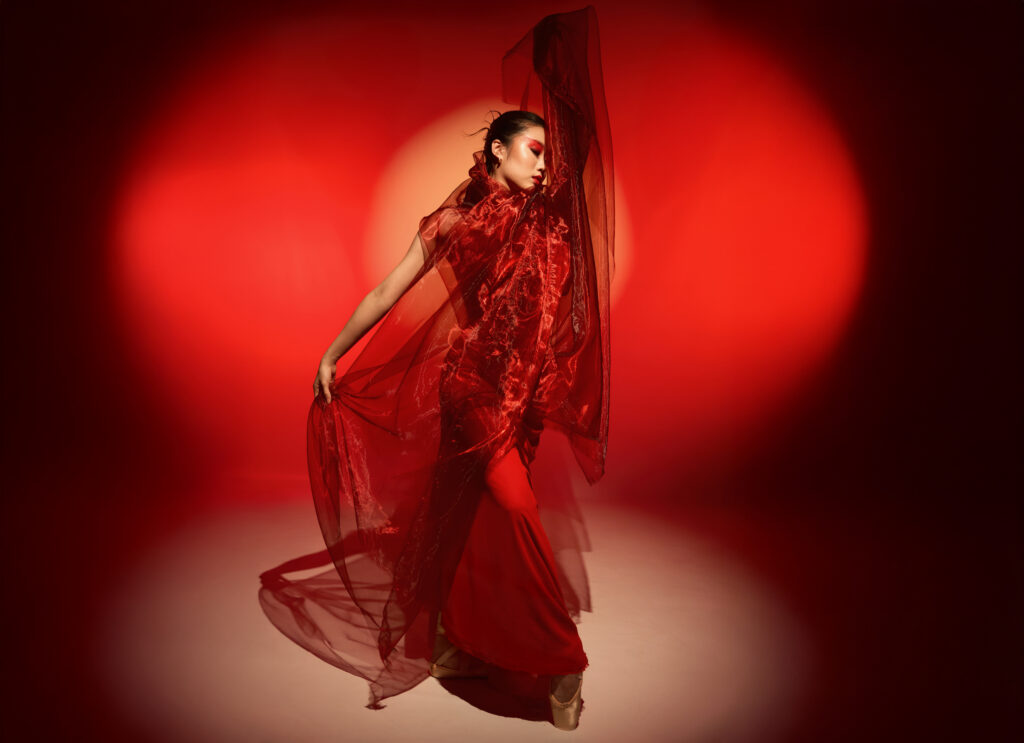
For his Firebird character, Thomas focused on complexity. “She’s not just this mystical, powerful bird,” he says. “She’s been in captivity; that does something to the psyche. She is very courageous, but she’s not necessarily confident in her strength. She doesn’t know what she’s fully capable of.” In today’s capitalist culture, he finds parallels between her and the average American worker.
Thomas describes the ballet’s movement as classically based, intertwined with different stylistic influences—like David Dawson, William Forsythe, George Balanchine, and Gerald Arpino. “I am a person in the creative process who’s not afraid to tell the dancers where the movement comes from,” he says. “Of course, I add my own perfume to it.”
His biggest challenge so far has been packing a complete, well-rounded story into a set score. “I listen to the music a thousand times before even arriving at the studio,” he says, “so that when movement comes, it’s motivated by the music.”
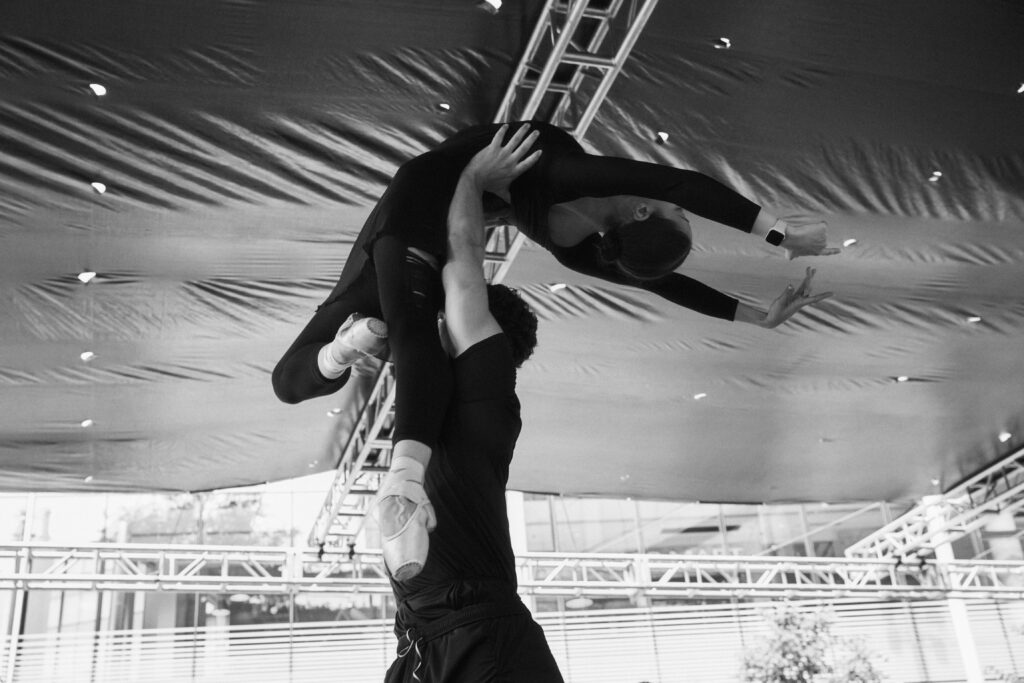
Visually, Kinsun Chan’s set, costume, and lighting design is inspired by corporate aesthetics from the 1960s, ’70s, and ’80s. Aside from the Firebird, the ballet will have a dark color palette, with severe lines and an almost brutalist feel, Thomas describes. The color green also plays a prominent role—a nod to Kurt Jooss’ masterwork The Green Table and its similar portrayal of capitalist themes.
“People want stories they can relate to,” says Thomas. “If we look at our world today, whether that’s social media or what’s on the news, what we’re seeing is how power and greed can really take over. I think we’re starting to question the systems that are currently at play.”