Inside the Prix de Lausanne: What Goes Into the Process, Scoring, and More

Each year, millions of dancers and dance lovers tune in to watch Switzerland’s Prix de Lausanne via livestream. The weeklong international ballet competition—held February 2–8 this year and streamed on the Prix’s website and on Arte TV—has launched the careers of countless star dancers. But how does it all work? In October, Kathryn Bradney, now in the middle of her ninth year as executive and artistic director of the Prix de Lausanne, sat down for an interview with Pointe during a recent trip to New York City and explained its system.
Selection and Preparation

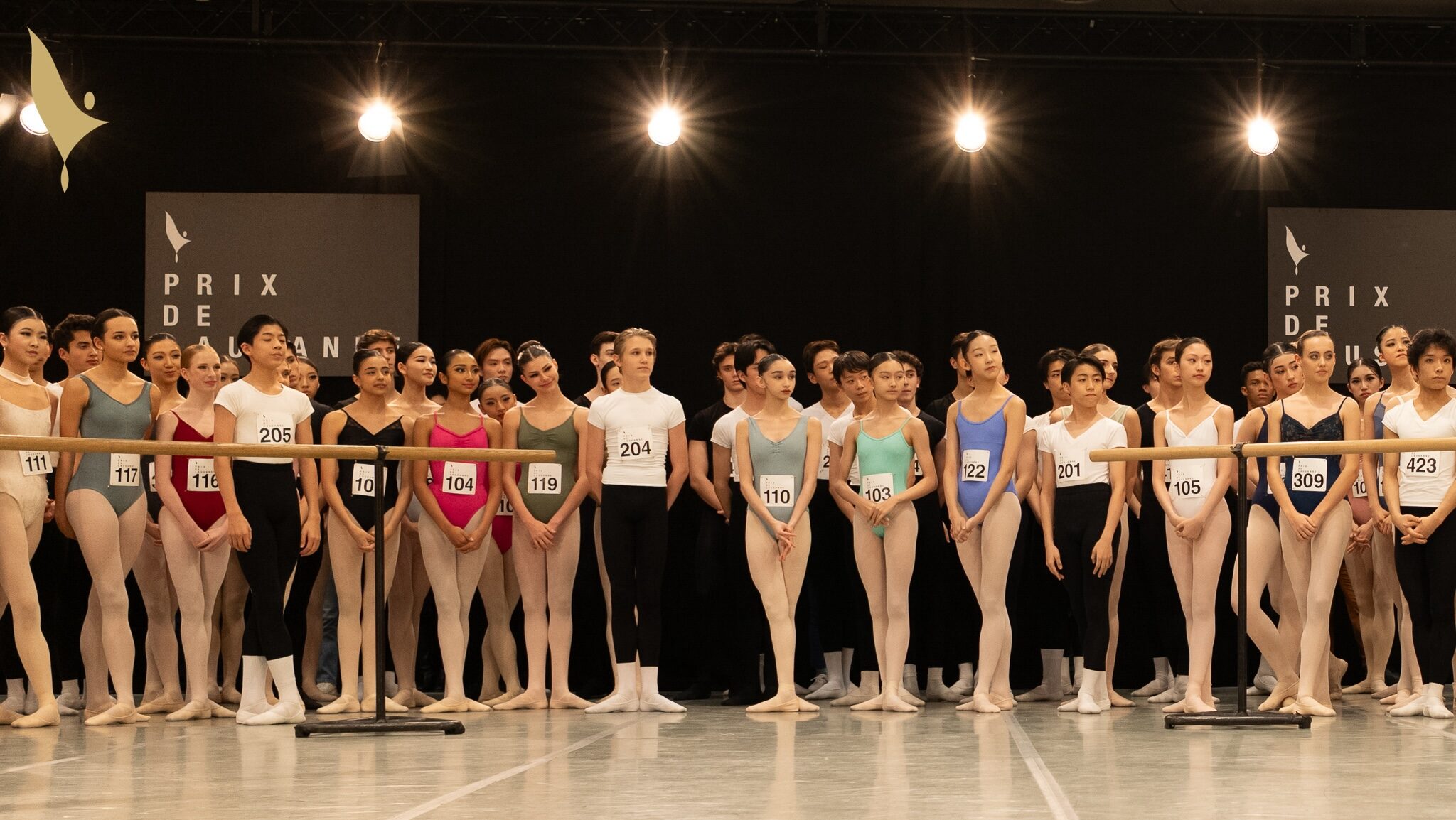
The majority of dancers are chosen via a video selection process in October. Applicants submit a 15-minute video that follows strict guidelines, including required classwork and a contemporary variation. A nine-member jury, which Bradney is a part of, goes through each video and makes around 80 selections. Ahead of that process, approximately eight additional dancers are selected, with up to four having been chosen during the Prix de Lausanne’s six-day summer intensive in July, and up to four more from the Latin American Pre-Selection Round in Rio de Janeiro, Brazil, in September.
While many candidates come from the Prix’s larger, internationally renowned partner schools (some of which only recruit), others are from smaller, private studios. “We want to discover undiscovered talents,” Bradney says. To make the competition more accessible, the Prix sponsors about 20 candidates each year. “Almost all expenses are paid, depending on their parents’ income.”
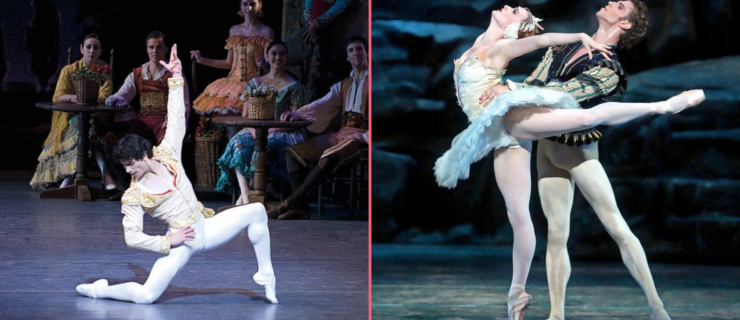
The selected dancers, ages 15 through 18, then prepare one classical and one contemporary variation, chosen from an approved list, to perform at the Prix. Unlike at most competitions, contemporary solo choices are either from established choreographers’ professional repertoires or by the previous year’s Young Creation Award winners (more on that later). This year’s rep includes work by choreographers Goyo Montero, Mauro Bigonzetti, and Louise Deleur.
Competition Structure
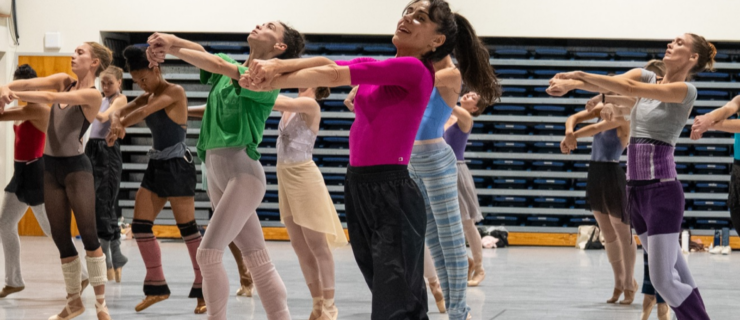
The competition, held at Lausanne’s Beaulieu Theatre, spans a full week. Candidates, split into junior and senior categories, take classical and contemporary classes from Monday to Thursday. The jury (different from those who made video selections) observe the first day and evaluate the rest. Each dancer also receives one classical and one contemporary coaching session, which is not judged, from a distinguished guest director, teacher, or répétiteur.
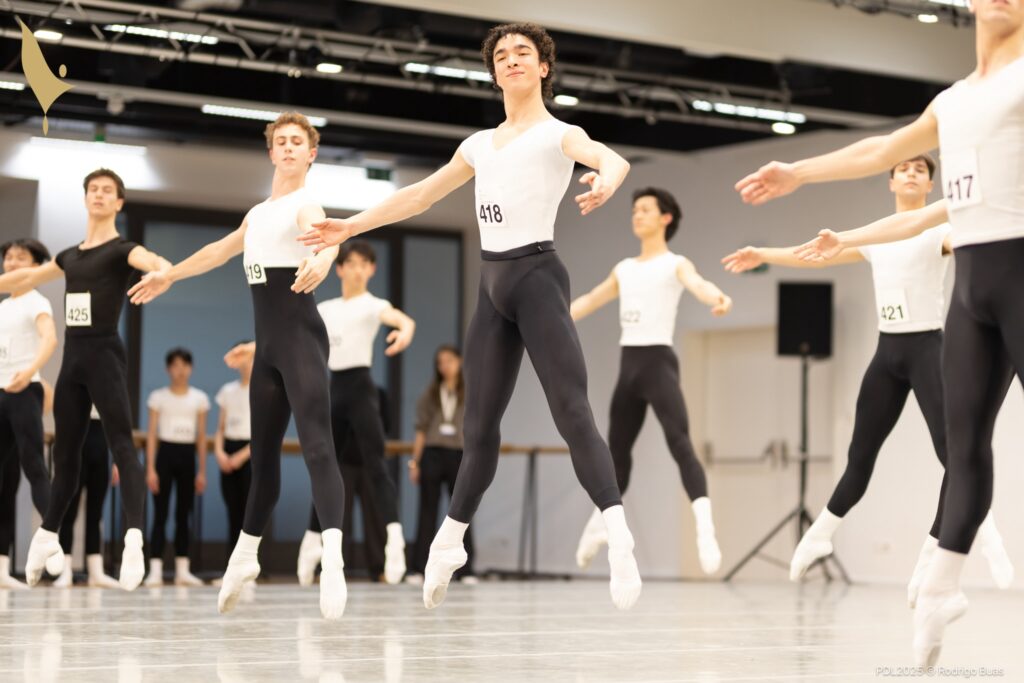
On Friday, each candidate performs their variations onstage for the jury. Their scores reflect four marks, says Bradney: classical classwork, contemporary classwork, and the two variations. From those scores, the jury announces 20 finalists. On Saturday, those dancers once again perform their variations. “The scoring starts over from scratch for the final round,” Bradney says. “But if someone falls off pointe or messes up a jump, the judges take into account what they saw during the week. A dancer’s progression is really important, because some arrive Monday very confident, but then can’t deal with the pace, or they get intimidated. You have to have that courage to show you can make it; the jury is looking for future stars who can deal with the pressure and go for the long run.”

The Jury
The jury, chaired this year by Royal Ballet artistic director Kevin O’Hare, is made up of nine members. They are a mix of partner school and company artistic directors and former Prix de Lausanne winners, representing different countries and styles, generations, and levels of experience. (They are not allowed to vote on their own students.)
The Prix has faced criticism in recent years over a lack of racial diversity among judges, something Bradney says it is addressing. “There should also be equality of genders, and representation from the five different continents,” says Bradney, who starts researching and securing jury members over a year in advance. This year’s lineup includes Gigi Hyatt, Lourdes Lopez, Thomas Lund, Steven McRae, Ayako Nakano, Yuan Yuan Tan, Christian Tàtchev, and Tancredo Tavares.
Choreographic Projects
While the competition is underway during the week, two other big events are simultaneously unfolding. Five student choreographers from the Prix’s partner schools showcase an original contemporary solo to be considered for the Young Creation Award. The jury selects two winners, whose works candidates may choose for their contemporary solo the following year. These pieces have proved incredibly popular. “We put the variation online in the beginning of November, and the choreographer explains the meaning of his or her work,” says Bradney. “And often it’s often about world events—pollution, war, human rights—which I think really speaks to young people.”
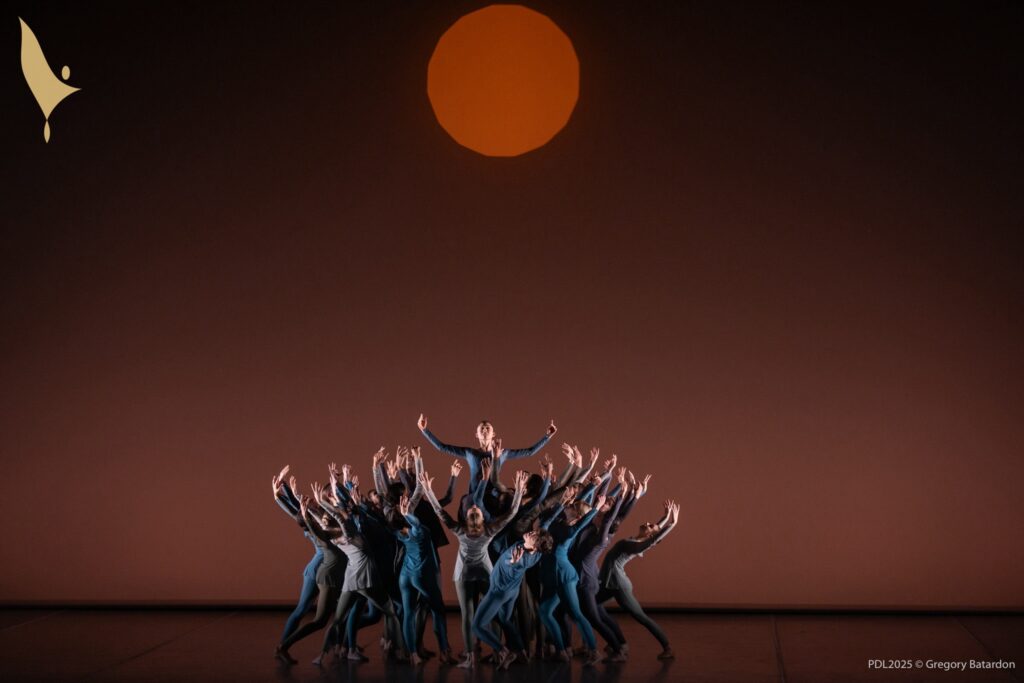
Meanwhile, the Partner School Choreographic Project allows one noncompeting dancer from each partner school to work with an established choreographer over the course of the week, creating a new work performed at the finals and the Rising Stars gala on Sunday. This year’s choreographer is The Washington Ballet’s artistic director, Edwaard Liang.
Scholarship and Career Opportunities
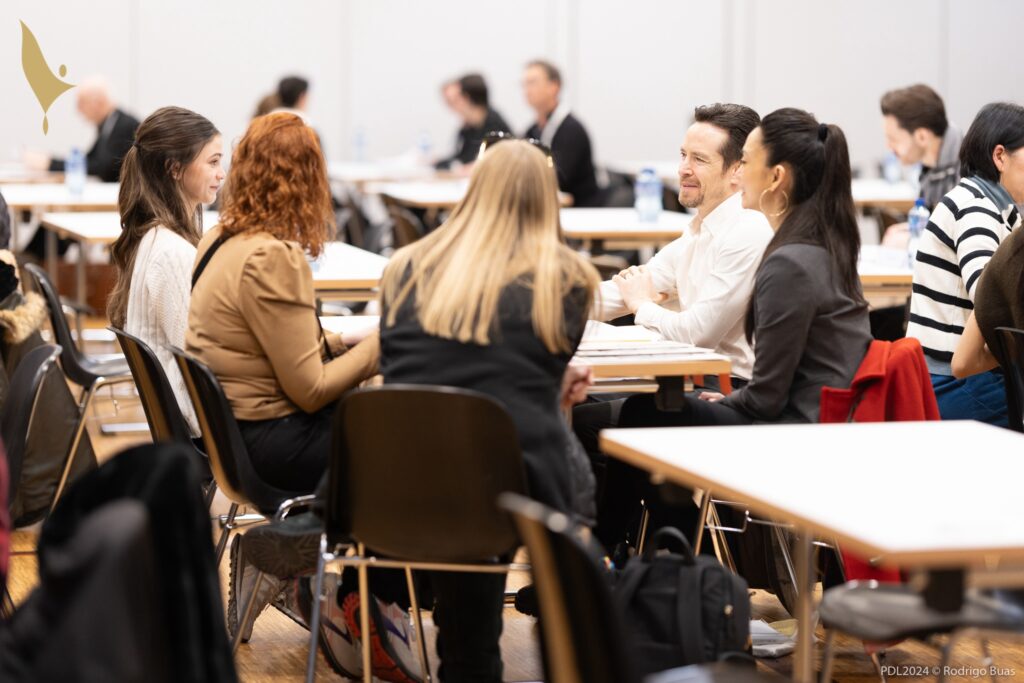
The scholarship winners are announced Saturday evening. But Bradney says one of the most important aspects of the Prix, its networking forum, happens off camera the following day. Throughout the week, all candidates can enter the schools and companies they’re interested in into an app. Directors observing during the week do the same with the dancers. The app generates the top five matches, and the Prix arranges for meetings between candidates and directors. “Some offer school scholarships, some offer paying contracts, but [the Prix serves as] an audition process,” says Bradney. “In 2025, we had a 100 percent success rate, with over 350 offers for 85 candidates.”
While the Prix has always maintained an aura with prestige, Bradney also wants it to be accessible through its sponsorship programs, inclusion of private studios, multiple entry points, and opportunities outside the main competition. The experience can change lives, she continues. “It’s a springboard into the professional dance world. These dancers don’t have to travel around the world to audition—the world comes to them.”