Houston Ballet’s Jacquelyn Long Is Living the Dancer-Choreographer Life

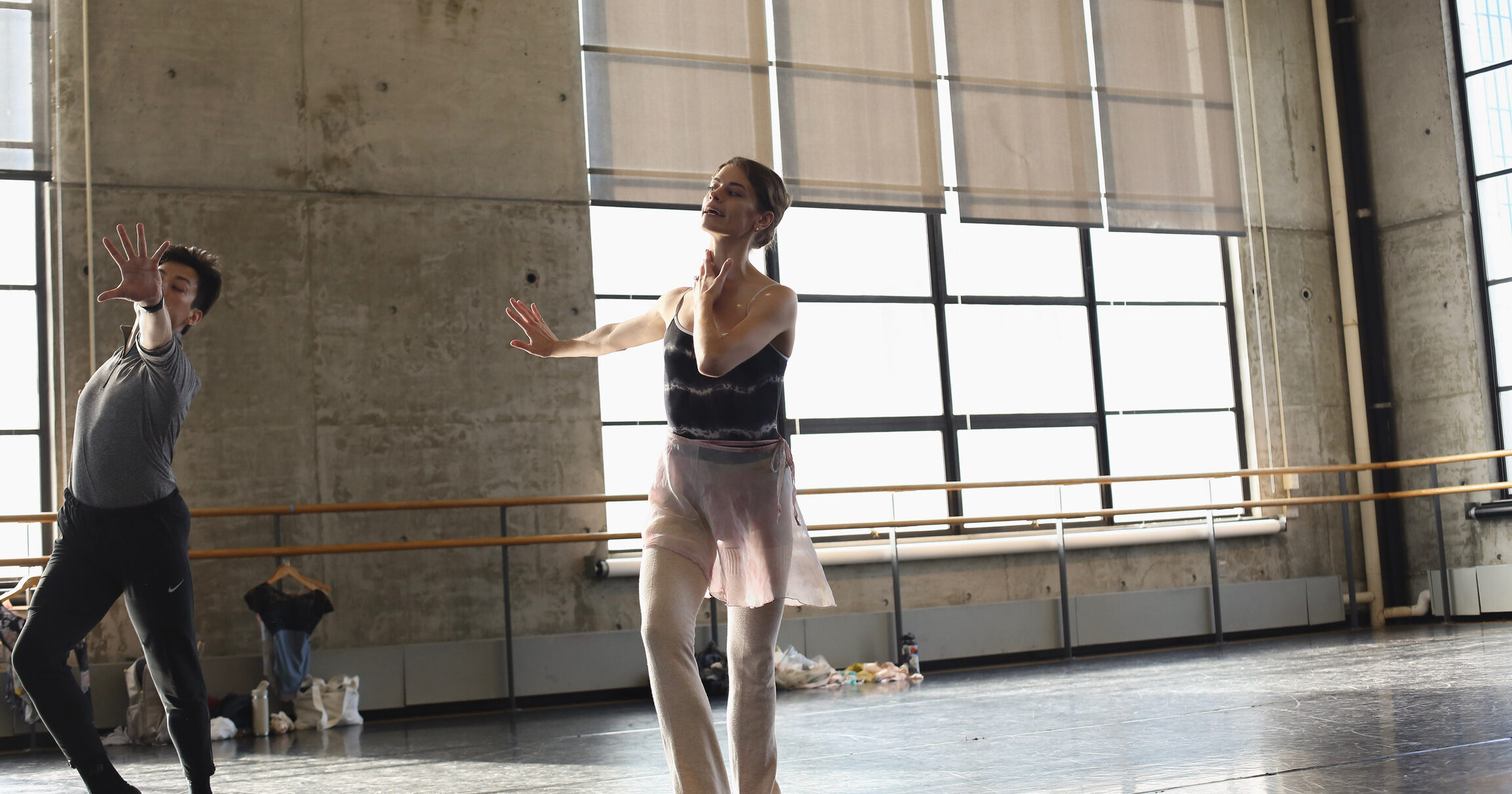
Over the past few years, Houston Ballet soloist Jacquelyn Long has been steadily growing her presence as a choreographer while regularly dancing lead roles. Since 2018, Long has created several works, but Illuminate, her 2023 breakout ballet for the company, revealed her ability to use ballet vocabulary to create buoyant ease and deftly shape intricate patterns in space.
Long’s trajectory as a dancemaker has continued since then. In 2025, Ucross Foundation selected her as a choreographic fellow for its artist residency in Clearmont, Wyoming, and Houston Ballet recently commissioned her again, this time for a work that will run alongside ballets by Stanton Welch and Justin Peck in a mixed-rep program for May 2027. But at the moment, Long is focusing on her world premiere Moving Forces, debuting June 13 as part of the Nocturnes: Pointeworks III program in San Diego featuring the nonprofit ballet company Pointeworks. Taking place at The Conrad Theater, the program also includes a new work by Keerati Jinakunwiphat. Moving Forces, Long’s seventh ballet, is set to an original score by composer Katie Jenkins that will be performed live by pianist Joshua Mhoon and violinist Julia Choi.
Between creating a world premiere and rehearsing multiple roles in Houston Ballet’s end-of-season Giselle production, Long took the time to speak with Pointe on her evolution as a choreographer.
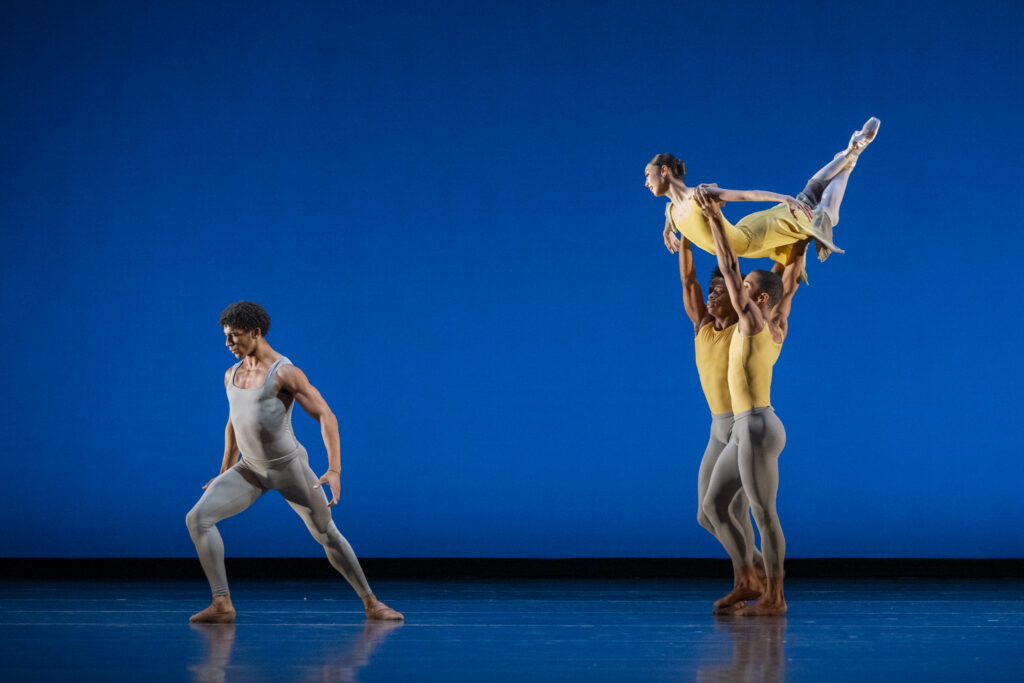
Photo by Alana Campbell, courtesy Houston Ballet.
When did your interest in choreography emerge?
It’s always been there. I could never fall asleep to classical music because I would always have visions of a piece in my head. When I got to Houston Ballet, there were opportunities to choreograph, but I put that on the back burner so I could focus on my dancing. Being in this company, I got to see many dancers explore choreography, from Garrett Smith to Melissa Hough and Melody Mennite, and that motivated me. When I created [my first-ever ballet] It Just Keeps Going in 2018 for a Houston Ballet workshop, it was received so well, I thought, Well, let’s keep going!
What’s inspired you?
Having new works created on the company by established female choreographers, like Annabelle Lopez Ochoa and Cathy Marston. They each navigated their creations so differently. I love that in art there isn’t just one way of doing something.
How would you describe your style?
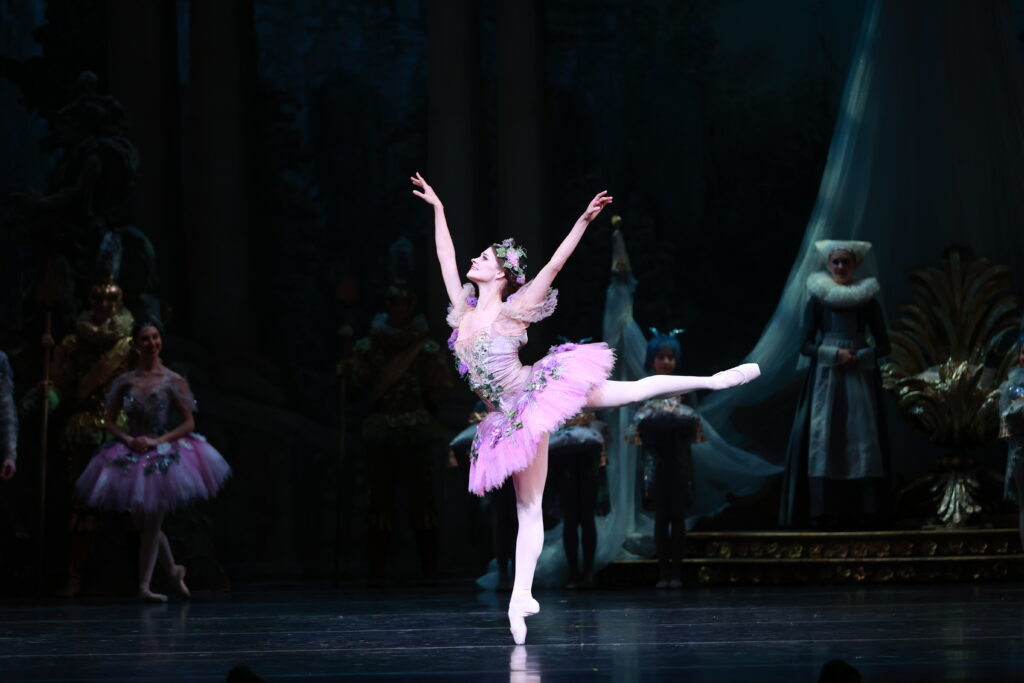
I am still finding my voice, but I hyper-focus on musicality. I try to make ballets that make the audience happy and celebrate what I trained and worked on so much. I started choreographing with the classical ballet vocabulary that I know best, which reflects my own strengths as a dancer.
I do have some nuances about the way I like to move—I prefer fast footwork, mixed with turns and jumps. When something sparkles, it draws your attention. This, mixed with playfulness and joy, influences my style.
How was your experience as a choreographic fellow at last year’s Ucross Residency?
Being there was an awesome experience. I could finally turn off “dance mode” and switch fully to “choreographer mode” and created a pas de deux on [fellow HB dancers] Sayako Toku and Griffin Koehl. It was powerful to just sit with the other artists and hear their stories. I felt inspired to share my voice.
How did you connect with Pointeworks?
They had an application process, so I applied and was chosen from 283 applications. I sent them Illuminate, and they resonated with the celebration of ballet that is central to the work. I was so honored to be chosen along with Keerati Jinakunwiphat.
Can you tell us about Moving Forces?
There are six dancers—five women and one man. The man represents Earth. He interacts with three fire women in the first movement; there are moments of warmth, but in the end he feels like he’s burning. The second movement is a pas de deux with the water women, who console him but have to let him go, just as the land and ocean meet at the shore. The last movement starts with the wind women, who bring together all the elements in a celebratory and harmonious dance.
How does it work out to be both a choreographer and a dancer?
One thing that I struggled with for a while was this idea that two things can be true—that I can be a successful dancer and a choreographer at the same time. I’m living that truth right now. Being a choreographer has aided my confidence as a dancer and has also given me this other outlet for creativity and expression.
Choreography is a process of analyzing all the spectrums of a work. This has made going back to just working on myself as a dancer very intimate, and something I cherish.