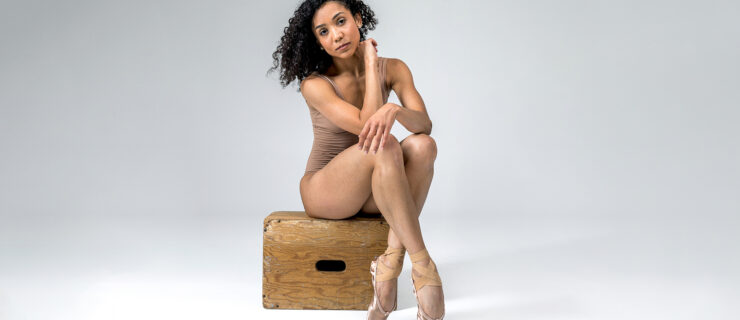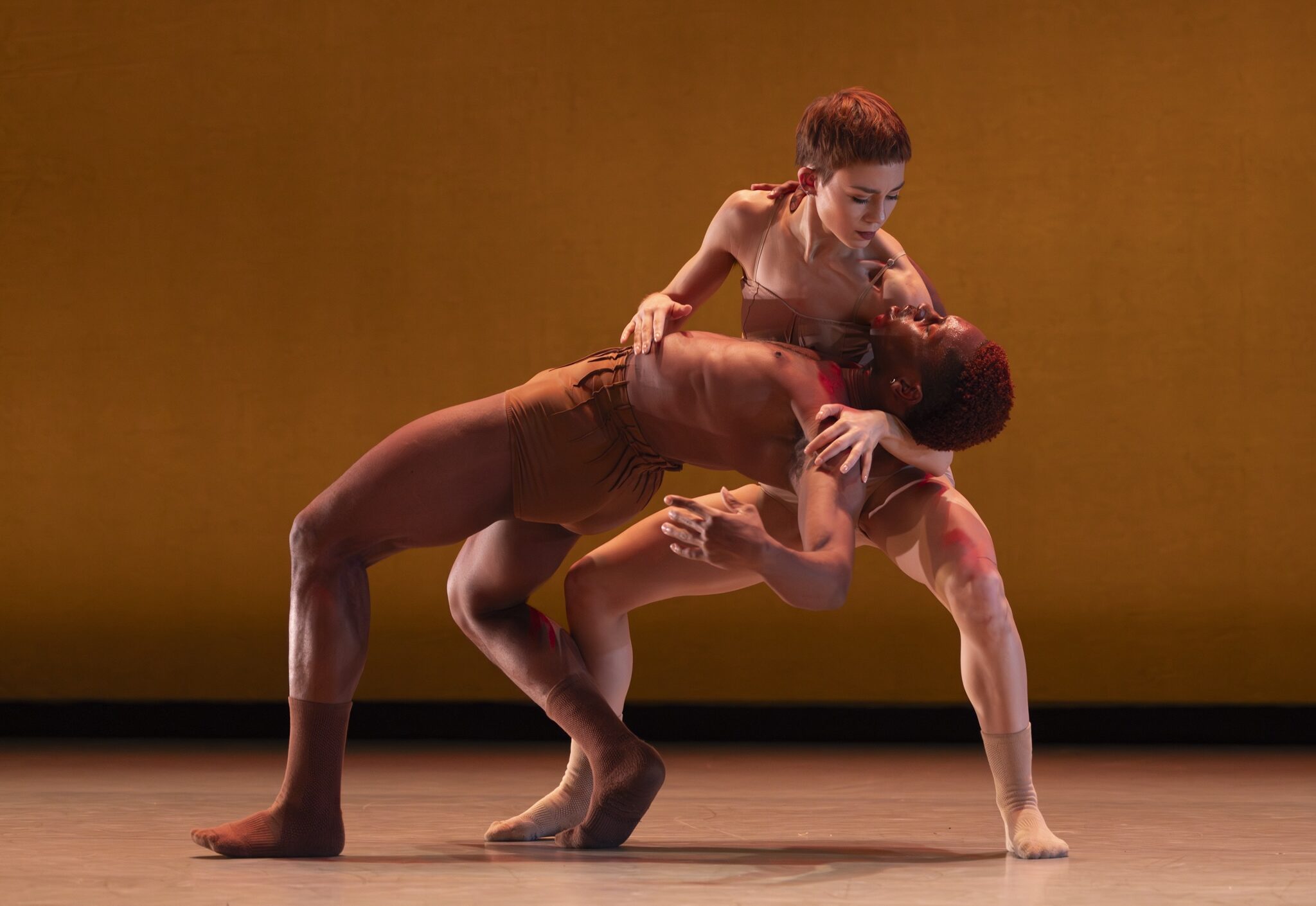
Meet Lanie Jackson, the BalletX Artist Who Swing Dances After Hours

Many professional dancers unwind after rehearsal with calming hobbies like reading, cooking, or arts and crafts. BalletX dancer Lanie Jackson goes for something a little different. After a day of contemporary ballet, Jackson trades her pointe shoes for sneakers, choreography for improvisation, and her upright posture for a looser “bounce” as she heads to swing dance.
“Swing dance” refers to a variety of different social dances, including Lindy Hop, East Coast swing, West Coast swing, Balboa, and Charleston. Lindy Hop, the style Jackson prefers, was created in African American nightclubs in Harlem during the 1920s and ’30s.
When Jackson says, “There’s something freeing about relaxing into my 5-9,” she means it literally. “In concert dance, posture is upright and held. In Lindy Hop, there’s a more relaxed, down posture—it’s a pulse,” she says. It’s taken years of practice for Jackson to access this posture, with its added breath in contrast to ballet.
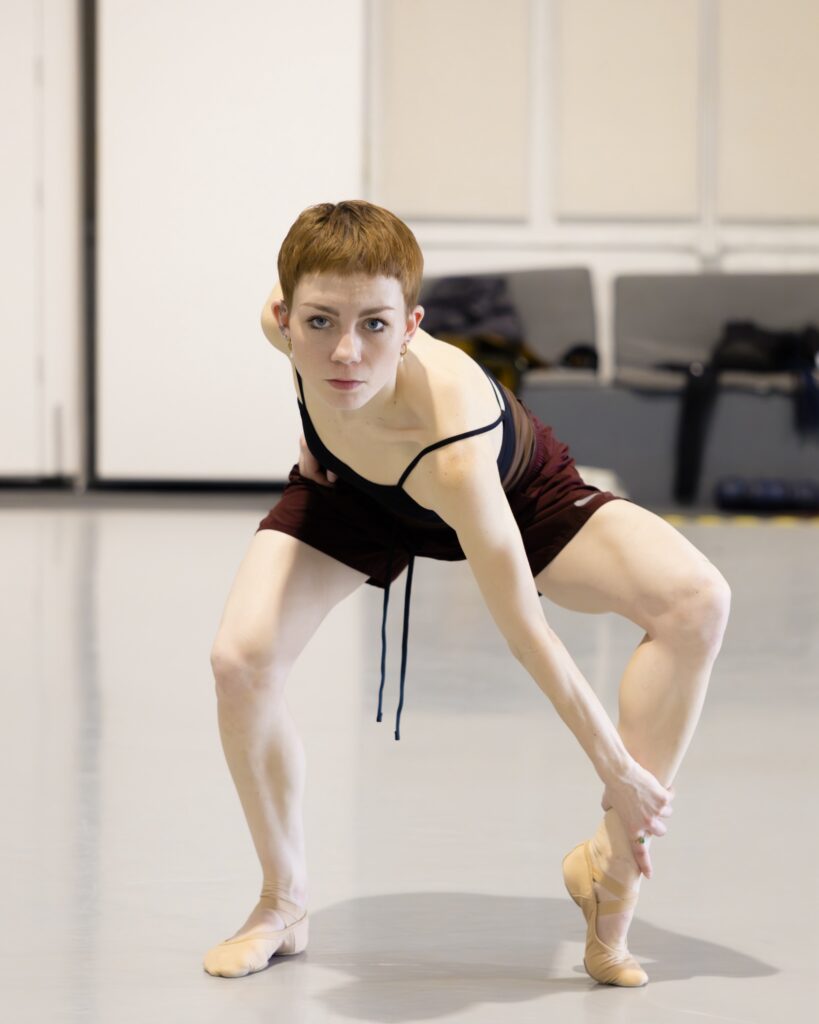
In 2018, Jackson danced Lindy Hop for the first time while on medical leave from The Juilliard School, where she attended college. A friend brought her to the ballroom at Sons of Hermann Hall in Dallas, and Jackson was hooked on the improvisational and social nature of the style. “I thought it was the most fun,” she says, adding, “I’d never done that kind of dance style before. I still considered myself a ballet dancer at this point in my career.” Jackson attended weekly for a year, building a foundation in Lindy Hop. She graduated from Juilliard in 2021 and moved to Philadelphia to join BalletX in 2023.
As a full-time professional dancer, Jackson didn’t have much energy to seek out other movement styles in her new city. Her reintroduction to swing dance happened through BalletX: The company hosted a free community workshop in collaboration with Philadelphia swing dance organization Jazz Attack for its First Fridays series. Although years had passed since Jackson had danced Lindy Hop, her muscle memory kicked in: “I understood the rhythms we were working with. I already knew the basic steps and how to hold myself.” She stayed for the whole event, nabbed an invite to a dance the following night, and has been swing dancing weekly ever since.
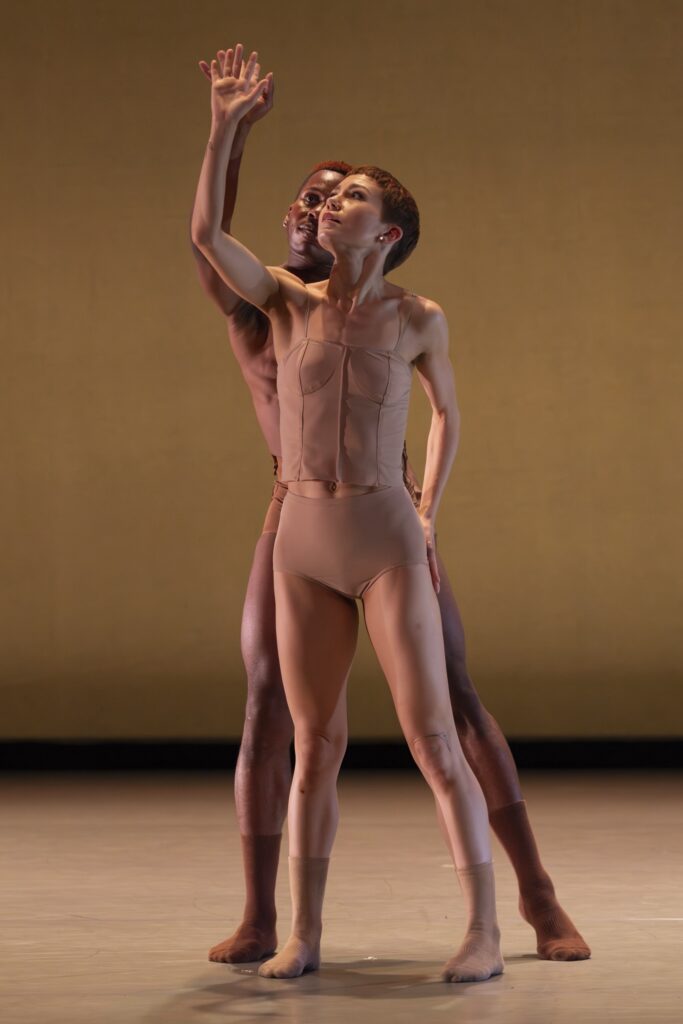
“One of the biggest challenges for me, and also the biggest fascination, is that everything [in swing dance] is improvised,” says Jackson. A stark departure from the choreographed world of concert dance, she says this structure has deepened her musicality. “I’m learning how to actually listen,” says Jackson, adding that if her mind wanders, she finds herself floating on top of the music. The most satisfying dances, she says, happen when she zeroes in on her connection to the rhythm and stays “inside the pulse.” Jackson says this enhances her work at BalletX, too: “In the processes where we’re given space to improv, the rhythms and shapes I’ve learned in Lindy Hop can transfer over to make something more multifaceted and less recycled.”
Within swing dance, the lead listens to the music and guides their partner (the “follow”) in improvisation using various postures, grips, and stances. Although leading and following has become more gender-neutral in recent years, Jackson typically chooses to follow and has started to practice leading as opportunities arise. “I have been told that I’m a really fun follow,” she says. “They can tell me to do crazy things, and I’ll do them in a way that people don’t anticipate!”
Another of Jackson’s challenges has been to keep herself from anticipating a lead’s next move. Trying to read a lead’s mind instead of reacting to their movement changes the outcome of the partnership, she says. “That closes the doors on opportunities that could have been really cool rhythmically or shape-wise. It all comes back to learning how to listen.”
Since her reintroduction to swing dance, Jackson’s focus has extended beyond technique to the style’s history. She emphasizes the importance of honoring Lindy Hop’s roots in Black social dance, saying, “I am a guest in this dance culture that I get to enjoy and learn about.”
One of Lindy Hop’s foremost benefits is its baked-in community spirit. “It’s given me a sense of who I am outside of work,” says Jackson. She appreciates her unique opportunity to bridge the worlds of social dance and concert dance. “I get to tell [swing dancers] what I do…and tell ballet dancers what swing dancers do.”
Importantly, swing dancing allows Jackson to enjoy movement without the pressure to be technically perfect. “I’ve found that I’m able to lean into making mistakes or being ‘bad at it,’ ” she says. “The beautiful thing about swing dance is that I want to improve because I love it, not because I have to.”