Moving Up a Level? Here’s How to Embrace Challenges and Stay Focused

Clay Houston felt a charge of excitement after being placed in an advanced group at the Chautauqua Institution School of Dance summer program. But he also felt apprehensive. He was the youngest dancer, and while getting moved up proved that his hard work had been rewarded, he now needed to keep up with his older and more technically capable classmates. “It was intimidating,” says Houston, now a dancer with Charlotte Ballet. “I tried to reframe the situation from a place of intimidation and nervousness to thinking: ‘Okay, these people have more experience than me. How can I watch and learn and apply that to myself?’ ”
If you’ve recently moved up a level, you may feel anxious about being on the weaker end of the class, especially if you’re with dancers who’ve already been there for a year or two. While this can be intimidating, here are some tips to help you stay focused and inspired.
Embrace the Challenge
Feeling nervous about being bumped up is natural. But try not to let this affect your self-confidence or ability to work to your full potential. Samantha Sole, youth company co-director at The Tallahassee Ballet, says that when a dancer moves up, she often sees “an apprehension to try, with the fear of failure or embarrassment at the root of that hesitation, particularly if the student is younger.”
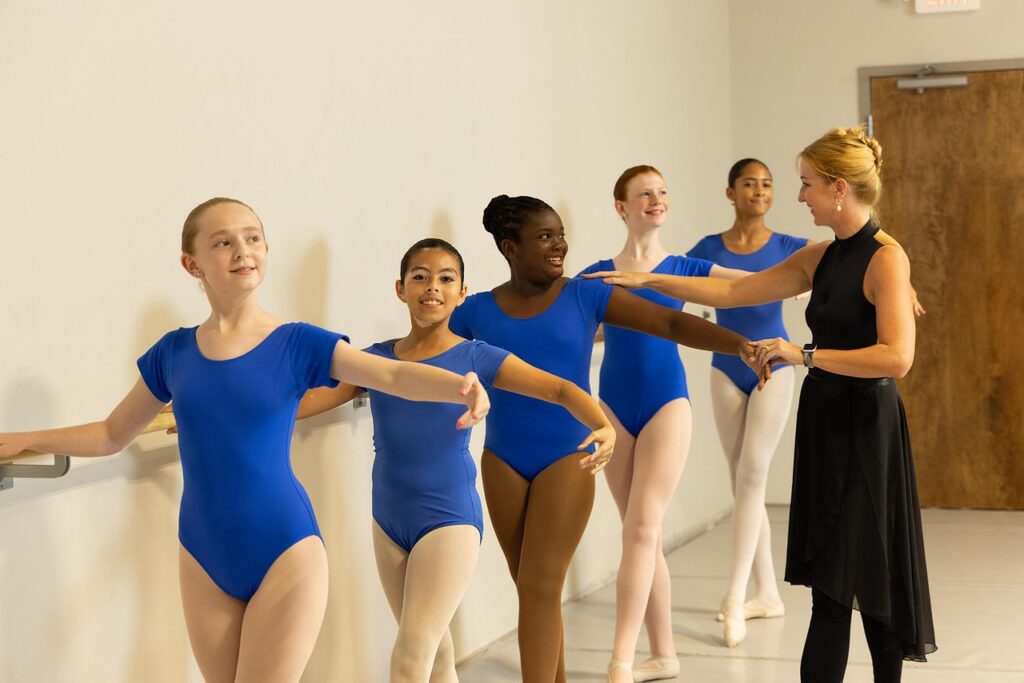
Sole advises patience. “We all have areas to work on, especially at the start of a new year and in a new level,” she says. She notes that the worst thing a dancer can do is hold back out of fear of making a mistake. “Mistakes are part of the process, and being willing to try is where so much growth happens.”
Houston remembers feeling like a small fish in a big pond. When anxiety would take hold, he says, “I’d trust that my teachers knew my ability and where I should be placed.” If you feel awkward that your peers are still in the level below you, or you worry that you aren’t fitting in with your new classmates, remember that your instructors advanced you for a reason.
Watch and Learn
One benefit to moving up is having the opportunity to observe more advanced classmates. “Look around the room and get inspired by the other dancers that are ahead of you and doing things well,” says Stacey Calvert, artistic director of the Pre-Professional Division at Ballet Academy East in New York City. “Try and figure out what they’re doing to make that work.”
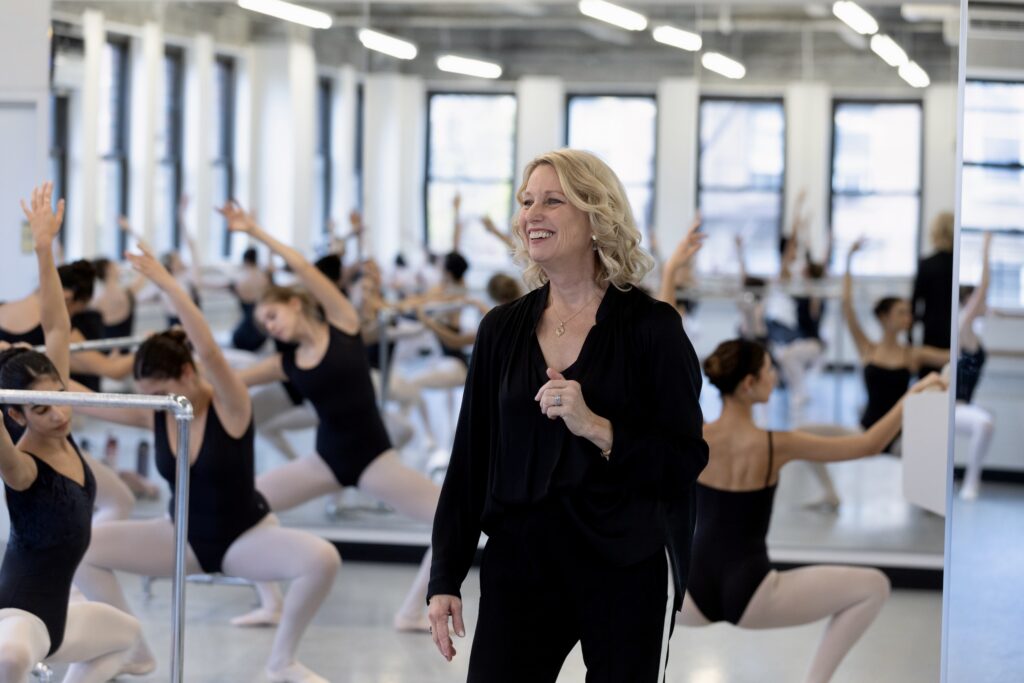
Calvert notes that this could be something technical (analyzing a specific step), or the way the dancer uses phrasing or artistry. Perhaps you notice someone’s upper body or distinctive movement quality, for instance. Then, try applying it to your own dancing. “Try it on like a dress,” she says. “It may not work for you—some dresses fit well, some don’t. But try it on!”
Houston agrees. “Watching is so valuable,” he says. “With time and dedication, you’ll start to grow, and things will come more naturally.”
Be Patient With Yourself
While you may feel behind at times, try not to let it get the best of you. Sole says that when she sees a dancer struggling, “it isn’t necessarily because they don’t know the steps; it’s because they’re still learning how to engage the correct muscles and consistently apply foundational concepts, especially things like turnout and alignment.” Approaching exercises with energy, intention, and artistry is key, she says. Try breaking an exercise down to its most basic components and building from there.
If you’re feeling overwhelmed, remember that all dancers grow at their own pace. Have faith that you will catch up eventually. “Not everybody arrives at the same place at the same time,” says Sole. Calvert adds that you can only develop as fast as your body allows you to, and as fast as your mind can absorb information and translate it to your body.
Authenticity Goes a Long Way
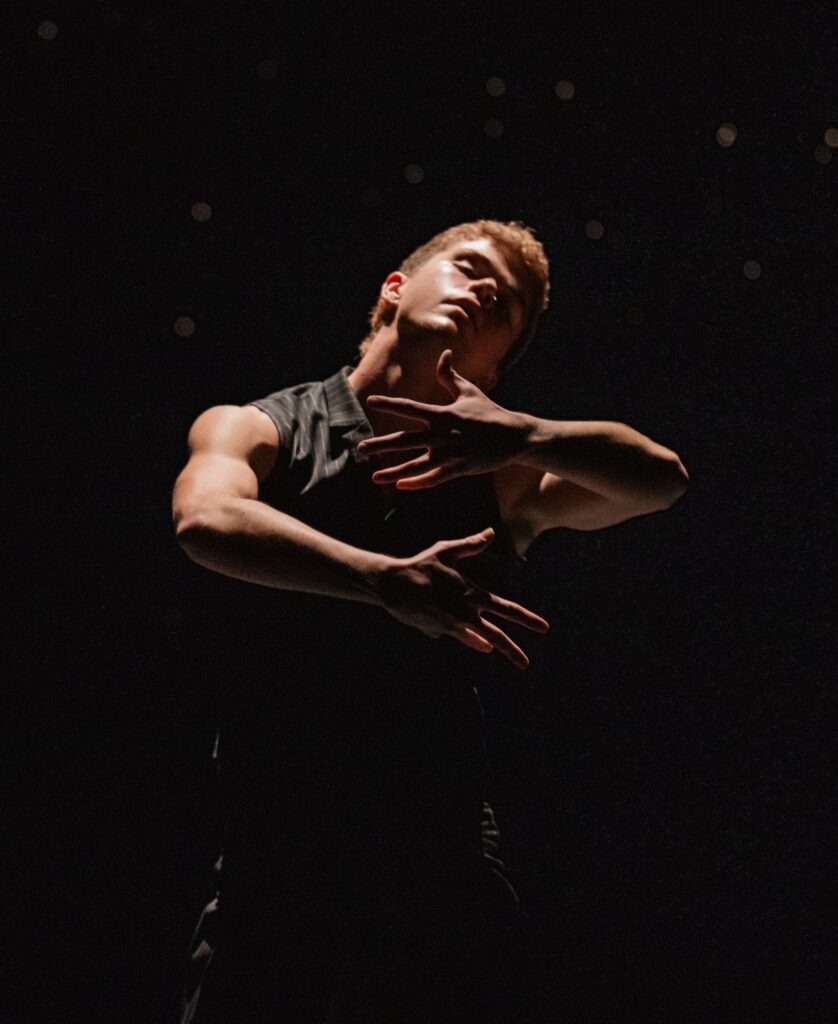
When you’re new to a class, it’s easy to feel like an outsider, especially if you’re younger than your classmates. “Sometimes that initial feeling of isolation is inevitable, and that’s okay,” Sole says. Rather than worrying about what others think of you, try to focus on yourself: Warm up before class, prepare mentally, and stay engaged once class begins. “It can actually be a great opportunity to develop independence and confidence as a dancer,” Sole says.
Houston believes that when you’re true to yourself, people notice. “Show up authentically, and you’ll attract connections that are also authentic—people who want to support you and be there for you.”
Calvert asks her students to be welcoming and inclusive. Remember, you may feel like an outsider today, but in another year, you might be looking at it from the other side. Sole also advises looking for opportunities to interact with your new classmates. “Don’t be afraid to break the ice. Something as simple as giving another dancer a compliment or asking a question can start a connection.”