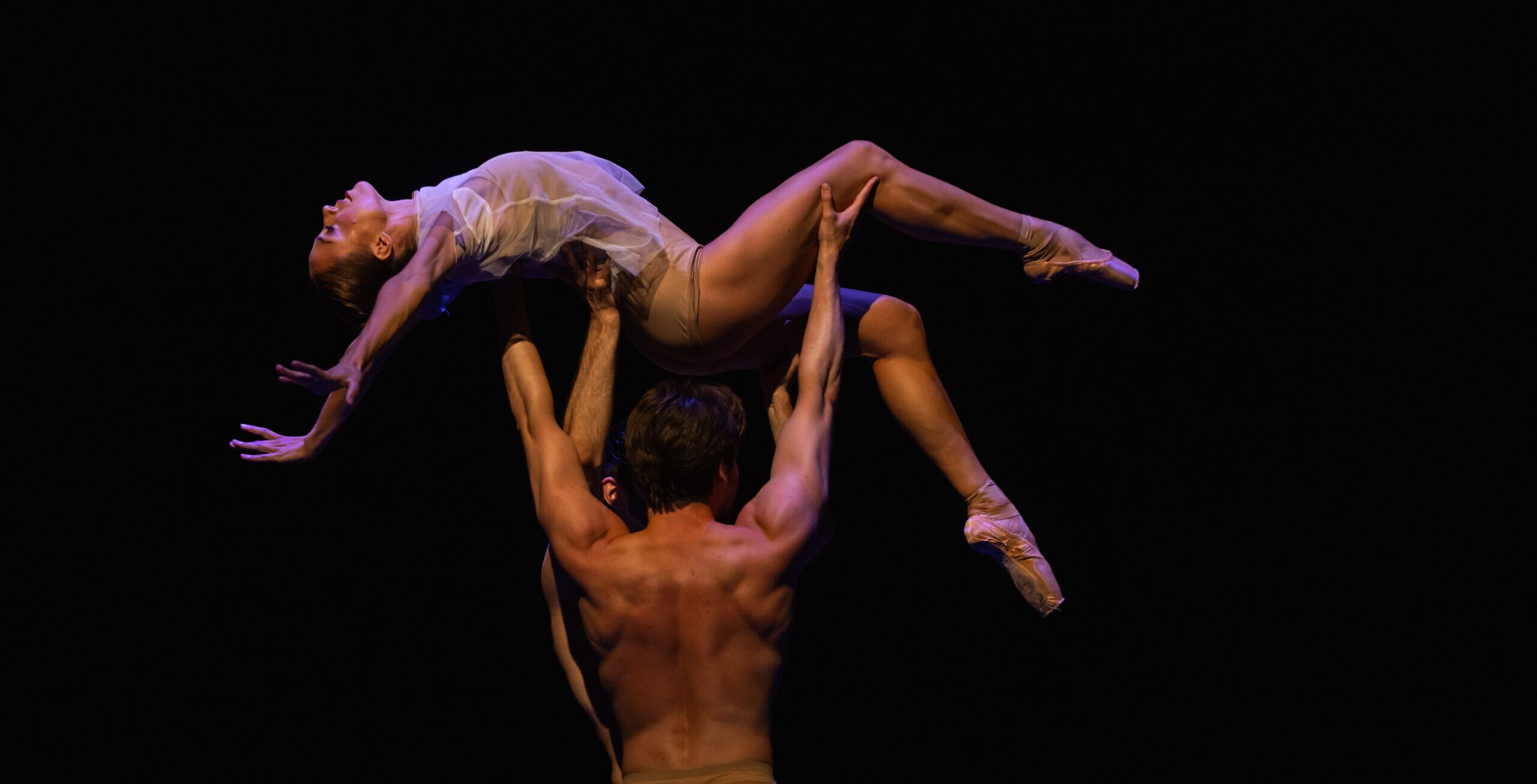
The National Choreographers Initiative’s Last Dance

Thirty-five years ago, Molly Lynch wondered what would happen if choreographers could have a space to create freely, without the pressure of premiering a completed work. “The vision was to develop a lab, basically, for choreographers,” says Lynch, who at the time was directing the now-closed Ballet Pacifica in Orange County, California. Lynch got to work and called the initiative Pacifica Choreographic Project. After a few weeks in the studio with Ballet Pacifica company members, selected choreographers presented a work in progress and received direct feedback from audience members.
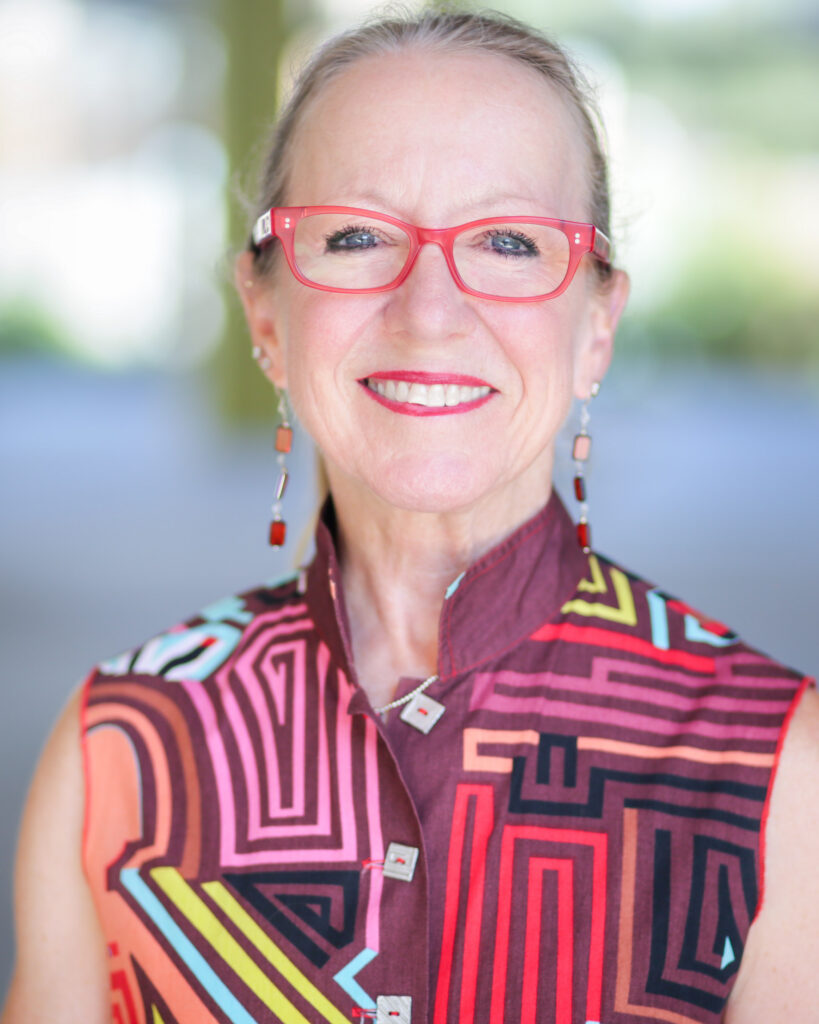
It was a hit. In 2004, shortly after resigning from Ballet Pacifica, Lynch worked with supporters to move the project to Irvine, California. Under a new name, National Choreographers Initiative, Lynch’s vision evolved to include four choreographers and 16 professional dancers from across the country, using the University of California, Irvine’s studios as rehearsal space and the Irvine Barclay Theater as a performance venue. (In 2006, Lynch became a dance professor at UC Irvine’s Claire Trevor School of the Arts, a role she continues today.) NCI’s alumni include a variety of now-established dancemakers like Val Caniparoli, Amy Seiwert, Ma Cong, and Sidra Bell.
NCI has continued annually in July since then, excepting 2020. But now, Lynch has decided to shutter the project. Its final hurrah, The Last Dance, will take place at the Barclay on July 25. And rather than four new choreographers, this year’s iteration features works by returning dancemakers Emily Adams, Julia Feldman, DaYoung Jung, and Sarah Tallman. “It’s a way of celebrating the past decade of NCI choreographers,” Lynch says about the final event. In lieu of an audience Q&A, the evening will culminate in a soirée outside the theater to “go out on a high note.”
“The art form needs to keep evolving, and that’s going to take different people with different ideas and visions,” Lynch comments. “And different times need different things. The cost of doing NCI is going up—there’s donor attrition that happens with nonprofits. I think it’s time for the next generation to take on projects of their own, and do something new.”
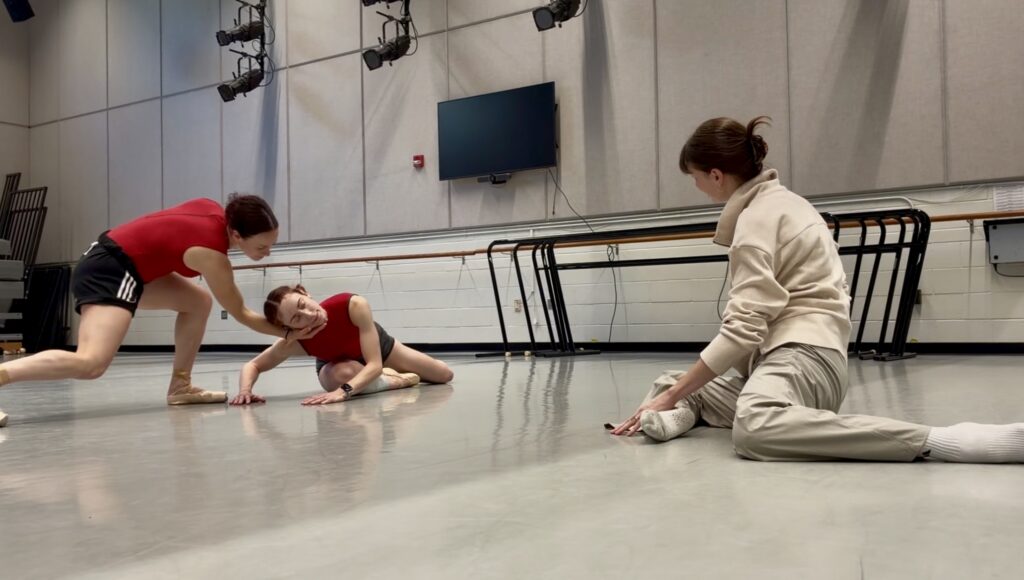
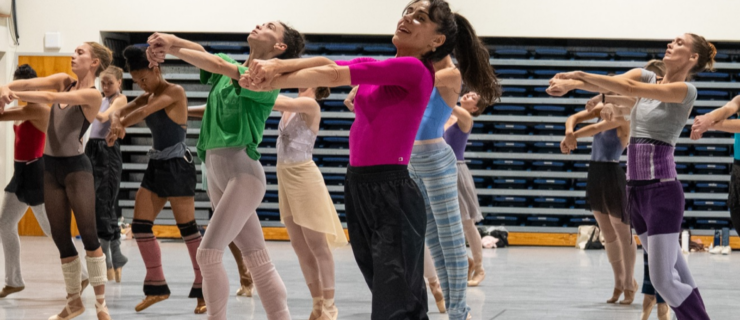
Over the years, NCI’s structure remained the same: Choreographers and dancers applied, and the chosen artists worked together for three weeks (six days per week, three hours per day) before presenting the respective ballets for feedback. With time, increasing numbers of choreographers and dancers began reaching out from across the country. “I’ve not done much advertising for it,” says Lynch, “so it really spread by word of mouth.” The July timing made NCI a valuable summer gig for off-season artists, but a three-year cap on dancer participation kept fresh perspectives in the studio, Lynch explains. (Choreographers were always new, excepting this year’s iteration.)
Because of its wide appeal, NCI became a valuable networking hub. “I’ve seen artists go from one company to another based on the people they met at NCI,” says Lynch. “I’ve seen dancers return as choreographers, and I’ve seen choreographers get hired by companies of participating dancers.” She points to current Richmond Ballet artistic director Ma Cong as one of the biggest success stories: A Richmond Ballet artist who performed in Cong’s 2008 NCI work, French Twist, introduced him to then-director Stoner Winslett, initiating Cong’s trajectory with the company since then.
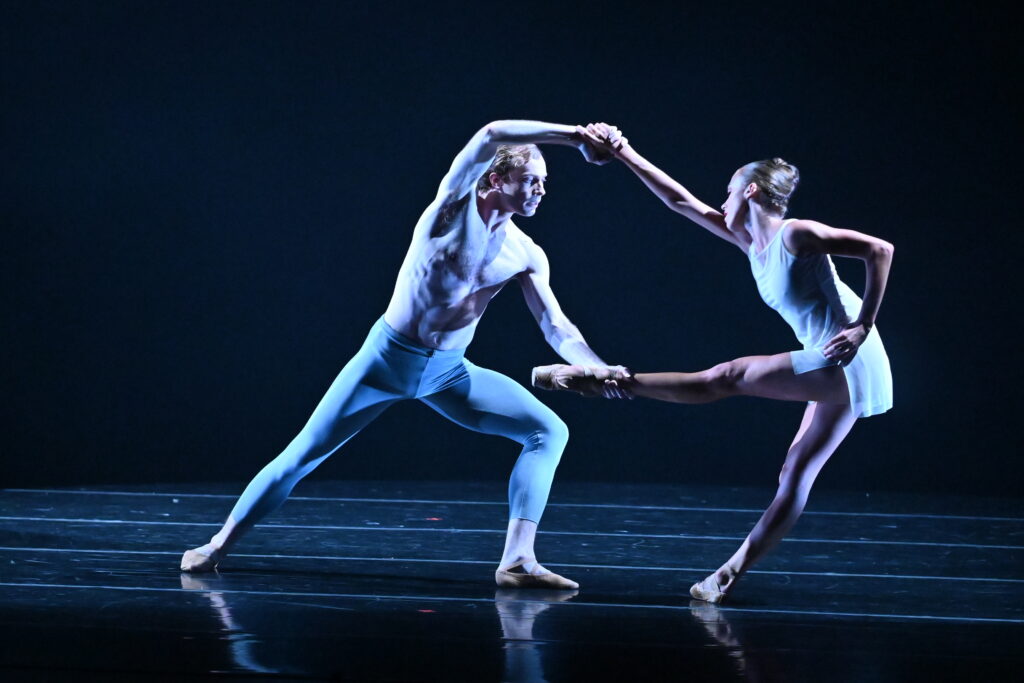
As she prepares to say goodbye to NCI, Lynch hopes that the relationships that the organization has helped foster over the decades will continue to support the dance community. “I hope that these artists will be inspired to do something to further that community, as well,” she adds. “And I say ‘the dance community’ at large, but the ballet community—contemporary ballet—that’s where my heart has always been.”
The decision to close NCI came about soon after the 2025 edition’s performance, so Lynch has spent the past several months in reflection. “I feel good about what we’ve done over the years, and I’m happy about all the choreographers that we’ve worked with, and all the dancers,” she says. “It’s been a true passion project. I’m looking forward to seeing this one last time.”