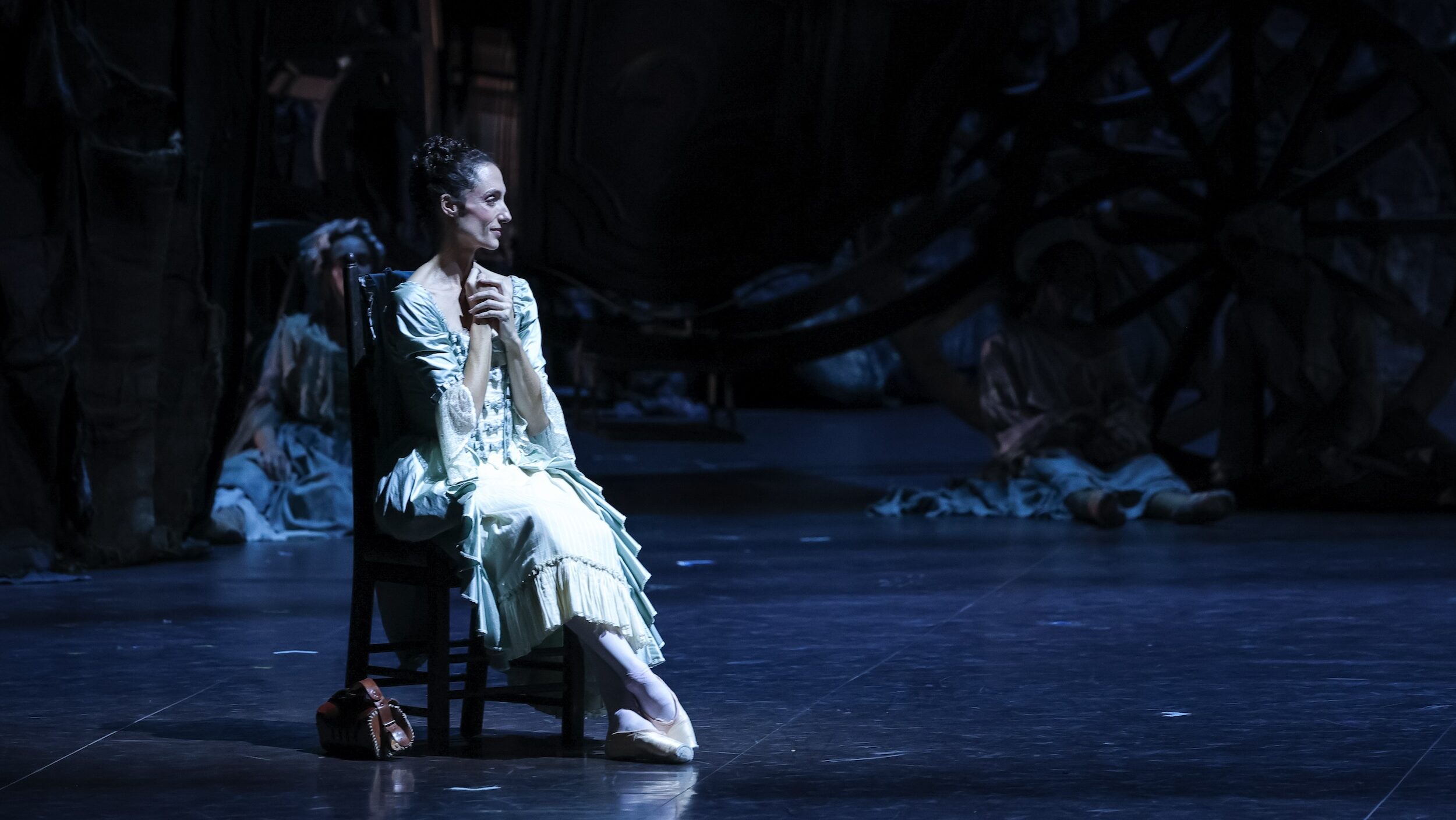
Paris Opéra Ballet Étoile Dorothée Gilbert Prepares to Say Goodbye

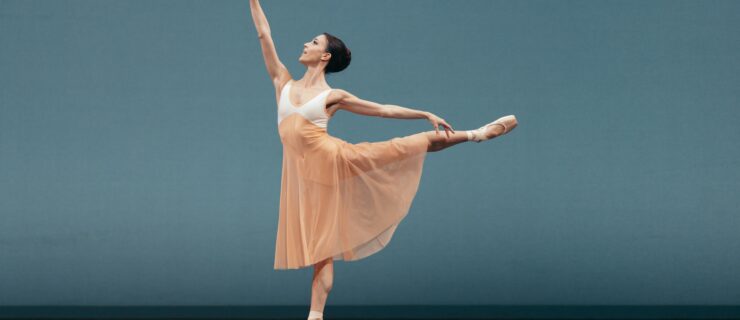
Since joining the Paris Opéra Ballet in 2000, Dorothée Gilbert has come to embody the French classical style. From her early appearances as a vibrant, quick-footed Kitri to her transformation into a ballerina of unfailing poise and dramatic instinct, Gilbert has earned the rare status of national treasure in French dance, alongside sought-after international appearances. Now, at 43, she is getting ready to say goodbye: After reaching POB’s mandatory retirement age, she will have her farewell performance in Manon on October 15.
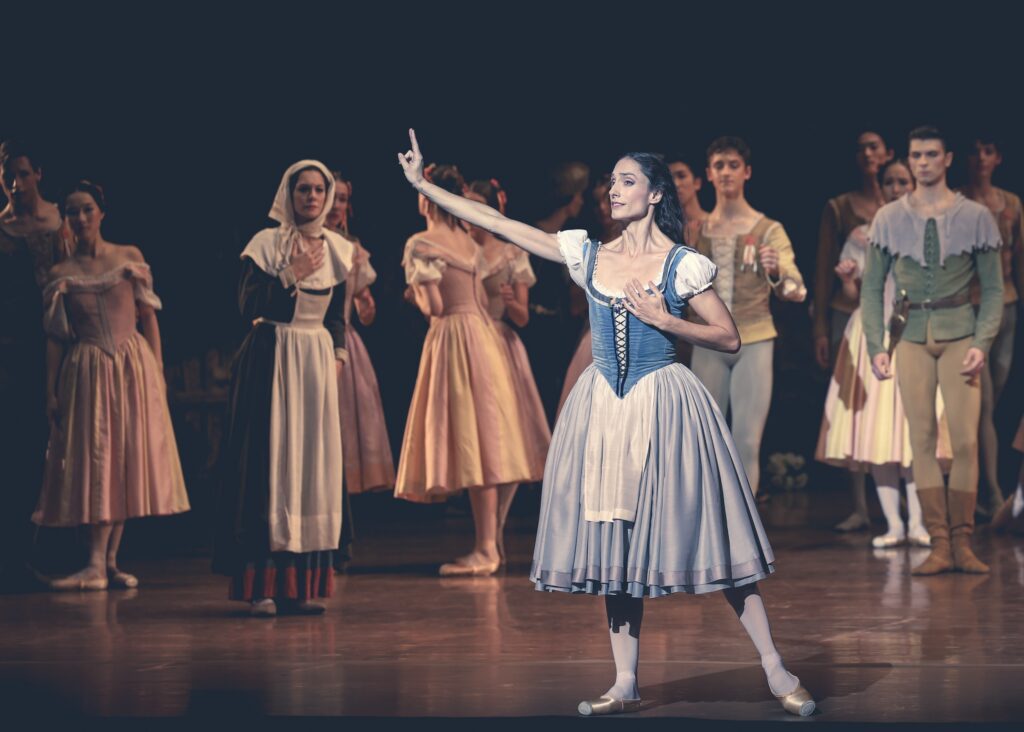
Gilbert—a native of Toulouse who has retained the singsong accent of the region—completed her training at the POB School before rising quickly through the company’s ranks. Her promotion to étoile in 2007 came the night of a strike, after she performed Rudolf Nureyev’s The Nutcracker without set changes or costumes. A supremely confident technician, her fierce drive has softened over the years to make room for increasingly lyrical, eloquent performances in Giselle, Swan Lake, and Onegin. Over the past decade, Gilbert and fellow étoile Hugo Marchand have formed arguably one of POB’s greatest dramatic partnerships, bringing unfiltered passion to ballets including Manon and Mayerling.
As she prepped for her final show at the Palais Garnier (which will be livestreamed), Pointe spoke with Gilbert about her exceptional career and what’s next for her.
How are you feeling in rehearsal ahead of your final shows?
Quite good. There are little things that have made it harder for me to really enjoy it: I have a minor calf tear, and one of my ribs hurts because of the lifts in Manon. It’s not the preparation I would have wanted, but I feel at peace about leaving now. I really enjoyed last season and got to say goodbye to a lot of roles, including some I wasn’t sure I would get to perform again, like Juliet.
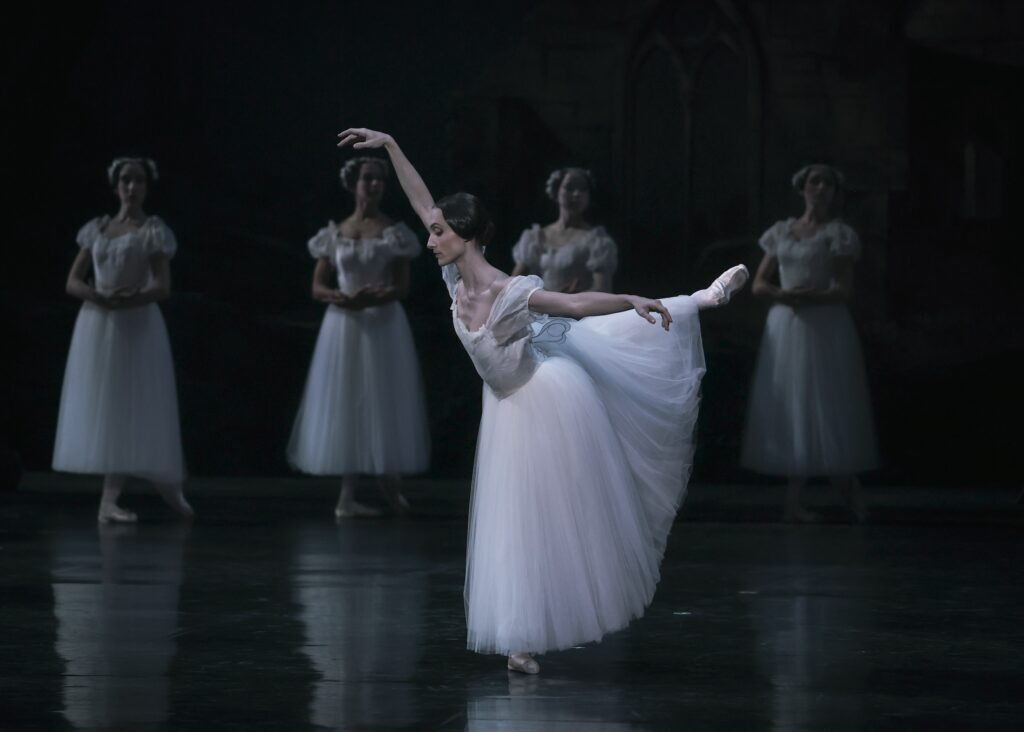
You were known for your energy and virtuosity early in your career, but over time, you built a reputation for dramatic roles. How did you manage that evolution?
My personality is definitely more energetic and sunny than lyrical, but that [dramatic quality] was always something I was hugely drawn to, precisely because it wasn’t me. So I pushed myself a little to explore it. I’m not saying that I went looking for dramatic situations, but when I would experience one, I experienced it intensely: I wanted to understand the feelings I was going through. Then it also came through the roles themselves.
How did you find your way into roles like Odette/Odile, which are often associated with taller dancers?
For a large part of my career, I fought against my shortcomings—my flexibility, my lines. Then, at a certain point, I thought: I’m going to accept them. I’ll still try to make sure they aren’t noticeable, but I’m going to focus more on my qualities. In Swan Lake, that included working hard to highlight my arms. You might say I spent a lot of time “cheating,” but it’s not really cheating—it’s just thinking about the angles and figuring out what the best possible line is, so that, visually, it works.
In the end—and this is not something I would have said five years ago—you realize that your flaws are your strengths. Perfection is boring. It’s the little imperfections that make the audience connect with you. It’s easier to see ourselves in someone who is like us than in someone who is completely extraordinary.
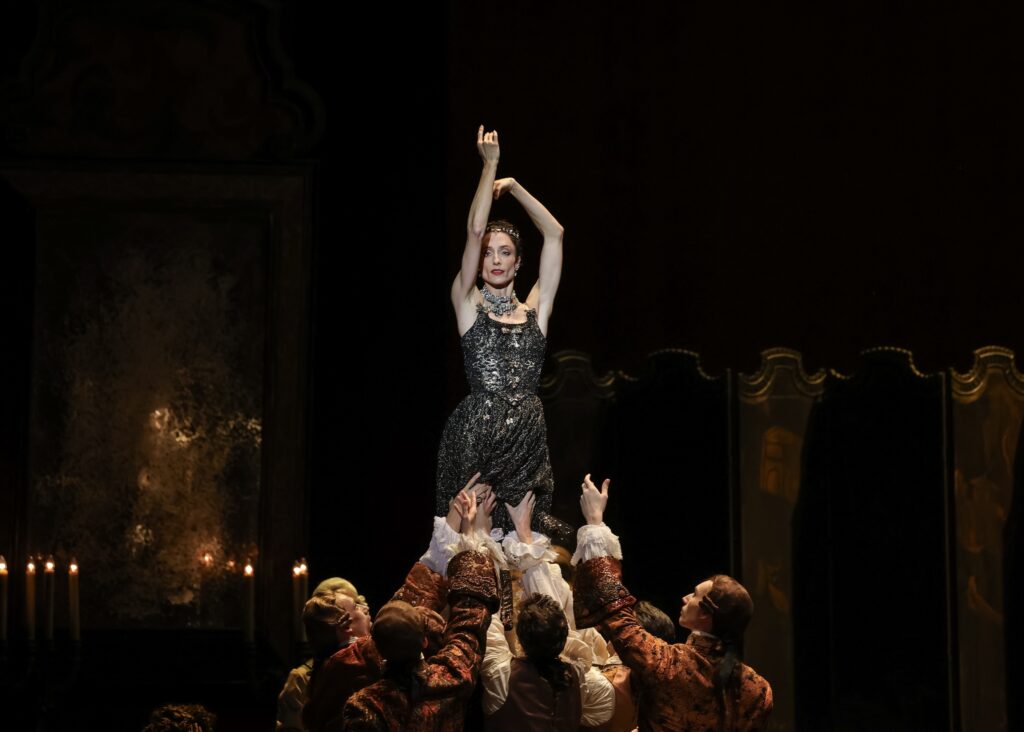
You’ve had very few interruptions to your career, aside from an injury after your promotion to étoile. Do you feel like you’ve achieved what you’d hoped to as a young dancer?
Definitely. I don’t see how I could have had a more beautiful career, in the sense that I got to dance all the roles I wanted to do. I was also lucky to have come along at the right time, in terms of partners. When I started out, I learned a lot from working with very experienced dancers like Manuel Legris or José Martinez. I went through a bit of a transitional period when they left, but then Hugo Marchand came along, and later Guillaume Diop.
You will dance your final Manon with Marchand, who has been your regular partner for 12 years. What is your partnership like?
We know each other too well! Like an old couple. It allows us to do things we wouldn’t do with other partners. In rehearsal, for instance, he will allow himself to complain because it’s me, and he knows that I know he’s a bit of a grump, so it’s not a big deal. And onstage, it means we can completely let go, because we understand each other with just a look. It’s at once beautiful, reassuring, and intense. He knows my body inside out, so he senses when something isn’t right, and when he starts getting tired, I can feel it.
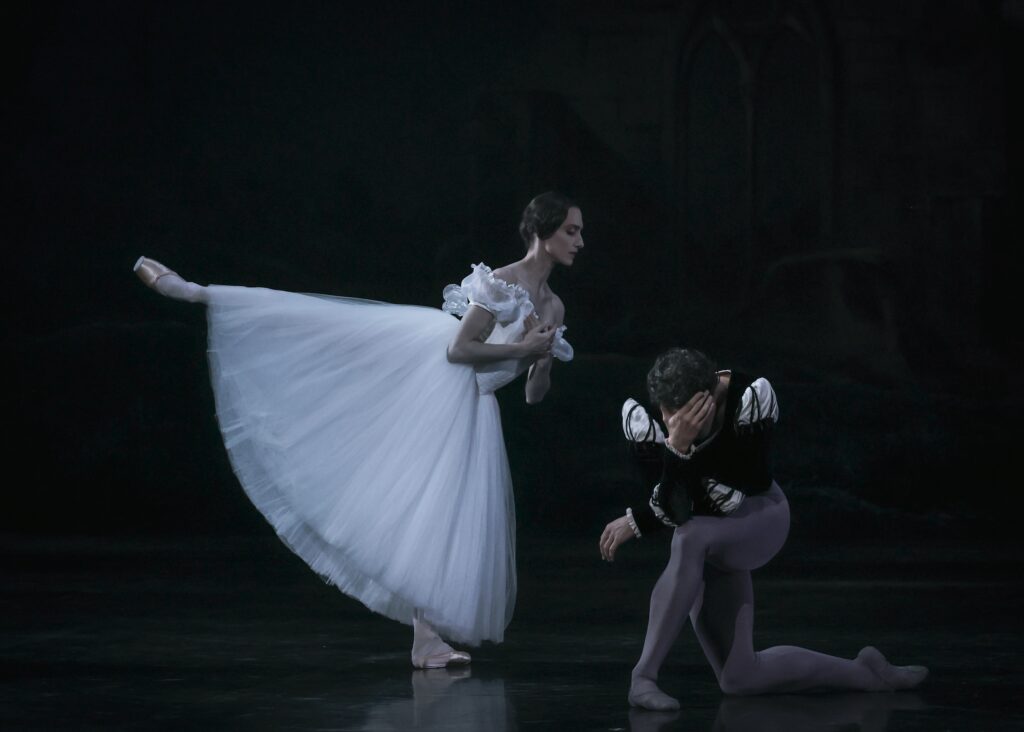
Your farewell will be the first to be streamed live on POP, POB’s on-demand platform…
As dancers, we tend not to like being filmed, especially live. It’s not exactly a pleasant experience, but my husband [the photographer and director James Bort]has also been following me for two years for a documentary about my final seasons, so I forget the cameras after a while. And a lot of people have told me they weren’t able to get tickets, so I’m happy they will still be able to see the show.
Are there any works or styles that you wish you’d had a chance to perform?
Not really. I did some [contemporary repertoire] when I was younger, under Brigitte Lefèvre. When Aurélie Dupont took over as director, she told me I wasn’t a contemporary dancer, and after she left, it was a personal decision to stick to the classical repertoire. Doing both is too hard on the body, especially as you get older. To enjoy the story ballets that are technically simpler, like Manon or Onegin, I wanted to keep doing harder productions like Sleeping Beauty or La Bayadère. If you don’t challenge yourself from time to time, it’s easy to lose your technique—and then the “easy” ballets become tough.
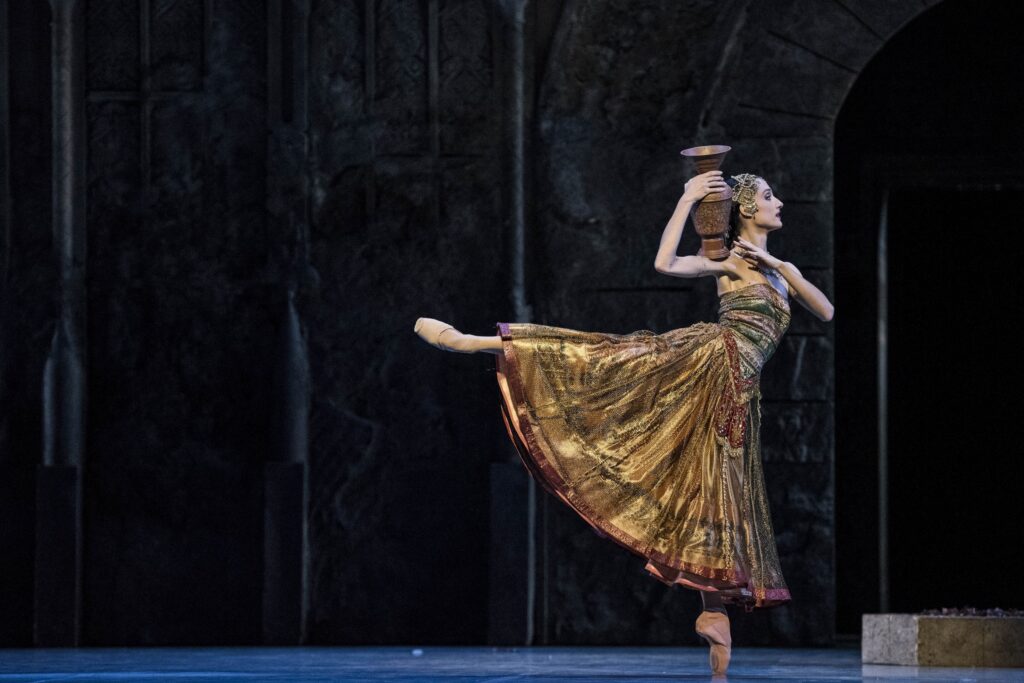
What’s next after your final performance at POB?
It’s not my very last show: I will also perform Manon with Hugo Marchand at the Teatro Colón in Argentina next month, and I have other performances planned through next summer. I think I will have to say no to some things, because otherwise my family won’t see me anymore. [Laughs.] But it helps that my farewell is happening in stages, because it would have been too much emotionally, I think, for everything to stop at once. I’m saying goodbye to the company and the Paris Opéra’s audience, but not yet to dance.
Do you have any long-term plans yet, beyond next summer?
No. I’ve known this was coming for a long time, and at the beginning, I was looking for another passion or another career entirely. But I’ve realized that what makes us unique as étoiles is everything we’ve learned along the way. Even when people distance themselves at first, they all eventually come back to teach or lead rehearsals. But I know I don’t want another full-time position yet; after 26 years in the company, I need a period of freedom.