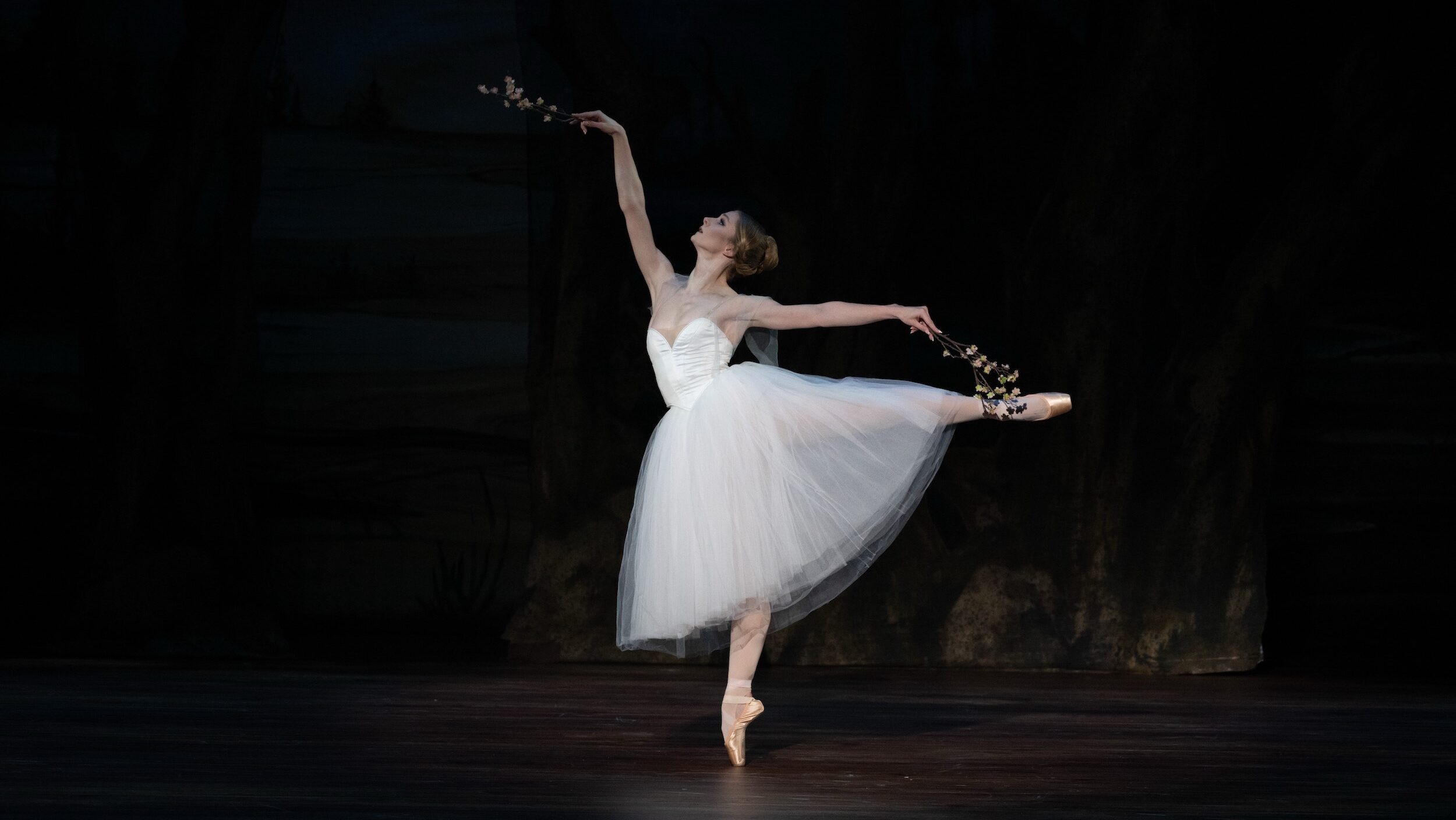
On Standby: The Crucial Role of Understudies

Pilar Ortega, now in her first season with London City Ballet, remembers a time she was asked to step in for another dancer at the last minute.
“I frantically marked steps in the wings while the prologue music played,” Ortega says.“I had to trust I knew the choreography, but the muscle memory developed in a normal rehearsal was not there.”Once onstage, her mind calmed down. “I forced myself to take it one section at a time, so I could truly perform the choreography and not just get through it.”

Understudies are an essential component to any production, says Valentino Zucchetti, associate choreographer for New English Ballet Theatre and a first soloist with The Royal Ballet. “Although it’s stressful being thrust into the spotlight with limited rehearsal and notice, it’s an inherent part of being a professional dancer,” he says. “I can recall numerous times saving the show as a last-minute replacement dancer, and, as a choreographer, dancers have also saved my shows.” While understudying can result in high-pressure moments like Ortega’s, it can also have big benefits.
Of course, one of the toughest parts of being an understudy is falling in love with a role, only to never perform it. “Even when you know that might be the case, it can still be disappointing,” says Philadelphia Ballet soloist Jacqueline Callahan. “Ballet seasons are cyclical, and sometimes it feels like you have to wait forever for a role to come back around.” But she also realized that anything can happen—and you need to be prepared. “I understudied Balanchine’s Concerto Barocco, and a week before opening night, the dancer I was covering sprained her ankle,” she says. “The stager had me run the entire solo in a studio before they decided whether to put me on. I’ll never forget that experience.”
Similarly, Silvia Selvini was given two days to prepare to step into the role of Kitri in Don Quixote with the Royal Danish Ballet in 2022.

“The last-minute rehearsal period was a blur,” Selvini says. “We squeezed in as much as possible, running variations, spacing, absorbing corrections. I stood in the wings thinking, I can’t believe this is happening! But my body took over, and afterwards I felt a mix of exhaustion and joy. I don’t think I’d ever had that level of pressure on me before, and it changed me. It recontextualized what pressure is, and I’ve not felt stage fright since, to the degree that I used to.”
When she was later cast as Kitri this March, Selvini realized that her time as an understudy was going to serve her well—she was promoted to principal after her performance:“What began as a terrifying experience turned into one of the most rewarding moments of my career.”
Callahan says that when a role you’ve understudied does return, you’re readier to take it on. She remembers covering Myrtha in Giselle as “a time that shaped me,” she says. “A few years later, I was cast in the role and felt so much more prepared because of my understudy experience.”

Choreographer Annabelle Lopez Ochoa encourages dancers to embrace the opportunity of learning a role with the objective of performing it one day.
“If you do your own research process, it will radiate depth and commitment,” Lopez Ochoa says. “Just executing steps and imitating is not enough. I am often happily surprised seeing different interpretations from different dancers within the parameters of the story and character that is portrayed. Take notes, listen, read, observe, assimilate, research, experiment.”
When choosing understudies, Valentino Zucchetti, New English Ballet Theatre’s associate choreographer, looks for “assertive, musical, enthusiastic individuals,” with the ability to learn choreography quickly. “I’m happy for dancers to be different in physicality and dance quality, unless choreography has been intentionally made for a specific type of dancer. Then an understudy would be chosen who had a similar general feel,” he says.
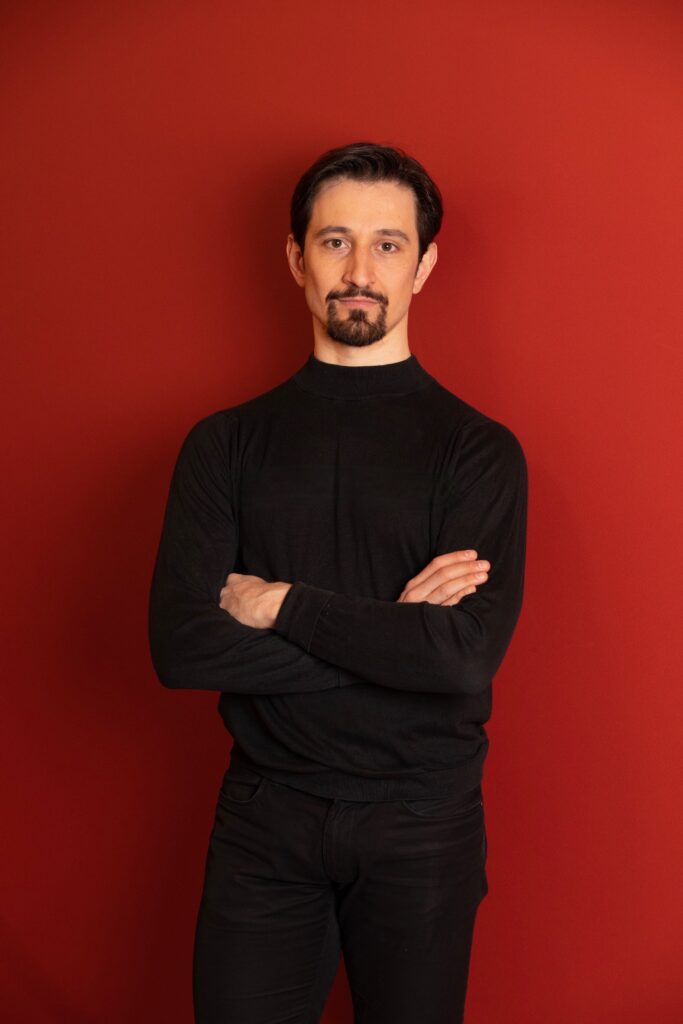
London City Ballet dancer Nicholas Vavrečka took full advantage of his time understudying the role of Kenneth in Sir Kenneth MacMillan’s Ballade.
“I had the opportunity to see other dancers present their version of a character and consider, Would I play it like this?” he says. “I learned about partnering, characterization, and how small acting choices can add so much nuance to a role. Understudying involves a lot of watching other people. Fantastic for inspiration, but also nerve-racking if you don’t have time to feel the steps in the space and get used to doing it by yourself.”

Ultimately, a dancer who takes their understudying responsibilities seriously will not only benefit from the experience but make a good impression.“Casting is subject to change—I continually remind myself of that when I’m rehearsing a role I may not be able to bring to the stage,” says Ortega. “What’s in your control is your dancing and the way you handle opportunities that you’re given.”