What to Consider When Choosing Ballet Slippers

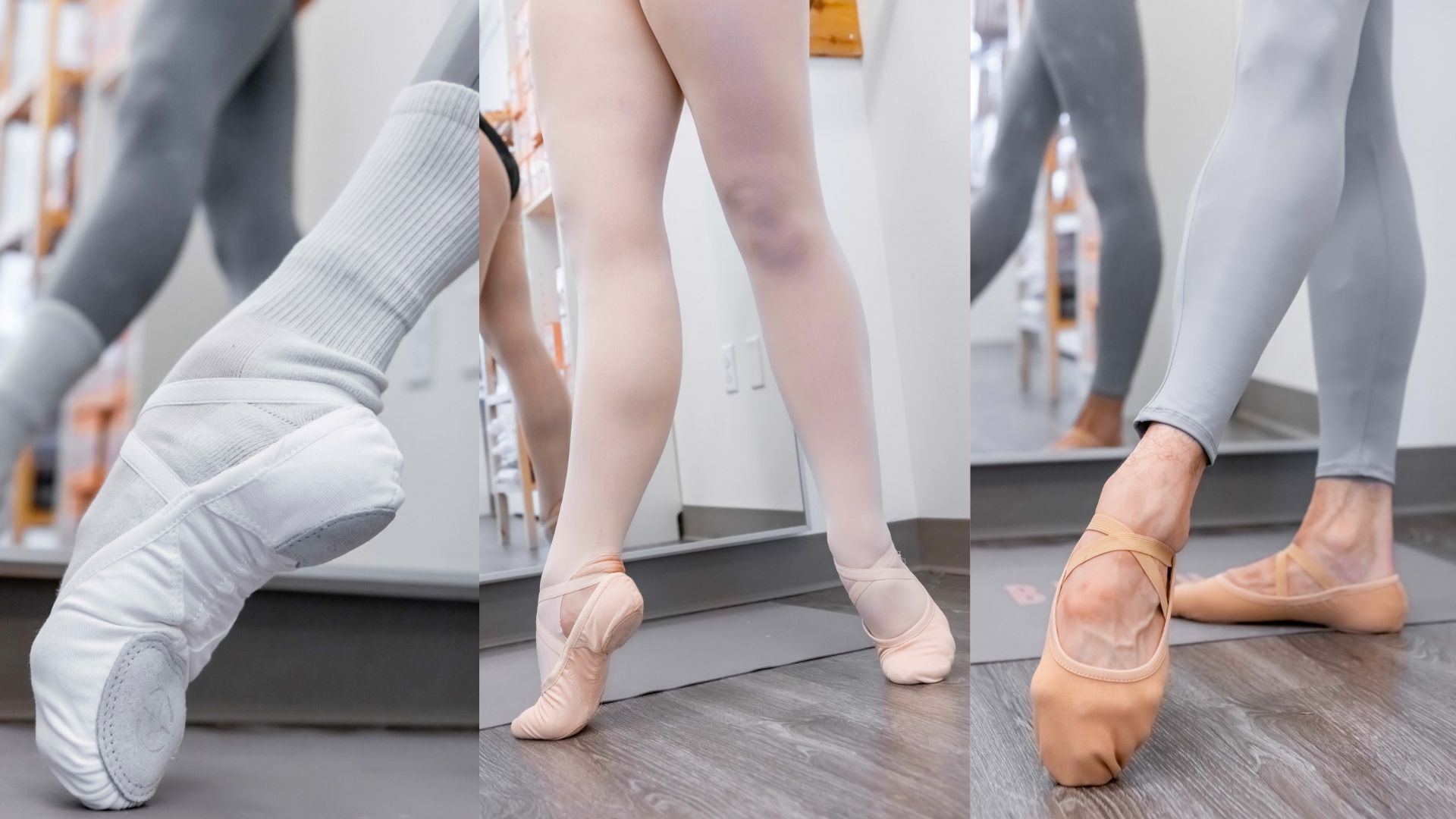
If you need a new pair of ballet slippers, it may seem like you can choose between leather or canvas and then a split-sole or full-sole design. But it’s not that straightforward anymore with the rise of new brands, designs, and technologies. For example, the ORZA Pro 2.0 structured canvas slippers are built with patented shock-absorption padding and need to be “broken in” like a pointe shoe, whereas Bloch’s Elation has a stretch lining, asymmetrical suede outsoles, no drawstrings, and a left- and right-foot design.
With continually expanding options, keep an open mind and be willing to try something new—whether it’s a four-way stretch fabric, arches with mesh inserts, lower vamps, or innovative sole designs.
Leather Versus Canvas
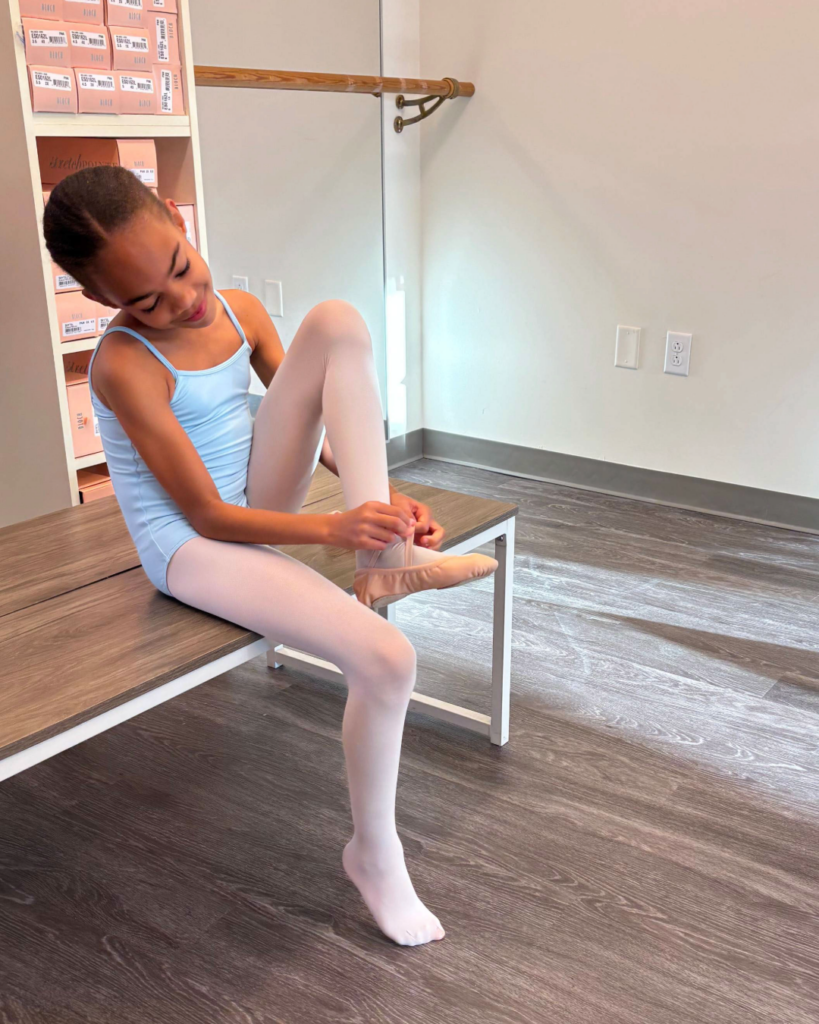
Canvas shoes are lighter, more flexible, form-fitting, and easier to dye for performances; however, they deteriorate more quickly than leather slippers, which are more durable and tend to have better floor grip.
There has been a long-standing philosophy that leather shoes (and full soles) help strengthen dancers’ feet, especially young children and adult beginners. A student may start in leather full-soles, move to split-sole leather as they advance, and then graduate to canvas split-soles once pointework begins. “That has been a guideline that has been followed for many years, but I’m more apt to having dancers feeling comfortable,” says Stella Abrera, artistic director of the American Ballet Theatre Jacqueline Kennedy Onassis School. “It’s about how a dancer uses the floor and how their foot is articulating and lining up through class exercises.”
Fit and Function
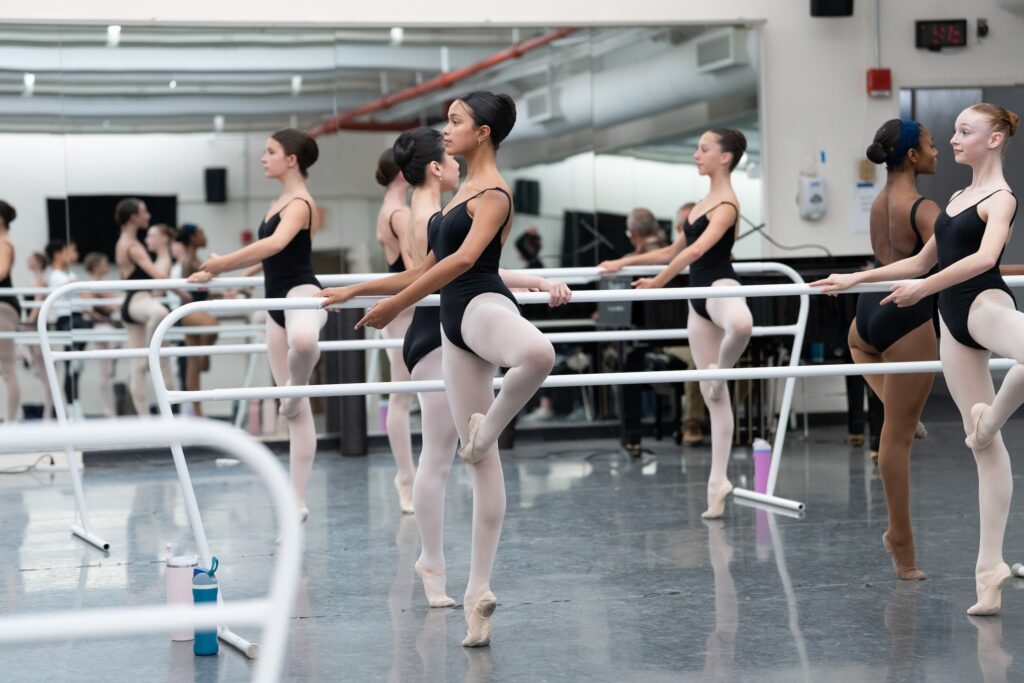
The JKO School recommends proper fittings at a dance retailer, and by the time students are 12 and 13, most already prefer a canvas split-sole because “it’s easier for them to show the flexibility and the line of their foot better,” Abrera says.
Taiylor Wade, manager of The Dance Boutique on the Avenue of Arts in Philadelphia, finds that pre-professional and professional dancers overwhelmingly prefer canvas slippers because “the way the fabric clings to the foot allows for more diverse movement for both ballet and contemporary ballet work,” she says.
Canvas isn’t always the top choice for every pro, though. Durability is a big concern for professional and pre-professional male dancers, not just for longevity but also for ball-pad stability. “Soft, canvas shoes tend to be more flexible, and this will result in the ball pad shifting on the dancer while they do more intense ballet work, such as turns and jumps. No shoe has fully answered this problem yet,” Wade says.
Anthony Shtov, a dancer with Eugene Ballet in Oregon, prefers stretch canvas because he finds the material is most comfortable during long rehearsal hours. He discovered the Sansha PRO-MESH about two years ago. It has since become his preferred slipper with its double articulated (split) front sole, designed to provide greater toe articulation. “It strikes the perfect balance for me in terms of stretchiness and stability, and provides more control through demi-pointe,” he says, adding that he preps them by removing the fabric insole. “I feel that the extra fabric dulls my connection to the floor and makes the base of the shoe slightly less stable.”
Shtov used to regularly try new brands and styles, searching for shoes with a shorter vamp for a better line. “I have been so happy with my current shoes that I have mostly stopped experimenting,” Shtov says. But, he adds, he keeps an eye out for new releases, as manufacturers are increasingly developing new technologies and products to support dancer health and career longevity.