How to Adjust From Your Small Studio to a Big Summer Intensive

If you’ve only ever studied at a small ballet studio, attending a large summer intensive can feel like a dream come true. After all, bigger programs generally have a ton of resources at their disposal: spacious studios, sleek health-and-wellness facilities, a roster of world-class teachers, and live music accompaniment.
San Francisco Ballet principal dancer Jennifer Stahl had only ever trained at her local dance school in Orange County, California, when, at age 14, she attended her first summer intensive with American Ballet Theatre. Stahl tells Pointe that getting out of her comfort zone and being exposed to different teachers and dancers was incredibly beneficial to her training. And in the long run, it was good preparation for life in a large ballet company.
Still, going to a big summer program can require a bit of an adjustment, especially if you’re accustomed to hands-on attention in class. “When you’re coming from a small studio, you might have more of that cheerleading and support,” Stahl says. “Going into a larger summer intensive or school, I think people want the best for you, but [you need] to take it upon yourself to maintain that drive.”
Likewise, it can be challenging to concentrate on your own goals and improvement when you’re suddenly surrounded by lots of other talented dancers—especially if you’re used to being the star student back home. But once you get over the shock of no longer being the “big fish” in a small proverbial pond, you can work on staying focused, having fun, and making the most of your summer training—without feeling lost at sea.
Be a Sponge
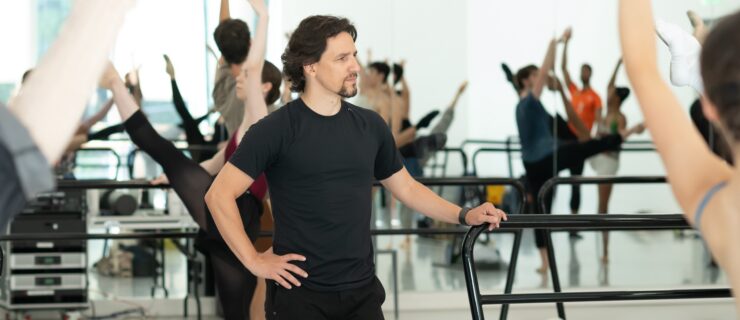
While classes at your studio may only have a few students, each class at a big summer program probably has dozens from all over the world. But instead of longing for more one-on-one attention, try to see a bigger class as a benefit.
Stacy Caddell, associate artistic director of the NYC Ballet Trainee Program at the Joffrey Ballet School, attended her first intensive at Joffrey Ballet School when she was around 12 years old. Up until that point, she had only attended a relatively small studio in Norfolk, Virginia, and she saw the opportunity to be surrounded by lots of new dancers as a learning experience.
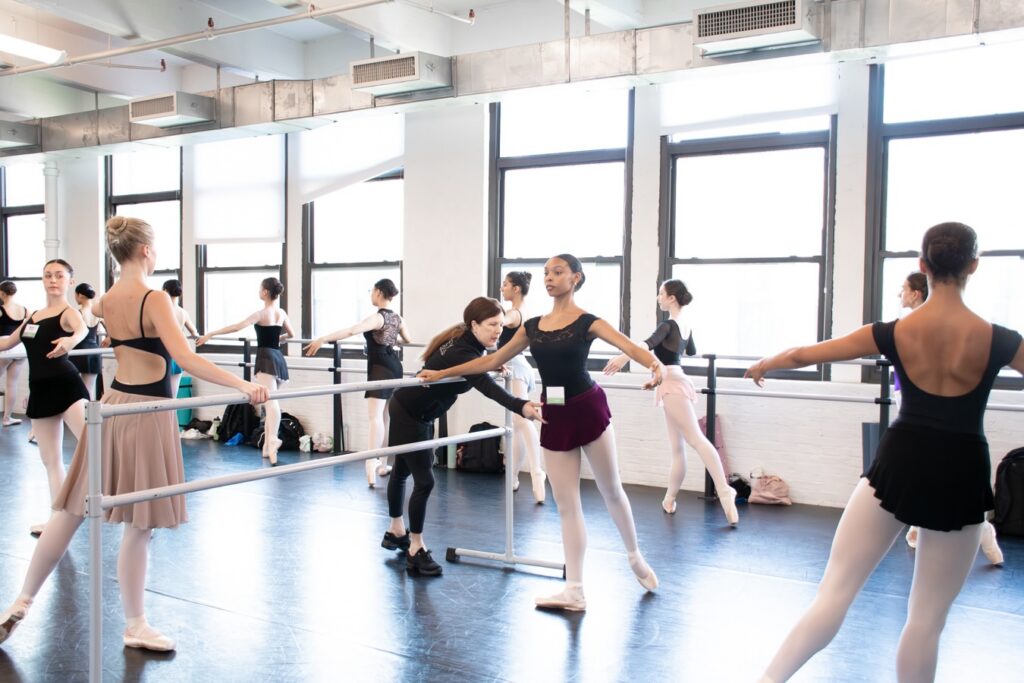
“Personally, I was challenged by the other kids. I found them inspiring,” Caddell recalls. “I wanted to see, What was their approach? Why is that working? How can I take what they’re doing and apply it to myself and see a result?”
Rather than getting frustrated or waiting for individual feedback, Caddell suggests trying to apply every correction—whether it’s a general one for the class or directed at another classmate—to yourself.
“What I would love is for the student to feel like a sponge and say, ‘I’m just here to absorb everything I can,’ ” Caddell says.
Cultivate a Positive Attitude
At your local studio, your teachers know you, your dancing, and all your strengths and weaknesses, which will not be the case when you enter a large program for the first time. If you’re eager to stand out to your new teachers, Tamara King, associate director of Boston Ballet School, suggests focusing on your work ethic.
“Faculty are going to really gravitate to the students that they feel the energy from, where they’re really engaged and they’re interested and enthusiastic,” King says. “I can walk into a class and read the room, and you can tell the students who are present right away.”
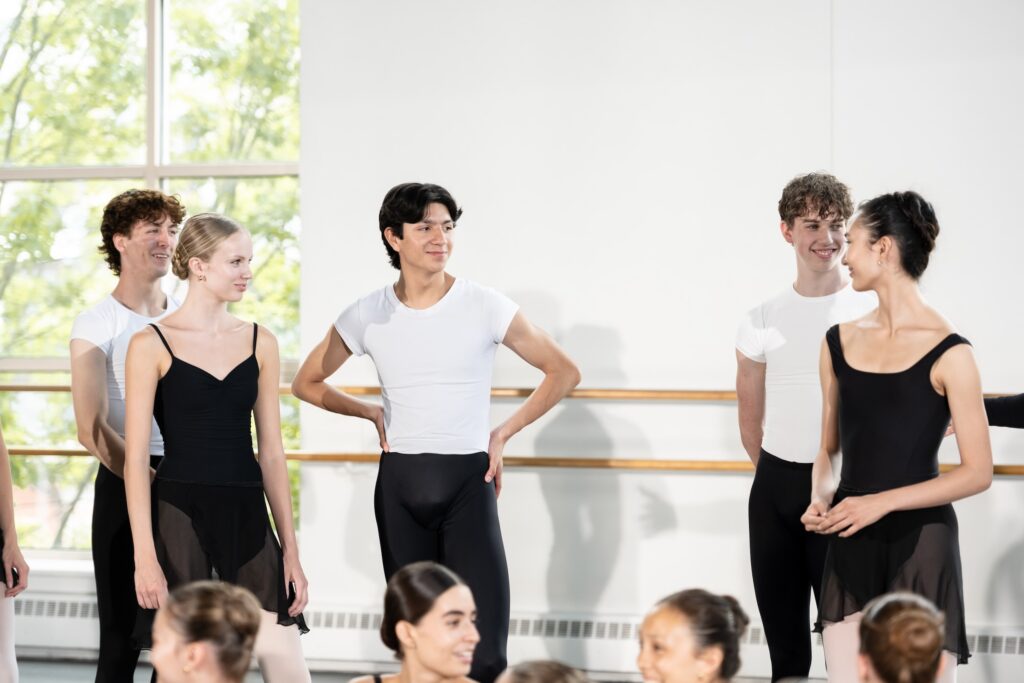
King was 15 years old and training at a small studio in Albuquerque, New Mexico, when she attended a summer intensive at Boston Ballet School for the first time. (She later went on to dance with Boston Ballet.) She points out that teachers usually rotate lines during class so that everyone gets a chance to be up front; but if you’re putting in the effort, you’ll get noticed no matter where you are.
“I was one of those kids that always stood in the back of the studio, but I got tons of attention because I was a hardworking student,” King recalls.
Find Ways to Process Your Feelings
With so many talented dancers around you, try to cut through the noise and stay focused on your goals—and the reason you came to a summer intensive in the first place. Stahl remembers journaling a lot during her summers away, which in retrospect helped her process everything and get her feelings out on paper. (Plus, she says those journal entries are “fun to look back on now!”)
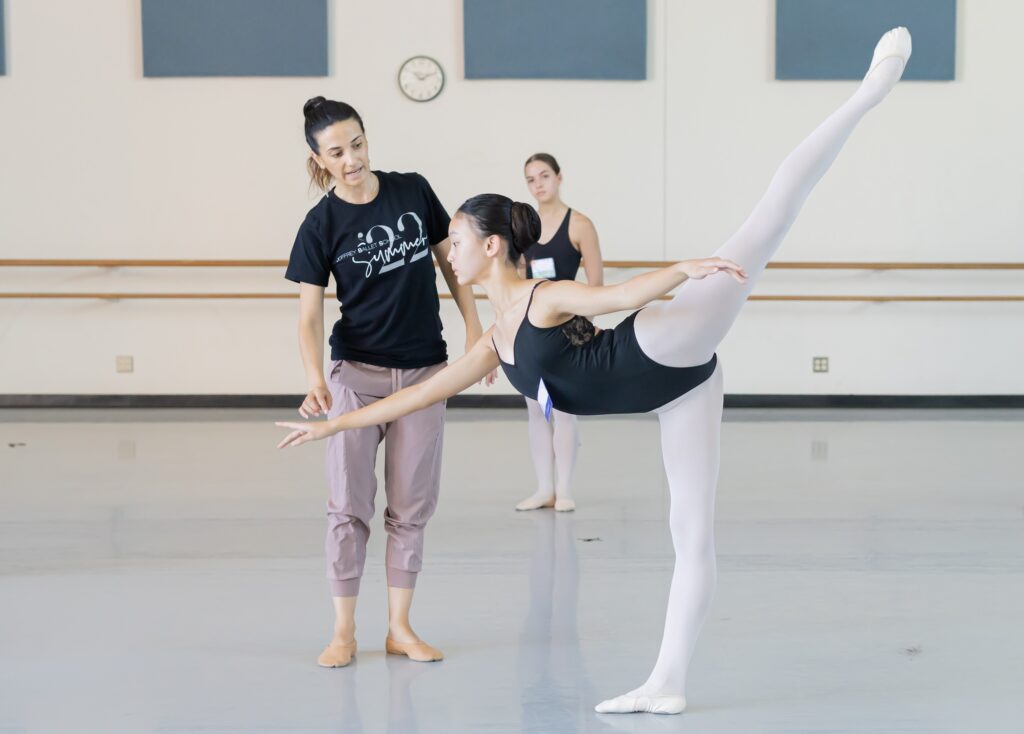
If you’re overwhelmed, Stahl also suggests connecting with your support system back home. “Reaching out to your parents or your teacher mid–summer-intensive might be really helpful, just to talk through your feelings,” Stahl says. “Don’t be afraid to ask for help. It might just be that you need a little bit of encouragement.”
Put Effort Into Making Friends
Most large summer programs organize social events outside of class, creating plenty of opportunities to connect with fellow dancers. Still, it can be hard to get your bearings when you’re used to having a built-in friend group at your regular studio.
If you’re eager to make new friends and find your social circle, Caddell suggests inviting others to check out a new place together, like indulging in a shared love of bagels or coffee at a nearby cafe between classes. And don’t be afraid to initiate plans.
“We tell our students, ‘If you see anybody sitting alone, go over [and] introduce yourself. Put in that effort!’ ”