
Ask a Dance Dietitian: What Foods Boost Post-Workout Recovery?

What are the best foods for recovery after intense training sessions? —Ella
With the return of the dance season and the back-to-school rush, many dancers are jumping into longer rehearsals and heavier training schedules. This sudden increase in activity can cause the body to become sore, fatigued, and, if you’re not fueled properly, slow to recover. The good news? A solid nutrition plan will help you bounce back quicker and stronger from even the toughest training sessions.
Refuel, Repair, Rehydrate
No matter the kind of activity, prolonged intense movement places stress on your muscles, depletes your body’s energy stores, and can cause or worsen dehydration. For dancers, an “intense” activity level might look like a 90-minute technique class followed by pointe, variations, or rehearsals, or a performance week with back-to-back shows. Or, it could be a tough cross-training session, like an hour of Pilates, swimming laps, or a high-energy cardio workout that leaves you breathless. To counteract the workout’s stress on your body, refuel with foods that include a balance of these nutrients:
- Carbohydrates, to replenish glycogen (stored energy) in your muscles
- Protein, to repair and rebuild muscle fibers stressed during training
- Fluids and electrolytes, to restore hydration and support overall muscle function.
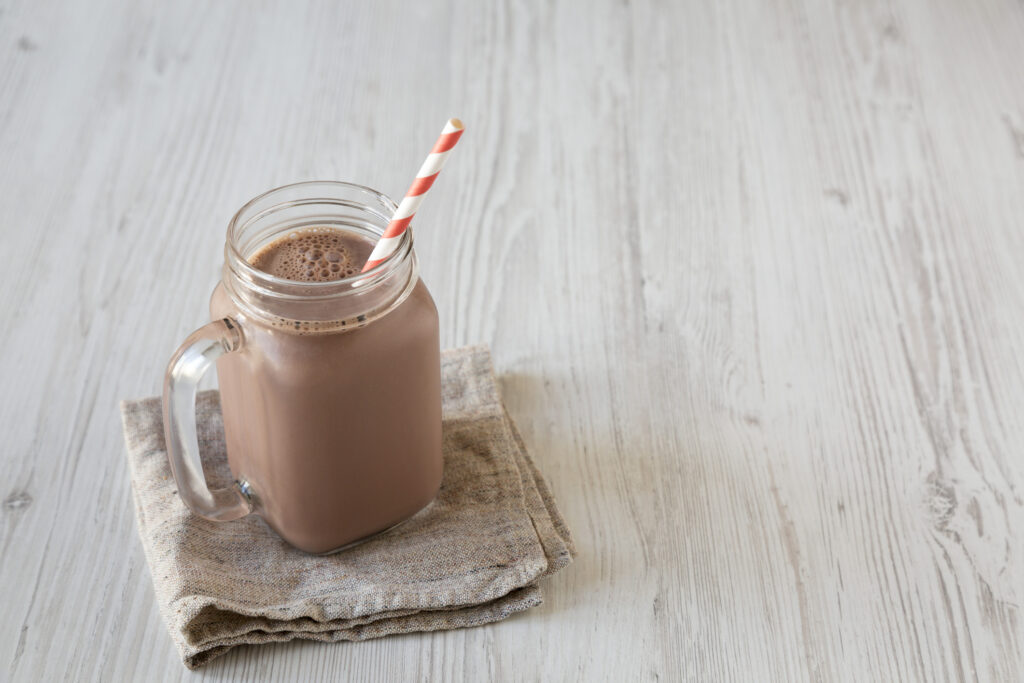
Here are a few examples to get you started:
- Chocolate milk: A convenient balance of carbs and protein plus hydration. You can add it to a meal or snack, and it’s especially useful if you’re on the go between school and rehearsal.
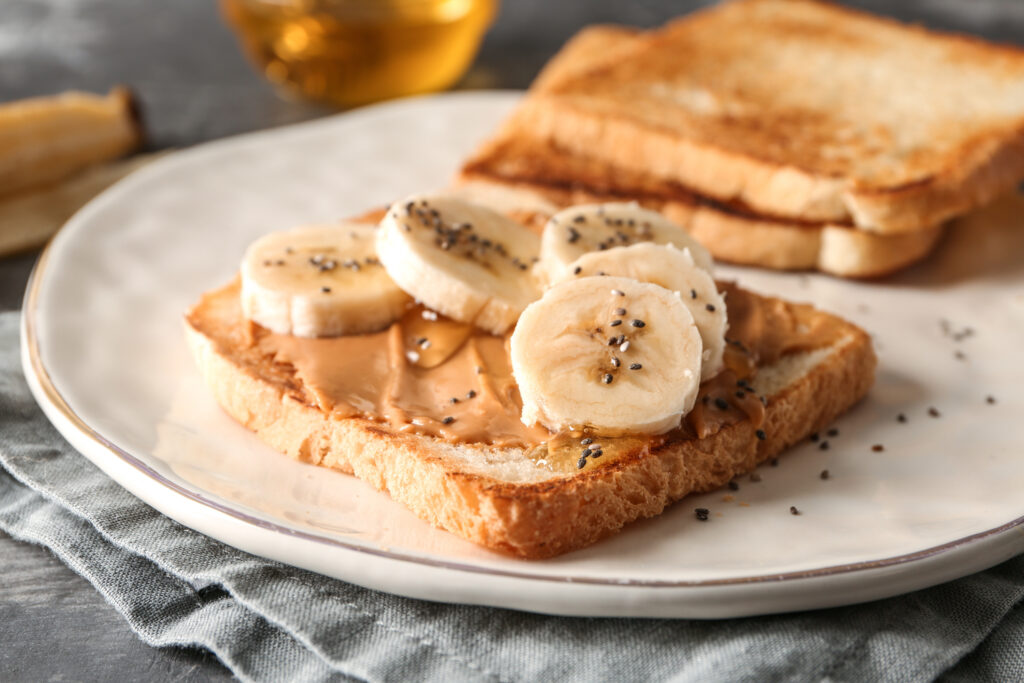
- Whole-grain toast with nut butter and banana: Provides quick energy and fats to keep you satisfied until your next meal.
- Hummus with pita and sliced veggies: Adds plant-based protein, fiber, and micronutrients to your day (not to mention variety and color!).
- Smoothie: With frozen fruit, milk (or a milk alternative), and protein powder or nut butter, it’s great for dancers with limited appetite after class.
Timing Matters
Take advantage of your body’s post-performance recovery window, the first 30 to 60 minutes after a workout when your muscles are most depleted and need their energy replenished. If you can’t get to a full meal right away, you will still benefit from a recovery meal or snack later on. However, waiting too long can leave you feeling sluggish, sore, and less prepared for your next class or rehearsal, so start with a snack, like something from the list above, and follow up later with a balanced lunch or dinner.
Don’t Forget Hydration
Even as we ease into a cooler time of year, sweat loss during intense exercise is still a reality. Water is often enough, but if you’ve been dancing for more than 90 minutes or sweating heavily, consider an electrolyte beverage, like a sports drink. Replacing lost electrolytes helps prevent issues like dizziness, cramps, or early fatigue. Pairing a salty snack with fruit and water is a more economical option.
Getting Started
As your season ramps up, view recovery nutrition not as a luxury but as part of your training plan. Fueling your body well post-workout will help you return stronger and prevent injury—especially as winter performances approach!
Have a question? Send it to registered dietitian nutritionist Rachel Fine at dietitian@dancemedia.com. Ask a Dance Dietitian responses are for informational purposes only and should not be a substitute for individual medical or mental health advice.