What Dancers Need to Know About Dehydration

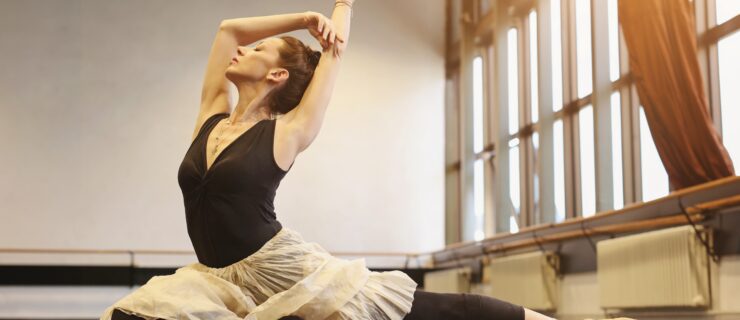
For dancers, summer means sweat. Even if you’re not performing outdoors directly in the sunshine and heat, you still might end up soaking your leotard by the end of the day.
“Most dancers at summer intensives are dancing quite a few more hours than they’re used to, and especially if they’re somewhere that’s much more humid, dehydration becomes a lot more common,” says Christina Chagaris, RDN, a dietitian who works with dancers from the Joffrey Ballet School in New York City.
Meaning: Whether you’re Team Stanley or Team Owala, you’ll want to make your water bottle of choice your go-to accessory.
Why Dehydration Is Dangerous
Our bodies are mostly made up of fluid, so when we sweat out significantly more than we replace, that can impact everything from our muscles to our brain, our heart, and even our gut. “As we get out of balance, everything is affected,” says Kathleen Davenport, MD, a sports-medicine physiatrist who works with dancers at Hospital for Special Surgery in Florida.
All it takes is losing 2 percent of your body weight in water for your athletic performance to take a hit, making it harder to dance well. Plus, dehydration can trigger a number of not-so-fun symptoms, including:
- Fatigue
- Cramping
- Nausea and vomiting
- Headaches
- Lightheadedness and dizziness
- Confusion
- Fainting
- Higher heart rate
In severe situations, dehydration can sometimes make people start sweating profusely or stop sweating at all. “That’s something that we see more commonly in extreme outdoor athletes,” Davenport says. “But if you take dancers who are not used to training in the heat and put them in a festival all day long in the sun, it could happen.”
Even if things don’t get that intense, just a little fatigue from minor dehydration could potentially lead to injury, Davenport warns. Dehydration also raises the risk of heat illnesses like heat exhaustion and heatstroke.
How to Tell if You’re Dehydrated
The easiest way to check your hydration level is to pay attention to your urine. If it’s extra-dark or there’s not much of it, you’ll want to start drinking some water, Davenport says. (On the flip side, if it’s completely translucent, you may be overhydrated, Chagaris adds, meaning it’s possible your electrolytes are diluted.) Most experts say you should be hitting the bathroom at least seven times a day with a hue that looks like pale lemonade.
Ways to Avoid Dehydration
When you know you’re going to be sweating all day, be strategic.
- Avoid substances that dehydrate you. Namely, limit caffeine and alcohol. “If we’re starting our day dehydrated, then we’re already behind the eight ball,” Davenport says.
- Start hydrating before barre. The American College of Sports Medicine recommends slowly drinking about 0.1 ounces per pound of body weight starting at least four hours before exercise, to give your body time to absorb the fluid.
- Sip steadily. Drinking small sips often allows your body to more readily absorb water, says Chagris. Quickly chugging multiple liters can signal your kidneys to flush the excess water out, meaning it will not contribute to hydration.
- Replace electrolytes. We also lose electrolytes through sweat, mainly sodium. (If you get white salt stains on your leotard, you’re likely an especially salty sweater.) “Electrolytes help maintain our nerve impulses for our heart and muscle contractions,” Chagaris says. Sodium also helps the body efficiently absorb water. If electrolyte drinks don’t fit in your budget, Davenport recommends having a salt packet, some pickle juice, or just an extra-salty lunch. Also, make sure you’re getting a well-rounded balance of foods throughout the day to replace other electrolytes, like potassium and magnesium, Chagaris adds.
- Dress light. If you can, avoid heavy dancewear or costumes that cause excessive sweating. “Sometimes conversations with an artistic director about limiting costuming can be helpful,” Davenport says.
And if, despite your best efforts, you still find yourself dehydrated? Sit down and drink some fluids, especially if you’re experiencing more severe symptoms. “Take a minute to not dance—recalibrate, rehydrate,” Davenport says. “Get back to being human first before going back to being a dancer.”