Ask a Dance Dietitian: I’m Not Hungry During the Day, but Starving at Night. Help!

I don’t feel hungry during the day, especially with a lot of rehearsals. However, in the evenings I can’t stop eating. Help! —Liv
This is a struggle many dancers face, and it’s more common than you might think. When caught in the whirlwind of rehearsals and classes, your body might be entering survival mode, relying on stress hormones like adrenaline and cortisol to energize activity. Though this stress response is biological and temporary, it simultaneously suppresses appetite hormones. The result? Your body simply doesn’t register the need to eat. Add a packed schedule to the mix and you’re bound to miss crucial opportunities to refuel.
By the time evening rolls around, your body is craving energy, and chances are you’ve reached a moment of downtime after class and rehearsals. That’s when your metabolism starts to catch up, compensating with a spike in hunger with symptoms like shakiness, a growling tummy, and even a headache. This can lead to overeating, or eating beyond what feels comfortable.
So, how can you begin to break this cycle?
Start by prioritizing smaller, balanced snacks throughout your day—even when you’re not hungry. Think of easy-to-digest options like yogurt with granola, trail mix, crackers with cheese, a banana with almond butter, or a small smoothie. If you’re still forgetting to eat, set reminders on your phone. It may take time to build this habit, but consistency is key to eventually rebuilding reliable appetite cues.
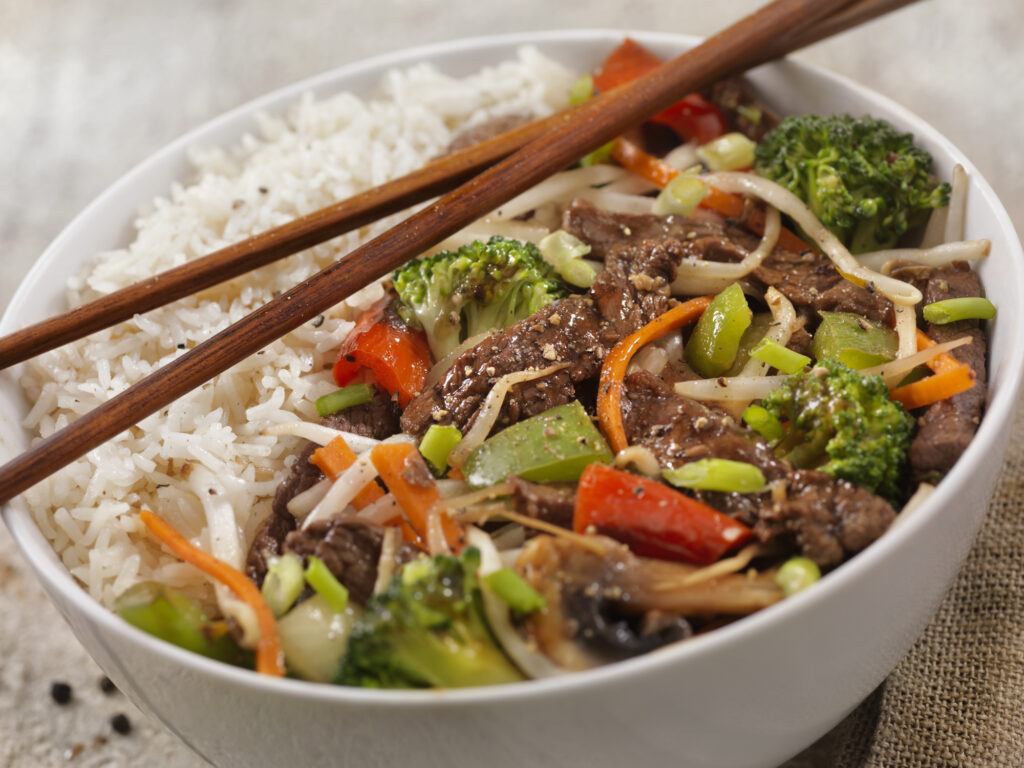
If you still find yourself eating more in the evening, prepare meals ahead of time. Stir-fries and stews are excellent for meal prep because they’re quick to make and easy to store. Each can offer an array of nutrient-dense combinations. Start with a base of complex carbohydrates, like pasta, rice, or potatoes, and add protein and heart-healthy fats. Incorporate fresh or frozen vegetables to cover all the food groups you may have missed earlier in the day. Having meals prepared also helps you approach eating with ease and mindfulness. Ultimately, you’re more likely to honor fullness knowing food is readily available.
Last, if stress or anxiety is a trigger for eating out of comfort, it may be time to rethink your evening routine. Alongside your meals and snacks, try using the time after rehearsals to integrate relaxation techniques, like deep breathing, short breaks, or stretching.
While it’s common for dancers to experience shifts in hunger patterns, tackling the disconnect between daytime energy needs and nighttime eating patterns doesn’t require drastic changes. Small, sustainable adjustments to your routine can make all the difference.
Have a question? Send it to registered dietitian nutritionist Rachel Fine at dietitian@dancemedia.com. She’ll be answering questions on Pointe+ each quarter. Ask a Dance Dietitian responses are for informational purposes only and should not be a substitute for individual medical or mental health advice.