National Ballet of Canada’s Calley Skalnik Works Out to Complement Repertoire

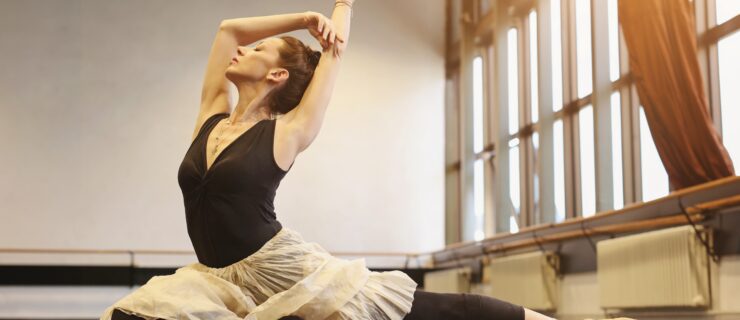
When it comes to protecting, maintaining, and preparing her body for ballet, National Ballet of Canada first soloist Calley Skalnik recognizes the value of balanced training. During the pandemic, she partnered with fellow personal trainer Lucie Wang to co-found American Barre Academy, which uses AngleCentric, a method based in Sculpt and barre that incorporates movements from ballet, tai chi, functional training, boxing, and more. For Skalnik, the method integrated all the elements she needed: breath work, endurance, stretching, and recovery.
“When you’re going into a professional career, the highs are high and the lows are low,” she says. “Know within your own body what brings you joy and what makes you feel healthy and strong.”
Finding Balance
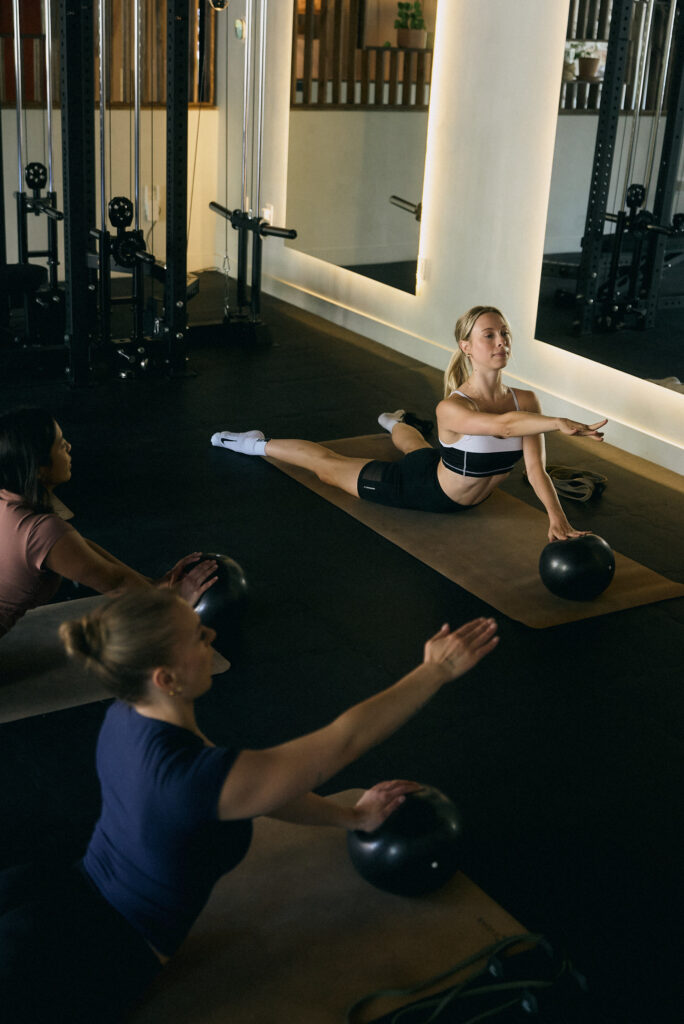
Skalnik, who is also certified in personal training, yoga, and sound healing, set out to find her ideal workout after moving up to the company from Canada’s National Ballet School. Noticing a gap between the student experience and the demands of the corps, she began doing Sculpt, an endurance practice that strengthens the posterior chain muscles which propel the body forward. (“Think jumps, running, all that open chest work,” she says.) The counterbalance Skalnik gained from Sculpt inspired her to co-develop American Bar Academy.
Skalnik often takes ABA classes with her students and adjusts additional cross-training with each NBoC program she performs. During a regular rehearsal period, she does a 60-minute ABA session two to three times per week and goes to the gym around three days per week. At the gym, she focuses either on cardio (biking, rowing, HIIT, jogging, and lower-body agility) or full-body strength training with kettlebells or heavy weights. She reserves the remaining day of the week for recovery through yoga or meditation: “I’m learning what goes up must come down.”
Aligning With Repertoire
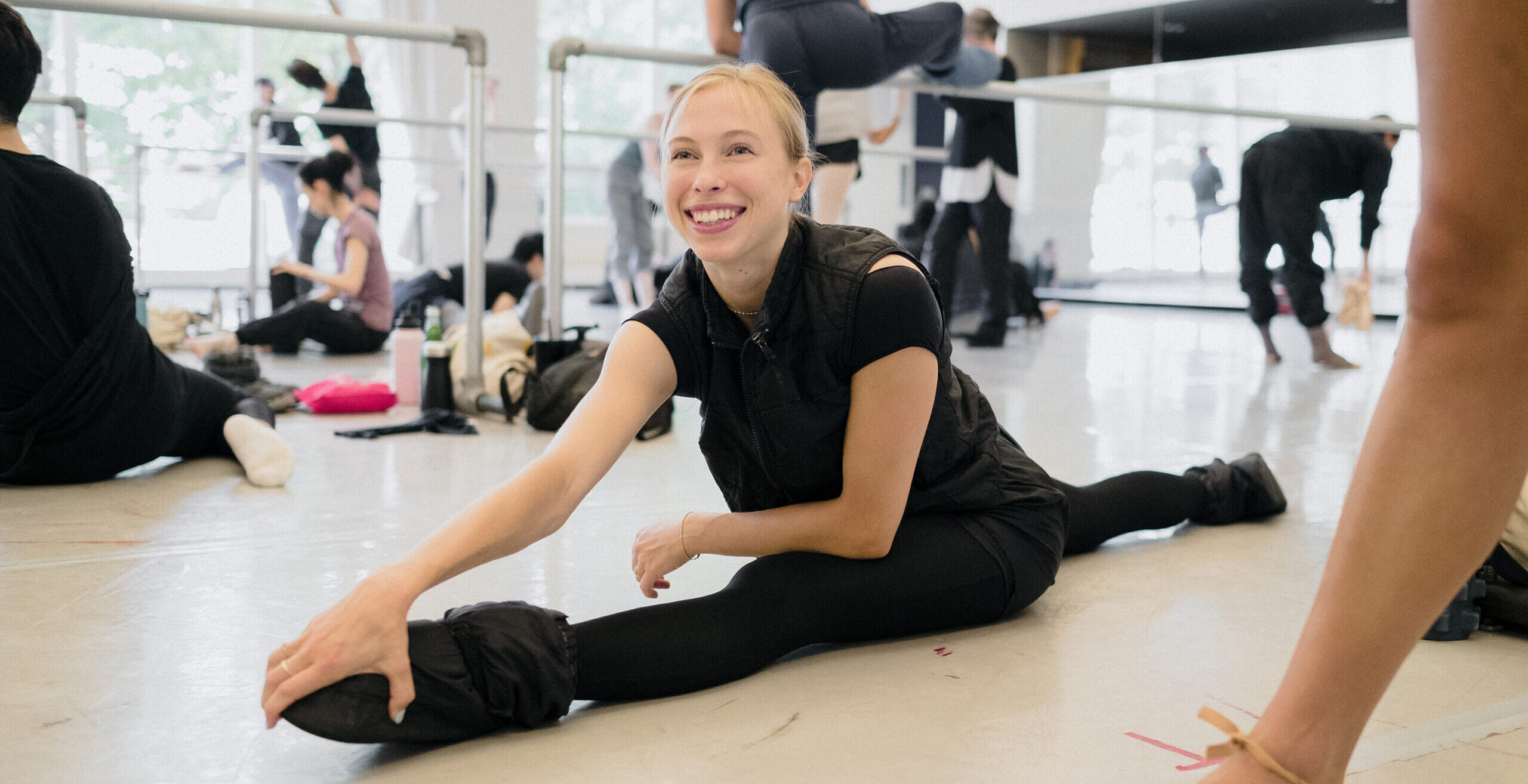
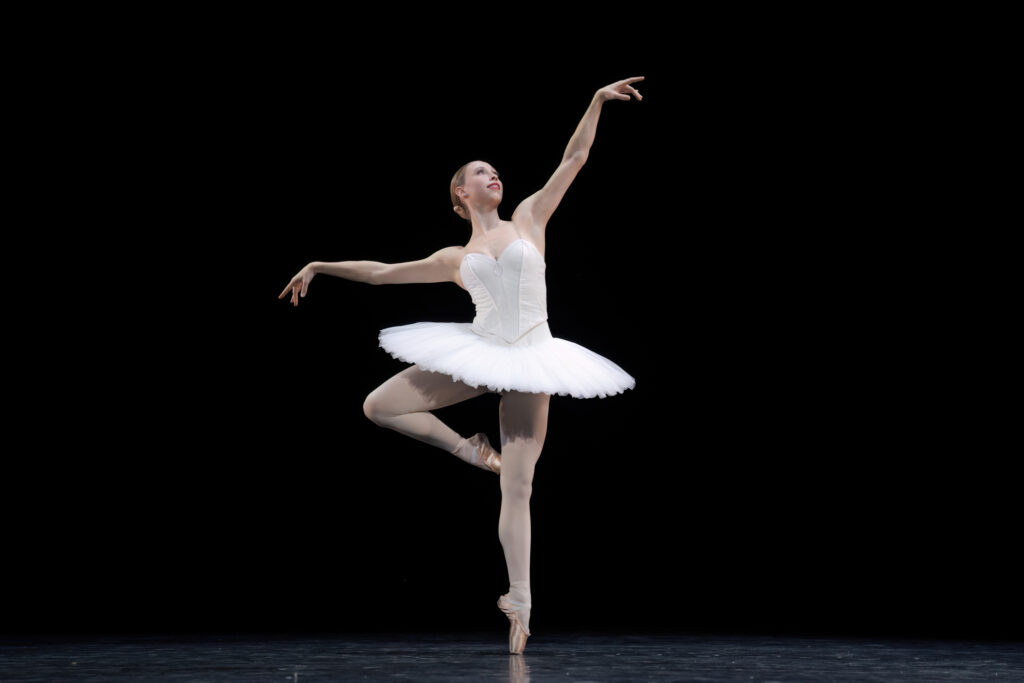
Skalnik aligns her cross-training with her current repertoire’s demands—for example, working on back strength and flexibility for Wayne McGregor’s fluid MADDADDAM choreography. She’ll also work on strengthening what the rep does not emphasize. If a variation is particularly heavy on her calves, she’ll focus instead on the quads, inner thighs, and hamstrings with box jumps and squats. She also always travels with her TheraBand. “Static stretching doesn’t do it for me,” she says, “so having the TheraBand for dynamic stretching is important—30 hamstring lowers and lifts on each side.”
Consistent Fueling
Skalnik likes to have four or five smaller, protein-heavy snacks or meals throughout her day, such as overnight oats and hardboiled eggs. One of her favorite ways to refuel after performances is by blending protein powder into almond milk and pouring that over cereal. She also loves a yoga pot (vegetable stew) for dinner. “Tomato sauce, beans, lentils, zucchini, carrots—whatever is in the fridge,” she says. “I simmer that for about an hour until it’s cooked.”
Go-To Glute Bridges
Before every class, rehearsal, or performance, Skalnik does glute bridges. “The lower glutes are the most under-activated muscle, and we need them for everything,” she says.
Check that your hip bones are aligned with each other throughout, and keep the arms in a low, wide V at your sides for support and stabilization. Keep your weight firmly pressed through your heels, and as you press up, exhale and feel all four corners of your waist pull inward, activating the low abdominals. Remember to soften the neck, shoulders, and ribs.
- Start by lying on your back with your knees bent. Place your feet flat on the floor or, as Skalnik prefers, on a yoga block. “The elevation helps to stretch the hip flexors and fully activate the glutes.”
- Press down into your heels, engaging the glutes, and lift your hips up into a bridge. Squeeze and hold for 1–2 seconds at the top to isolate the glute and hamstring muscles. lower your hips back to starting position and repeat, for a total of 12 reps.
- After returning to starting position, extend one leg straight toward the ceiling, or bend it 90 degrees, and do 12 more reps on the supporting leg.
- Repeat on the other side.