Hong Kong Ballet’s The Butterfly Lovers Brings Tragedy and Beauty to Lincoln Center

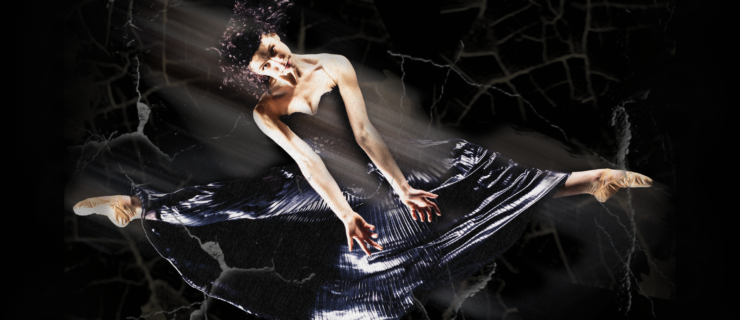
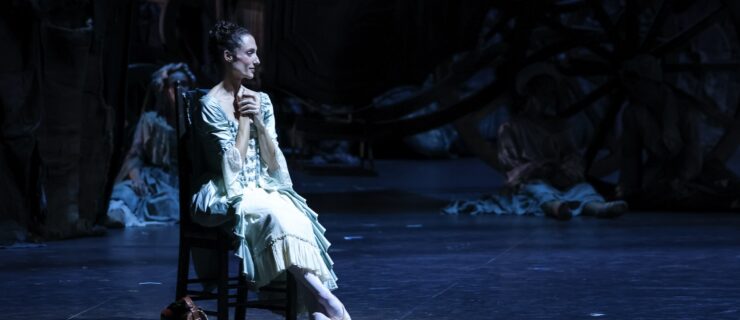
It’s a classic story of forbidden love: Zhu Yingtai, an heiress pursuing the education forbidden to her as a woman in ancient China, disguises herself as a man to attend school—where she falls in love with fellow student Liang Shanbo. Later, when Yingtai reveals her true identity to Shanbo, who then professes his love for her, Yingtai’s authoritarian father turns him away. Heartbroken, Shanbo dies of grief; Yingtai mourns his death and pronounces her eternal love, and the two are transformed into butterflies and united forever.
This narrative, which serves as the backstory for Hong Kong Ballet’s production The Butterfly Lovers, is a condensed variation of the Chinese folktale by the same name. For decades, the tale, set in the Eastern Jin Dynasty (266–420 AD), and known widely as the Chinese version of Romeo and Juliet, has inspired operas, movies, stage plays, and more, including the 1959 Butterfly Lovers Violin Concerto by He Zhanhao and Chen Gang. For HKB’s 2024 full-length ballet choreographed by Hu Song Wei Ricky and Mai Jingwen, composer Tian Mi created a score integrating musical themes from He and Chen’s concerto. Now, The Butterfly Lovers will tour to New York City’s David H. Koch Theater at Lincoln Center from August 22–24. Following Shanghai Grand Theatre’s Lady White Snake, it’s the second full-length production featuring a Chinese folktale to run at the theater this summer.
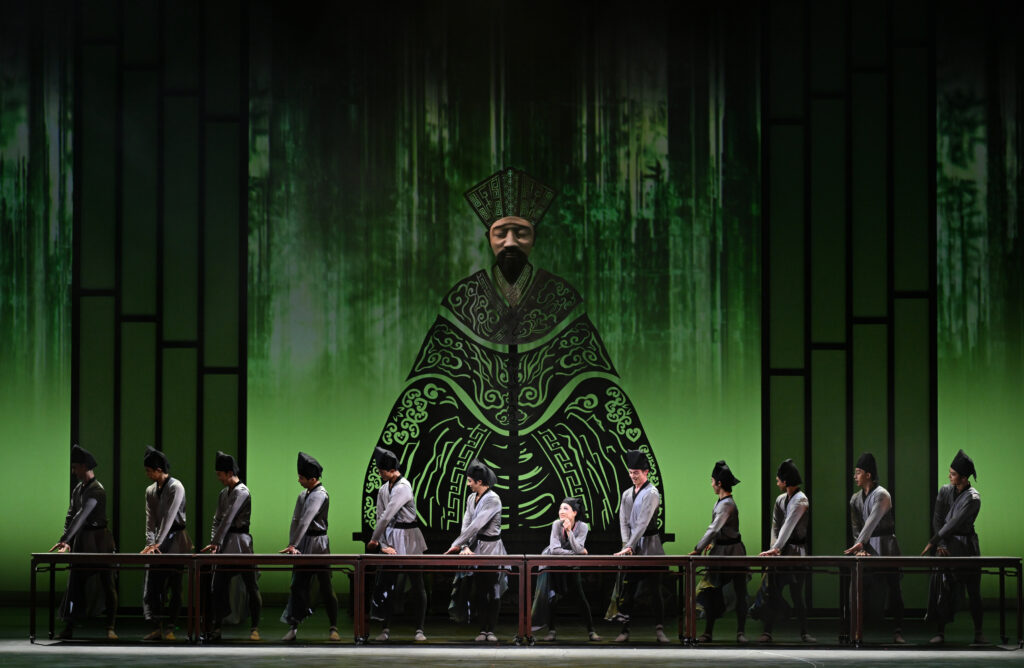
Hu, HKB choreographer in residence, explains that he and Mai (who is also his wife, and wrote the reimagined libretto), combined classical and contemporary ballet with classical Chinese dance to portray the beloved narrative. At first, Hu says, when HKB artistic director Septime Webre suggested The Butterfly Lovers as a ballet, he felt wary. “There are so many different versions,” he says, and the story is so ingrained in Chinese culture that it felt daunting to tackle. But after researching the folktale further, Hu and Mai decided to move forward with a distilled version to best fit the ballet structure, trimming some of the original characters and plot points.
“We made it very simple, just focusing on the two main characters,” says Hu. “So even someone who doesn’t know this story will understand.” (That, he says, will come in handy when the production tours Stateside.) For example, they’ve cut the traditional folktale’s fiancé character, an aristocrat to whom Yingtai is forcefully betrothed and wed after Shanbo’s confession. “The story’s main focus is about love,” says Mai on their decision, “and the theme of how fathers push their daughters—of power dynamics in old Chinese society.”
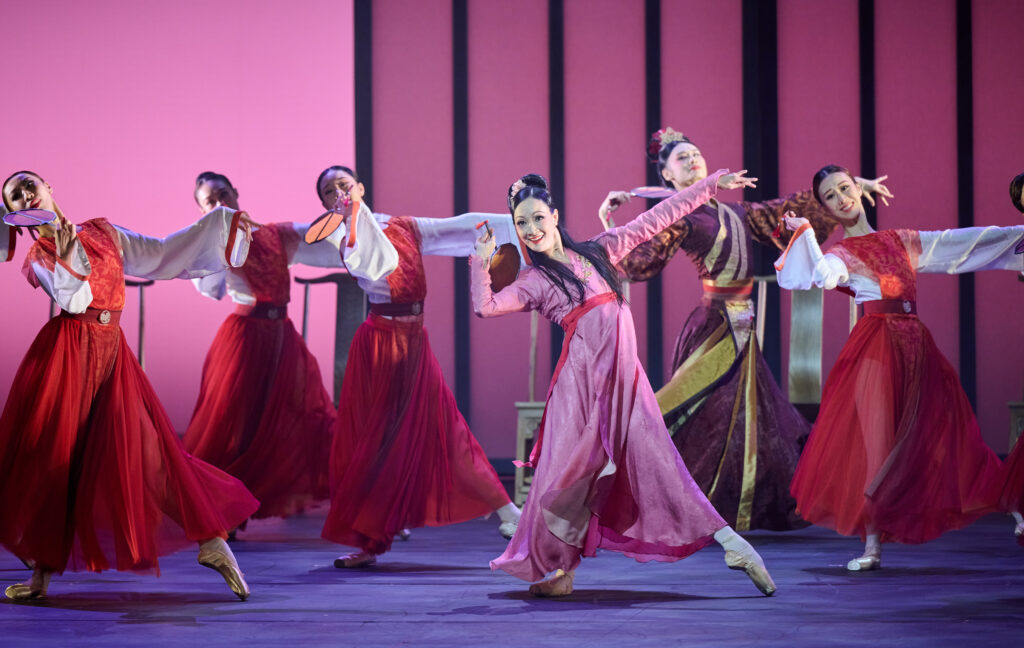
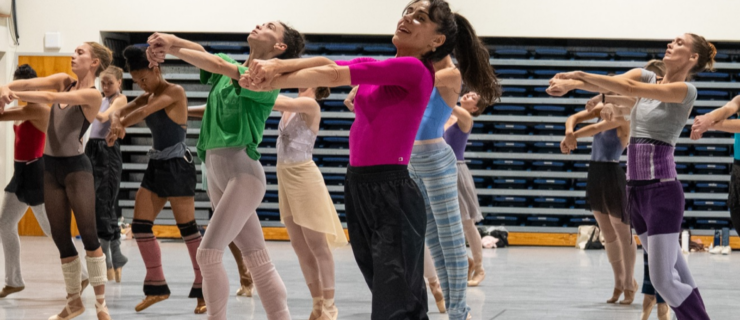
With its blend of genres and styles, The Butterfly Lovers is complex and challenging to dance. HKB principal Xuan Cheng debuted the role of Yingtai and will be performing it in New York City. “We have six pas de deux,” she says. “It’s hard to make them smooth. In traditional Chinese dance, the partnering technique is complicated, and it’s a very different way of using your muscles.”
At one point, the women bourrée furiously while doing exaggerated, circular port de bras with fans. The upper body, Cheng says, is inspired by the cyclical themes in classical Chinese dance, while the bottom is pure ballet. While it’s challenging to combine as a whole with coordination and style, she explains, it’s a clear encapsulation of the intersection of dance genres—and culture. “When we bring those Chinese ‘flavors’ to ballet, it’s very unique, and it creates a dramatic dynamic. That’s the magic of the performing arts and ballet: It’s a universal language.”
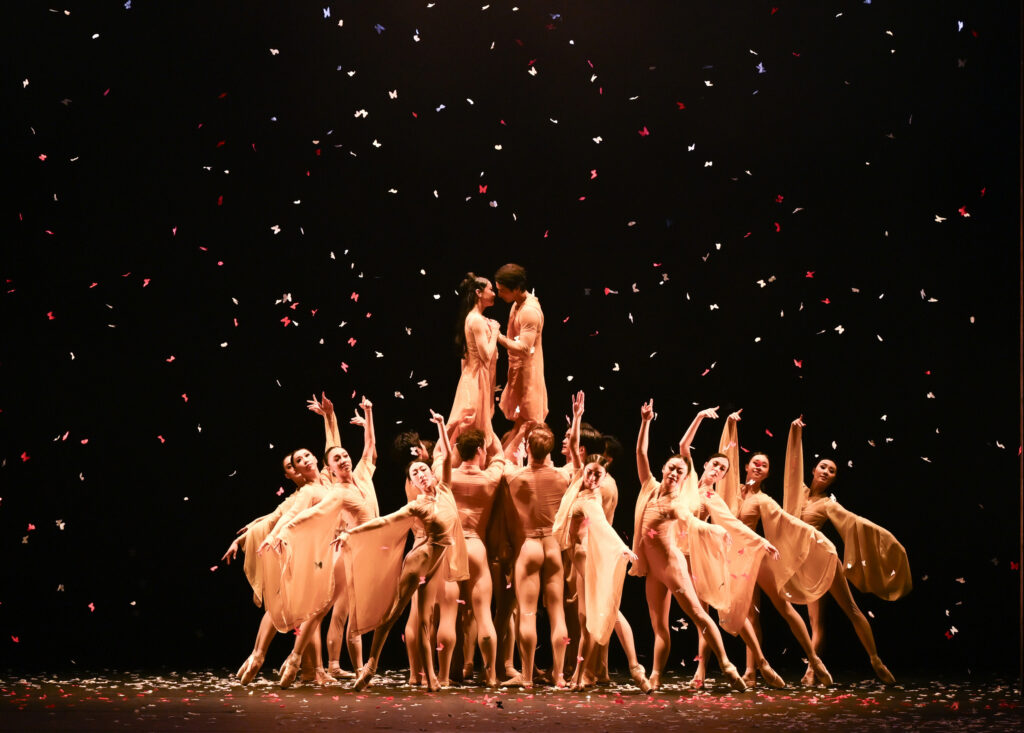
Cheng recalls being surrounded by the Butterfly Lovers folktale growing up and became especially fond of Zhanhao and Gang’s violin concerto. “Every time I hear [certain] parts in the score, I get tears,” she says. “I feel like I’m in a movie.” She anticipates that New York audiences will appreciate the ballet’s cinematic appeal between its music, complex choreography, and stunning sets and costumes.
Hu, who strove to encapsulate that cinematic effect by making scene changes and transitions as seamless as possible, hopes the story shines above all. “I want the audience to feel the truth, and really believe the dancers. To really fall in love,” he says. “Yingtai knows she will meet Shanbo one day—death doesn’t matter. It’s very brave. It’s not just about the love story: It’s about humanity, and freedom.”