Dance Historian Lynn Garafola Talks About Her New Arthur Mitchell Biography

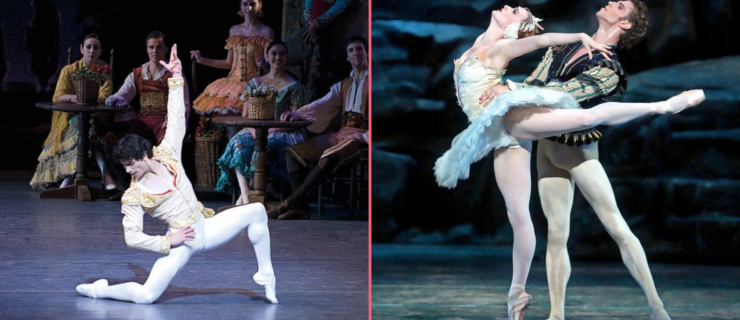
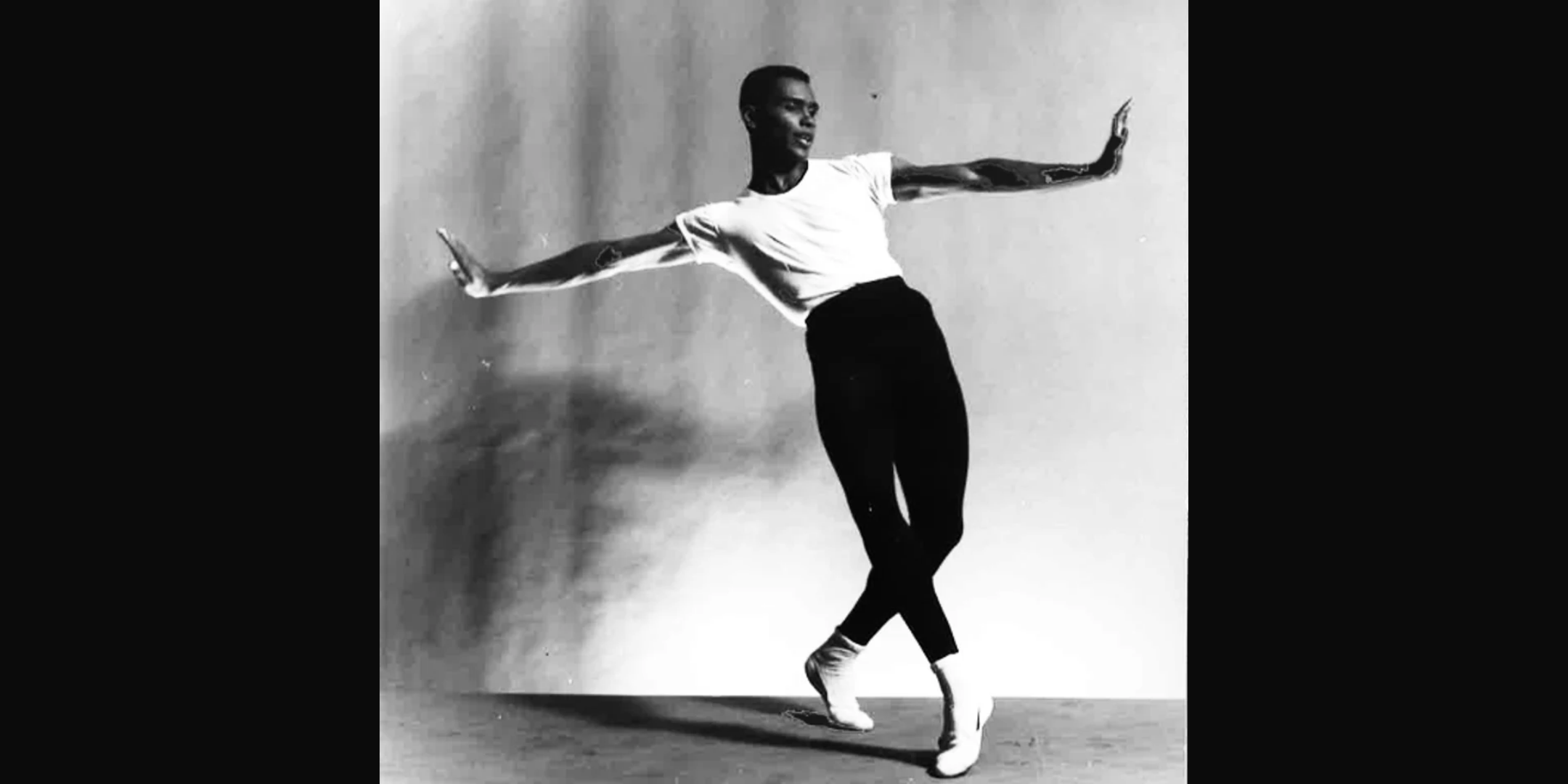
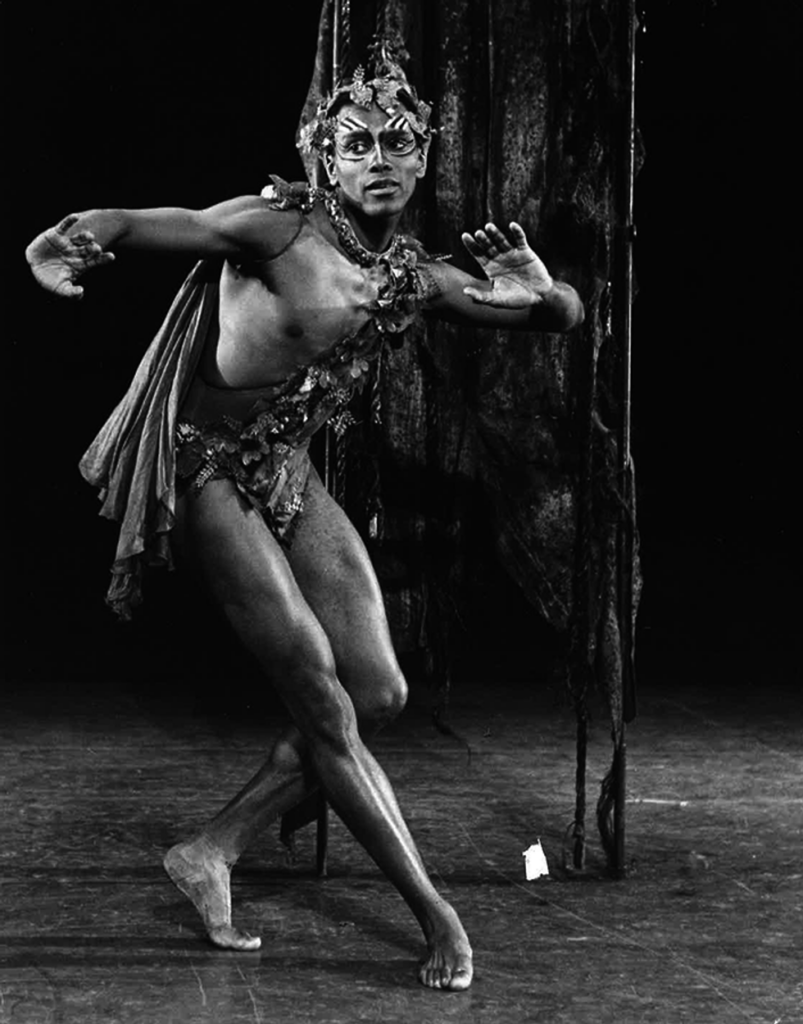
Arthur Mitchell (1934–2018) holds a vaunted place in dance and American history. After joining New York City Ballet in 1955, he was promoted principal in 1962, becoming the first Black dancer to do so at a major American ballet company. In 1969, Mitchell and NYCB’s Karel Shook co-founded Dance Theatre of Harlem, creating training and performance opportunities for Black ballet dancers who’d been largely shut out of the ballet world, and challenging assumptions about their ability to perform at its highest level. DTH became an enduring American cultural institution.
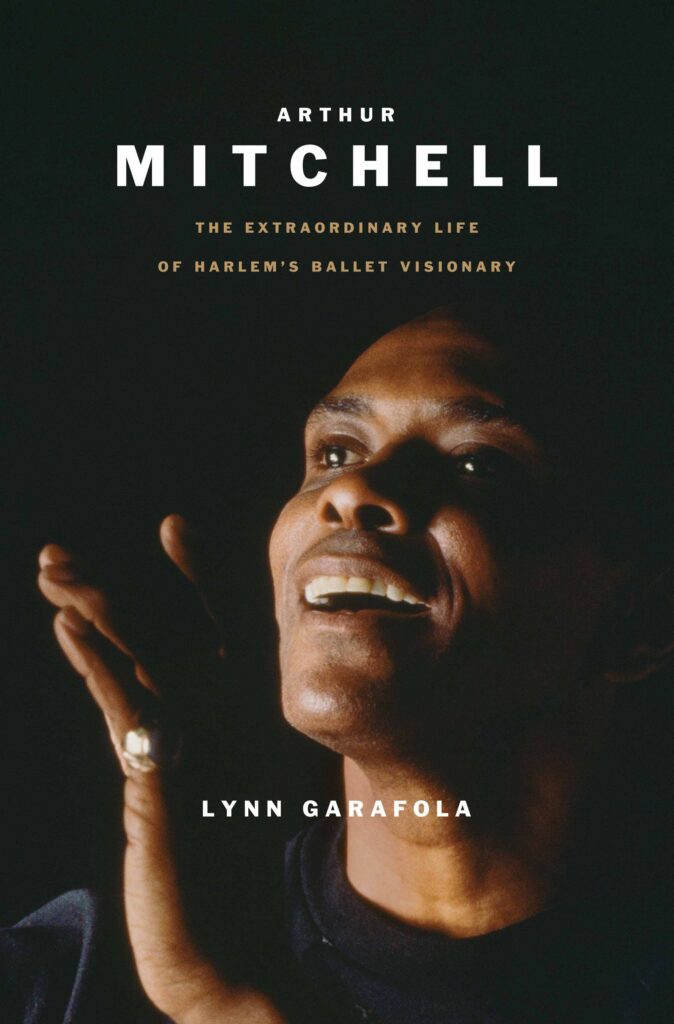
With Arthur Mitchell: The Extraordinary Life of Harlem’s Ballet Visionary, Barnard College professor emerita of dance, award-winning dance historian, and critic Lynn Garafola has written the first full-length biography on the dancer, choreographer, and leader. Published by Yale University Press in its Black Lives series, the extensively researched book reveals an icon as complicated as he was brilliant. Here, Garafola speaks to Pointe about Mitchell as both cynosure and enigma.
Why do you think there haven’t been any other full-length biographies on Mitchell?
He wanted to control every aspect of how his story was told. He didn’t want to give the writer any kind of leeway. There were a number of instances when there was going to be a biopic about his life, and eventually everything fell apart because he didn’t want to tell a tale about, perhaps, clashing with Balanchine.
What was your research process for the book?
Around 2015, I became involved with putting together a program at Barnard College that was part of a Columbia University symposium about Mr. Mitchell. Through that, I met Mitchell. I was later approached by Columbia to curate an exhibition [at The Wallach Art Gallery] using the materials from the university’s Arthur Mitchell collection. I looked through the photographs, awards, early drafts of [grant] proposals. After a while, he said, “She knows more about my life than I do!” I also used a great deal of newspapers. A lot of things were not secrets. People in the company would talk [before DTH went] on hiatus for six months. When the school and company closed in 2004, there was a press conference. [DTH later reopened in 2012.] There were oral histories with dancers and board members.
Given Mitchell’s stature, and his place in history and in the Black community, was there any hesitation about presenting him, his life, or his family’s life in such an unsparing manner?
I knew from the start that he was a very complex man in the sense that, psychologically, there were numerous things he was negotiating. He was constantly dealing with issues of race, but he was not only a “race” man. You also had an artist who was gay yet lived his life mainly in the closet. He was a man who created an extraordinary company, and then, by the end, just didn’t seem to be able to sustain it. Many of the reasons had to do with actions that he himself had taken. I didn’t have any qualms about approaching him as a complex human being, because I had so much evidence from all my research. If people have another version of him, I hope my book will open the way for other books about him to come out, for people to write memoirs, to feel it’s okay to tell their stories.
You also included nuanced portraits of Balanchine and Shook, who believed in and supported Mitchell, even as they held some problematic views themselves.
That was difficult to ferret out. Mitchell spoke in many interviews about his gratitude to Balanchine for defending him and for standing by him when it came to television and for the hotel stays. He owed him his life as a ballet star. Though initially Balanchine was not in support of him forming DTH, ultimately, Balanchine came on board. He allowed him to stage a number of his most classic ballets for nothing. However, I think one of the difficulties Mitchell had in writing his memoirs would be that he’d have to deal with the racism that I found in obscure places and also through interviews. In my interview with [former NYCB soloist and frequent partner of Mitchell’s] Patricia Neary, she talked about Balanchine wanting to add a little duet for them in Don Quixote, and it was to be in blackface. [Mitchell] flew into a rage. No one’s ever said anything about that.
How would you personally describe Mitchell’s legacy?
I think his legacy is that it would go beyond tokenism. We can see the results long-term in the New York City Ballet today, which has a number of Black dancers—many more than it did in the 1980s, 1990s, early 2000s, when it was basically one was hired, and when that person left, someone else was then hired. There are also Black female dancers there—no one at the principal level—but a female soloist, and then in the corps de ballet.