Now You’re the Role Models: How to Lead After Older Classmates Graduate

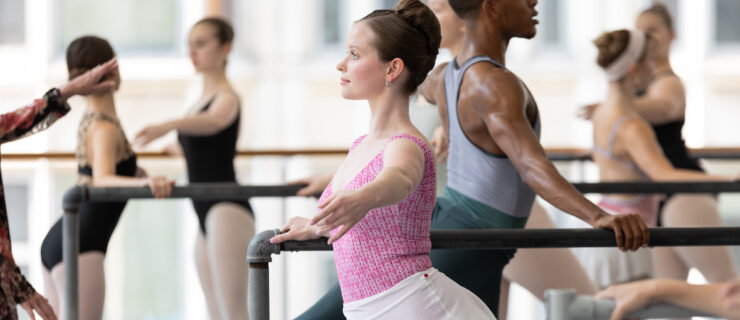
Canyon Concert Ballet soloist Naomi Langill grew up with a tight-knit group of classmates at Capitol Ballet Center in Sacramento, California. They were passionate about dance, and she deeply admired the juniors and seniors, including her older sister. “Feeding off of their energy was so intoxicating,” she says. When they started graduating, though, something shifted. Now Langill was among those at the top, which meant new casting opportunities and greater responsibility. “I had to visibly be a good role model,” she says. “And also keep the energy in the room up.”
When graduating dancers depart their studios to start college or pursue professional opportunities, they often leave big shoes to fill. For those left behind, it can be hard to imagine classes or performances without them. Yet their departure also marks an important opportunity for younger dancers to grow and become leaders themselves.
Filling the Void
Rubén Martín Cintas, director of the International Ballet Academy in Cary, North Carolina, notes that every class has one or two students who serve as anchors—leaders who set the tone and whom others look up to. “Losing someone like that will definitely have an impact,” he says. “There’s usually a void period, where you’re trying to find the character of the class again. But then things shift in a way that creates a different type of environment, where new dancers can step up to the plate.”
This new environment will often vary, Cintas continues, depending on dancers’ individual personalities, goals, and levels of motivation, as well as how far apart the class is in terms of talent and their stage of psychological development.
Langill noticed that the collaborative energy she used to feel changed once her older classmates left. With fewer dancers to look up to—and bigger roles to contend for—she suddenly felt more competitive towards her peers. “That was hard, because my best friend was the person I was dancing alongside, and that competitiveness we put on ourselves created some distance,” she says. A year later, when she was the oldest one at her studio, she missed having dancers to emulate and struggled to connect with younger classmates.
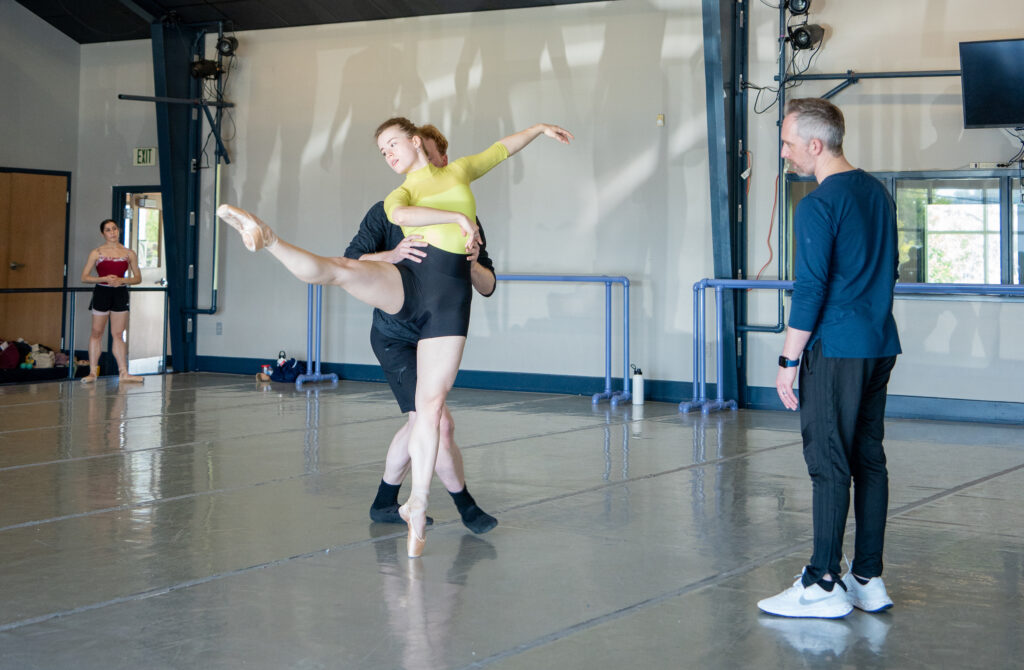
Alabama Ballet dancer Claire Hutchinson also needed to adjust after many of her classmates at Miami City Ballet School’s pre-professional program graduated. “I remember thinking, How am I going to be at the top of the class now? But after a while I realized that, actually, I do know what I’m doing,” says Hutchinson. As she gained confidence, she found that she also had power to reset the vibe. “I could choose what I wanted to take from those older dancers, and do away with negative dynamics that I didn’t want to continue.”
She missed her friends who had left, but Hutchinson also saw an opportunity to forge new relationships: “There were new people joining the program, and even classmates I wasn’t that close with the year before.”
Setting the Example
One of the biggest changes dancers may notice is that they’re now considered role models. Hutchinson recalls younger students watching her class from the hallways. “I thought, That 10-year-old is looking at me the same way that I look at the Miami City Ballet dancers,” she says. “And even though I hadn’t ‘made it’ yet, to that little 10-year-old, I had.”
Langill became more cognizant of her behavior and strove to have a positive impact. “I felt the weight of always having to be ‘on’—I couldn’t just zone out in the corner, because I would be setting a bad example for the younger dancers,” she says. “I also just needed to be a good human and not start a precedent where we’re tearing people down, gossiping, or bragging.”
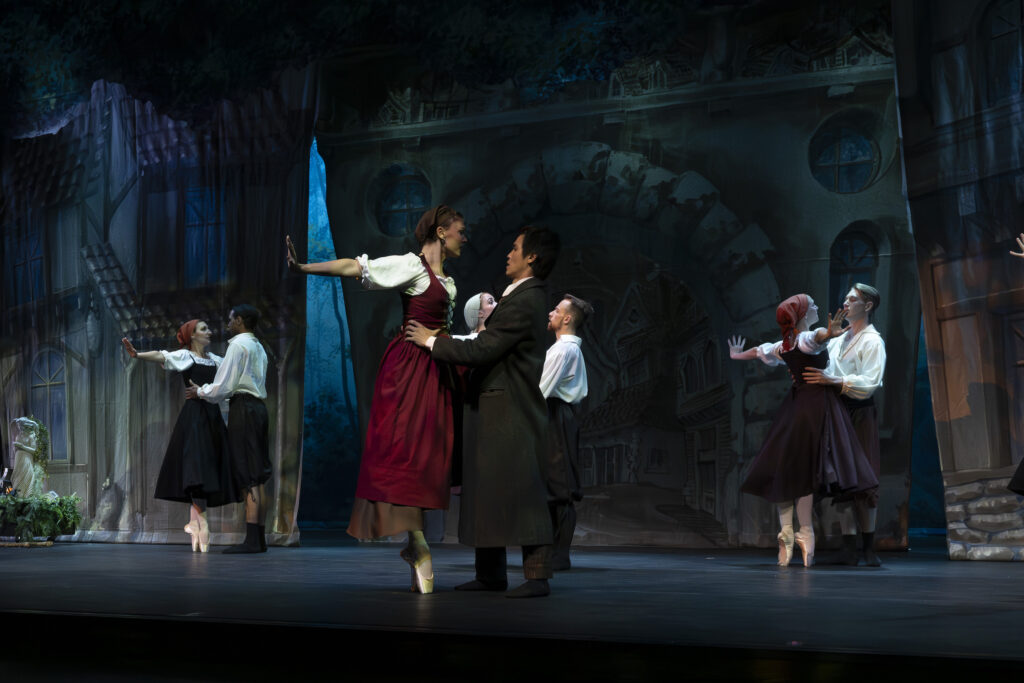
Cintas, who previously taught at San Francisco Ballet School and ABT’s Jacqueline Kennedy Onassis School, tries to give older students mentorship opportunities, especially in mixed-level classes common in men’s programs, like pas de deux. “I like to create class ‘captains’ to help give the older dancers more responsibility to look after those in the lower levels,” he says. “This really helps create a supportive environment.”
Hutchinson did this herself with a roommate who had just joined the MCBS program and was in the level below her. “I tried to guide her,” she says, especially with how to navigate her new environment and fuel properly.
Bigger Roles
Greater responsibility at the studio also means stepping into larger roles onstage. For Hutchinson, this meant dancing the principal woman in Balanchine’s Valse Fantaisie during her last year at MCBS. “It was really cool to go from being in the back to being the one chosen,” she says.
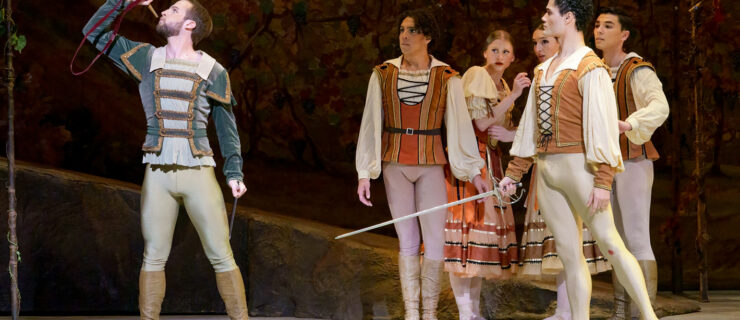
Langill recalls feeling excited at the prospect of featured roles. “That first year, I danced Doll in Nutcracker due to the ripple effects of others leaving,” she says. Langill particularly remembers getting cast as the lead in Sylvia, which an older classmate she admired had performed in the past. “Now I finally had a chance to do it, but to also see what I could bring to the role.”
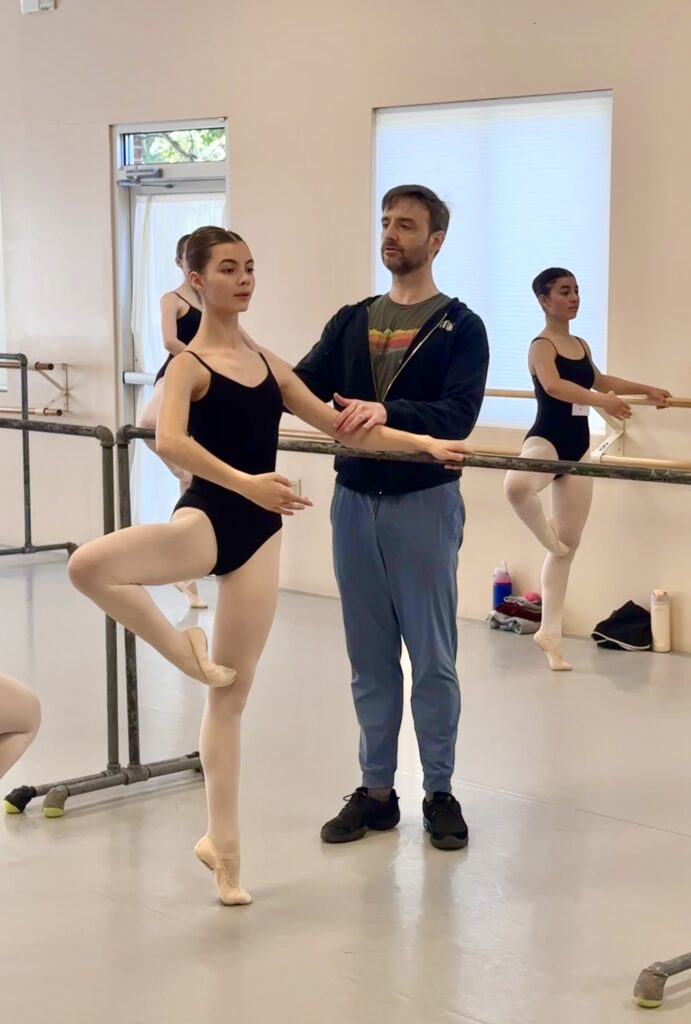
Teachers need to find the right balance of pushing and encouraging newly senior dancers, says Cintas, “in order for them to understand that they are now in a place where they deserve that role and to make them step up to the responsibility.” Too much praise may make students complacent, he continues, while harsh criticism might destroy their confidence. “Give them support and a loving kind of push in order to make them understand that they can do it.”
That said, seniority doesn’t come with casting guarantees. “It’s not always going to be ‘When they’re gone, I’ll get to,’ ” says Langill. Her last year at the studio, she was passed over for the Sugarplum Fairy in Nutcracker; she was instead cast as Clara, a role she’d danced before. “That was a blow to my ego,” she says. “But in the end I don’t think it was a bad thing, because I learned a lot by revisiting a role.” These were lessons, she says, that she would later tap as a professional dancer.
For Hutchinson, her biggest takeaway from this transitional period in her training was to stay open and curious to new opportunities. “When you put too much expectation on yourself, it’s going to be harder. Look to those around you, and to the dancers that have left, and decide what qualities you want to emulate, because that will only make you a better dancer and leader.”