How to Prep for Your Adult Summer Intensive

With the demand for adult ballet classes continuing to rise, it’s not surprising to find more summer intensives popping up in cities around the world. After you’ve registered, but before you begin to pack, you’ll need to do some prep work.
First and foremost? Your feet.
According to Julie Leung, owner of Broche Ballet and the director of International Adult Ballet Festival in Bradenton, Florida, one of the most important ways to prepare for an intensive is to simply practice standing more than you usually do.
“I think for adults—especially when you have a seated job—you don’t spend as much time standing, and just the sheer amount of hours on your feet can be kind of jarring for your body when you go to the intensive,” she says.
Leung also recommends prepping your ankles about six weeks before the start of the intensive with extra relevés and taking pre-pointe classes, if possible, to boost your strength.
Kathryn Morgan, who holds numerous intensives throughout the year, suggests increasing your class workload before the summer, if you can swing it. If not, any full-body exercise will help. “Even if you can’t get to ballet class more than once or twice a week, do some extra cross-training, some extra walking or running or Pilates. Just so your body is ready,” she explains.
Ramp up slowly. Dancers tend to start out strong the first few days of their program, but can be hit with soreness and fatigue a few days in. “They’re super gung-ho and they’re great, like, Monday and Tuesday,” says Morgan. “Wednesday is that day that’s like ‘Oh, boy,’ like ‘Not even quite halfway and I’m dying?’ ” A gradual increase in workload before the intensive begins is key, she says, to being prepared and able to tackle a midweek slump.
Meghan Gearhart, a physical therapist and owner of Charlotte Dance Medicine in Charlotte, North Carolina, says adult dancers have different needs than teens. She suggests making an individualized warm-up for yourself before you arrive, with full-body exercises like side planks.
“They warm the body up all at once,” she says, calling it “a really efficient exercise, which I think adult dancers appreciate.”
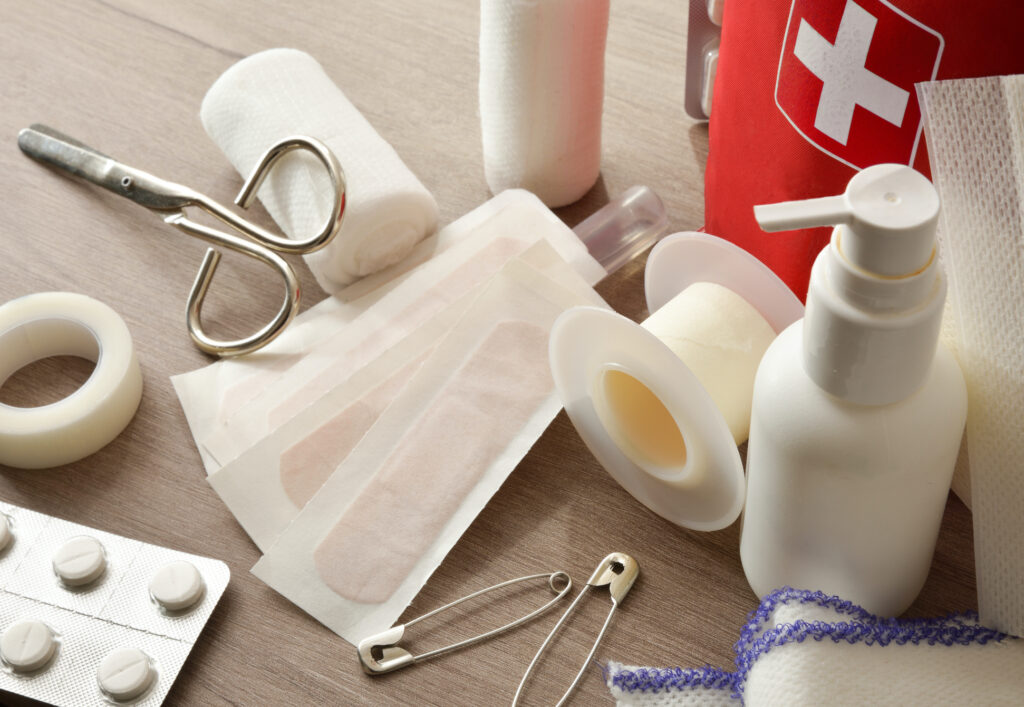
You will also appreciate having a dance-specific first-aid kit, packed with foot-care items like waterproof adhesive bandages, athletic tape, corn pads, gauze, a mini sewing kit and scissors (for those doing pointe), and antibiotic wipes.
Dancewear
In addition to getting prepped physically, dancers need to think about their clothing and nutritional needs, as well.
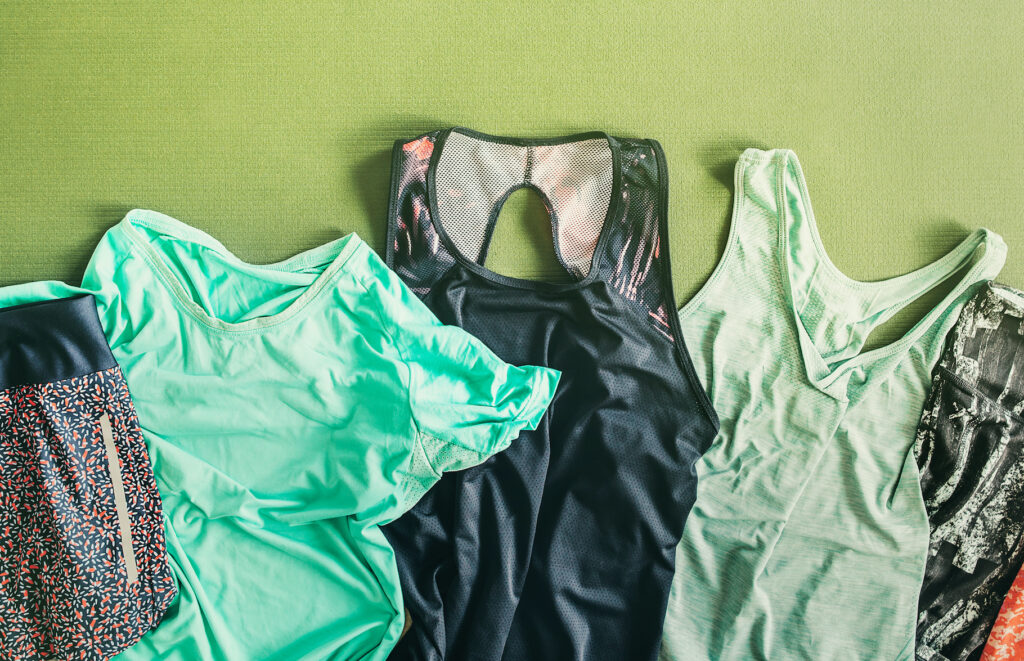
Morgan’s advice? Pack more dancewear than you think you’ll need.
“So if it’s five days, don’t just bring five leotards,” she says. You’ll want to have at least two on hand for each full day of dancing. Dancing in the same sweaty leo for hours on end is not fun.
You’ll also want to pack an extra pair of pointe shoes, depending on how much you’ll be dancing on pointe. Be sure to check with your teachers ahead of time for guidance on this.
Your street shoes are super-important too, says Morgan. “Don’t be afraid to pack a really good pair that you can wear to the studio and after class to support [your] feet, especially if you’re doing pointe.”
Snacks and Meal Planning
When it comes to food, Gearhart says you need to do some research ahead of time to properly fuel yourself for long days. “It comes down to that kind of planning ahead. What types of restaurants or grocery stores or foods will be accessible to you?” she says.
If your intensive is close to home, do yourself a favor and plan your meals ahead of time. If you’re traveling, find out if your hotel has a refrigerator or a kitchenette, so you aren’t stuck constantly buying meals on the go.
Consider a Dance Journal
Once the prep work is done and your first class is about to begin, remember to take a deep breath and know that the hardest part is showing up.
“Once you show up for the first day, you realize, ‘Oh, everybody else feels the same. I’m not the only one that’s scared or intimidated,’ ” says Morgan.
Gearhart suggests grounding yourself by writing in a ballet journal—jotting down your wins (and things to work on) can be empowering. “I think that observation can be really, really helpful in how you incorporate things into your own practice.”

Kimberly Wilson, a dancer gearing up for her fourth intensive with the International Adult Ballet Festival, says she’s an introvert, but ballet brings out a love of performing. “There is something about getting all dressed up, putting on a tutu, a tiara, the false eyelashes—where you’re just like, ‘I am ready!’ There is something I think that is just really special about that.”
For Carolyn Parrish, a regular at Kathryn Morgan’s intensives, being a part of these summer camps for adults is a huge part of what makes ballet so rewarding. “Just come and do it and have fun!” she says enthusiastically. “You will absolutely get something out of it.”
Don’t Forget to Pack…
- Water bottle
- Portable body massager (like the Dance Buddy)
- Epsom salts
- Small balls and/or mini foam-roller for soft-tissue work (if you’re traveling, this one from Brazyn Life is collapsible)
- Compression socks
- Eye mask and earplugs
- Foot-care first-aid kit: Fill a gallon-size Ziploc bag with waterproof adhesive bandages or blister bandages, athletic tape, corn pads, gauze, a mini sewing kit, antibiotic wipes, reusable hot-and-cold pack, OTC topical and/or oral pain reliever
- Healthy snacks: Nuts/trail mix, dried fruit, protein/granola bars, electrolyte powder for your water bottle, whole-grain crackers, string cheese