When Your Summer Intensive Doubles as an Audition

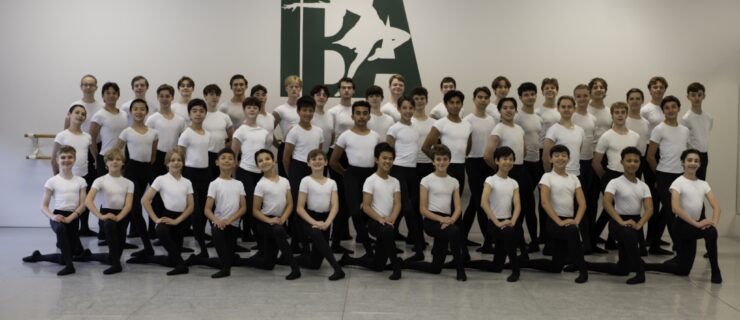
When Philadelphia Ballet corps member Natalie Patel was in high school, she sent audition materials to The Washington Ballet School in hopes of joining its trainee program for her senior year. But even after reviewing her video submission, the artistic staff wanted to evaluate her during the school’s four-week summer intensive before making a decision.
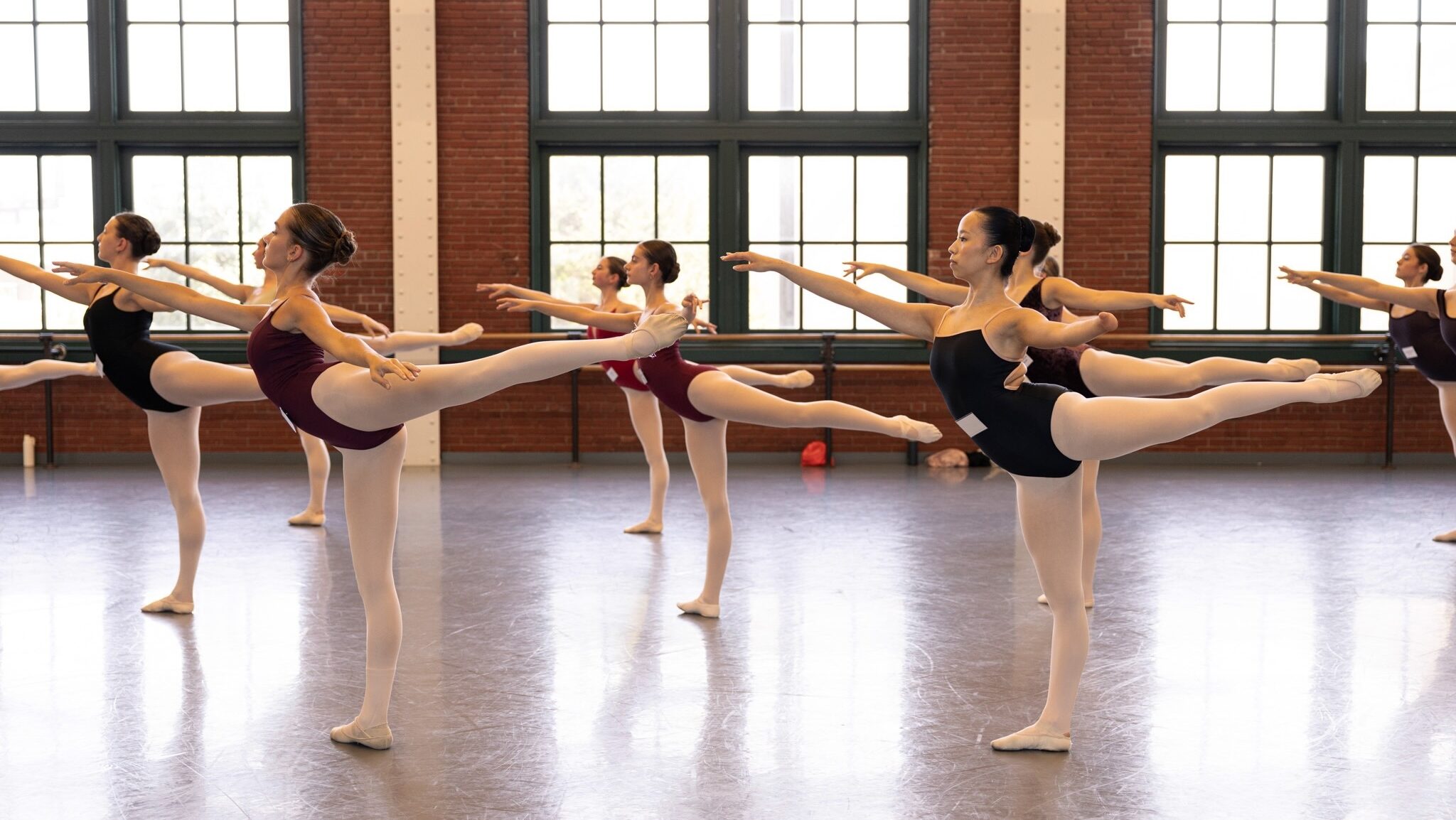
Like Patel, many young dancers may need to attend an organization’s summer program to be considered for trainee or second company positions. The prospect of being in “audition mode” over multiple weeks can be stressful, but Patel found the higher stakes more motivating than nerve-racking. “I really wanted to get into the trainee program, so the pressure pushed me to do well more than it pulled me down,” she remembers.
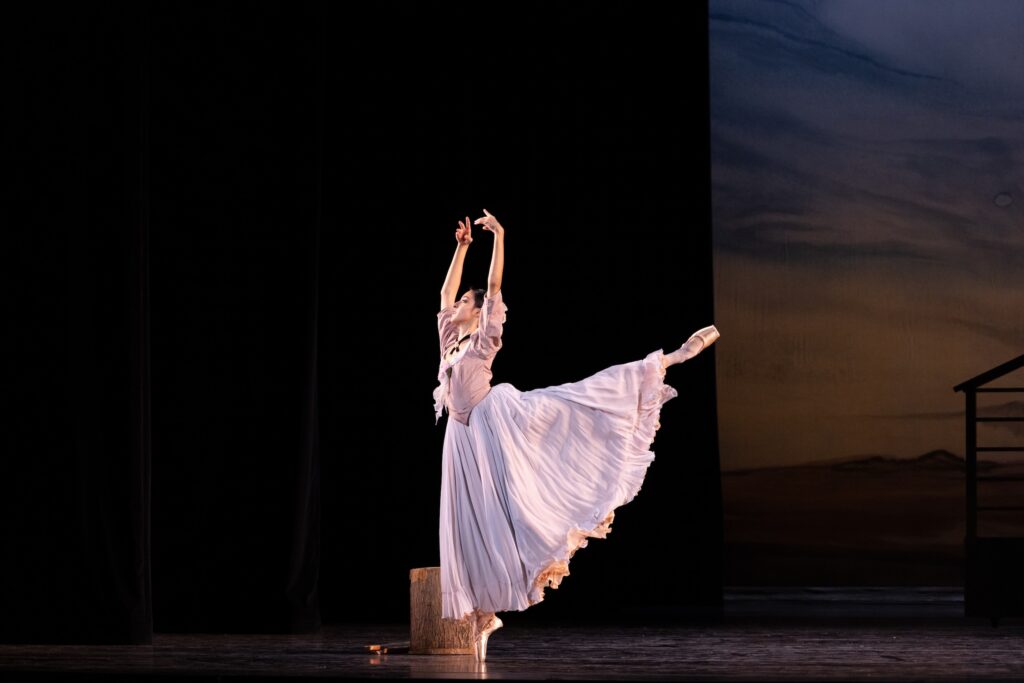
In fact, these types of extended auditions can actually be to the dancer’s benefit, offering opportunities that a single class can’t. For instance, artistic staff can get to know dancers better and watch how they accept and apply corrections over time. “The opportunity to demonstrate you can do that in a summer intensive is the ultimate way to show what you’re made of,” says Christopher Ruud, manager of Kansas City Ballet’s second company.
For Patel, who was offered the traineeship at the end of the summer, having a few weeks to prove herself was reassuring. “I could show who I was as both a person and a dancer,” she says. Read on for advice on how to handle nerves and put your best self forward.
Embrace the Pressure
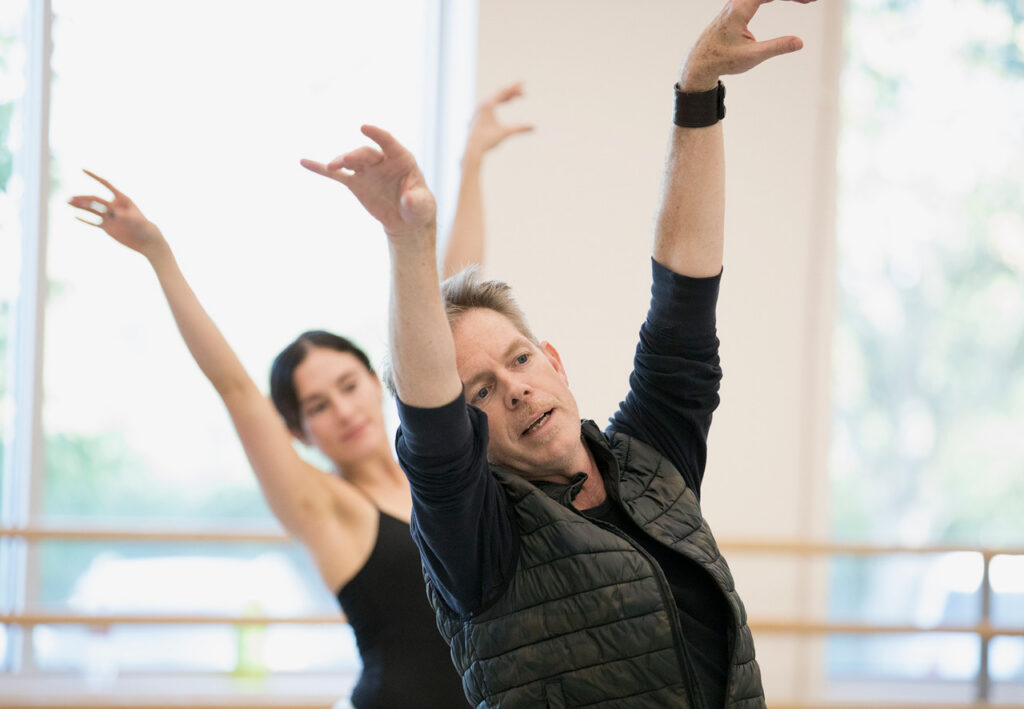
First, accept that being watched and evaluated—whether by teachers, directors, or audience members—is part of being a dancer. Rather than reading into every comment or correction you receive at your summer intensive, concentrate on the work you’re doing. “You can’t be so hyper-focused on ‘Do they like me?,” advises Oregon Ballet Theatre 2 director Dominic Walsh. “Change the channel to ‘How can I get the most out of this?’ Take every correction and nugget of information and be really curious about them.”
Andrew Sackett, who is joining Wonderbound this fall, remembers auditioning for a trainee position with the Grainger Academy of the Joffrey Ballet over the course of the school’s summer intensive. At first, he placed unnecessary pressure on himself. “I was definitely overthinking every correction,” Sackett recalls. “But I started to realize that they want to see potential, not perfection. They’re looking for people they see progress within. It’s about perseverance.”
Being under the microscope at a summer program is actually good practice for professional life, says Ruud. “If you want to be a professional dancer, you need to embrace scrutiny,” he says. “Because it’s really just a lot of very accomplished eyes observing you for what you need and what will move you forward.”
Remember the Upsides of an Extended Audition
In a typical audition, dancers are in “performance mode”—for a few hours. But a summer program allows you to show valuable aspects of yourself that aren’t immediately apparent in a single class. For example, consistent work habits and a willingness to learn are important qualities that directors notice over time. “We’re looking for dancers who make progress,” says Ruud.
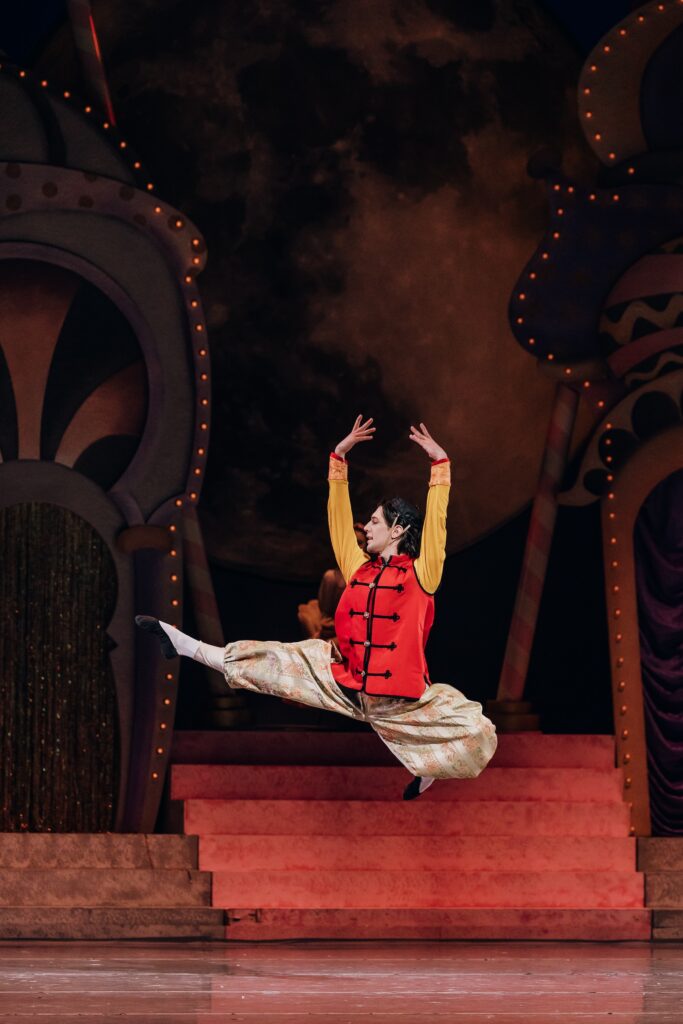
Throughout the Joffrey intensive, where he eventually landed that traineeship, Sackett found ways to repeatedly demonstrate his commitment and focus. “You want to come across as professional as possible,” he says. “Learn how to warm yourself up so you come into class prepared. If you get a note, apply it and continue to apply it. Come into the studio with respect and give respect. It really is about your work ethic.”
Bravery and a willingness to try new things show your artistic potential—regardless of whether you’re able to grasp an unfamiliar style, technique, or combination right away. Patel found that messing up in class even helped break the tension. “That shows emotional maturity, too,” Patel says. “People want to work with a dancer who doesn’t break down at any hardship or mistake.”
Sackett discovered the upside to having days, not hours, to make an impression and connect with artistic staff. “The first week, I really gelled with the contemporary teacher, which helped me relax and just be myself. They don’t want to hire robots, and you can’t be a good artist if you’re not a good human.”
Also, Walsh notes, “It’s not just about if we want you, it’s also if you want us—is this the life you want? These situations offer that clarity.”
Handling Disappointment
All auditions come with the risk of disappointment, and getting passed over after putting in weeks of effort can be especially crushing. But even if the offer you wanted doesn’t materialize at the end, approaching a summer-long audition as an investment means that no matter the outcome, you’ll come out ahead.
For one thing, the opportunity to improve and grow is something no one can take from you, says Walsh. “Do it for yourself instead of being fixated on people-pleasing—that will inevitably bring your best self forward,” he says. “The more you invest, dig in deep, and get curious about the work, it will benefit you in any aspect of the career.”