Mastering Grand Fouetté Arabesque With Nadège Hottier

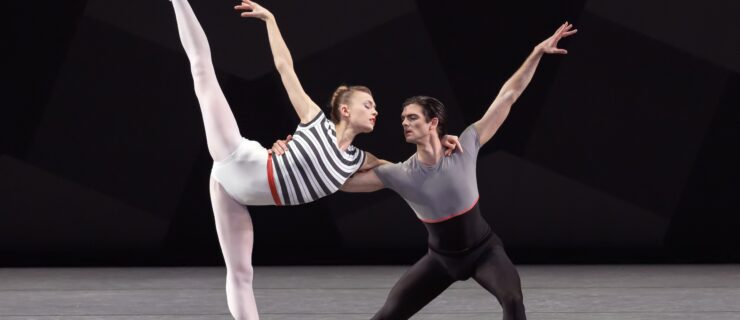
A smoothly executed grand fouetté arabesque may look effortless to the untrained eye, but for dancers, this step can be immensely challenging. “It requires control, strong placement, and precise coordination,” says Nadège Hottier, artistic director of Premiere Division School of Ballet in New York City. “It’s exciting to watch because of the strength and stability of the supporting leg, which does a lot of the hidden work.”
With so many moving parts, it’s no wonder that grand fouetté arabesque feels so good when performed successfully. “This step teaches you patience,” says Hottier, who trained in her native France and danced with Luzern Ballet in Switzerland and the Deutsche Oper Berlin, Leipzig Ballet, and Oper Bonn in Germany. “It reminds you not to rush for the result, but to trust the process and build it, step by step.”
Below, Hottier offers her advice.
Lengthen, Lengthen, Lengthen
“If you want to control the fouetté all the way to the end, your relevé and the brush to front are very important, while staying square on your supporting leg,” says Hottier. As you brush front, think of scooping the leg from underneath. “The feeling of scooping helps you keep your turnout as the leg then goes to second.”
Meanwhile, feel energy reaching long through the working foot as the supporting heel begins opening to à la seconde. “Lengthening your working leg creates space for the turnout to activate and provides room for your back to extend,” Hottier explains. “This ensures that the supporting leg remains strong and properly aligned, offering a solid foundation for the arabesque.”
Create Space in the Hip and Spine
One of the biggest mistakes Hottier sees is when dancers let go of their à la seconde position before transitioning to arabesque. As a result, the lifted leg drifts open, compromising your weight on the supporting leg.
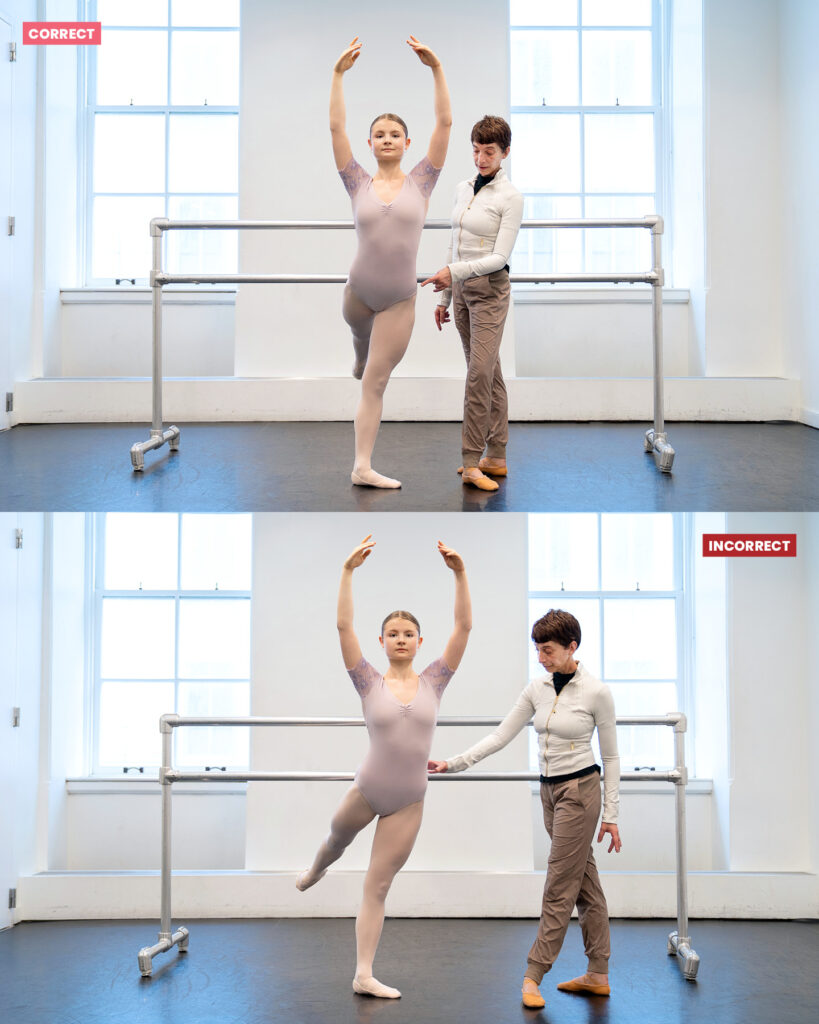
Instead, reach long through that leg and elongate through the spine as the standing leg and the working side of the back continue rotating to arabesque, staying lifted through the supporting hip.
Let Your Turnout Be Your Guide
Maintaining turnout in both legs is key to grand fouetté’s success. Doing so not only allows you to stay centered over the supporting side, says Hottier, “it also keeps your hips square and prevents them from lifting, ensuring greater stability and alignment.”
An added bonus? Using your turnout will also allow you to control the fouetté to arabesque on demi-pointe, “preventing collapse at the end.”
Pro-Tip
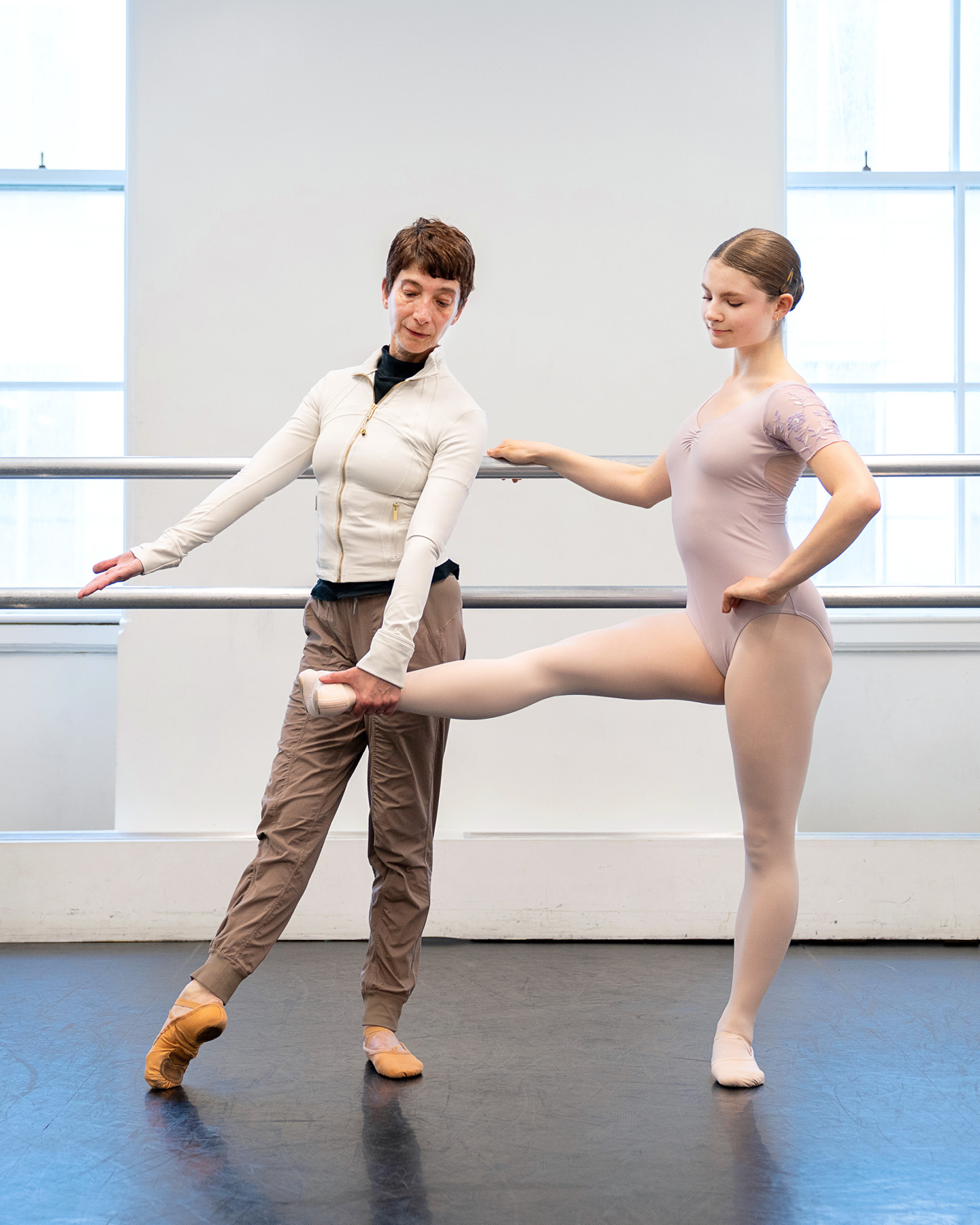
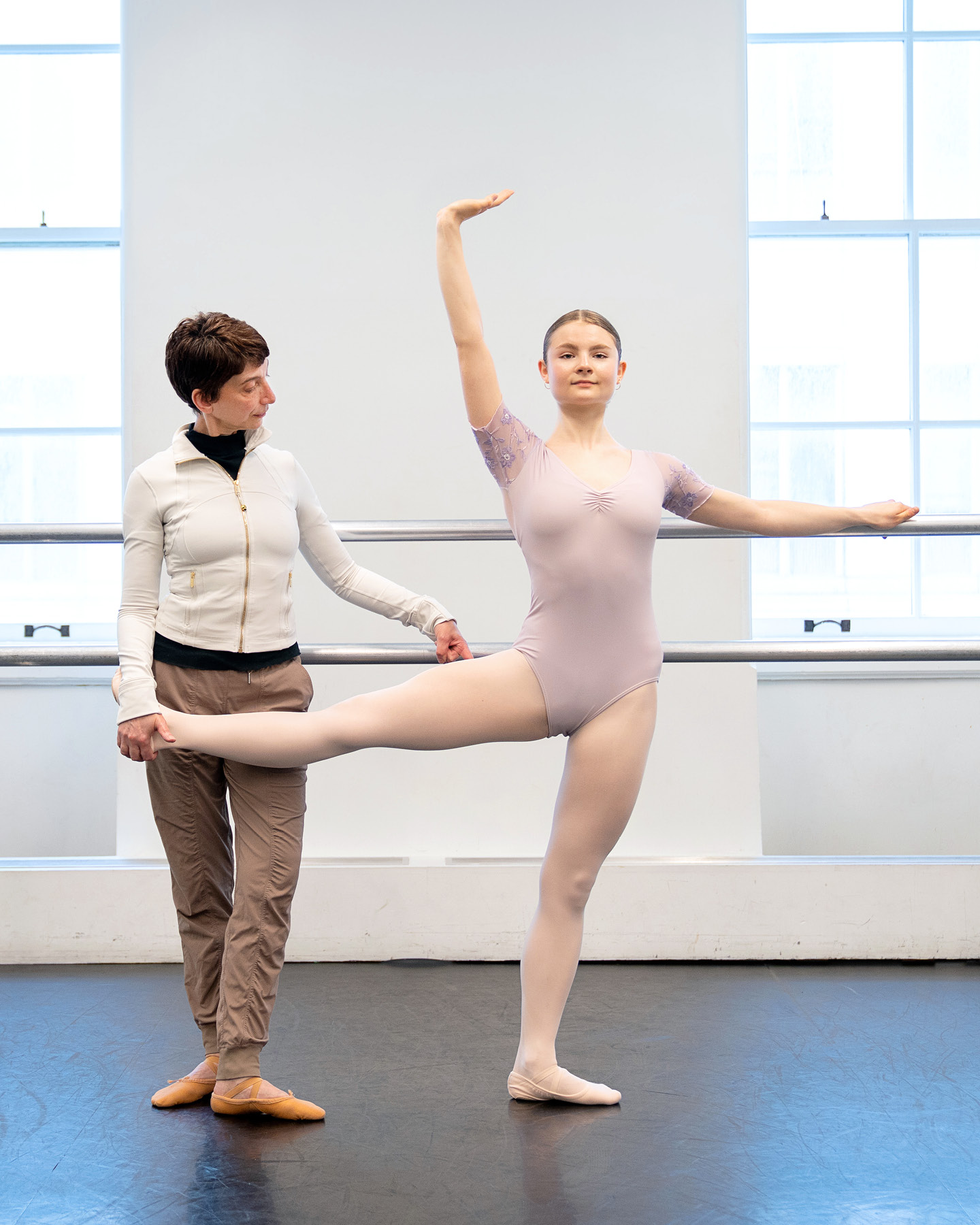
To better feel your turnout and that reaching sensation, try practicing grand fouetté on flat at 75 degrees with a flexed foot. Stretch your working-side arm high, flexing your hand, feeling the energy through your palm and working foot as you lengthen and create space in your spine.
Timing and Coordination
Don’t rush your fouetté or cut corners. “Taking the time to go through each phase of the movement, rather than focusing solely on achieving the final arabesque, allows for better control and alignment,” Hottier says. “It’s crucial to establish a solid fourth position to the front before transitioning to second.”
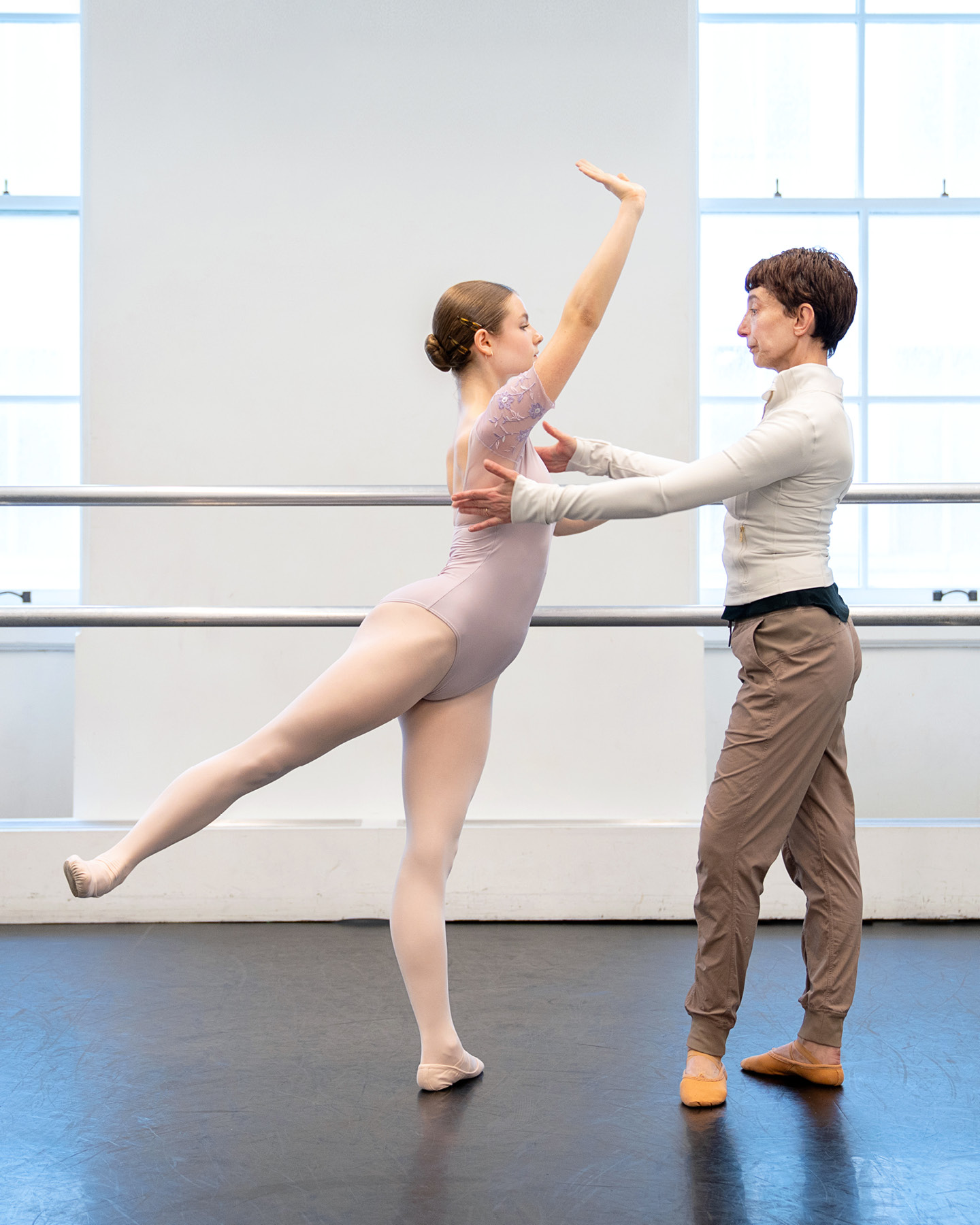
As you move through the positions, first prioritize stabilizing your supporting leg. Then begin extending through your back and transitioning your hips to arabesque before turning your head and opening the arms to create a strong and expansive line.
Quality Matters
Finishing your grand fouetté with finesse creates a lasting impression. “One of the most compelling moments is holding the arabesque and carefully controlling the descent of the supporting leg [from relevé into plié],” says Hottier. Additionally, grand fouetté can take on different qualities, so think about what the music and choreography call for. “They can be performed with speed and dynamism or taken more slowly to emphasize balance.”