Scottish Ballet’s Mary, Queen of Scots Tours to the U.S.

When Scottish Ballet premiered Mary, Queen of Scots last summer in the U.K., the ballet was an instant hit. Now, the company is bringing the full-length production, which has been nominated for three National Dance Awards, to the U.S. for two engagements. It will have its North American premiere at the Spoleto Festival USA in Charleston, South Carolina, from May 28–30. Then, the company heads to New York City’s David H. Koch Theater at Lincoln Center for five performances (June 4–7).
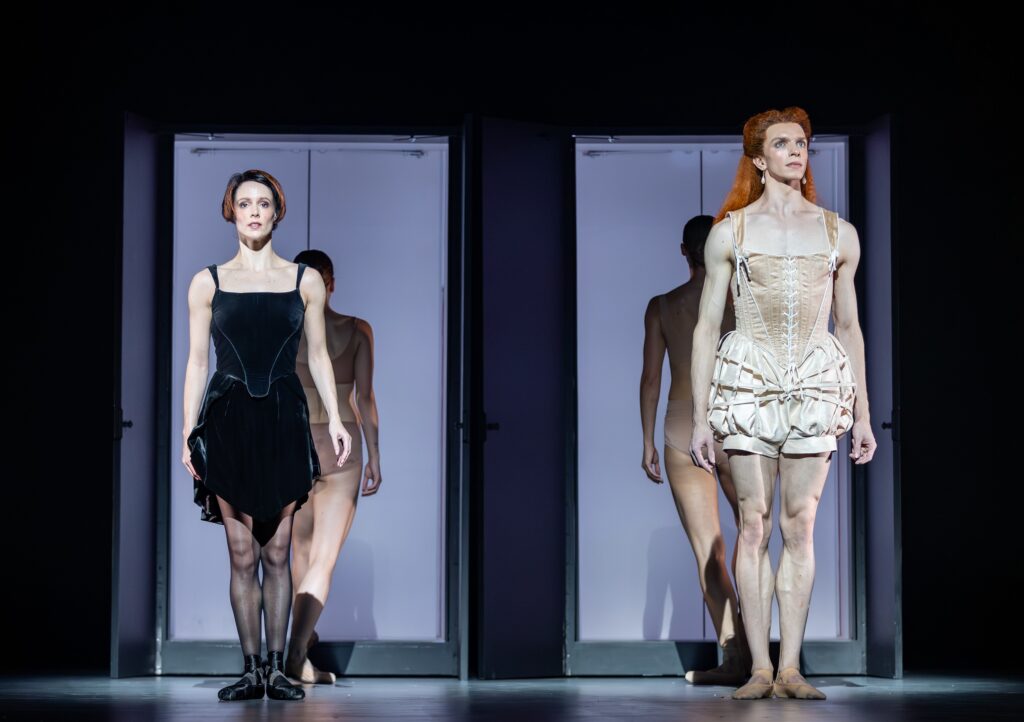
Co-created by Scottish Ballet choreographer in residence Sophie Laplane and director James Bonas, the two-act production takes on the complicated relationship between Mary, Queen of Scots, and her cousin and rival, England’s Queen Elizabeth I. These powerful women, who never met in person but often corresponded by letter, navigated constant political and religious intrigue. In the end, Elizabeth would order Mary’s nearly 20-year imprisonment and beheading, securing her claim to the English throne.
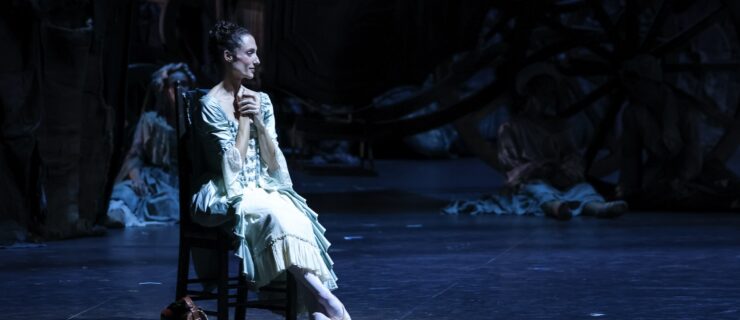
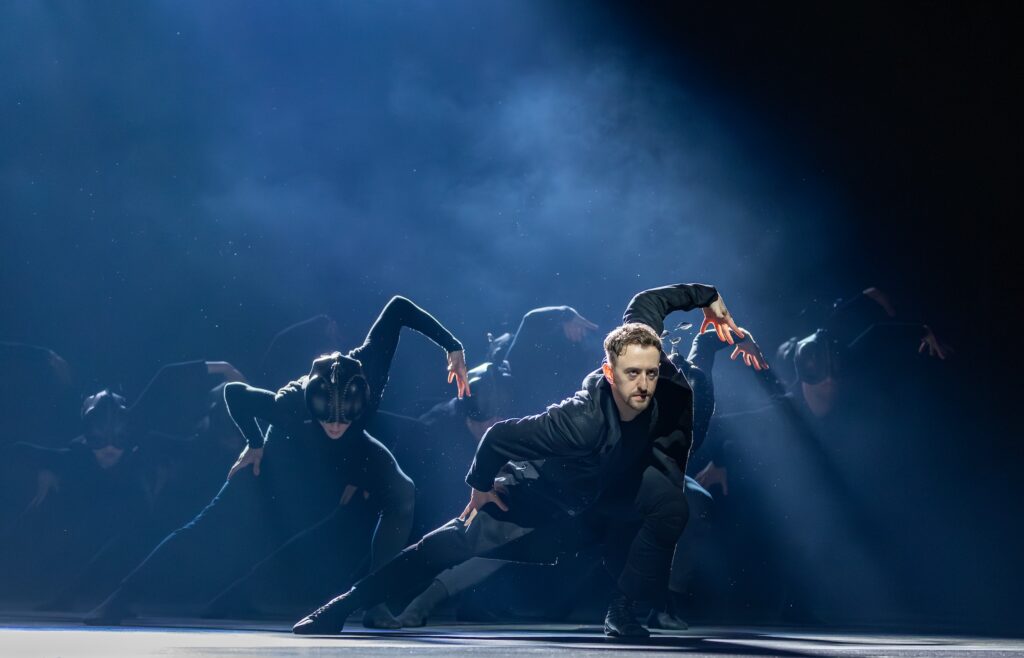
The ballet looks at Mary’s life through the memories of a dying Elizabeth, portrayed by guest artist Charlotta Öfverholm for select performances. Flashbacks depict both monarchs as young women, including Mary’s marriages (and the mysterious death of her husband, Lord Darley), the birth of her son (the future King James), and Elizabeth’s efforts to assert her authority and spy on her Scottish cousin. The younger Elizabeth’s role, danced by soloists Harvey Littlefield and Gina Scott in different casts, is nonbinary to symbolize her experience in a male-dominated society.
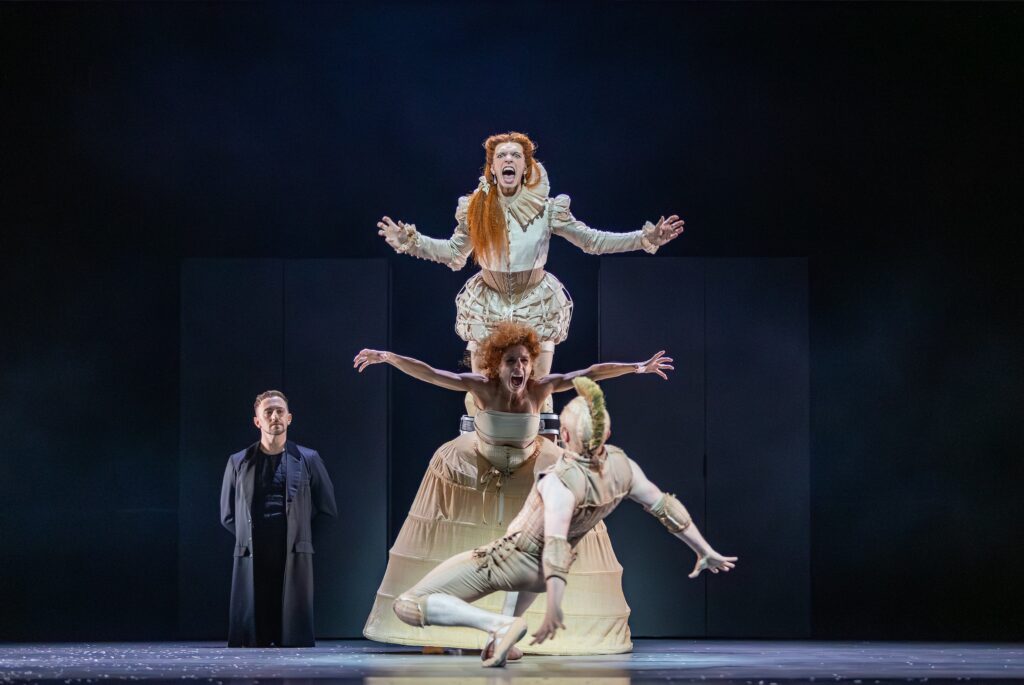
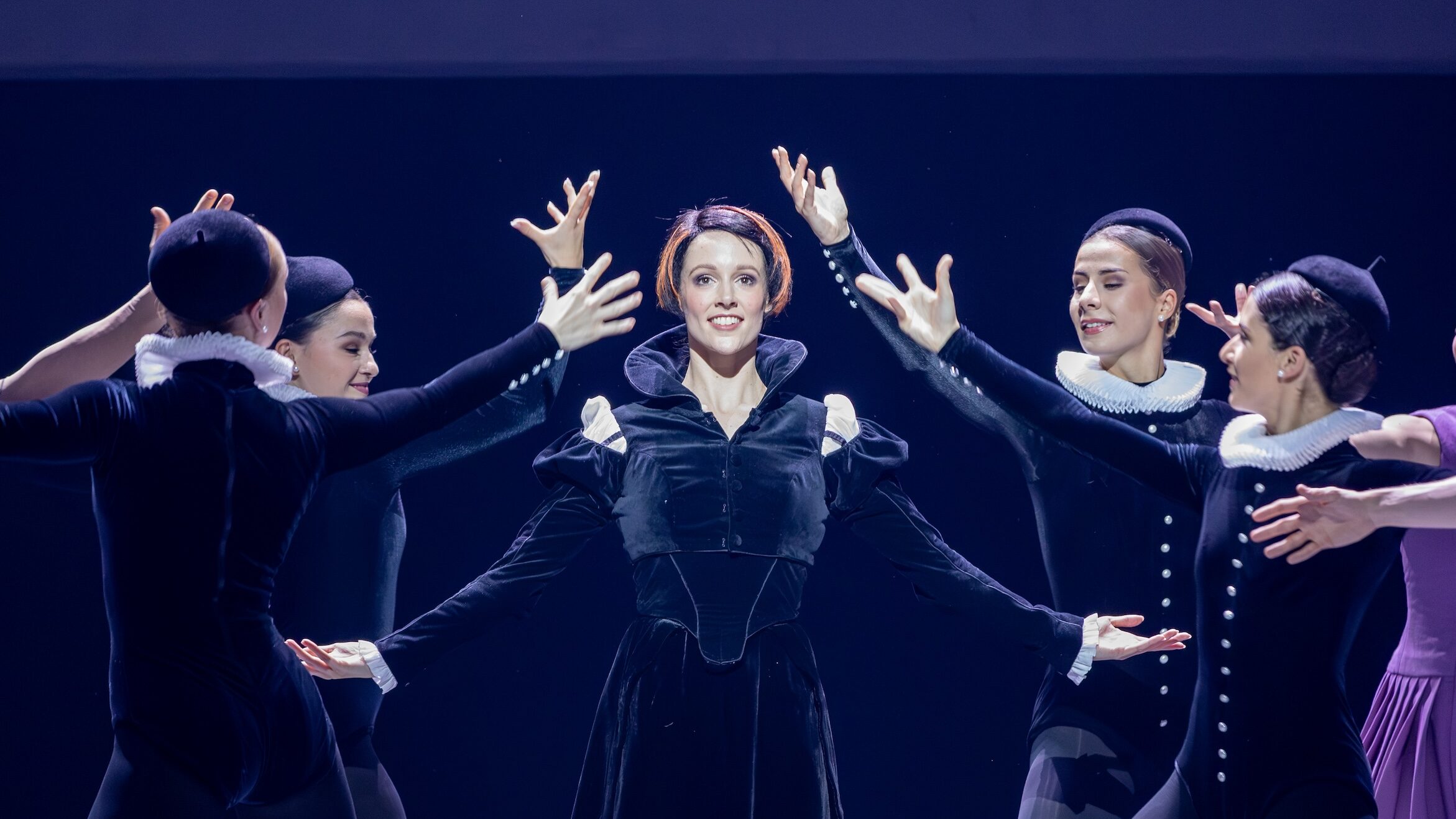
While the historical events took place in the 16th century, the production is decidedly modern, with an original score by Mikael Karlsson and Michael P. Atkinson and sets and costumes by Soutra Gilmour. Mary, for example, wears a corseted top and short skirt, and a short black wig with shocks of red hair. “She’s quite punk rock,” Scottish Ballet principal Rosanna Leney told Pointe in an interview last summer.
Leney, who is splitting the title role with fellow principal Marlen Fuerte Castro during the U.S. tour, added that she aims to portray Mary’s resilience above all. “Mary had a very tumultuous life, full of twists and turns, heartbreak, and sinister back-plotting,” said Leney. “The journey she goes on is quite draining. But it’s an absolute honor to dance such an epic role.”