How Running Helps Precious Adams With Endurance and Jumping

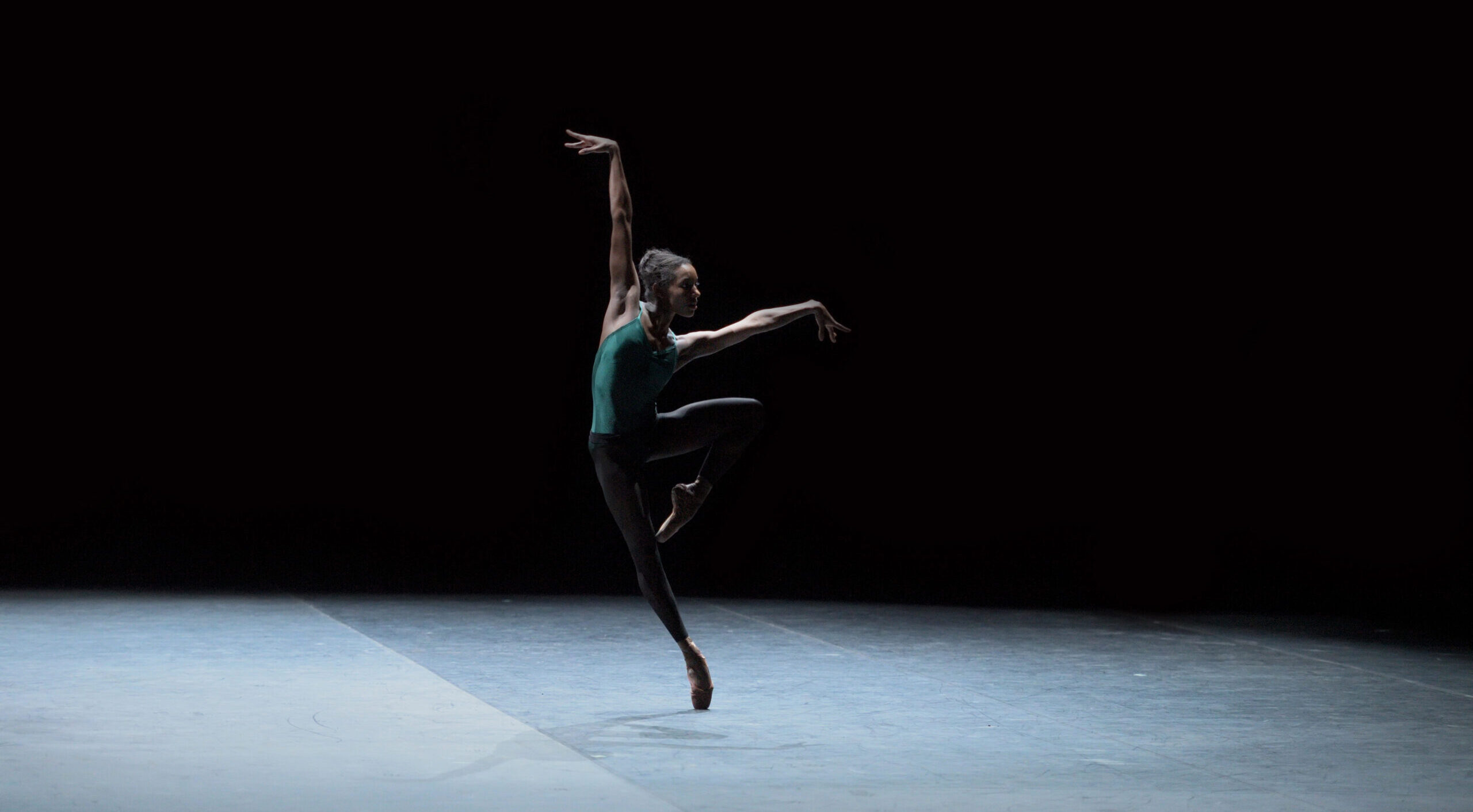
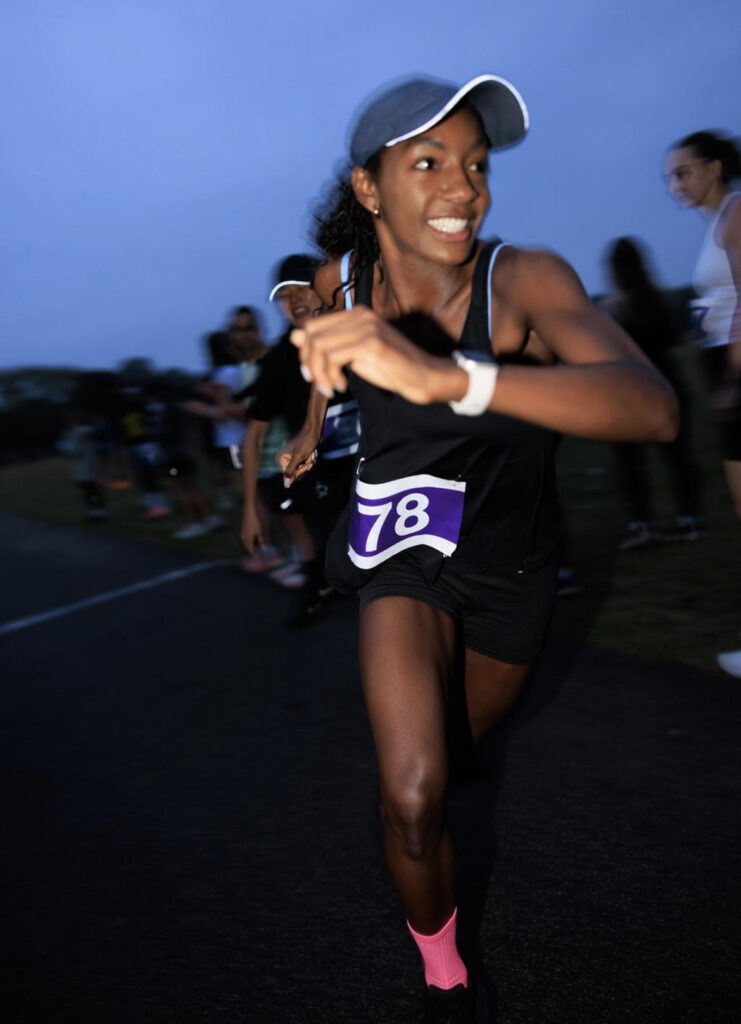
Navigating a performance season can feel like a marathon in itself, but Precious Adams knows what it’s like to run a real race. The English National Ballet first soloist, who will be joining The Australian Ballet as a senior artist in January, completed her first half-marathon this past August. Adams had first taken up running during the pandemic, later joining a local London-based running club, parkrun, to meet new people and “get out of the ballet bubble,” she says. After running mostly 5K and 10K distances for the past five years, she set the goal to run her first half-marathon: the Thames Meander Half, organized by Hermes Running, in London.
Here, Adams speaks about the joy she’s experienced from running, and how she’s seen it pay off in her dancing.
Gradual Build-Up
Adams first got into running by using the Couch to 5K app, a progressive training program that helps beginners prepare for a 5K. Its virtual sessions alternate between walking and running while increasing time and mileage each week. “It taught me a lot about how to approach doing anything new,” says Adams. “If you do it progressively and with the proper technique, it should feel good and not cause you pain.” During the pandemic, Adams ran daily to stay active. She then switched to two to three times a week, at 5K distances, once she was back in the studio.
Race Goal
To prepare for her first half-marathon, Adams trained for six weeks leading up to the race during ENB’s off-season. She asked ChatGPT to put together a training program for her to complete the race in under two hours. She also consulted with fellow runners and friends from her running groups, and she did additional research on YouTube and Instagram. “I wasn’t trying to run at Olympic speed; it wasn’t speed training, but more endurance training for me,” she says.
Spring in Her Step
Running has helped Adams build up her endurance, which has benefitted her in quick and intricate works by choreographers like William Forsythe. She says running has a similar impact on the body as jumping, and has made her jumps faster and springier.
Before and After
As with any other physical activity, having the proper warm-up and cooldown is important for running. Adams focuses on activating her glutes, hamstrings, and calves before going for a run. To ensure her hips are strong enough to keep her knees over her toes with each stride, she does glute bridges and hip abductions with an elastic band looped around her legs. Elevated calf raises are also helpful to prevent tendonitis. After her run, she rolls out her muscles with a foam roller.
Restoring Energy
Whether performing a quadruple bill or running a marathon, Adams says she tries to refuel every 45 minutes when she’s doing high-intensity work. For her half-marathon, she ate SiS isotonic gels to keep her energy and sugar up. “Otherwise, you hit a wall,” she explains. She sometimes takes sports energy gels if she’s doing a high-intensity performance onstage, or during long four-act ballets like Swan Lake. Adams may also opt for other quick-release carbohydrates, like two dates, a granola bar, or half a banana.
Warm Up: A-Skips and B-Skips
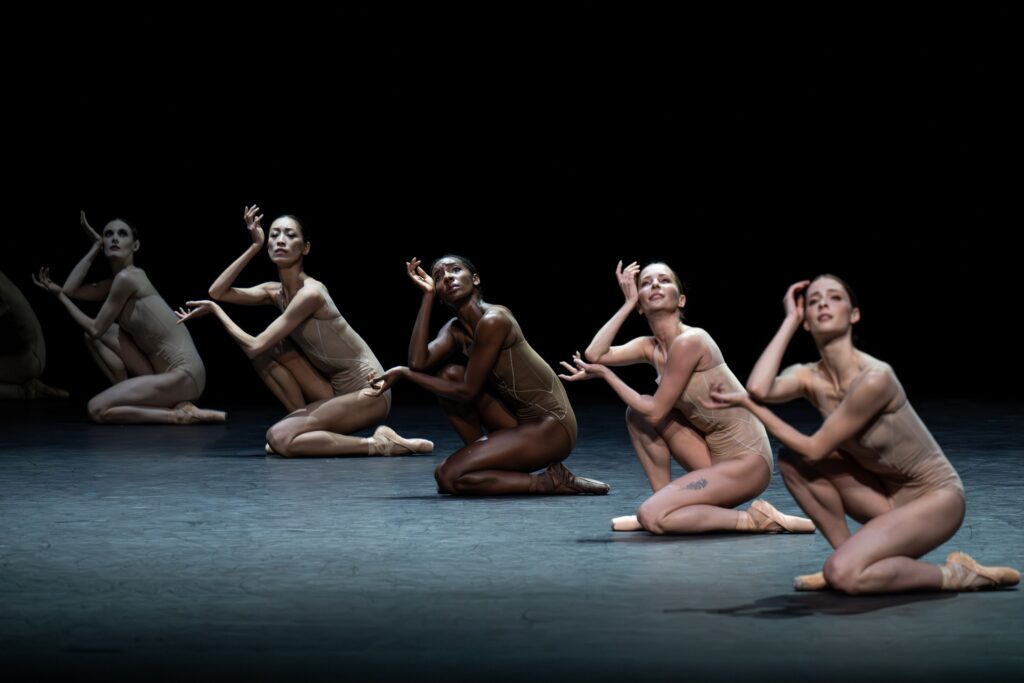
Two exercises that Adams has incorporated into her stage warm-up routine are “A-skips” and “B-skips.” “A lot of Olympians will do them before running,” she says. She might do eight to 12 of each skip to get her ankles, glutes, and hamstrings activated so she’s ready on the tips of her toes for the start of a performance. “It’s almost like a little plyometric exercise,” says Adams. “It wakes up faster-twitch muscles, especially for dancing with lots of jumps.”